55,000+ Esoteric Books Free + Modern Compare Prices
Home Collections Confucianism
📖

Confucianism Books: A Comprehensive Reading List

Confucianism books trace the philosophy from its classical origins to its modern interpretations. Texts like Sima Qian's *Shi ji* provide historical context, while translations of the *Analects* offer direct philosophical engagement. Understanding Confucianism requires engaging with its foundational texts and scholarly analysis. This guide outlines key works to navigate the philosophy, from introductory texts to primary sources, helping you build a structured understanding of its core tenets and historical development.

Top Confucianism Books

25 Confucianism books

What is Confucianism?

Confucianism is an ethical and philosophical system developed from the teachings of Confucius (Kong Fuzi). It emphasizes personal and governmental morality, the correctness of social relationships, justice, kindness, and sincerity. While often considered a religion, it is more accurately described as a way of life focused on cultivating virtue, social harmony, and good governance through education and self-reflection. Its influence has profoundly shaped East Asian culture, politics, and social structures for over two millennia.

Best Books for Complete Beginners

For those new to Confucian thought, starting with accessible introductions is key. *The Analects* is the foundational text, offering Confucius's sayings and dialogues. A good translation is crucial; consider one that provides ample commentary. Works like Paul Carus's *Chinese Thought* offer broader context for Confucianism within ancient Chinese philosophy. Understanding the historical background is also helpful, making Sima Qian's *Shi ji* (Records of the Grand Historian) a valuable, albeit extensive, resource for the era.

Intermediate Reading

Moving beyond the basics, intermediate readers can explore commentaries and related texts. Works that delve into Mencius and Xunzi, key Confucian philosophers who expanded upon Confucius's ideas, are essential. Texts that analyze the practical application of Confucian ethics in society and governance offer deeper insight. Books exploring the influence of Confucianism on Chinese history and culture provide a more nuanced perspective, connecting the philosophy to its real-world impact.

Classical / Advanced Texts

Advanced study requires engaging with primary sources and comprehensive scholarly analyses. This includes detailed commentaries on the *Analects* and other Confucian classics such as the *Great Learning* and the *Doctrine of the Mean*. Works focusing on Neo-Confucianism, which synthesized Confucianism with Taoist and Buddhist metaphysics, are also critical for a complete understanding. Scholarly translations and critical editions of these texts are paramount for rigorous academic study.

Reading Order — Step by Step

Begin with a modern translation of *The Analects* to grasp core concepts. Supplement this with a general overview like Paul Carus's *Chinese Thought* in Month 1. In Month 2, explore commentaries or works on Mencius and Xunzi to see the philosophy's development. By Month 3, begin engaging with Sima Qian's *Shi ji* for historical context and the *Great Learning* and *Doctrine of the Mean* for deeper philosophical exploration. Continue with advanced scholarly works and Neo-Confucian texts thereafter.

Frequently Asked Questions

Which Confucian book should I read first?

Start with a modern translation of *The Analects*. It is the core text containing Confucius's direct teachings and is essential for understanding the foundation of Confucianism.

Is Confucianism a religion or a philosophy?

Confucianism is often described as both. It functions as a comprehensive ethical and philosophical system focused on morality and social harmony, but also incorporates ritual practices and veneration of ancestors.

What is the relationship between Confucianism and Taoism?

Confucianism and Taoism are distinct but complementary philosophies in Chinese thought. Confucianism emphasizes social order, ethics, and duty, while Taoism focuses on nature, spontaneity, and individual harmony.

Who was Confucius?

Confucius (Kong Fuzi, 551–479 BCE) was a Chinese philosopher whose teachings emphasized personal and governmental morality, correctness of social relationships, justice, kindness, and sincerity.

What are the core virtues in Confucianism?

Key virtues include Ren (benevolence, humaneness), Li (propriety, ritual), Xiao (filial piety), Yi (righteousness), and Zhi (wisdom). Cultivating these is central to Confucian practice.

How did Confucianism influence Chinese society?

Confucianism deeply shaped Chinese social structure, governance, education, and family values for centuries. Its principles influenced imperial bureaucracy, social etiquette, and moral education.

What is the significance of the I Ching in Confucianism?

The I Ching (Book of Changes) is a foundational text in Chinese culture and thought, influencing Confucianism by providing a framework for understanding cosmic principles, change, and divination.

Why Each Book Matters

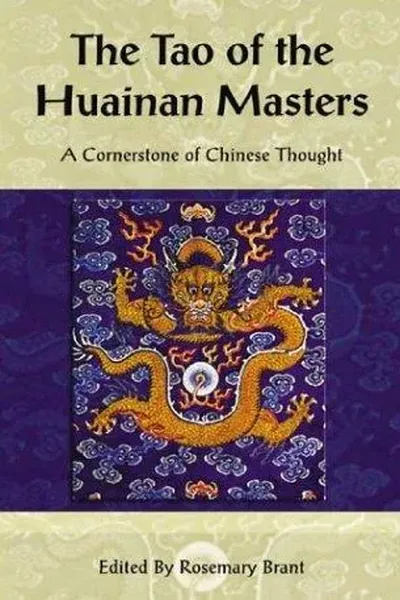
The Tao of the Huainan Masters

The Tao of the Huainan Masters

'The Tao of the Huainan Masters' (Huainanzi), attributed to Liu An and his scholars, is a significant work of early Chinese thought that blends Taoist, Confucian, and Legalist ideas into a comprehensive philosophical synthesis. This text explores cosmology, political theory, and self-cultivation, offering a rich example of the intellectual cross-pollination prevalent during the early Han dynasty, showcasing the dynamic interplay of different schools.

Confucius and the I Ching

Confucius and the I Ching

by Adam Dietz

Adam Dietz's 'Confucius and the I Ching' directly explores the historical and philosophical connections between the teachings of Confucius and the ancient Book of Changes. This work delves into how Confucian scholars interpreted and integrated the 'I Ching' into their moral and cosmological frameworks, offering a focused examination of their intertwined intellectual histories and shared insights.

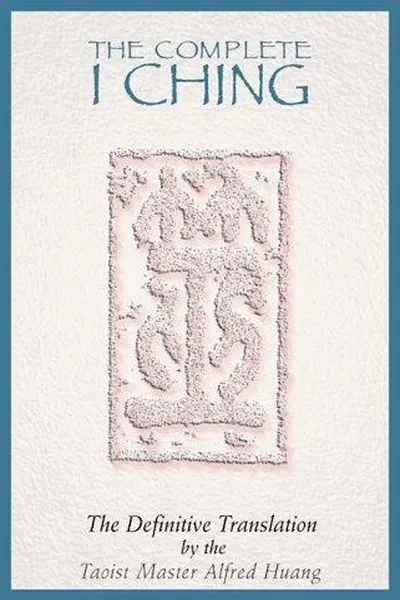
The complete I ching

The complete I ching

by Alfred Huang

Alfred Huang's 'The complete I ching' is a comprehensive translation that includes not only the classic text of the 'I Ching' but also the essential Ten Wings commentaries, which are crucial for a full understanding of its philosophical depth. Huang, a respected scholar, provides detailed explanations that bridge the gap between ancient Chinese thought and modern readers, making this a definitive resource.

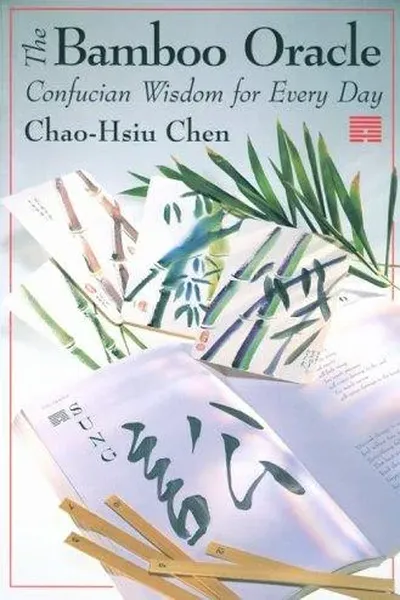
The Bamboo Oracle

The Bamboo Oracle

by Chao-Hsiu Chen

Chao-Hsiu Chen's 'The Bamboo Oracle' presents a practical and accessible guide to using the I Ching for divination and personal insight. The book often focuses on the direct application of the hexagrams to daily questions and challenges, blending ancient wisdom with a contemporary approach to self-reflection and decision-making, making the oracle approachable for modern seekers.

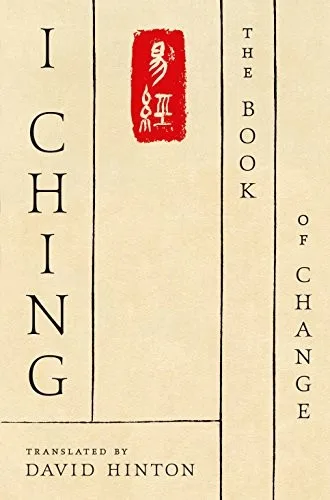
I Ching

I Ching

by David Hinton

David Hinton's 'I Ching' is renowned for its poetic and philosophical translation, which strives to capture the archaic beauty and profound cosmological vision of the original Chinese text. Hinton, a celebrated translator of classical Chinese poetry, emphasizes the ecological and existential dimensions of the Book of Changes, presenting it as a dynamic system of change deeply rooted in the natural world.

Taoism: An Essential Guide

Taoism: An Essential Guide

by Eva Wong

Eva Wong's 'Taoism: An Essential Guide' provides a comprehensive introduction to Taoist philosophy and practices, a tradition often understood in dialogue with Confucianism. Wong, a respected scholar of Taoism, explores its core concepts, historical development, and various schools, offering insights into a philosophical system that, while distinct, often complements or provides a counterpoint to Confucian ethical thought.

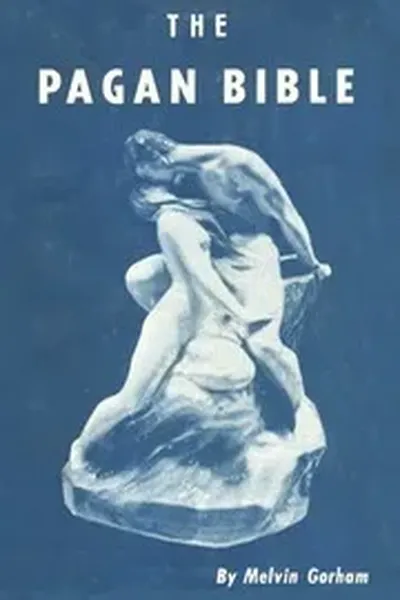
GORHAM - The Pagan Bible

GORHAM - The Pagan Bible

by GORHAM, Melvin

GORHAM, Melvin's 'GORHAM - The Pagan Bible' is a broad exploration of ancient spiritual and philosophical traditions, offering a comparative perspective on various belief systems. While not directly a Confucian text, its inclusion in an esoteric library collection suggests an examination of universal spiritual principles or a comparative study of ancient wisdom, which can offer interesting contrasts or parallels to Confucian ethical frameworks.

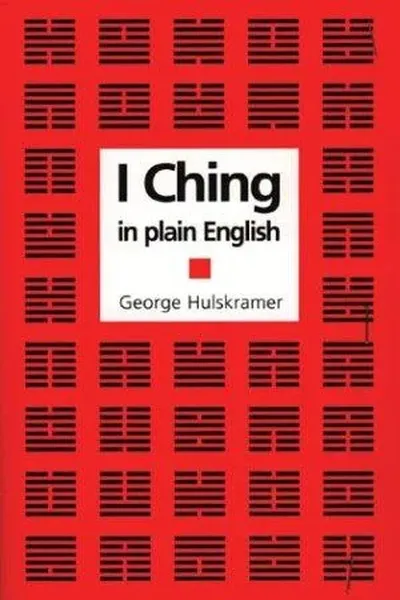
I Ching in Plain English

I Ching in Plain English

by George Hulskramer

George Hulskramer's 'I Ching in Plain English' is designed to make the complex and often enigmatic wisdom of the I Ching accessible to a modern audience without requiring specialized knowledge of ancient Chinese language or philosophy. This translation prioritizes clarity and directness, providing straightforward interpretations of the hexagrams to facilitate understanding and practical application.

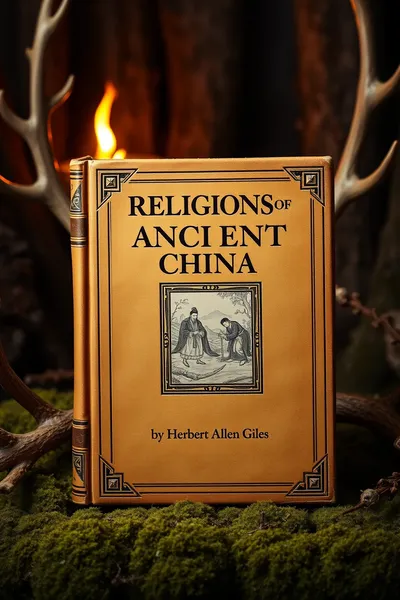
Religions of Ancient China

Religions of Ancient China

by Herbert Allen Giles

Herbert Allen Giles's 'Religions of Ancient China' provides a foundational overview of the major spiritual and philosophical traditions that shaped early Chinese civilization, including Confucianism, Taoism, and the indigenous popular beliefs. Giles, a distinguished Sinologist, offers a concise yet informative introduction to these systems, highlighting their unique characteristics and their collective influence on Chinese culture.

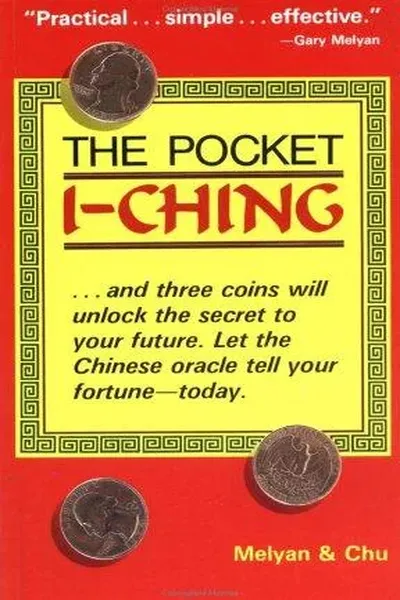
The Pocket I Ching (Yenbooks)

The Pocket I Ching (Yenbooks)

by I. Ching

'The Pocket I Ching (Yenbooks)' by I. Ching (the traditional attribution) is a compact and portable edition designed for easy consultation and quick reference for those seeking guidance from the ancient oracle. Its convenient size makes it ideal for on-the-go reflection, allowing users to access the wisdom of the Book of Changes wherever they are.

I Ching

I Ching

by James Legge

James Legge's 'I Ching' stands as one of the earliest and most scholarly English translations of the classic text, forming a crucial part of his monumental 'Sacred Books of the East' series. Legge, a pioneering Scottish Sinologist, dedicated himself to presenting the Chinese classics with meticulous academic rigor, providing extensive notes and commentaries that illuminate the historical and linguistic complexities of the Book of Changes.

Selection and divorce

Selection and divorce

by James Scarth Gale

James Scarth Gale's 'Selection and divorce' is a work by a prominent missionary and scholar of Korea, whose writings often shed light on the social structures and ethical considerations within Confucian-influenced East Asian societies. While the title suggests a specific focus, Gale's broader body of work provides valuable insights into the practical application and societal impact of Confucian principles in a Korean context.

The Happiness Hypothesis

The Happiness Hypothesis

by Jonathan Haidt

Jonathan Haidt's 'The Happiness Hypothesis' is a modern psychological text that skillfully draws upon ancient wisdom traditions, including Confucianism, to explore the nature of happiness and well-being. Haidt, a social psychologist, integrates insights from Confucius, Buddha, and other philosophical figures with contemporary scientific research, demonstrating the enduring relevance of classical thought to modern human experience.

I ching

I ching

by Kerson Huang

Kerson Huang's 'I ching' offers a unique perspective on the ancient text, informed by his background as a distinguished theoretical physicist. His translation is praised for its clarity and concise explanations, often drawing parallels between the patterns of the 'I Ching' and the underlying principles of the natural world, providing a fresh, analytical lens on its profound wisdom.

The original I ching

The original I ching

by Margaret Pearson

Margaret Pearson's 'The original I ching' often aims to present the I Ching in its most archaic and unadorned form, focusing on the core text without later commentaries that can sometimes obscure its initial meaning. This approach seeks to bring readers closer to the foundational layers of the Book of Changes, emphasizing its elemental symbolism and early divinatory practices.

Chinese thought

Chinese thought

by Paul Carus

Paul Carus's 'Chinese thought' offers a comprehensive exploration of the historical development and intricate interconnections of China's major philosophical and religious traditions, including Confucianism, Taoism, and Buddhism. Carus, a philosopher and publisher, sought to bridge Eastern and Western thought, and this work provides a valuable overview of the intellectual landscape that shaped Chinese civilization.

The Portable Dragon

The Portable Dragon

by R. G. H. Siu

R. G. H. Siu's 'The Portable Dragon' is a fascinating collection of essays and excerpts that explore various aspects of Chinese philosophy, including the I Ching and its relevance to modern management and leadership. Siu, a scientist and management consultant, uniquely applies ancient Chinese wisdom to contemporary organizational challenges, demonstrating the practical utility of these timeless concepts.

The I Ching

The I Ching

by Richard J. Smith

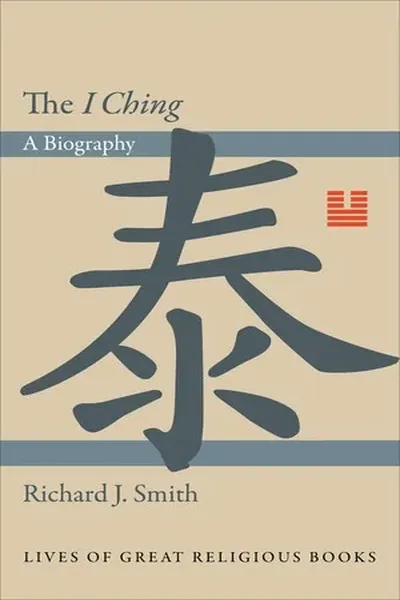
Richard J. Smith's 'The I Ching' provides a comprehensive historical and cultural context for the ancient Chinese classic, examining its evolution and diverse interpretations over millennia. Smith, a leading scholar of Chinese history, delves into the 'I Ching's' role in philosophy, divination, and political thought, offering a nuanced understanding of its profound impact on Chinese civilization.

I Ching

I Ching

by Richard Wilhelm

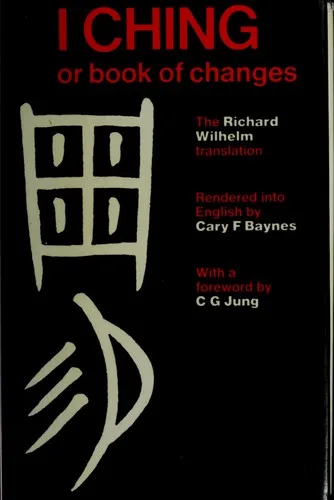
Richard Wilhelm's translation of 'I Ching' is celebrated for its profound psychological depth and spiritual insight, famously introduced to the Western world with a foreword by Carl Jung. Wilhelm, a German Sinologist, spent years immersed in Chinese culture, and his interpretation goes beyond literal translation to convey the philosophical nuances and symbolic power of the Book of Changes, making it a cornerstone for Western esoteric studies.

Moving with Change

Moving with Change

by Rowena Pattee

Rowena Pattee's 'Moving with Change' offers a contemporary and often artistic interpretation of the I Ching's wisdom, focusing on its relevance for personal transformation and navigating life's transitions. Pattee's work frequently integrates visual elements and intuitive insights, presenting the ancient oracle not just as a tool for divination but as a guide for spiritual and psychological growth.

I Ching

I Ching

by Sam Reifler

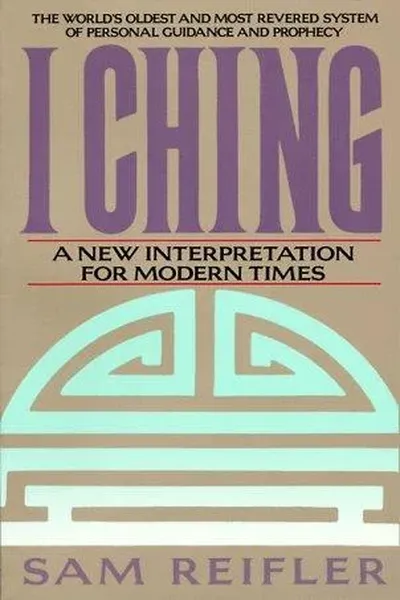
Sam Reifler's 'I Ching' is often noted for its practical and accessible approach to the ancient oracle, aiming to make its wisdom directly applicable to modern life and personal decision-making. Reifler's translation and commentary focus on clarity and immediacy, guiding readers through the hexagrams with an emphasis on intuitive understanding and contemporary relevance, rather than purely academic or historical analysis.

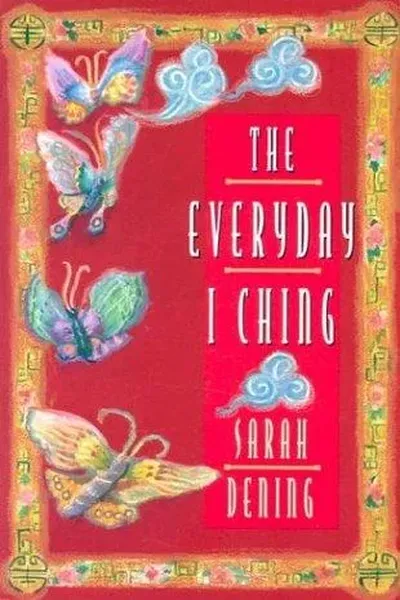
The everyday I ching

The everyday I ching

by Sarah Dening

Sarah Dening's 'The everyday I ching' focuses on making the profound wisdom of the I Ching accessible and applicable to daily life and decision-making. Her approach demystifies the ancient oracle, providing clear interpretations and practical guidance for using its insights to navigate personal challenges, relationships, and career choices with greater clarity and purpose.

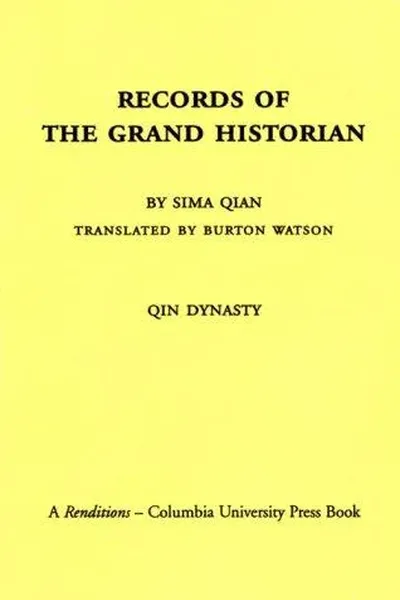
Shi ji

Shi ji

by Sima Qian

Authored by the revered Sima Qian, 'Shi ji' (Records of the Grand Historian) is a monumental work of ancient Chinese historiography, covering over two thousand years of Chinese history from the mythical Yellow Emperor to the author's own time. This foundational text is indispensable for understanding the political, social, and intellectual landscape in which Confucianism developed, offering rich narratives of emperors, sages, and the evolving ethical frameworks that shaped the civilization.

Astrology of I Ching

Astrology of I Ching

by Wen-kuang Chu

Wen-kuang Chu's 'Astrology of I Ching' delves into the lesser-known connections between the I Ching hexagrams and astrological principles, exploring how these two ancient systems can be integrated for deeper self-understanding and prognostication. The work uncovers a unique synthesis, offering insights into the energetic patterns and cosmic influences that inform both Chinese astrology and the Book of Changes.

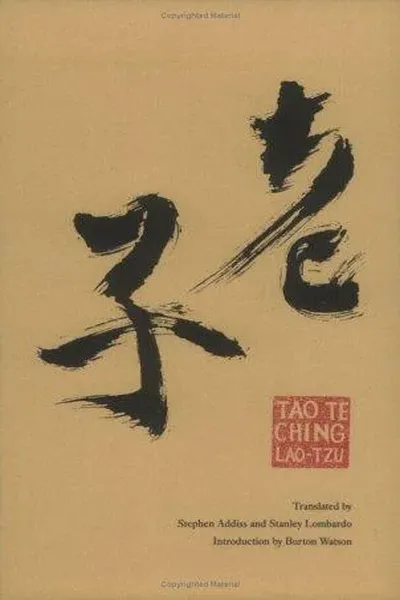
Tao te Ching

Tao te Ching

by 老子

Authored by the legendary 老子 (Laozi), 'Tao te Ching' is the foundational text of Taoism, a philosophical tradition that often stands in complementary or contrasting dialogue with Confucianism. This concise yet profound work explores the concept of the 'Tao' (The Way), advocating for simplicity, naturalness, and a harmonious balance with the universe, influencing Chinese thought deeply alongside Confucian principles.

Esoteric Library
Browse Esoteric Library
📚 All 55,000+ Books 🜍 Alchemy & Hermeticism 🔮 Magic & Ritual 🌙 Witchcraft & Paganism Astrology & Cosmology 🃏 Divination & Tarot 📜 Occult Philosophy ✡️ Kabbalah & Jewish Mysticism 🕉️ Mysticism & Contemplation 🕊️ Theosophy & Anthroposophy 🏛️ Freemasonry & Secret Societies 👻 Spiritualism & Afterlife 📖 Sacred Texts & Gnosticism 👁️ Supernatural & Occult Fiction 🧘 Spiritual Development 📚 Esoteric History & Biography
Esoteric Library
📑 Collections 📤 Upload Your Book
Account
🔑 Sign In Create Account
Info
About Esoteric Library