Taoism: An Essential Guide
 76
76

Taoism: An Essential Guide



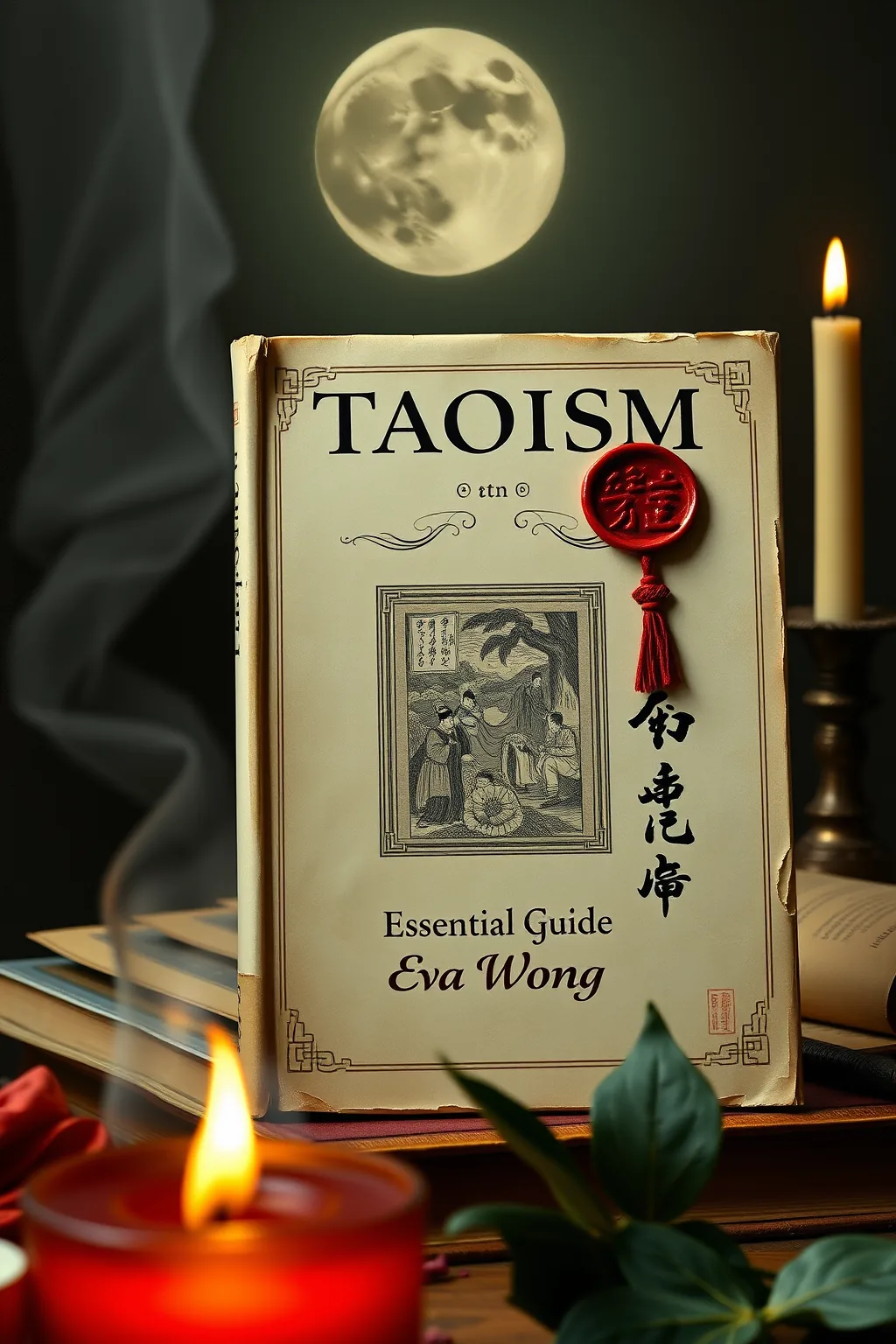
Taoism: An Essential Guide by Eva Wong is a beacon for modern esoteric seekers navigating the complex and often misunderstood world of Taoist spirituality. Wong's expertise shines through as she meticulously explores the depths of Taoist practices, from meditation and physical training to magical rituals and internal alchemy. This book is not just an academic treatise but a practical manual, offering readers the tools to incorporate Taoist principles into their daily lives. For those new to Taoism, it serves as an accessible entry point, demystifying esoteric concepts and making them relatable. For seasoned practitioners, it provides fresh insights and deeper understanding. The inclusion of historical context enriches the reading experience, grounding the spiritual practices in their cultural and philosophical roots. Overall, this book is a must-read for anyone interested in the esoteric traditions of Taoism. It earns a solidrating for its comprehensive coverage and practical value.
📝 Description
76
Eva Wong's 2009 guide unpacks the mystical dimensions of Taoism, moving beyond common interpretations.
Eva Wong's 'Taoism: An Essential Guide' examines the less common aspects of this tradition. The book moves past popular associations with the Tao Te Ching, t'ai chi, and feng-shui. Instead, it focuses on the esoteric practices and occult dimensions that form a significant part of Taoist history and philosophy. Wong details ancient methods of meditation, physical training, and internal alchemy. She also illuminates the rich symbolism and philosophical depth that have attracted serious students for generations.
The text is written for those interested in the mystical and hidden knowledge within Taoism. It aims to provide access to the spiritual practices that have shaped this ancient tradition. The book cultivates an atmosphere of quiet introspection and deep inquiry. It serves as a resource for both academic study and personal practice, offering a look into the less-discussed corners of Taoist wisdom.
This book situates Taoism within its esoteric lineage, distinct from its more widely known philosophical interpretations. It highlights practices often kept within specific schools or lineages, such as internal alchemy and advanced meditation forms. Wong's work connects these practices to the broader historical and philosophical currents of Taoism, showing how they inform the tradition's spiritual depth. It offers a look at the mystical and occult elements that are central to the lived experience of many Taoist practitioners, contrasting with purely philosophical or popular understandings.
💡 Why Read This Book?
Reading Taoism: An Essential Guide today offers a unique opportunity to connect with ancient wisdom and apply it to modern life. This book provides a comprehensive understanding of Taoist spiritual practices, enabling readers to enhance their meditation techniques, physical well-being, and magical abilities. By exploring the rich traditions of internal alchemy and mystical rituals, readers can gain a deeper sense of spiritual fulfillment and personal growth. Whether you are a spiritual seeker, a practitioner of esoteric arts, or simply curious about Taoism, this guide will enrich your journey with profound insights and practical knowledge.
⭐ Reader Reviews
Honest opinions from readers who have explored this book.
❓ Frequently Asked Questions
What formats is Taoism: An Essential Guide available in?
The ebook version of Taoism: An Essential Guide is available in EPUB, AZW3, and PDF formats, ensuring compatibility with various e-readers and devices.
Is this book suitable for beginners?
Yes, this book is designed to be accessible for both beginners and experienced practitioners, providing a comprehensive introduction to Taoist spirituality and practices.
Does the book cover practical Taoist techniques?
Absolutely, the book delves into practical Taoist techniques including meditation, physical training, magical practices, and internal alchemy, making it a valuable resource for hands-on learning.
🔮 Key Themes & Symbolism
Mystical Dimensions of Taoism
Eva Wong's guide looks at the mystical and occult practices of Taoism, revealing the hidden knowledge and spiritual depth that have captivated seekers for centuries. This theme explores the esoteric traditions of meditation, physical training, and internal alchemy, providing a comprehensive understanding of Taoist spirituality.
Symbolism of the Tao
The symbolism of the Tao is a central theme in this guide. Readers will discover the rich and complex symbolism that underlies Taoist teachings, from the yin and yang to the eight trigrams of the I Ching. This theme offers a deeper appreciation for the philosophical and spiritual significance of Taoist symbols.
Philosophical Depth of Taoist Teachings
This theme explores the philosophical depth of Taoist teachings, from the Tao Te Ching to the Zhuangzi. Readers will gain a deeper understanding of the principles of wu-wei (effortless action), naturalness, and spontaneity, and how these principles can be applied to modern life.
💡 Key Ideas
Editorial paraphrase of the work's core concepts — not direct quotes.
The Tao that can be spoken is not the eternal Tao.
This quote underscores the mystical and ineffable nature of the Tao, suggesting that true understanding comes from direct experience rather than intellectual knowledge.
The softest thing in the universe overcomes the hardest thing in the universe.
This quote highlights the principle of yielding and flexibility in Taoist practice, demonstrating the power of softness and adaptability over rigid strength.
Nature does not hurry, yet everything is accomplished.
This quote emphasizes the importance of patience and naturalness in Taoist teachings, encouraging practitioners to align with the natural flow of life.
The journey of a thousand miles begins with one step.
This quote illustrates the Taoist approach to spiritual practice, emphasizing the importance of taking small, steady steps towards a greater goal.
To attain knowledge, add things every day. To attain wisdom, remove things every day.
This quote contrasts the accumulation of knowledge with the cultivation of wisdom, suggesting that true wisdom comes from letting go of unnecessary attachments and distractions.
🌙 Esoteric Significance
Tradition
This book belongs to the Hermetic and Gnostic traditions, emphasizing the mystical and esoteric dimensions of Taoism. It looks at the hidden knowledge and spiritual practices that have shaped this ancient tradition, providing a deeper understanding of its philosophical and spiritual significance.
Symbolism
Key symbols in this book include the yin and yang, the eight trigrams of the I Ching, and the Tao itself. These symbols represent the fundamental principles of Taoist teachings, such as balance, harmony, and the natural flow of life. Understanding these symbols is crucial for grasping the esoteric and mystical dimensions of Taoism.
Modern Relevance
The esoteric teachings and practices outlined in this book remain relevant today, offering modern practitioners valuable insights into spiritual growth and self-cultivation. Many contemporary Taoist practitioners use these teachings to enhance their meditation, physical training, and internal alchemy practices, integrating ancient wisdom with modern life.
👥 Who Should Read This Book
Beginners interested in Taoism will find this guide an invaluable introduction to the mystical and esoteric dimensions of the tradition. Scholars of Eastern spirituality will appreciate the comprehensive coverage of Taoist practices and philosophical depth. Spiritual seekers looking to deepen their practice will benefit from the practical advice and insights into internal alchemy and meditation. Practitioners of t'ai chi and feng-shui will gain a deeper understanding of the underlying principles and symbols of these practices.
📜 Historical Context
Taoism: An Essential Guide was written during a time of renewed interest in Eastern spiritual traditions. Eva Wong's work emerged in the late 20th and early 21st centuries, a period marked by a growing fascination with mystical and esoteric practices. The book's importance lies in its comprehensive and accessible introduction to the diverse and often overlooked aspects of Taoist spirituality. It has influenced both academic studies and practical applications of Taoist principles, making it a valuable resource for scholars and practitioners alike.
📔 Journal Prompts
Reflect on a moment when you felt aligned with the natural flow of life. How did this experience shape your understanding of Taoist principles?
Consider the symbolism of the yin and yang in your own life. How do these principles manifest in your daily experiences?
Explore the concept of wu-wei (effortless action) in your spiritual practice. How can you cultivate a sense of naturalness and spontaneity in your actions?
Think about the journey of a thousand miles beginning with one step. What small, steady steps can you take towards your spiritual goals?
Reflect on the idea of removing things every day to attain wisdom. What unnecessary attachments or distractions can you let go of in your life?
🗂️ Glossary
Tao
The fundamental principle or essence of the universe in Taoist philosophy. It represents the natural flow of life and the source of all existence.
Wu-wei
The principle of effortless action in Taoism, emphasizing naturalness and spontaneity in one's actions and decisions.
Yin and Yang
The symbol representing the balance and harmony of opposing forces in Taoist philosophy. It illustrates the interconnectedness of all things.
Internal Alchemy
A Taoist practice aimed at transforming and purifying the body, mind, and spirit through meditation, breathwork, and visualization.
I Ching
An ancient Chinese divination text that uses eight trigrams to represent the fundamental principles of the universe and guide spiritual practices.
This book appears in 3 collections
🔮 Readers Also Liked
Browse all →









More by Eva Wong
All books →


From the “Hermeticism” Collection
View all →








More Free Alchemy & Hermeticism Books
View all →