Kabbalah & Jewish Mysticism Books: Foundational Texts

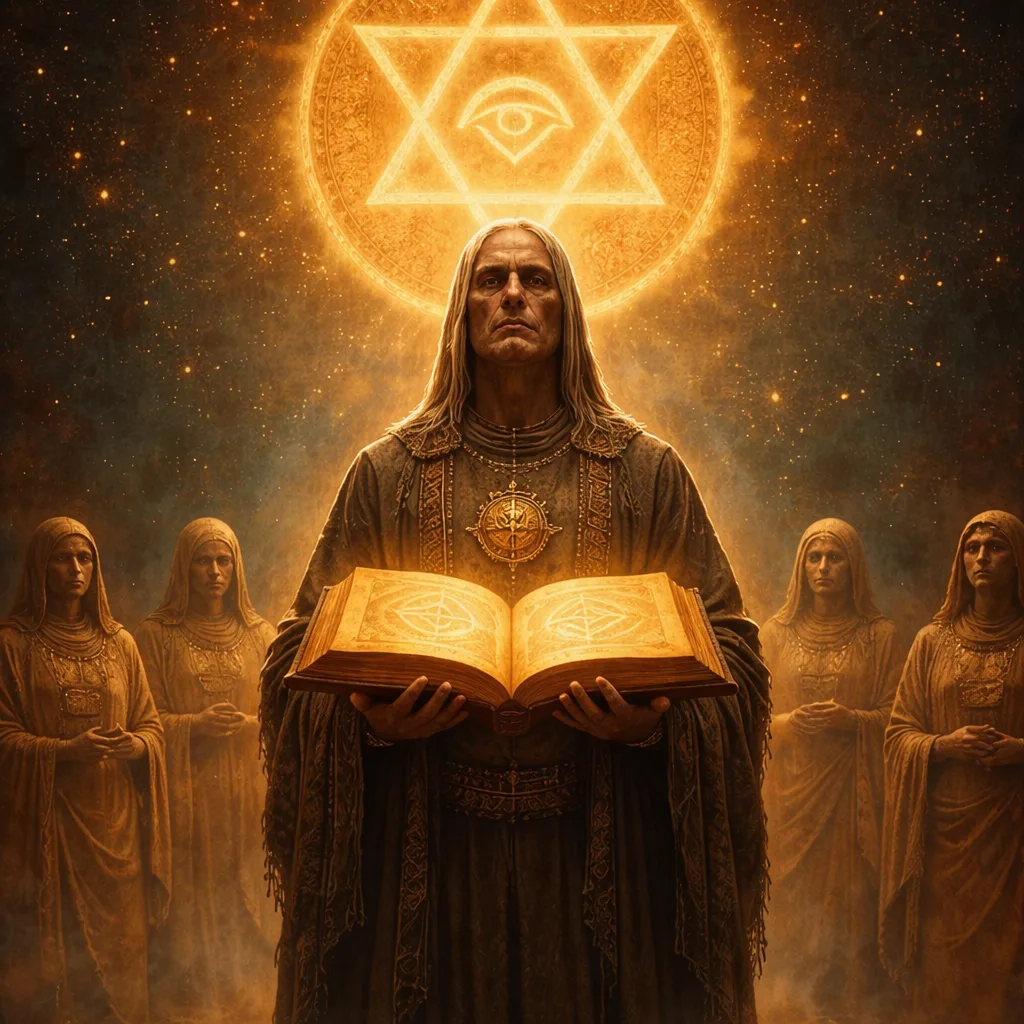

Tree of Life, Sefirot, Zohar, and mystical Hebrew traditions
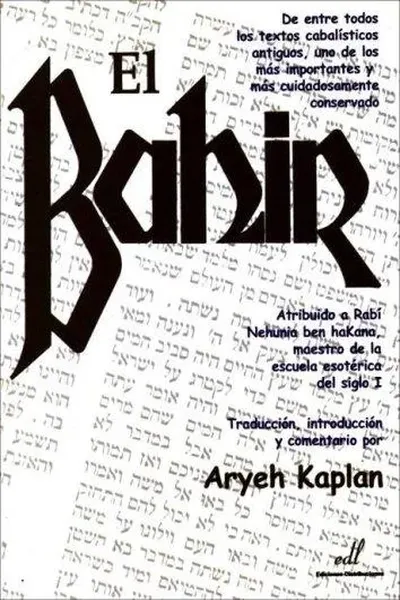
Texts on Kabbalah and Jewish Mysticism trace a complex lineage of esoteric thought and practice. Works like Gershom Scholem's "On the Kabbalah and Its Symbolism" and "Introduction To The Book Of Zohar" (2014) provide scholarly and textual foundations. "Sefer Ha Bahir" offers an early foundational text. This guide outlines key resources for understanding the development and core concepts of this tradition, from introductory material to primary sources.


















![[Mitsṿat ahavat Yiśraʼel]](/img/thumb/mitsvat-ahavat-yisraʼel-menahem-mendel-schneersohn-604606.webp)























Reading Order
Three paths · pick by your level
🌱
Beginner
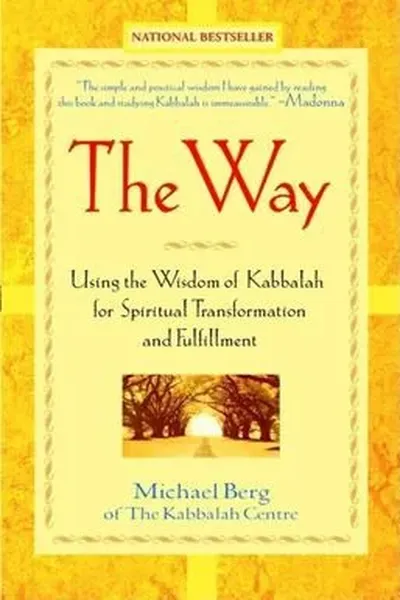
- Provides a practical and accessible introduction to core Kabbalistic ideas and practices.
- Offers a guided entry into the primary text of Kabbalah.
- Introduces one of the earliest and most influential Kabbalistic texts.
- A translation that helps demystify some of the foundational concepts of Kabbalah.
- Provides context by showcasing related mystical and interpretive traditions within Judaism.
🌿
Intermediate
- Essential for understanding the historical and scholarly context of Kabbalah.
- Allows for direct engagement with the central Kabbalistic text in a comparative format.
- A significant historical translation offering another perspective on key Kabbalistic writings.
- A useful tool for understanding specific terminology encountered in primary texts.
🌳
Advanced
- Deep study of the primary source material with original language considerations.
- Engages with historical translations and scholarly apparatus of seminal Kabbalistic works.
- Explores older, less mainstream interpretations and historical perspectives on Kabbalah.
- Investigates the pre-Kabbalistic Merkabah mystical traditions that influenced later developments.
Why Each Book Matters
What is Kabbalah?
Kabbalah, a form of Jewish mysticism, explores the relationship between the divine, the cosmos, and humanity. It utilizes symbolic interpretation of religious texts, most notably the Torah, to reveal hidden meanings and divine secrets. Central concepts include the Sefirot, a symbolic tree of divine emanations, and the nature of God's creation and interaction with the world. Its development spans centuries, with significant texts emerging from medieval Spain and beyond.
Best Books for Complete Beginners
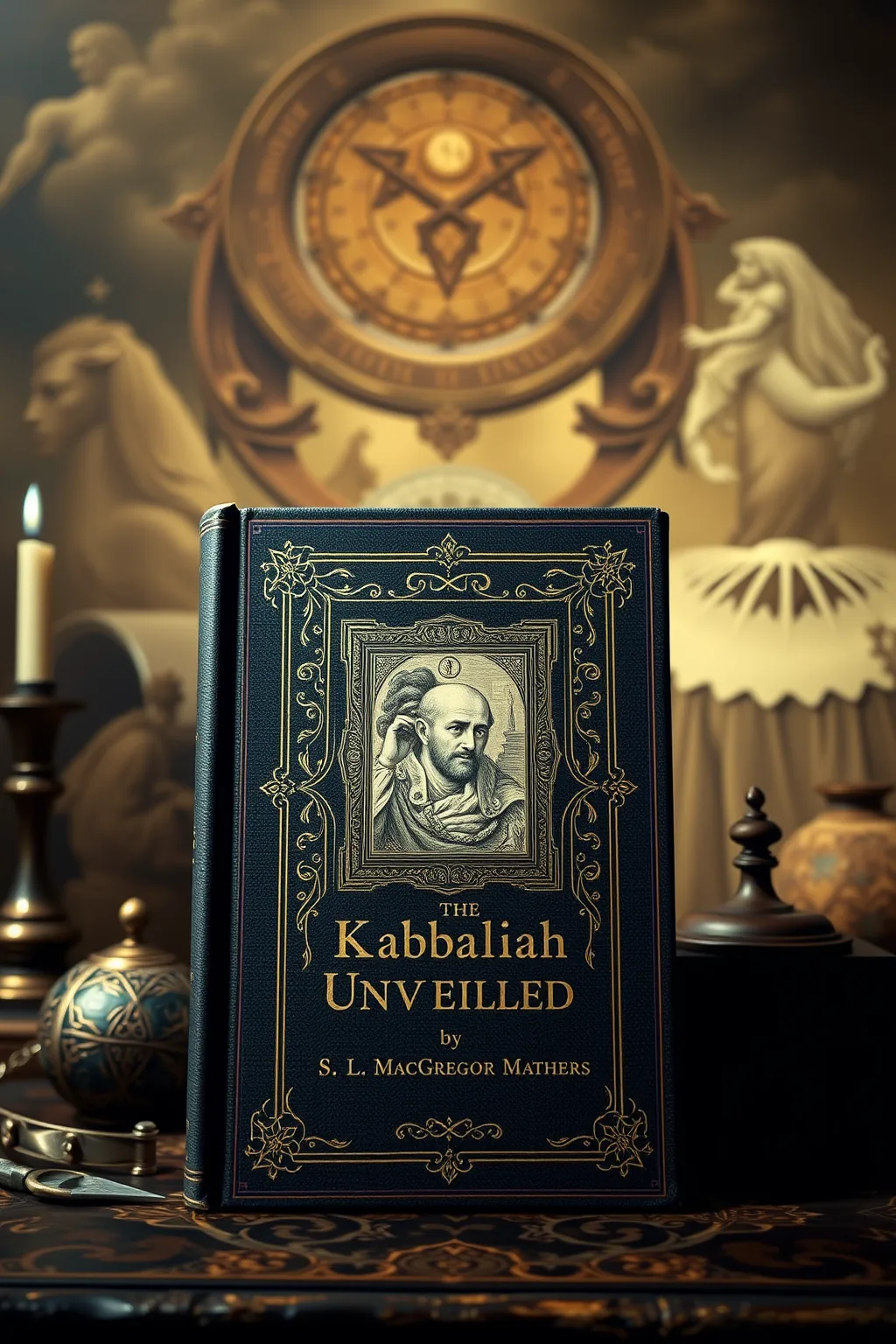
For those new to Kabbalah, starting with accessible introductions is crucial. Aryeh Kaplan's "Inner Space: Introduction To Kabbalah, Meditation And Prophecy" (1991) provides a practical entry point, linking Kabbalistic concepts to meditative states and prophecy. "The Kabbalah Unveiled.pdf" (2014) offers a translation that can demystify some core ideas. "Introduction To The Book Of Zohar.pdf" (2014) serves as a gateway to the central text of Kabbalah. "Sefer Ha Bahir" presents an early, foundational mystical text in translation. These selections offer a broad overview without overwhelming the novice.
Intermediate Reading
Moving beyond introductory texts, readers can delve deeper into specific aspects and historical contexts. Gershom Scholem's "On the Kabbalah and Its Symbolism" is essential for understanding the academic study of Kabbalah, providing critical analysis and historical context. "The Zohar Aramaic English" by Shimon Bar Yohai and Moses De León offers a key primary text in a dual-language format for closer study. "Kabbala denudata, the Kabbalah unveiled" (1907) presents another significant historical translation. "Hebraic Literature; Translations from the Talmud, Midrashim and Kabbala" provides broader context within Jewish mystical traditions.
Classical / Advanced Texts
Serious students will engage directly with primary source materials and scholarly analyses of them. "The Zohar Aramaic English" is the foundational text, attributed to Shimon Bar Yohai and compiled by Moses De León. "Kabbala denudata, the Kabbalah unveiled" (1907) and "The Kabbalah Unveiled.pdf" (2014) are historical translations of key Kabbalistic works. "Pancoast S The Kabbala Or The True Science Of Light 1887" represents an older, less common perspective on Kabbalistic principles. "Work of the Chariot" refers to early mystical traditions that predate and influenced later Kabbalah.
Reading Order — Step by Step
Begin with Aryeh Kaplan's "Inner Space: Introduction To Kabbalah, Meditation And Prophecy" (1991) for a gentle start. Follow with "Introduction To The Book Of Zohar.pdf" (2014) and "Sefer Ha Bahir" to grasp core texts. In Month 2, tackle Gershom Scholem's "On the Kabbalah and Its Symbolism" for historical and conceptual grounding. Simultaneously, begin reading "The Zohar Aramaic English" in parallel translation. Month 3 involves deeper engagement with "The Kabbalah Unveiled.pdf" (2014) and "Kabbala denudata, the Kabbalah unveiled" (1907), alongside "Hebraic Literature; Translations from the Talmud, Midrashim and Kabbala" for comparative study.
Other categories
Alchemy & Hermeticism
3093
Astrology & Cosmology
2043
Divination & Tarot
2212
Kabbalah & Jewish Mysticism
126
Magic & Ritual
149
Mysticism & Contemplation
610
Occult Philosophy
891
Theosophy & Anthroposophy
597
Witchcraft & Paganism
1183
Freemasonry & Secret Societies
1914
Spiritualism & Afterlife
77
Sacred Texts & Gnosticism
276
Supernatural & Occult Fiction
22
Spiritual Development
50
Esoteric History & Biography
33

Browse Esoteric Library
📚 All 52,000+ Books
🜍 Alchemy & Hermeticism
🔮 Magic & Ritual
🌙 Witchcraft & Paganism
⭐ Astrology & Cosmology
🃏 Divination & Tarot
📜 Occult Philosophy
✡️ Kabbalah & Jewish Mysticism
🕉️ Mysticism & Contemplation
🕊️ Theosophy & Anthroposophy
🏛️ Freemasonry & Secret Societies
👻 Spiritualism & Afterlife
📖 Sacred Texts & Gnosticism
👁️ Supernatural & Occult Fiction
🧘 Spiritual Development
📚 Esoteric History & Biography