Esoteric Meaning: The Complete Dictionary of Hidden Knowledge
What does it really mean?
Discover the hidden meaning of any symbol, scripture, number, dream, or sacred concept — across Hermetic, Sufi, Buddhist, Hindu, Kabbalistic, Taoist, and Christian mystical traditions.
Esoteric meaning refers to the inner, hidden, or symbolic significance of a text, symbol, number, ritual, or experience — accessible to initiates, mystics, and serious students of spiritual traditions. The word comes from the Greek esōterikós (ἐσωτερικός), meaning "from within." Its opposite is exoteric: the outer, public, surface meaning.
What do you want to decode?
One truth, many traditions
Compare how different traditions interpret the same symbol or concept.
Popular meanings right now
Anantanand Rambachan
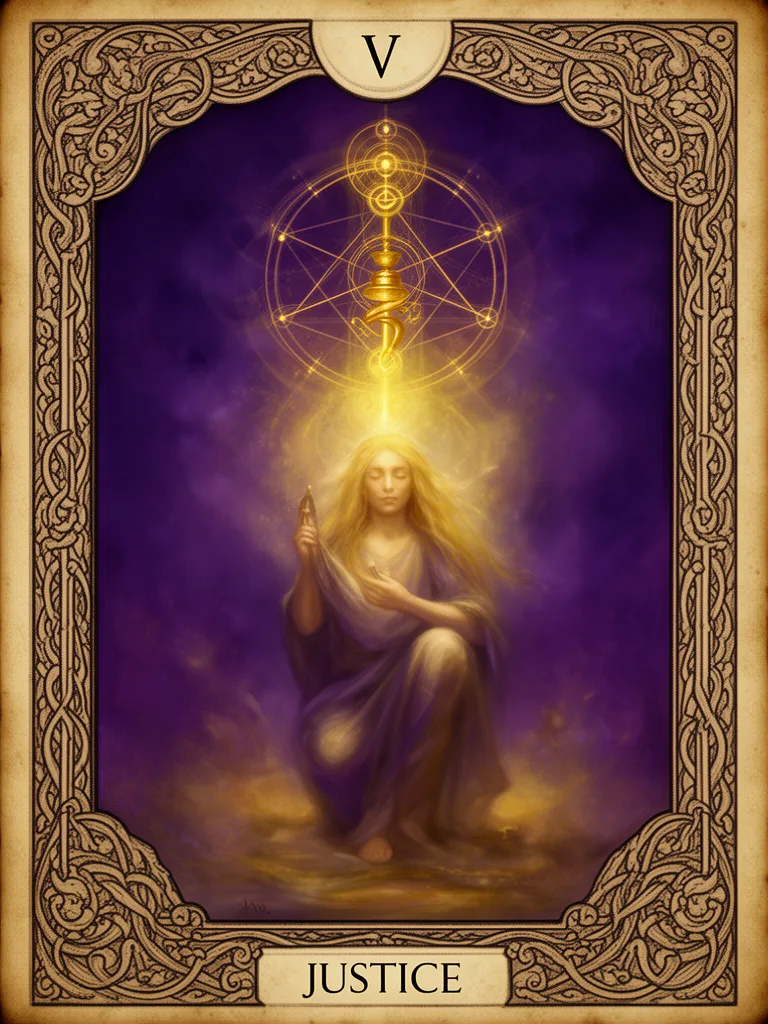
Justice (tarot card)
Gilles de Rais
Armanen runes
Egregore
Jachin
Curse
Cyranides
Sages & Mystics
Read quotes and teachings from enlightened masters across all traditions — Buddha, Rumi, Lao Tzu, Hermes Trismegistus, Krishna, and more.
Discover sages →


Frequently asked
What does "esoteric meaning" mean?
How is esoteric meaning different from a regular meaning?
Is esoteric the same as occult?
Where do I start studying esoteric meaning?
What are the seven esoteric traditions on this site?
Can I contribute my own interpretation?
Begin your journey into hidden knowledge
Search a symbol. Open a door. Discover the deeper meaning.
