What is Taoism?
Taoism is a philosophical and spiritual tradition originating in ancient China, emphasizing living in harmony with the Tao (the 'Way'). It posits a natural order to the universe that is inherently good and that humans should align with. Key tenets include wu wei (non-action or effortless action), spontaneity, simplicity, and compassion. While often associated with mystical practices, its philosophical roots, as seen in texts like the Tao Teh King, focus on achieving balance and understanding the natural flow of existence.
Best Books for Complete Beginners
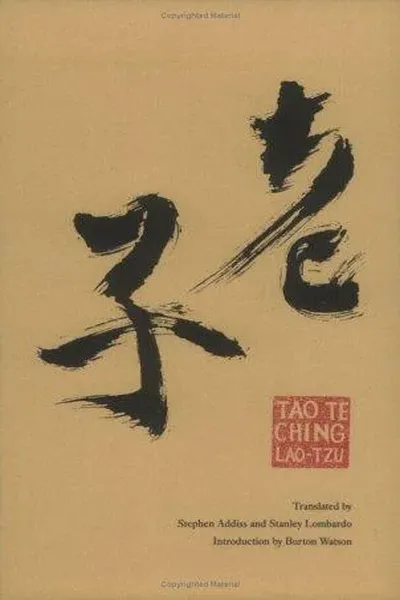
For those new to Taoism, starting with accessible overviews is crucial. Eva Wong's Taoism: An Essential Guide provides a clear introduction to its history, philosophy, and practices. The Tao Teh King, or the Tao and its Characteristics by Laozi (2014), offers the foundational text in a modern translation. Cultivating Stillness: A Taoist Manual for Transforming Body and Mind by Eva Wong introduces practical meditative techniques. These works lay a solid groundwork for understanding Taoist concepts and their application.
Intermediate Reading
Building on foundational knowledge, intermediate readers can explore deeper aspects of Taoist thought and practice. Chuang Tzu: Mystic, Moralist, and Social Reformer by Zhuangzi presents allegorical stories and paradoxes that expand on the Taoist worldview. Taoist Meditation: Methods for Cultivating a Healthy Mind and Body by Thomas Cleary offers practical guidance on meditative disciplines. Eva Wong's Harmonizing Yin and Yang: The Dragon-Tiger Classic examines the principles of balance central to Taoist cosmology and practice.
Classical / Advanced Texts
Serious students will benefit from engaging with primary sources and specialized topics. The Way Of The Golden Elixir - An Introduction To Taoist Alchemy (Neidan) and Cultivating the Energy of Life: A Translation of the Hui-Ming Ching and Its Commentaries by Liu Hua-Yang provide insights into internal alchemy. Taoist Yoga: Alchemy & Immortality by Charles Luk offers a comprehensive look at advanced practices for spiritual development and longevity. These texts require a dedicated approach to understanding their complex concepts.
Reading Order — Step by Step
Begin your Taoist journey with foundational texts. Weeks 1-2: Read Taoism: An Essential Guide by Eva Wong for an overview, followed by The Tao Teh King (2014) for the core philosophy. Month 2: Dive into Chuang Tzu: Mystic, Moralist, and Social Reformer for deeper philosophical exploration and Taoist Meditation by Thomas Cleary for practical techniques. Month 3+: Explore advanced topics like Taoist Yoga by Charles Luk or internal alchemy texts such as The Way Of The Golden Elixir, alongside Eva Wong's other works like Harmonizing Yin and Yang.
Frequently Asked Questions
Which Taoism book should I read first?
For a solid introduction, begin with Eva Wong's 'Taoism: An Essential Guide'. It covers the core principles and history clearly. Following that, read 'The Tao Teh King' (2014) for the foundational text.
What is the difference between philosophical and religious Taoism?
Philosophical Taoism, rooted in texts like the Tao Teh King, focuses on living in harmony with the Tao through ethics and naturalness. Religious Taoism incorporates deities, rituals, and practices like alchemy and meditation for spiritual development and longevity.
Are Taoist meditation techniques difficult to learn?
Techniques vary in complexity. Books like 'Cultivating Stillness' by Eva Wong offer accessible methods for beginners. More advanced practices, often related to internal alchemy, require dedicated study and guidance.
What is 'wu wei' and how can I practice it?
'Wu wei' means effortless action, acting in alignment with the natural flow. Practice involves observing situations, understanding their inherent momentum, and acting without force or unnecessary effort.
What are the main goals of Taoist internal alchemy (Neidan)?
The primary goals of Neidan are to refine the body's vital substances (Jing, Qi, Shen) to achieve optimal health, extended longevity, and ultimately, spiritual transformation and union with the Tao.
Are books like 'The Complete Magicians Tables' or 'Visual-Magick' related to Taoism?
While Stephen Skinner's 'The Complete Magicians Tables' (2007) and Jan Fries' 'Visual-Magick' (1992) touch upon esoteric traditions, they are not primarily focused on classical Taoist philosophy or practice. Their connection to Taoism may be tangential or comparative.
Where can I find primary Taoist scriptures?
Collections like 'The Sacred Books of the East' (volumes 11 and 12) contain early translations of important Taoist texts. Eva Wong's 'Teachings of the Tao' also serves as a compilation of key scriptures.
How does Taoism relate to Traditional Chinese Medicine (TCM)?
Taoism heavily influences TCM. Concepts like Yin and Yang, Qi, and the balance of elements are foundational to understanding health and treating illness within TCM, reflecting Taoist principles of harmony and natural flow.