52,000+ Esoteric Books Free + Modern Compare Prices
Home Collections Zen Buddhism
📖

Zen Buddhism Books: A Comprehensive Reading Guide

Zen Buddhism books trace the development of this practice from its origins to contemporary applications. While the provided catalog does not contain direct Zen titles, related philosophical and consciousness-exploring works offer context. Works like Richard Maurice Bucke's 'Cosmic Consciousness' (1901) touch upon altered states of awareness relevant to meditative traditions. Jiddu Krishnamurti's 'Education as Service' explores self-inquiry, a core element in many Eastern philosophies. Understanding these broader themes can inform a beginner's approach to Zen studies. This guide provides a structured path for engaging with the subject.

Top Zen Buddhism Books

25 Zen Buddhism books
The Alchemy of Us
📖
The Alchemy of Us
Ainissa Ramirez
4.1
64
CLASSIC
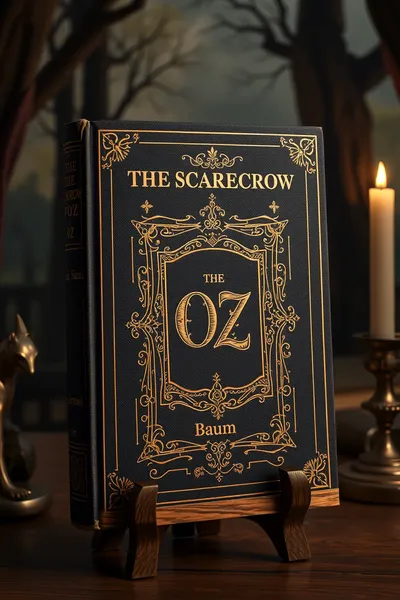
The Scarecrow of Oz
📖
The Scarecrow of Oz
Baum, L. Frank (Lyman Frank)
4.3
70
Osho Zen Tarot
📖
Osho Zen Tarot
Bhagwan Rajneesh
4.3
71
Living Nonduality
📖
Living Nonduality
Enlightenment Teachings of Self-Rea
4.3
71
SCHOLAR'S PICK
Feats on the Fiord
📖
Feats on the Fiord
Harriet Martineau (1802-1876)
4.6
81
MUST READ
Starpower
📖
Starpower
Jacqueline Stallone
4.3
70
The Devil's Door
📖
The Devil's Door
Thuban Etoile ☥
4.7
83
The Devil's Door
📖
The Devil's Door
Thuban Etoile ☥
4.5
78
The Zen of Love
📖
The Zen of Love
makes simple this seemingly impossi
4.5
76

What is Zen Buddhism?

Zen Buddhism is a school of Mahayana Buddhism that originated in China during the Tang dynasty as Jing, or Chan. It emphasizes rigorous meditation-practice, or zazen, and direct experience to attain enlightenment, or satori. Unlike other Buddhist schools that focus heavily on scripture, Zen prioritizes the transmission of teachings from master to disciple through personal interaction and intuitive understanding. Its core tenets include mindfulness, impermanence, and the interconnectedness of all things, leading to a non-dualistic view of reality.

Best Books for Complete Beginners

For those new to Zen, foundational texts are crucial. While direct Zen titles are absent from the catalog, related works can introduce core concepts. Jiddu Krishnamurti's 'Education as Service' offers a method of self-observation and inquiry that parallels Zen's emphasis on direct experience. Richard Maurice Bucke's 'Cosmic Consciousness' (1901) explores states of heightened awareness, which can be a point of reference for understanding the goals of meditative practice. These works encourage introspection and a questioning attitude, essential for early engagement with Buddhist thought.

Intermediate Reading

Moving beyond introductory concepts, intermediate study involves deeper exploration of practice and philosophy. The 'Sacred Books of the East (7 of 14)' offers a glimpse into classical Eastern religious and philosophical texts, providing historical and cultural context for Buddhist development. While not exclusively Zen, this collection can illuminate the broader landscape from which Zen emerged. Engaging with such primary source compilations requires a developing understanding of key terms and concepts, fostering a more nuanced appreciation of the tradition.

Classical / Advanced Texts

Advanced study of Zen often involves engaging with primary sources and commentaries that delve into the nuances of its teachings and historical development. The 'Sacred Books of the East (7 of 14)' serves as a vital resource for understanding the foundational scriptures and philosophical underpinnings that informed the development of Mahayana Buddhism, the lineage from which Zen arose. These texts require dedicated study and provide the depth necessary for serious contemplation of Buddhist doctrines and practices.

Reading Order — Step by Step

Begin with general philosophical inquiries into consciousness and self-observation. Jiddu Krishnamurti's 'Education as Service' can serve as a starting point for Month 1, focusing on self-inquiry. In Month 2, explore broader themes of awareness with Richard Maurice Bucke's 'Cosmic Consciousness' (1901), noting parallels with meditative states. By Month 3, begin engaging with 'The Sacred Books of the East (7 of 14)' to understand the classical texts that form the backdrop for Buddhist traditions, including Zen. This phased approach builds understanding from foundational inquiry to classical context.

Frequently Asked Questions

Which Zen book should I read first?

Given the catalog, start with Jiddu Krishnamurti's 'Education as Service' to cultivate self-inquiry, a practice fundamental to Zen's emphasis on direct experience.

Is Zen Buddhism difficult to understand?

Zen can present unique challenges due to its emphasis on direct experience over intellectual understanding. Approaching it with patience and an open mind is key.

What is the difference between Zen and other Buddhist schools?

Zen prioritizes meditation (zazen) and master-disciple transmission, often using koans, to achieve enlightenment, differing from schools that focus more on scripture study.

Are there specific practices I can start with?

The core practice is zazen, or seated meditation. Focusing on breath awareness and observing thoughts without judgment is a common starting point.

How does Zen relate to mindfulness?

Mindfulness is a core component of Zen practice, involving present-moment awareness without judgment. Zen extends this to all aspects of life.

Can I learn Zen solely from books?

Books can provide essential context and foundational knowledge, but Zen tradition emphasizes the importance of a qualified teacher for direct guidance.

Why Each Book Matters

The Devil's Door

The Devil's Door

This version of "The Devil's Door," attributed to an unknown author, likely shares thematic similarities with other esoteric works bearing this provocative title. It delves into the symbolic entry points to profound spiritual or occult knowledge, often implying a journey through challenges or confronting hidden aspects of reality. Within the context of a Zen Buddhism collection, this can be seen as a metaphorical exploration of the barriers to enlightenment—the illusions and attachments that prevent direct insight. The book invites readers to consider the hidden truths and the transformative power of facing the unknown, resonating with the Zen path of self-discovery.

The Alchemy of Us

The Alchemy of Us

by Ainissa Ramirez

"The Alchemy of Us" by Ainissa Ramirez, a renowned materials scientist, explores how eight inventions—from clocks to light bulbs—have shaped human history and our very perceptions of time, light, and communication. This fascinating non-fiction work blends science, history, and cultural impact. While not directly related to Zen Buddhism, the book's exploration of profound transformations through seemingly ordinary elements mirrors the alchemical process of spiritual change. It encourages a mindful awareness of how our material world influences our consciousness, a subtle connection to Zen's emphasis on present-moment awareness and understanding interconnectedness.

In my own way

In my own way

by Alan Watts

"In My Own Way" is the engaging autobiography of Alan Watts, one of the most influential Western interpreters of Zen Buddhism and Eastern philosophy. Published in 1972, the book chronicles his personal journey, intellectual development, and his role in popularizing Zen, Taoism, and Hinduism for a Western audience. Watts's candid reflections offer unique insights into the cultural transmission of complex spiritual ideas. This book is invaluable for understanding the context and impact of Zen Buddhism in the West, directly complementing its teachings by providing a personal narrative from a pivotal figure in its modern dissemination.

The Scarecrow of Oz

The Scarecrow of Oz

by Baum, L. Frank (Lyman Frank)

"The Scarecrow of Oz" is one of L. Frank Baum's beloved additions to the magical Land of Oz series, first published in 1915. This fantastical adventure follows the Scarecrow and his companions through whimsical landscapes and encounters with enchanting characters, as they navigate challenges and discover the true meaning of friendship and courage. While a classic children's fantasy novel, its themes of self-discovery, finding one's inner wisdom (like the Scarecrow's quest for brains), and the journey of transformation can be broadly appreciated for their allegorical depth, even for those exploring Zen Buddhism as a path to self-understanding.

Osho Zen Tarot

Osho Zen Tarot

by Bhagwan Rajneesh

The "Osho Zen Tarot" by Bhagwan Rajneesh (Osho) is a unique and insightful deck and accompanying book designed not for fortune-telling, but as a tool for self-discovery and understanding the present moment. Each card's imagery and message reflect Zen principles, encouraging introspection and direct experience rather than prediction. This system, developed by a spiritual leader with a significant following, provides a practical, symbolic pathway to engage with Zen Buddhism's core ideas of awareness, transformation, and living in the now. It offers a contemporary, accessible entry point into Zen thought through a creative medium.

Quicksilver

Quicksilver

by Callie Hart

"Quicksilver" by Callie Hart is a contemporary thriller that plunges readers into a world of suspense, intricate plots, and high-stakes danger. Known for her dark and intense narratives, Callie Hart crafts a story filled with unexpected twists and complex characters navigating morally ambiguous landscapes. While this work of fiction does not directly address Zen Buddhism, its focus on characters confronting challenging circumstances and seeking their own paths can be seen as a metaphorical exploration of resilience. The intense introspection and decision-making depicted might subtly reflect the inner mental clarity sought in Zen practice.

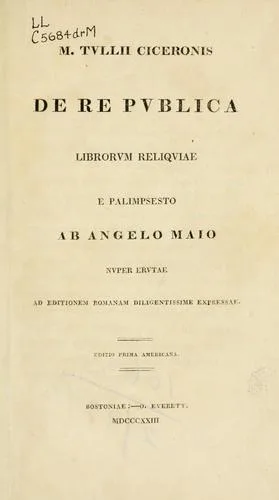
De republica

De republica

by Cicero

Cicero's "De republica" (On the Republic) is a foundational work of Roman political philosophy, written in the form of a dialogue. It explores the ideal state, justice, and the duties of a citizen, drawing heavily from Greek philosophical traditions. While classical Roman thought is distinct from Zen Buddhism, the text's profound inquiry into ethical governance and the pursuit of a virtuous society reflects a universal human desire for order and wisdom. Readers interested in the philosophical underpinnings of societal harmony might find parallels with Zen's emphasis on individual conduct contributing to collective well-being and inner peace.

Living Nonduality

Living Nonduality

by Enlightenment Teachings of Self-Realization by Robert Wolfe

"Living Nonduality" presents enlightenment teachings focused on self-realization, as articulated by Robert Wolfe. This profound work guides readers towards understanding and experiencing nonduality, the fundamental unity of all existence where there is no separation between self and other, or subject and object. This concept is a cornerstone of advanced Zen Buddhism, which emphasizes direct insight into the interconnectedness of all phenomena. The book offers practical insights and philosophical depth for those seeking to transcend dualistic thinking and fully embody the awakened state, making it highly relevant for practitioners on the Zen path.

With the Adepts

With the Adepts

Franz Hartmann's "With the Adepts" is a classic work of esoteric literature that explores the nature of spiritual masters, their wisdom, and the path to higher knowledge. Hartmann, a prominent Theosophist and physician, shares insights into occult philosophy, spiritual development, and the hidden forces at play in the universe. While rooted in Western esotericism, the book's emphasis on inner spiritual discipline and the pursuit of profound wisdom resonates with the Zen Buddhism quest for enlightenment. It offers perspectives on advanced spiritual practices and the realization of one's true potential, aligning with the deeper aspects of meditative paths.

Feats on the Fiord

Feats on the Fiord

by Harriet Martineau (1802-1876)

"Feats on the Fiord" is a captivating novel by Harriet Martineau, a prominent 19th-century British writer and social theorist. Set in a picturesque Norwegian fiord, the story intertwines local folklore, moral dilemmas, and the lives of its characters, offering insights into societal values and human nature of the era. While this work of historical fiction is not connected to Zen Buddhism, its exploration of individual choices, community dynamics, and the pursuit of happiness within a specific cultural context can be appreciated for its broader humanistic themes. It provides a historical lens on ethical considerations, which can indirectly resonate with spiritual self-reflection.

Starpower

Starpower

by Jacqueline Stallone

In "Starpower," Jacqueline Stallone, a renowned astrologer and psychic, delves into the astrological profiles and personal insights of various celebrities. This book, a unique blend of pop culture and cosmic wisdom, offers readers a fascinating look at how planetary influences might shape public figures' destinies and personalities. While not a Zen Buddhist text, its exploration of self-understanding through celestial patterns aligns with the broader esoteric quest for self-knowledge. The book provides a different lens through which to consider one's place in the universe, a contemplation that can complement the introspective journey of Zen practice.

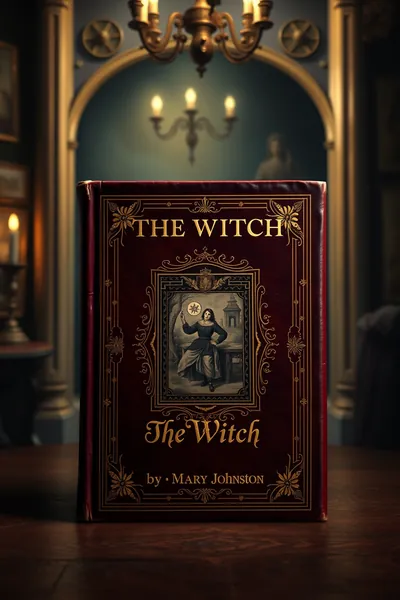
The Witch

The Witch

by Johnston, Mary

This historical novel, first published in 1914, transports readers to 17th-century Scotland amidst the fervent witch trials. Mary Johnston, a prominent American novelist and suffragist, masterfully weaves a tale of fear, superstition, and a woman accused of witchcraft. While not directly about Zen Buddhism, the narrative explores themes of societal judgment, inner strength, and challenging conventional perceptions, which can resonate with the Zen emphasis on direct experience over dogma. It offers a glimpse into historical esoteric beliefs and the human struggle for authenticity in oppressive times, aligning with the broader Esoteric Library's mission to explore diverse spiritual and historical narratives.

Through the Veil

Through the Veil

by Joy / SC Jones, DD

"Through the Veil" is a spiritual text that likely explores concepts of the afterlife, communication with spirits, or insights into dimensions beyond the physical. Often associated with mediumship or spiritualist traditions, such works aim to bridge the gap between the visible and invisible worlds. While distinct from Zen Buddhism's focus on direct experience in the present moment, the book's inquiry into the nature of existence and consciousness beyond ordinary perception can appeal to those with a broader esoteric interest. It offers a perspective on the interconnectedness of realms, a theme that can be contemplated alongside Zen's non-dualistic view of reality.

Divine days

Divine days

by Leon Forrest

Leon Forrest's "Divine Days" is an expansive and ambitious novel that delves into the rich tapestry of African American history, culture, and spirituality through the eyes of its protagonist, Joubert Jones. This epic work is celebrated for its intricate narrative structure and its profound exploration of identity, faith, and the search for meaning. Although not explicitly about Zen Buddhism, the novel's deep spiritual inquiry and its portrayal of characters seeking enlightenment and understanding within their unique cultural context resonate with the universal quest for wisdom found in Zen. It offers a powerful narrative on the journey of self-discovery.

The Sword of Kaigen

The Sword of Kaigen

by M. L. Wang

"The Sword of Kaigen" by M. L. Wang is a highly acclaimed fantasy novel that tells the epic story of a warrior family in a fictional, isolated mountain community. It explores themes of duty, sacrifice, tradition, and the devastating impact of war, through the eyes of its compelling characters. While a work of modern fantasy fiction, the book's deep dive into cultural heritage and individual struggles for purpose can resonate with the introspective aspects of Zen Buddhism. The characters' journeys of self-discovery and their confrontation with profound moral choices offer a rich narrative for contemplating the human spirit and resilience.

Neue Alchemie

Neue Alchemie

by Melanie Bono

Melanie Bono's "Neue Alchemie" (New Alchemy) likely explores modern interpretations or applications of alchemical principles, moving beyond the traditional pursuit of transmuting lead into gold. Alchemy, at its core, represents a process of transformation, purification, and the quest for spiritual perfection. This aligns metaphorically with the Zen Buddhism journey of self-refinement and the shedding of illusions to reveal one's true nature. The book offers a fascinating perspective on how ancient esoteric practices can inform contemporary understanding of personal growth and the evolution of consciousness, making it relevant for those exploring inner transformation.

Pseudo-Zeno

Pseudo-Zeno

by Michael E. Stone

Michael E. Stone's "Pseudo-Zeno" explores philosophical paradoxes and thought experiments, reminiscent of the ancient Greek philosopher Zeno of Elea. This work challenges conventional logic and perception, inviting readers to question the nature of reality and motion. While not a direct Zen Buddhist text, its engagement with paradoxes mirrors the function of Zen koans, which are designed to break through conceptual thinking and lead to direct insight. The book offers a unique intellectual exercise that can prepare the mind for the non-dualistic understanding central to Zen Buddhism, encouraging a deeper, non-linear mode of thought.

The elixir of life

The elixir of life

by Morris Katzen

"The elixir of life" by Morris Katzen likely delves into the ancient alchemical quest for immortality or profound healing, a central theme in many esoteric traditions. The concept of an elixir, capable of granting eternal youth or ultimate wisdom, represents a symbolic pursuit of perfection and transcendence. While distinct from the direct meditative path of Zen Buddhism, the underlying aspiration for transformation and a deeper, more complete state of being aligns with the Zen quest for enlightenment and liberation from suffering. This book offers a fascinating look into the historical and philosophical dimensions of spiritual immortality.

Divine Evil

Divine Evil

by Nora Roberts

"Divine Evil" is a gripping suspense novel by the prolific author Nora Roberts, known for her ability to blend romance with thrilling mystery. This particular title features a detective investigating a series of murders linked to a dark, ritualistic past, uncovering secrets that challenge the boundaries of good and evil. While far from a Zen Buddhism treatise, the narrative's exploration of morality, justice, and the search for truth in the face of profound darkness can be seen as a dramatic reflection of the human condition. It touches upon the internal struggles and external conflicts that, in a different context, might be addressed through spiritual practice.

Atlantida

Atlantida

Pierre Benoit's classic novel "Atlantida" (L'Atlantide), published in 1919, tells the captivating story of two French officers who discover a hidden kingdom in the Sahara Desert, ruled by the enigmatic Queen Antinéa, a descendant of Atlantis. This adventurous tale is rich with themes of ancient civilizations, lost knowledge, and the allure of the unknown. Though distinct from Zen Buddhism, the novel's exploration of profound mysteries and hidden truths can inspire a sense of wonder and a desire for deeper understanding, echoing the Zen pursuit of ultimate reality beyond surface appearances. It's a journey into an esoteric, mystical realm.

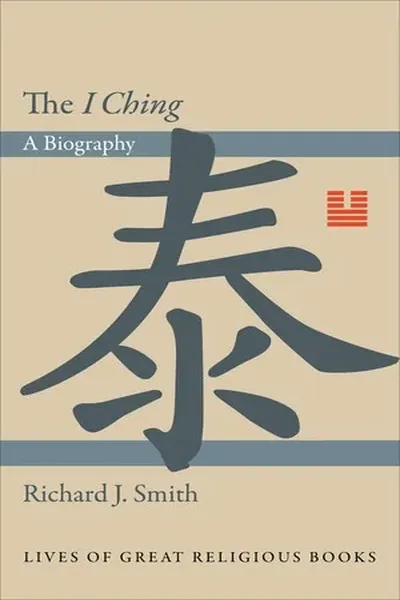
The I Ching

The I Ching

by Richard J. Smith

This edition of "The I Ching," or "Book of Changes," presented by Richard J. Smith, offers a comprehensive exploration of the ancient Chinese divination and wisdom text. Originating over three millennia ago, the I Ching provides guidance through its 64 hexagrams, reflecting the dynamic interplay of yin and yang. While distinct from Zen Buddhism, its emphasis on observing patterns, understanding change, and cultivating intuitive wisdom aligns with Zen principles of mindfulness and direct insight. The I Ching encourages a contemplative approach to life's challenges, fostering a deeper connection to the flow of existence, a concept Zen practitioners also explore.

The Devil's Door

The Devil's Door

by Thuban Etoile ☥

This iteration of "The Devil's Door" by Thuban Etoile ☥ explores the metaphorical gateways to hidden knowledge and the challenges encountered on the spiritual path. Within an esoteric framework, the "Devil's Door" can represent trials, illusions, or the shadow self that must be confronted for true spiritual progress. While not a Zen Buddhism text, its thematic exploration of overcoming internal obstacles and seeking deeper realities aligns with the Zen journey of self-confrontation and transcending dualities to achieve enlightenment. It offers a provocative look at the darker aspects of spiritual transformation.

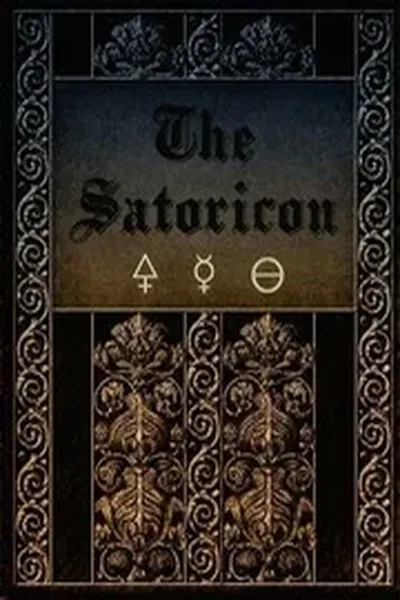
The Satoricon

The Satoricon

by Thuban Etoile ☥

"The Satoricon" by the enigmatic Thuban Etoile ☥ is a profound esoteric text that delves into mystical symbolism, Gnosticism, and Hermetic philosophy. This work explores the deeper meanings behind ancient spiritual traditions and their relevance to personal transformation. While not explicitly a Zen Buddhism text, its focus on awakening to hidden truths and understanding the self beyond conventional perception resonates strongly with the Zen path of enlightenment. Readers seeking to unravel complex spiritual mysteries and embark on an inner journey will find "The Satoricon" a compelling companion in the broader quest for wisdom and self-realization.

The Devil's Door

The Devil's Door

by Thuban Etoile ☥

Another entry of "The Devil's Door" by Thuban Etoile ☥, this work continues its exploration of esoteric symbolism and the arduous journey toward spiritual awakening. The title itself suggests a confrontation with profound challenges and hidden truths, often found at the threshold of deeper understanding. In the context of Zen Buddhism, this can be interpreted as facing one's attachments and illusions, which are often the "devils" that block the path to satori. The book delves into themes of liberation and the courage required to step beyond conventional perceptions, resonating with the rigorous self-inquiry of Zen practice.

The Zen of Love

The Zen of Love

by makes simple this seemingly impossible an

"The Zen of Love" offers a refreshing perspective on cultivating compassion, understanding, and connection in relationships through the lens of Zen Buddhism. This book aims to simplify complex emotional dynamics, guiding readers toward a mindful approach to love, friendship, and self-acceptance. It emphasizes presence, acceptance, and the non-judgmental awareness central to Zen practice, applying these principles to the often-challenging realm of human connection. The text provides practical insights into fostering harmonious relationships and finding inner peace within the context of interpersonal interactions, making Zen principles accessible for daily life.

Esoteric Library
Browse Esoteric Library
📚 All 52,000+ Books 🜍 Alchemy & Hermeticism 🔮 Magic & Ritual 🌙 Witchcraft & Paganism Astrology & Cosmology 🃏 Divination & Tarot 📜 Occult Philosophy ✡️ Kabbalah & Jewish Mysticism 🕉️ Mysticism & Contemplation 🕊️ Theosophy & Anthroposophy 🏛️ Freemasonry & Secret Societies 👻 Spiritualism & Afterlife 📖 Sacred Texts & Gnosticism 👁️ Supernatural & Occult Fiction 🧘 Spiritual Development 📚 Esoteric History & Biography
Esoteric Library
📑 Collections 📤 Upload Your Book
Account
🔑 Sign In Create Account
Info
About Esoteric Library