What is Tibetan Buddhism?
Tibetan Buddhism, also known as Vajrayana, is a form of Mahayana Buddhism that developed in Tibet. It incorporates unique philosophical traditions, practices, and rituals, including tantra, deity yoga, and advanced meditation techniques. Its lineage traces back to the Indian Buddhist traditions that flourished from the 8th century onwards, preserving and evolving these teachings through a rich textual and oral transmission.
Best Books for Complete Beginners
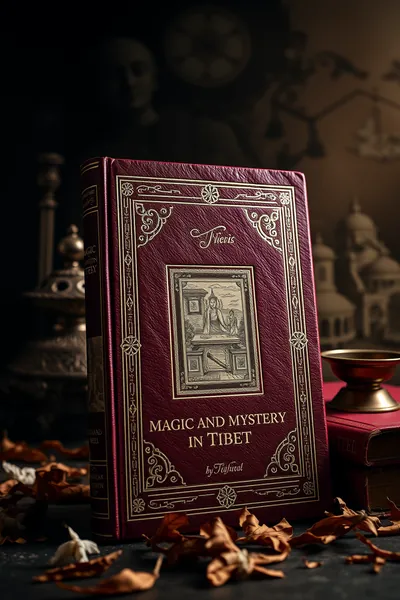
For those new to Tibetan Buddhism, starting with accessible overviews is crucial. Alexandra David Neel's 'Magic & Mystery In Tibet' offers an early, albeit sometimes controversial, ethnographic glimpse into the culture and practices surrounding the religion. Allan R. Bomhard's 'The Tantric Mysticism of Tibet' (2002) provides a more focused introduction to tantric elements. For a modern perspective on core Buddhist concepts as applied in a Tibetan context, Chogyam Trungpa's works, such as those in 'The Collected Works Of Chogyam Trungpa: Volume 3', are highly recommended for their directness.
Intermediate Reading
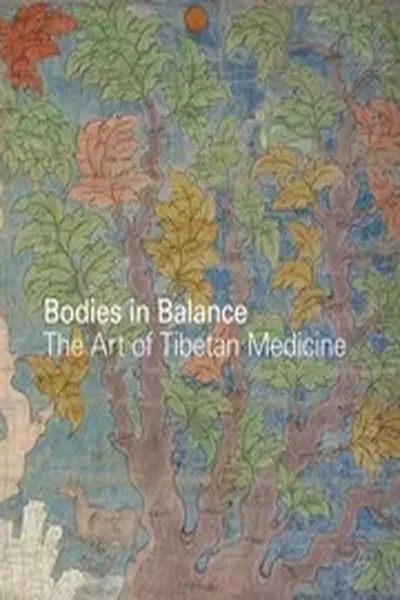
Moving beyond introductory material, intermediate texts delve deeper into specific philosophical and practical aspects. 'The Tantric Mysticism of Tibet' by Blofeld & Bomhard (2002) continues to be a valuable resource for understanding tantric practices. Works exploring the Kalachakra Tantra, such as 'Sex Magic Kalachakra Tantra Highest Initiations Tibetan Buddhism', offer insights into complex initiatory tantric systems, though often requiring careful contextualization. 'Bodies in Balance - The Art of Tibetan Medicine' (2017) provides a crucial link between Buddhist philosophy and its application in healing.
Classical / Advanced Texts
Advanced study often involves engaging with primary sources and more complex tantric teachings. While specific classical Tibetan texts are not detailed in the provided catalog, the nature of Vajrayana suggests that texts focusing on highest initiations and tantric rituals, like those alluded to in 'Kalachakra Tantra Highest Initiations Tibetan Buddhism', represent the more advanced end. Works on Tibetan astrology, such as Philippe Cornu's 'Tibetan astrology', also represent specialized, advanced fields of study within the broader tradition.
Reading Order — Step by Step
Begin with foundational concepts. Month 1: Start with Alexandra David Neel's 'Magic & Mystery In Tibet' for cultural context, followed by 'The Tantric Mysticism of Tibet' by Blofeld & Bomhard (2002) for an introduction to tantric elements. Month 2: Engage with Chogyam Trungpa's 'The Collected Works Of Chogyam Trungpa: Volume 3' to understand core Buddhist principles through a Tibetan lens. Month 3: Explore specialized areas like 'Bodies in Balance - The Art of Tibetan Medicine' (2017) or examine tantric practices through texts discussing the Kalachakra Tantra, understanding the initiatory nature of these teachings.
Frequently Asked Questions
Which Tibetan Buddhism book should I read first?
For a beginner, 'Magic & Mystery In Tibet' by Alexandra David Neel offers an accessible, though dated, introduction to the cultural context. Alternatively, 'The Tantric Mysticism of Tibet' by Blofeld & Bomhard (2002) provides a more direct overview of tantric elements.
What is the difference between Mahayana and Vajrayana?
Mahayana Buddhism emphasizes the Bodhisattva path for all beings. Vajrayana, prevalent in Tibet, is a form of Mahayana that utilizes tantric methods and initiations for accelerated spiritual development.
Are 'Sex Magic' books relevant to Tibetan Buddhism?
Some texts, like 'Sex Magic Kalachakra Tantra Highest Initiations Tibetan Buddhism', explore tantric practices that involve sexuality. These are advanced teachings within Vajrayana, often requiring proper initiation and guidance, and should be approached with scholarly discernment.
What are the core practices in Tibetan Buddhism?
Core practices include meditation (shamatha and vipashyana), deity yoga (visualizing oneself as enlightened beings), mantra recitation, and the study of philosophical texts, all aimed at achieving enlightenment for the benefit of all sentient beings.
How does Tibetan medicine relate to Buddhism?
Tibetan medicine is deeply intertwined with Buddhist philosophy, particularly the understanding of mind and body as interdependent. Texts like 'Bodies in Balance' explore this connection, viewing health as a state of balance influenced by mind, karma, and environment.
Is the Dalai Lama a central figure in all Tibetan Buddhist texts?
The Dalai Lama is the most prominent spiritual leader of Tibetan Buddhism, but not every text focuses on him. Many classical and tantric texts deal with specific lineages, deities, philosophies, or practices independent of his direct commentary.