What is Sufism
Sufism, known as Tasawwuf in Arabic, is the mystical dimension of Islam. It focuses on the inward journey of the soul towards God, emphasizing love, devotion, and the purification of the heart. While rooted in Islamic principles, its practices and expressions, such as meditation, remembrance of God (dhikr), and asceticism, aim for direct spiritual experience and union with the Divine.
Best Books for Complete Beginners
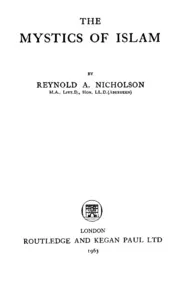
For those new to Sufism, starting with accessible overviews is crucial. Annemarie Schimmel's 'Mystical Dimensions Of Islam' provides a comprehensive yet readable introduction to the breadth of Sufi thought and practice across different cultures. Robert Vansittart's 'The Singing Caravan: A Sufi Tale' offers a narrative approach, illustrating Sufi principles through a story. 'What is Sufism' by Martin Lings offers a concise and direct explanation of its core tenets. Reynold Alleyne Nicholson's 'The Mystics of Islam' is another solid starting point for understanding key figures and concepts.
Intermediate Reading
Building on foundational knowledge, intermediate readers can engage with more specific authors and traditions. 'The Sufi Path Of Love' by William C. Chittick studies the teachings of Rumi, offering deeper insights into his philosophy. Sharaf al-Din Ahmad ibn Yahya Maniri's 'Letters from a Sûfî Teacher' provides direct guidance from a historical Sufi master. J. Spencer Trimingham's 'The Sufi Orders in Islam' examines the organizational structures and historical development of various Sufi brotherhoods, offering a sociological and historical perspective.
Classical / Advanced Texts
Serious students will find value in primary classical sources. 'The Mesnevi' by Jalal al-Din Rumi is a monumental work of didactic poetry central to Sufi tradition. 'The Kashf al-mahjúb: The oldest Persian treatise on Súfiism' by Hujviri is a foundational text on Sufi doctrine and practice. Omar Khayyam's 'The Sufistic Quatrains of Omar Khayyam' and 'The Sufism of the Rubáiyát' explore mystical interpretations of his poetry. Ghazzali's 'The Confessions of Al Ghazzali' offers a profound personal account of spiritual seeking.
Reading Order — Step by Step
Begin with introductory works like Martin Lings' 'What is Sufism' or Annemarie Schimmel's 'Mystical Dimensions Of Islam' for the first two weeks. In Month 2, explore narrative or historical overviews such as Robert Vansittart's 'The Singing Caravan' or Claud Field's 'Mystics and Saints of Islam'. Transition to deeper dives in Month 3 with William C. Chittick's 'The Sufi Path Of Love' or selected quatrains of Omar Khayyam. Advanced study from Month 4 onwards should focus on primary texts like Rumi's 'The Mesnevi' or Hujviri's 'The Kashf al-mahjúb', supplemented by scholarly works on specific orders or historical periods.
Frequently Asked Questions
Which Sufism book should I read first?
For a clear and direct introduction, start with Martin Lings' 'What is Sufism'. If you prefer a broader historical and cultural overview, Annemarie Schimmel's 'Mystical Dimensions Of Islam' is an excellent choice.
What is the difference between Sufism and Sunni/Shia Islam?
Sufism is generally considered the mystical or esoteric dimension of Islam, practiced by individuals across both Sunni and Shia traditions. It focuses on inward spiritual development rather than solely on jurisprudence or political aspects.
Are Rumi's poems religious?
Rumi's poetry is deeply rooted in Islamic mysticism and Sufi philosophy. While often appreciated for their universal themes of love and spirituality, they are inherently expressions of his Sufi path and understanding of the Divine.
What are the main practices in Sufism?
Key practices include Dhikr (remembrance of God), Muraqaba (meditation), contemplation of the Quran, asceticism, and often devotional music and dance (Sama), all aimed at purifying the heart and drawing closer to God.
Is Sufism a separate religion?
No, Sufism is not a separate religion. It is the mystical path within Islam, emphasizing the spiritual and inner dimensions of the faith, practiced by Muslims seeking direct experience of God.
Where can I find primary sources for Sufism?
Primary classical sources include foundational texts like 'The Kashf al-mahjúb' by Hujviri and the vast works of Jalal al-Din Rumi, such as 'The Mesnevi'. Ghazzali's writings also offer profound spiritual insights.
What is a Sufi order (Tariqa)?
A Tariqa is a Sufi order or brotherhood, a lineage of spiritual masters and disciples following a particular path, set of practices, and teachings, such as the Naqshbandi or Chishti orders.