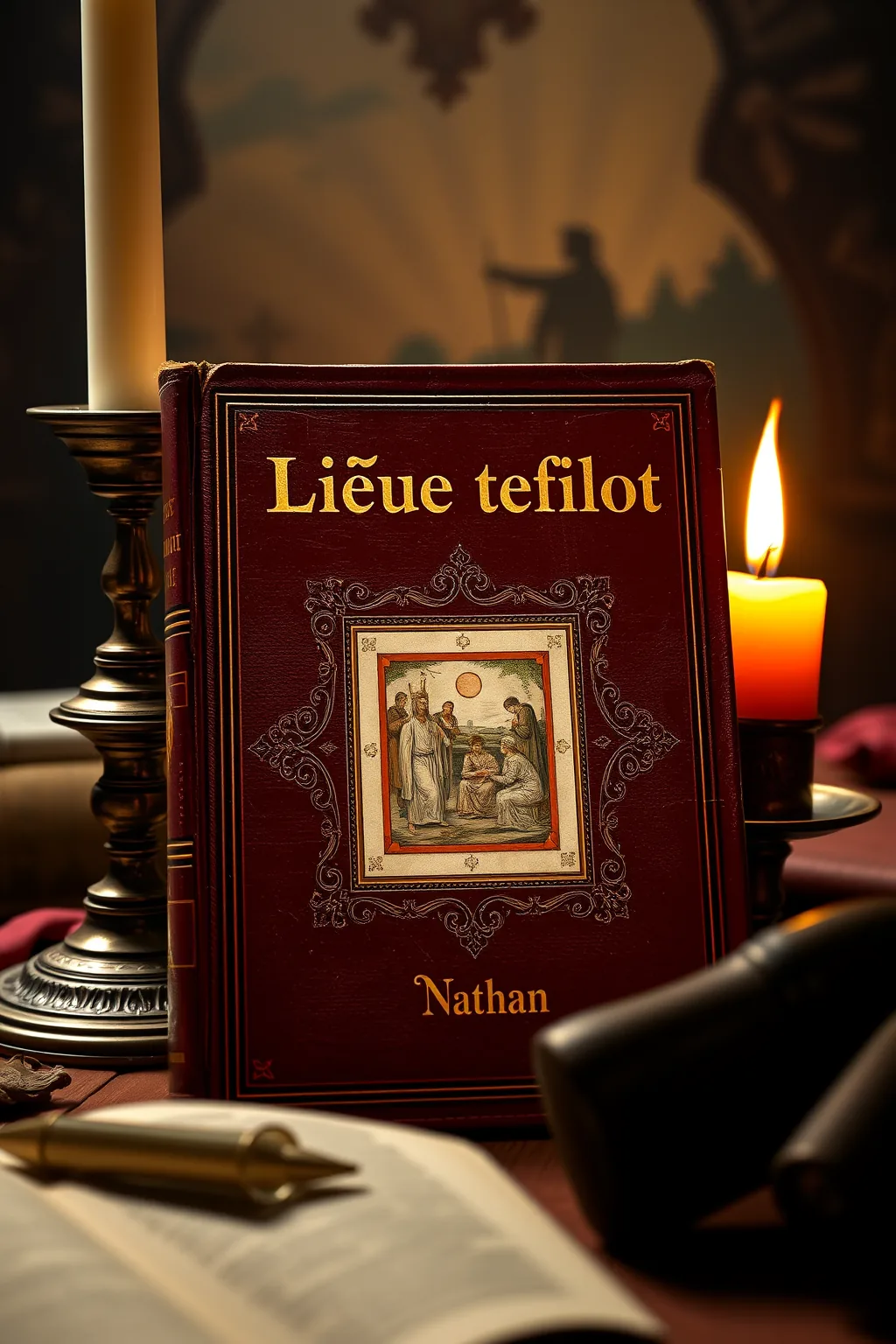
Liḳuṭe tefilot
 63
63

Liḳuṭe tefilot

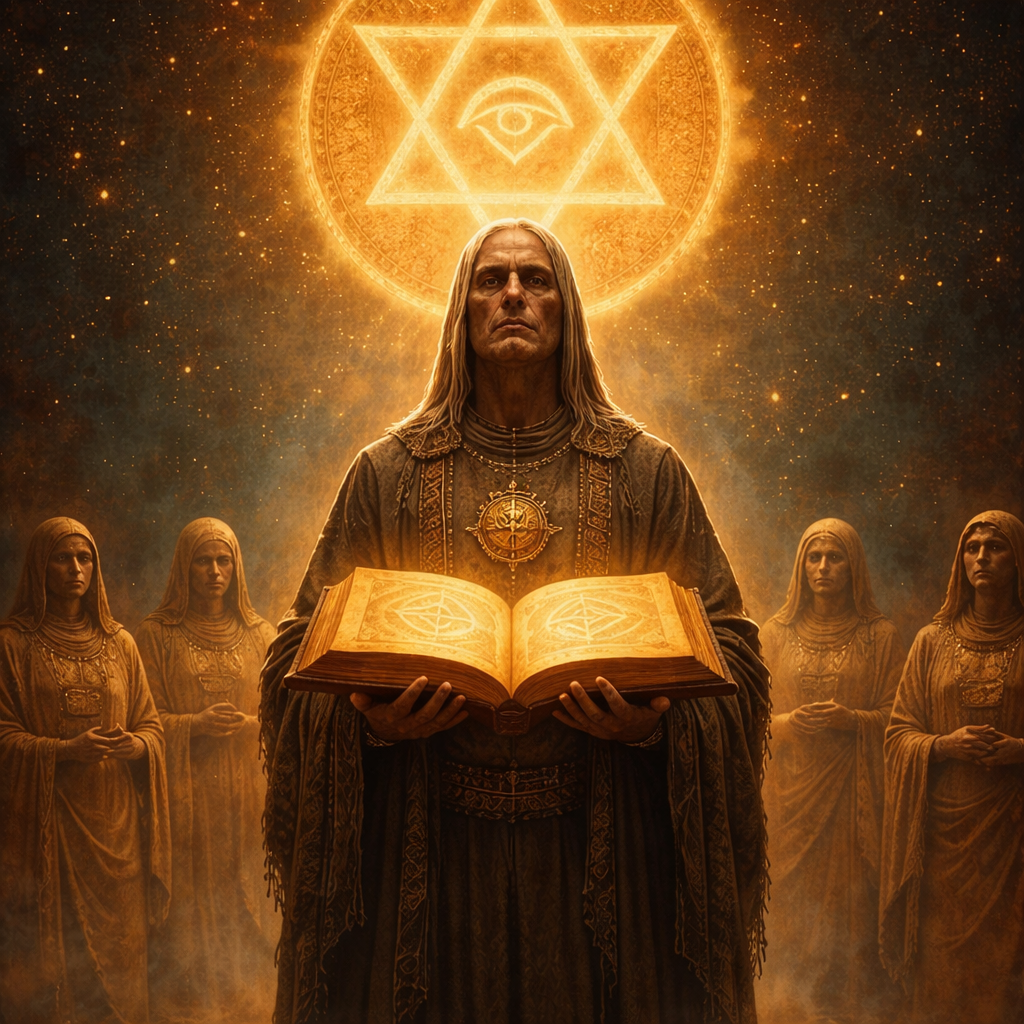

Isolde Whitaker (Sacred Texts Editor) — Liḳuṭe Tefilot stands as a luminous beacon within the realm of Kabbalah and Jewish mysticism. Rabbi Nathan Sternharz, channeling the profound spiritual legacy of Rabbi Nachman of Breslov, presents a collection of prayers that transcend rote recitation, instead acting as keys to unlocking inner spiritual states. The work’s strength lies in its direct, unvarnished approach to communion with the Divine, offering practical guidance for seekers of all levels. For those drawn to the esoteric depths of Hasidic thought, this book provides an invaluable resource for cultivating a more intimate and meaningful prayer life, revealing the hidden currents of divine energy that flow through the universe.
📝 Description
63
Rabbi Nathan Sternharz compiled Liḳuṭe Tefilot, a collection of prayers echoing Rabbi Nachman of Breslov's teachings, in the early 19th century.
Liḳuṭe Tefilot, compiled by Rabbi Nathan Sternharz, presents prayers drawn from the teachings of Rabbi Nachman of Breslov. This work aims to connect the reader to the divine through sincere prayer and contemplation, reflecting the specific Hasidic tradition of Breslov. The prayers encourage a focus on inner truth and spiritual growth, suggesting that even everyday life holds hidden spiritual dimensions.
Sternharz's compilation is intended for those seeking deeper spiritual understanding within Judaism. It frames prayer not just as recitation but as a dynamic practice that can transform the individual. The book points to the symbolic meanings within religious observance and the presence of the divine in the ordinary. Readers will find discussions on the power of faith and earnest supplication to reveal sacredness.
The text itself is a practical guide, offering specific prayers and meditations. It is rooted in the Breslov emphasis on hitbodedut (secluded meditation and personal prayer) and the importance of cleaving to a righteous teacher. The prayers are designed to help the individual overcome spiritual obstacles and achieve greater closeness to God.
This collection sits within the Breslov Hasidic tradition, a branch of Hasidism founded by Rabbi Nachman of Breslov. Breslov teachings often emphasize the direct, personal experience of God, particularly through prayer and meditation. Rabbi Nathan Sternharz, a devoted follower of Rabbi Nachman, compiled these prayers to make the master's spiritual insights more accessible. The work reflects Breslov's focus on the 'inner dimension' of religious observance and the idea that profound spiritual truths are embedded within everyday life and simple acts of devotion.
💡 Why Read This Book?
Uncover the direct spiritual teachings of Rabbi Nachman of Breslov through the heartfelt prayers of his devoted student. Liḳuṭe Tefilot offers a unique path to understanding Kabbalistic concepts and deepening your personal connection with the Divine. Ideal for spiritual seekers, scholars of Jewish mysticism, and practitioners seeking profound devotional practices.
⭐ Reader Reviews
Honest opinions from readers who have explored this book.
❓ Frequently Asked Questions
What is the primary focus of Liḳuṭe Tefilot?
The primary focus is on developing a deep, heartfelt connection with God through sincere prayer, drawing heavily on the mystical teachings of Rabbi Nachman of Breslov and emphasizing the transformative power of personal supplication.
Who was Rabbi Nathan Sternharz?
Rabbi Nathan Sternharz (Natan Sternhartz) was the principal scribe and devoted disciple of Rabbi Nachman of Breslov, meticulously recording and disseminating his teachings. He is considered a central figure in the transmission of Breslov Hasidism.
Is this book suitable for beginners in Kabbalah?
While deeply esoteric, the focus on sincere prayer makes it accessible. Beginners can approach it with an open heart, gradually understanding the deeper layers of meaning as they engage with the prayers.
What is the significance of the Hebrew text in relation to the English?
The original Hebrew prayers are the heart of the work. The English translation aims to convey the profound spiritual and mystical nuances, allowing a wider audience to access these sacred expressions of devotion.
How does Liḳuṭe Tefilot differ from standard prayer books?
Unlike standard prayer books, Liḳuṭe Tefilot is deeply infused with the specific spiritual philosophy and mystical insights of Rabbi Nachman of Breslov, focusing on personal connection, introspection, and the spiritual journey.
🔮 Key Themes & Symbolism
The Art of Sincere Prayer
This theme explores prayer not as a ritualistic obligation, but as a dynamic, intimate conversation with the Divine. Liḳuṭe Tefilot guides the reader toward expressing their deepest feelings, desires, and struggles authentically, recognizing that God yearns for genuine connection. It emphasizes the power of 'hitbodedut' (secluded meditation and personal prayer) as a means to uncover hidden truths and achieve spiritual clarity, transforming the act of supplication into a profound journey of self-discovery and divine encounter.
Kabbalistic Unfolding of the Soul
Within the framework of Breslov Hasidism, this theme looks at the esoteric architecture of the soul and its path toward emanation and rectification. The prayers serve as tools to read through the spiritual realms, understand the divine attributes (Sefirot), and mend the fractured vessels of existence. It illuminates how the inner world of the individual mirrors the macrocosm, and how sincere prayer can initiate processes of spiritual healing and cosmic harmony, revealing the interconnectedness of all creation.
Finding the Divine in the Mundane
A core part of Rabbi Nachman's teachings, this theme highlights the omnipresence of God and the sacred potential embedded within everyday life. Liḳuṭe Tefilot encourages readers to perceive the divine spark in all experiences, from simple acts to profound challenges. The prayers offer a lens through which to transform ordinary moments into opportunities for spiritual growth and divine communion, demonstrating that true devotion is not confined to sacred spaces but can be cultivated wherever one finds themselves.
💬 Memorable Quotes
Direct passages from the work, attributed to the author.
“My prayer is my essence.”
— This profound statement underscores the idea that sincere prayer is not an external act, but an intrinsic expression of one's deepest spiritual identity and connection to the Divine.
“In every moment, a new gate opens.”
— This encourages constant spiritual vigilance and openness, suggesting that opportunities for divine connection and revelation are perpetually available, requiring attentiveness to seize them.
“The heart is the true sanctuary.”
— This highlights the internal nature of true worship, directing focus away from external structures towards the inner spiritual landscape as the primary locus of divine communion.
“Joy is a commandment and a path.”
— This emphasizes the active pursuit of joy as a spiritual imperative, not merely an emotional state, but a deliberate practice that facilitates closeness to God and spiritual well-being.
💡 Key Ideas
Editorial paraphrase of the work's core concepts — not direct quotes.
To speak to God is to begin healing.
This quote emphasizes the therapeutic and restorative power of direct communication with the Divine, suggesting that the act of prayer itself initiates a process of spiritual and emotional repair.
🌙 Esoteric Significance
Tradition
This work is deeply rooted in the Breslov Hasidic tradition, a branch of Hasidic Judaism founded by Rabbi Nachman of Breslov. Esoterically, it represents a practical application of Kabbalistic principles, focusing on the direct, personal experience of the Divine through prayer and contemplation. It emphasizes the immanence of God in all things and the power of the individual's will to connect with the divine source, drawing from the mystical interpretations of the Torah and Jewish tradition.
Symbolism
Liḳuṭe Tefilot is rich with symbolic language that alludes to the hidden structures of the cosmos and the soul. Concepts like 'teshuvah' (repentance) symbolize a spiritual return and rectification, while 'emunah' (faith) represents the inner light that guides through darkness. The prayers themselves act as symbolic keys, unlocking spiritual gateways and facilitating the ascent of the soul through various levels of consciousness, reflecting the Kabbalistic understanding of divine emanations and the interconnectedness of all existence.
Modern Relevance
In an era often characterized by disconnection and spiritual searching, Liḳuṭe Tefilot offers a powerful and relevant guide to cultivating inner peace and finding meaning. Its emphasis on authentic prayer, personal introspection, and finding joy in the present moment provides timeless wisdom for reading through the complexities of modern life. The book empowers individuals to forge a direct relationship with the Divine, fostering resilience, hope, and a profound sense of spiritual purpose amidst contemporary challenges.
👥 Who Should Read This Book
Liḳuṭe Tefilot is a treasure for a diverse range of readers. For beginners in Jewish mysticism, it offers an accessible yet profound entry point into the world of Kabbalah through the practice of prayer. Scholars will find an invaluable primary source for understanding the core tenets of Breslov Hasidism and its unique approach to spiritual development. Dedicated seekers and practitioners will discover a rich compendium of devotional tools designed to deepen their connection with God, foster introspection, and cultivate spiritual joy. It is a book for anyone yearning for a more authentic and transformative spiritual life.
📜 Historical Context
Liḳuṭe Tefilot emerged from the vibrant spiritual milieu of 19th-century Eastern Europe, a period marked by the flourishing of Hasidism and a profound engagement with Kabbalistic thought. Rabbi Nathan Sternharz, a devoted follower of Rabbi Nachman of Breslov, compiled these prayers based on his master's teachings, preserving a unique lineage of spiritual practice. The era was characterized by a deep yearning for authentic spiritual connection amidst societal changes and challenges. Rabbi Nachman's philosophy, with its emphasis on personal faith, simple piety, and the transformative power of prayer and joy, resonated deeply with those seeking solace and spiritual direction. This work stands as a proof of the enduring power of Hasidic thought and its ability to offer useful insights into the human spiritual journey, continuing to influence seekers centuries later.
📔 Journal Prompts
Reflect on a time when your prayer felt most sincere and what made it so. How can you cultivate that sincerity more regularly?
Consider the concept of 'joy as a commandment.' How does actively pursuing joy impact your spiritual practice and your connection to the Divine?
Identify a 'mundane' aspect of your daily life that you can reframe as an opportunity for divine connection. How can you infuse it with sacredness?
Meditate on the idea that 'the heart is the true sanctuary.' What does this mean for your understanding of worship and devotion?
How can the act of 'speaking to God' serve as a form of healing in your life, both emotionally and spiritually?
🗂️ Glossary
Tefilot
Hebrew for 'prayers.' In this context, it refers to the collection of devotional supplications that form the core of the work, emphasizing heartfelt communion with God.
Kabbalah
The esoteric system of Jewish mysticism that explores the nature of God, the creation of the universe, and the spiritual path to divine union. It utilizes symbolic interpretation of religious texts.
Hasidism
A Jewish religious movement founded in 18th-century Eastern Europe, emphasizing spiritual devotion, mysticism, and the joyful service of God through an ecstatic and personal relationship.
Hitbodedut
A Hebrew term used in Breslov Hasidism to describe the practice of secluded meditation and spontaneous, personal prayer, speaking to God in one's own language.
Sefirot
In Kabbalah, the ten divine attributes or emanations through which God is revealed and interacts with the world. They form a symbolic map of divine consciousness.
This book appears in 1 collection
🔮 Readers Also Liked
Browse all →









From the “Kabbalah” Collection
View all →









More Free Kabbalah & Jewish Mysticism Books
View all →