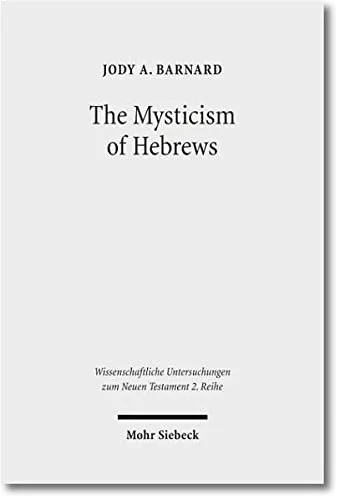
Rabbinical literature: or, the traditions of the Jews, contained in their Talmud and other mystical writings. Likewise the opinions of that people concerning Messiah, and the time and manner of His appearing; with an appendix, comprizing Buxtorf's account of the religious customs and ceremonies of that nation. Also, A preliminary enquiry into the origin, progress, authority, and usefulness of these traditions; wherein the sense of the strange allegories in the Talmud and Jewish authors is explained

 62
62

Rabbinical literature: or, the traditions of the Jews, contained in their Talmud and other mystical writings. Likewise the opinions of that people concerning Messiah, and the time and manner of His appearing; with an appendix, comprizing Buxtorf's account of the religious customs and ceremonies of that nation. Also, A preliminary enquiry into the origin, progress, authority, and usefulness of these traditions; wherein the sense of the strange allegories in the Talmud and Jewish authors is explained

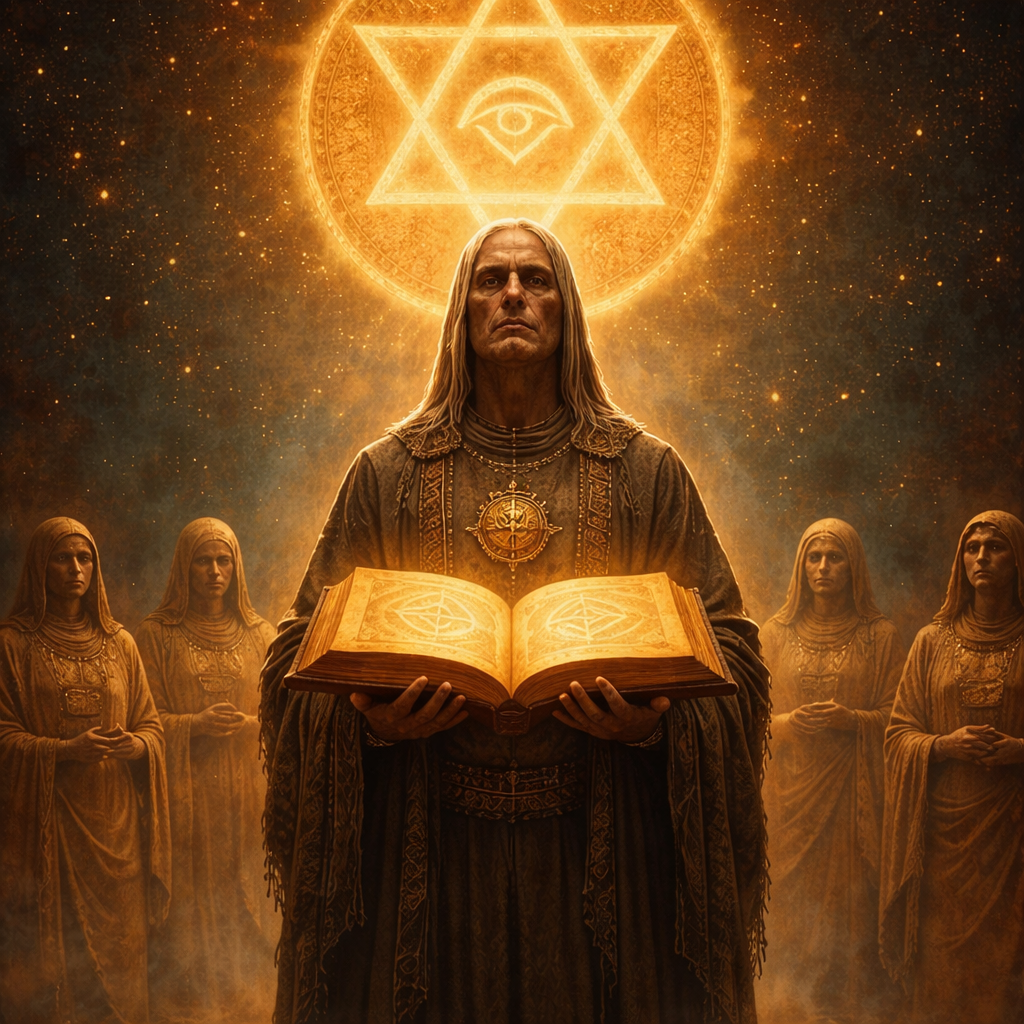

Johann Andreas Eisenmenger's 'Rabbinical Literature' stands as a monumental achievement in the study of Jewish mystical traditions. This meticulously researched volume offers an unparalleled glimpse into the esoteric heart of the Talmud and other sacred writings. Eisenmenger's profound understanding allows him to demystify the complex allegories and symbolic language, revealing the profound philosophical underpinnings of Jewish thought regarding the Messiah and divine revelation. For scholars of Kabbalah, comparative religion, and esoteric studies, this work is an indispensable resource. Its strength lies in its comprehensive scope and its authoritative, yet accessible, explication of complex theological and mystical concepts. It is an essential read for anyone dedicated to understanding the rich tapestry of Jewish spiritual heritage.
📝 Description
62
Johann Andreas Eisenmenger's 1700 work meticulously details Jewish mystical traditions and Messianic beliefs.
Published in 1700, Johann Andreas Eisenmenger's 'Rabbinical Literature' examines the traditions found within the Talmud and other Jewish mystical writings. Eisenmenger attempts to map the symbolic narratives and allegorical structures that inform Jewish understanding. The book covers Kabbalistic ideas, collective memory within the Jewish community, and interpretations of Messianic prophecies concerning the Messiah's arrival. It also includes an appendix with Buxtorf's description of Jewish religious customs and a preliminary study on the use and importance of these traditions.
This work serves as a detailed compilation of the author's research into Jewish religious and mystical texts. Eisenmenger's approach aims to present the content of these traditions, alongside his critical examination of their nature and purpose. The book is intended for readers interested in the specific contents of Jewish mystical literature and the historical context of its study.
Eisenmenger's text engages with Jewish mystical traditions, particularly those associated with Kabbalah, as documented in the Talmud and other writings. This period saw a growing European interest in Hebrew mysticism, often viewed through a lens of Christian Hebraism or as a source of hidden knowledge. The book's detailed examination of these traditions, including their interpretations of the Messiah, places it within the broader context of early modern scholarly attempts to understand and categorize esoteric religious thought.
💡 Why Read This Book?
Unravel the profound symbolism and hidden wisdom within Jewish mystical traditions. Explore the intricate philosophy of the Talmud and its esoteric interpretations. Gain deep insights into Jewish Messianic expectations and their cultural significance. This book is essential for seekers of ancient knowledge, scholars of Kabbalah, and anyone fascinated by the spiritual heritage of the Jewish people.
⭐ Reader Reviews
Honest opinions from readers who have explored this book.
❓ Frequently Asked Questions
What is the primary focus of Eisenmenger's 'Rabbinical Literature'?
The book primarily focuses on the mystical and esoteric traditions of Judaism, as found within the Talmud and other related sacred writings, offering interpretations of their symbolism and theological concepts.
Does the book explain the allegorical language of the Talmud?
Yes, Eisenmenger provides a preliminary inquiry into the origin, progress, authority, and usefulness of these traditions, specifically explaining the sense of the strange allegories found in the Talmud and other Jewish authors.
What is covered in the appendix?
The appendix includes Buxtorf's detailed account of the religious customs and ceremonies of the Jewish nation, offering practical context to the theoretical discussions within the main text.
Who would benefit most from reading this book?
Scholars of Kabbalah, comparative religion, Jewish studies, and individuals with a keen interest in esoteric philosophy and ancient mystical traditions will find this book invaluable.
Is this book a primary source for Kabbalistic texts?
While it analyzes and discusses primary Rabbinical texts, Eisenmenger's work is a secondary analysis and commentary, offering interpretations and explanations of these sources rather than being a direct compilation of Kabbalistic texts themselves.
🔮 Key Themes & Symbolism
The Esoteric Heart of the Talmud
This theme studies the hidden layers of meaning within the Talmud, moving beyond its legalistic and narrative surface to reveal the profound mystical and allegorical underpinnings that have shaped Jewish spirituality for centuries. Eisenmenger meticulously unpacks the symbolic language and philosophical concepts, inviting readers to perceive the divine through the intricate range of ancient Rabbinical discourse. It explores how these traditions offer a unique lens through which to understand the cosmos, human existence, and the unfolding of divine will, making the Talmud a living source of esoteric wisdom.
Messianic Expectations and Divine Revelation
A central pillar of this work is the exploration of Jewish perspectives on the Messiah, including detailed discussions on the anticipated time and manner of His appearing. Eisenmenger scrutinizes Rabbinical literature to illuminate the diverse and often complex interpretations of prophecy, divine intervention, and the ultimate redemption. This theme examines the spiritual longing and theological frameworks that underpin these expectations, offering a profound understanding of the Jewish people's enduring hope for a transformative era and the nature of God's relationship with humanity.
The Authority and Utility of Oral Tradition
Eisenmenger's preliminary inquiry critically examines the origin, progress, authority, and profound usefulness of the oral and written traditions within Judaism. This theme addresses how these traditions, often expressed through allegory and symbolism, serve as a vital conduit for transmitting spiritual knowledge and guiding the faithful. It discusses the challenges and rewards of interpreting these ancient texts, asserting their enduring relevance and their capacity to illuminate the path of spiritual development for both individuals and the collective Jewish community.
💬 Memorable Quotes
Direct passages from the work, attributed to the author.
“The allegories in Jewish writings are not mere fables, but keys to unlocking divine mysteries.”
— This emphasizes that the symbolic narratives within Jewish texts are deliberate tools for conveying spiritual truths and esoteric understanding, acting as guides to higher areas of consciousness.
“The coming of Messiah is not merely an event, but a process woven into the fabric of time and prophecy.”
— This suggests that the Messianic advent is understood within Jewish tradition as a complex unfolding, deeply embedded in historical progression and divine foretelling.
“Tradition, when rightly understood, serves as a luminous lamp for the soul's journey.”
— This posits that the adherence to and proper interpretation of Jewish traditions provides essential spiritual guidance and illumination for personal spiritual growth and understanding.
“The opinions of the people concerning the Messiah reveal a collective yearning for divine order and transformation.”
— This points to the Messianic concept as a reflection of a deeply ingrained communal desire for spiritual renewal, justice, and a fundamental shift in the world's condition.
💡 Key Ideas
Editorial paraphrase of the work's core concepts — not direct quotes.
The Talmud, a veritable ocean of wisdom, conceals within its depths currents of profound mystical significance.
This quote highlights the dual nature of the Talmud, presenting it as both a vast repository of knowledge and a source of hidden, esoteric meaning that requires deep exploration to uncover.
🌙 Esoteric Significance
Tradition
This work is fundamentally rooted in the esoteric traditions of Kabbalah and Rabbinical mysticism. It explores the concept of 'Ein Sof' (the Infinite), the emanations of the Sefirot, the mystical interpretations of the Torah, and the symbolic language used to describe the divine realms and their connection to the material world. Eisenmenger attempts to clarify these intricate concepts for a broader audience, revealing the spiritual architecture and cosmological frameworks central to Jewish esoteric thought.
Symbolism
The book meticulously examines the detailed symbolism inherent in Rabbinical literature. Key symbols include the Tree of Life, the divine names, the letters of the Hebrew alphabet as mystical entities, and the allegorical interpretations of biblical narratives. Eisenmenger elucidates how these symbols function not merely as decorative elements but as profound conveyors of spiritual knowledge, intended to facilitate a deeper understanding of God, creation, and the human soul's journey toward divine union.
Modern Relevance
In contemporary esoteric studies, Eisenmenger's work remains a valuable, albeit dated, resource for understanding historical Christian interpretations of Jewish mysticism and for accessing early scholarly attempts to systematize Kabbalistic concepts. While modern scholarship offers more nuanced and indigenous perspectives, this book provides crucial context for the historical reception and academic study of Jewish esoteric traditions, offering insights into how these profound teachings were perceived and analyzed by outsiders in previous centuries.
👥 Who Should Read This Book
This key work is essential for scholars and students of Kabbalah, Jewish mysticism, and comparative religion seeking a foundational understanding of Rabbinical esoteric thought. Dedicated practitioners of spiritual disciplines interested in the roots of contemplative traditions will find it informative. For general readers fascinated by the intersection of faith, philosophy, and hidden knowledge, 'Rabbinical Literature' offers a profound and enriching journey into one of the world's most ancient and influential mystical traditions. Beginners may find it dense but rewarding with dedicated study, while advanced researchers will appreciate its comprehensive scope and historical significance.
📜 Historical Context
Published in the early 18th century, Johann Andreas Eisenmenger's "Rabbinical Literature" emerged during a period of intense scholarly interest and, at times, polemical engagement with Jewish texts and traditions in Christian Europe. The Enlightenment was beginning to cast its light, yet traditional religious frameworks remained dominant, fostering both deep theological study and considerable misunderstanding. Eisenmenger, a Christian scholar, aimed to provide a comprehensive exposition of Jewish thought, particularly its mystical dimensions, which were often viewed with a mixture of fascination and suspicion. His work reflects the era's drive to categorize and understand different religious systems, often through a lens of comparative theology. The inclusion of Buxtorf's appendix also situates the work within a lineage of significant scholarly efforts to document and interpret Jewish life and practice, albeit from an external perspective.
📔 Journal Prompts
Reflect on a particularly striking allegory from the Talmud as explained by Eisenmenger. What deeper spiritual truth does it seem to convey?
Consider Eisenmenger's interpretation of Messianic prophecies. How do these expectations resonate with or differ from contemporary concepts of redemption?
How does the concept of hidden knowledge, as presented in Rabbinical literature, influence your own spiritual or philosophical journey?
Analyze the role of symbolism in conveying spiritual truths. How can symbols act as bridges between the material and the divine?
Given the historical context of this work, what are the challenges and ethical considerations when studying the religious traditions of another culture or faith?
🗂️ Glossary
Talmud
A central text of Rabbinical Judaism, comprising legal discussions, ethical teachings, folklore, and philosophical insights compiled over centuries, serving as a central to Jewish religious law and tradition.
Kabbalah
The esoteric tradition of Jewish mysticism, focused on understanding the divine nature, the creation of the universe, and the spiritual relationship between God and humanity, often employing symbolic interpretations of the Torah.
Messiah
In Jewish tradition, a divinely appointed leader or redeemer, expected to bring about an era of peace, justice, and universal knowledge, often associated with a lineage from King David.
Allegory
A story, poem, or picture that can be interpreted to reveal a hidden meaning, typically a moral or political one, used extensively in religious and mystical texts to convey spiritual truths.
Buxtorf
Refers to Johannes Buxtorf (senior and junior), influential Swiss Protestant Hebraists whose scholarly works on Hebrew language and Jewish customs were significant in Christian academic circles of the time.
This book appears in 1 collection
🔮 Readers Also Liked
Browse all →








More by Johann Andreas Eisenmenger
All books →
From the “Kabbalah” Collection
View all →







More Free Kabbalah & Jewish Mysticism Books
View all →