Soul of the Torah

 61
61

Soul of the Torah

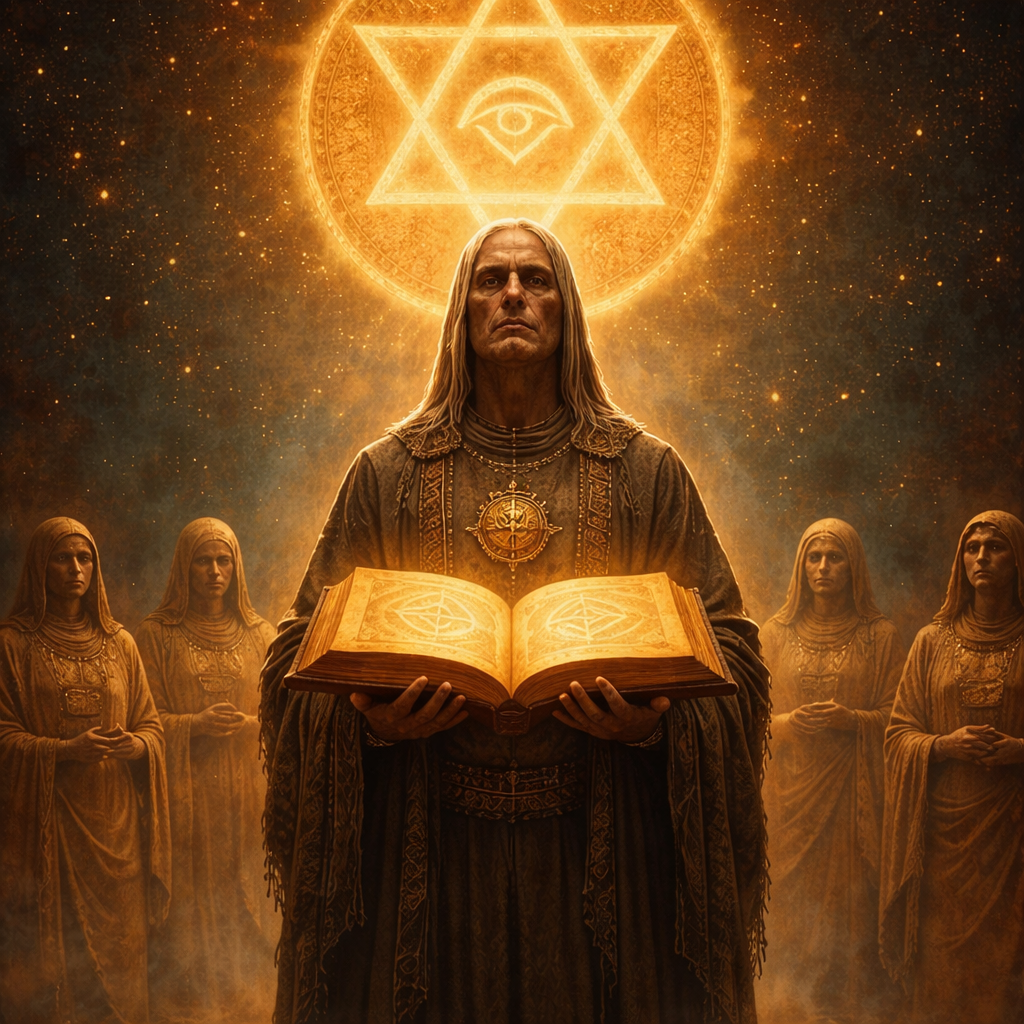

By Balthazar Finch (Senior Critic, Occult Philosophy) — Dov Grant's "Soul of the Torah" is a rare gem, a meticulously crafted gateway into the profound mystical underpinnings of Jewish tradition. Grant's scholarship is both deep and accessible, unfurling the esoteric layers of the Torah with remarkable clarity. He masterfully synthesizes the wisdom of Kabbalah, particularly the teachings of Rabbi Nachman of Bratslav, presenting complex concepts with an elegant lucidity that will resonate deeply with students of the occult and seekers of hidden knowledge. This is not a superficial treatment; it is an invitation to profound contemplation, offering illuminating insights into the divine architecture of creation. Essential reading for anyone interested in the mystical dimensions of Abrahamic faiths and the universal quest for spiritual truth.
📝 Description
61
Dov Grant's 'Soul of the Torah' (2023) unlocks the esoteric heart of Jewish mysticism.
Dov Grant's "Soul of the Torah" examines the hidden spiritual dimensions within the Torah. It presents the divine text not only as a historical or legal record but as a channel for divine connection. Grant draws on Kabbalistic thought, with a specific focus on Bratslav Hasidism, to show how each verse and word reflects a larger spiritual reality. The book aims to help readers achieve a deeper understanding of their spiritual heritage.
The work guides readers through veiled meanings and ancient concepts. It highlights the transformative potential of divine insight, presenting a philosophical and spiritual exploration. "Soul of the Torah" is intended for those seeking a more resonant connection with the foundational wisdom of existence.
This book sits within the tradition of Jewish mysticism, particularly Kabbalah, which seeks to understand the hidden nature of God and the universe. Grant specifically engages with the teachings of Bratslav Hasidism, a Hasidic movement known for its emphasis on personal devotion, connection to the divine through simple prayer, and interpretation of Torah through the lens of spiritual insight. The work explores how these mystical traditions reveal deeper layers of meaning in the Torah beyond its literal sense, focusing on spiritual energies and symbolic connections.
💡 Why Read This Book?
Uncover the hidden spiritual architecture of the Torah, revealing its mystical essence beyond literal interpretation. Explore the vibrant teachings of Bratslav Hasidism and their profound connection to Jewish law. This book is ideal for seekers of esoteric wisdom, scholars of comparative mysticism, and practitioners of Jewish spiritual disciplines who wish to deepen their understanding and connection to the Divine.
⭐ Reader Reviews
Honest opinions from readers who have explored this book.
❓ Frequently Asked Questions
What is the primary focus of "Soul of the Torah"?
The book's primary focus is on unlocking the hidden, esoteric, and mystical dimensions of the Torah, viewing it as a profound spiritual text filled with divine symbolism and cosmic secrets.
Which specific mystical tradition is prominently featured?
The work prominently features the teachings and spiritual insights of Bratslav Hasidism, a significant branch of Jewish mysticism known for its emphasis on joy and direct connection to God.
Who is the intended audience for this book?
The book is intended for individuals interested in Jewish mysticism, Kabbalah, spiritual seekers, scholars of religion, and anyone looking for a deeper, esoteric understanding of the Torah.
Does the book require prior knowledge of Kabbalah?
While prior knowledge can enhance the experience, Dov Grant's accessible writing style makes the profound concepts of Kabbalah and Jewish mysticism approachable for both beginners and seasoned practitioners.
What kind of insights can readers expect to gain?
Readers can expect to gain insights into the soul of the Torah, its symbolic language, the nature of divine consciousness, and practical approaches to spiritual growth within a Jewish framework.
🔮 Key Themes & Symbolism
The Torah as a Living Organism of Divine Wisdom
This theme explores the concept of the Torah not as a static text, but as a vibrant, interconnected spiritual organism pulsating with divine energy and hidden wisdom. Dov Grant illuminates how each letter, word, and verse serves as a gateway to deeper levels of understanding, revealing the underlying spiritual blueprint of creation. Readers will discover how the Torah's narratives and commandments are imbued with profound symbolic meaning, offering a path to direct communion with the Divine and a blueprint for spiritual transformation.
Bratslav Hasidism: The Path of Joyful Ascent
The book meticulously examines the unique spiritual path of Bratslav Hasidism, particularly the teachings of Rabbi Nachman. This theme studies the emphasis on finding divine presence in every moment, the transformative power of joy, and the practice of "hitbodedut" (secluded prayer). Grant shows how these principles offer a practical and deeply personal approach to experiencing the "Soul of the Torah," enabling seekers to connect with God amidst the complexities of daily life and find spiritual elevation through sincere devotion.
The Interplay of Mysticism and Jewish Law
This crucial theme investigates the harmonious integration of esoteric mystical insights with the practical observance of Jewish law (Halakha). Dov Grant demonstrates that the "Soul of the Torah" is not separate from its outward expression in mitzvot (commandments), but rather, the observance of law becomes a vessel for embodying divine consciousness. Readers will learn how engaging with Jewish practice through a mystical lens can elevate everyday actions into sacred encounters, bridging the gap between the material and the spiritual realms.
💬 Memorable Quotes
Direct passages from the work, attributed to the author.
“Within each letter lies a universe waiting to be discovered.”
— Emphasizes the infinite depth and symbolic richness inherent in the smallest components of the Torah, inviting diligent study and contemplation to reveal its hidden secrets.
“Joy is the key that unlocks the gates of heaven.”
— Highlights the Bratslavian emphasis on maintaining a joyful spirit as an essential practice for spiritual connection and attaining higher states of consciousness.
“The commandments are vessels for Divine light.”
— Illustrates how the observance of Jewish law is not merely ritualistic, but a sacred means to channel and contain the informative presence of God in the world.
“Seek the hidden soul, and the body will follow.”
— Encourages a focus on the spiritual essence and inner meaning, suggesting that true understanding and transformation begin with grasping the profound inner realities.
💡 Key Ideas
Editorial paraphrase of the work's core concepts — not direct quotes.
The Torah is the breath of God made manifest.
This quote suggests that the Torah is not merely a human-authored text, but a direct emanation of the Divine, carrying the very life force and essence of the Creator.
🌙 Esoteric Significance
Tradition
This work is firmly rooted in the Kabbalistic and Hasidic traditions of Jewish mysticism. It explores the Sefirot, the Tree of Life, gematria, and other core Kabbalistic concepts, but filters them through the lens of Bratslav Hasidism's emphasis on immanence, joy, and the direct experience of God. It offers a unique synthesis, presenting ancient esoteric knowledge in a way that is both intellectually rigorous and spiritually uplifting for the modern seeker.
Symbolism
The book unpacks the profound symbolism inherent in the Torah, viewing its narratives, laws, and even its letters as multi-layered expressions of divine reality. Key symbols explored include the cosmic significance of creation stories, the spiritual implications of divine commandments, and the hidden meanings within Hebrew letters and names. Grant reveals how these symbols act as a divine language, guiding the practitioner towards a deeper understanding of the soul, the universe, and the Creator.
Modern Relevance
In an age often characterized by spiritual searching and a disconnect from ancient traditions, "Soul of the Torah" offers a profound and relevant pathway to meaning. It demonstrates how the ancient wisdom of Jewish mysticism can provide a framework for navigating modern life, fostering inner peace, resilience, and a deeper connection to the divine. The book's emphasis on joy, finding God in the everyday, and the transformative power of spiritual practice resonates powerfully with contemporary individuals seeking authentic spiritual growth.
👥 Who Should Read This Book
This informative work is a treasure for a diverse readership. **Beginners** seeking an accessible yet profound introduction to Jewish mysticism will find Dov Grant's explanations clear and inspiring. **Scholars** of religion and comparative mysticism will appreciate the depth of research and the nuanced exploration of Kabbalistic and Hasidic thought. **Spiritual seekers** of all backgrounds yearning for a deeper connection to the Divine and a richer understanding of sacred texts will be profoundly moved. **Practitioners** of Jewish spiritual disciplines will discover new avenues for contemplation and a revitalized approach to prayer and observance.
📜 Historical Context
"Soul of the Torah" emerges from a body of Jewish mystical thought that spans millennia, with its most immediate roots deeply embedded in the Chassidic movement of the 18th century. This period saw a resurgence of spiritual fervor and a focus on direct, personal experience of God, often expressed through ecstatic prayer, storytelling, and the pursuit of esoteric knowledge. The Bratslav Hasidic tradition, in particular, which Dov Grant draws upon, gained prominence through the teachings of Rabbi Nachman of Bratslav, who emphasized the importance of joy, faith, and finding God in the mundane. This era was characterized by a desire to reclaim the mystical dimensions of Judaism, often in response to historical challenges and the perceived over-intellectualization of religious life. Grant's work connects this historical context to contemporary seekers, bridging the wisdom of the past with the spiritual needs of the present.
📔 Journal Prompts
Reflect on a verse from the Torah that has always resonated with you. How might its 'soul' be understood through a mystical lens?
Consider the concept of 'joy' as presented in Bratslav Hasidism. How can cultivating joy transform your perception of spiritual practice?
What does it mean to you for the Torah to be the 'breath of God'? Explore the implications of this idea in your personal spiritual life.
How can the observance of a specific Jewish commandment become a vessel for experiencing Divine light in your daily life?
Identify a 'hidden universe' within a familiar concept or experience. How does this analogy relate to unlocking the deeper meanings of the Torah?
🗂️ Glossary
Kabbalah
The esoteric Jewish mystical tradition that seeks to understand the nature of God, the universe, and humanity's relationship with the Divine through symbolic interpretation and contemplative practices.
Hasidism
A Jewish religious movement founded in 18th-century Eastern Europe, emphasizing spiritual fervor, ecstatic worship, and direct, personal experience of God, often through the teachings of charismatic rebbes.
Bratslav Hasidism
A branch of Hasidism founded by Rabbi Nachman of Bratslav, known for its emphasis on joy, simple faith, storytelling, and the practice of hitbodedut (secluded prayer).
Mitzvah (plural: Mitzvot)
A commandment in Judaism, derived from the Torah. In a mystical context, mitzvot are seen as divine mandates that serve as vessels for spiritual energy and connection.
Sefirot
In Kabbalah, the ten divine attributes or emanations through which God interacts with and creates the universe. Often visualized as the Tree of Life.
This book appears in 1 collection
🔮 Readers Also Liked
Browse all →








From the “Kabbalah” Collection
View all →








More Free Kabbalah & Jewish Mysticism Books
View all →