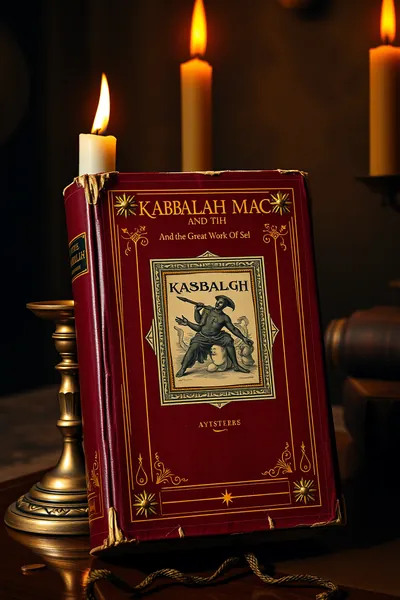
The tree that stands beyond space
 61
61

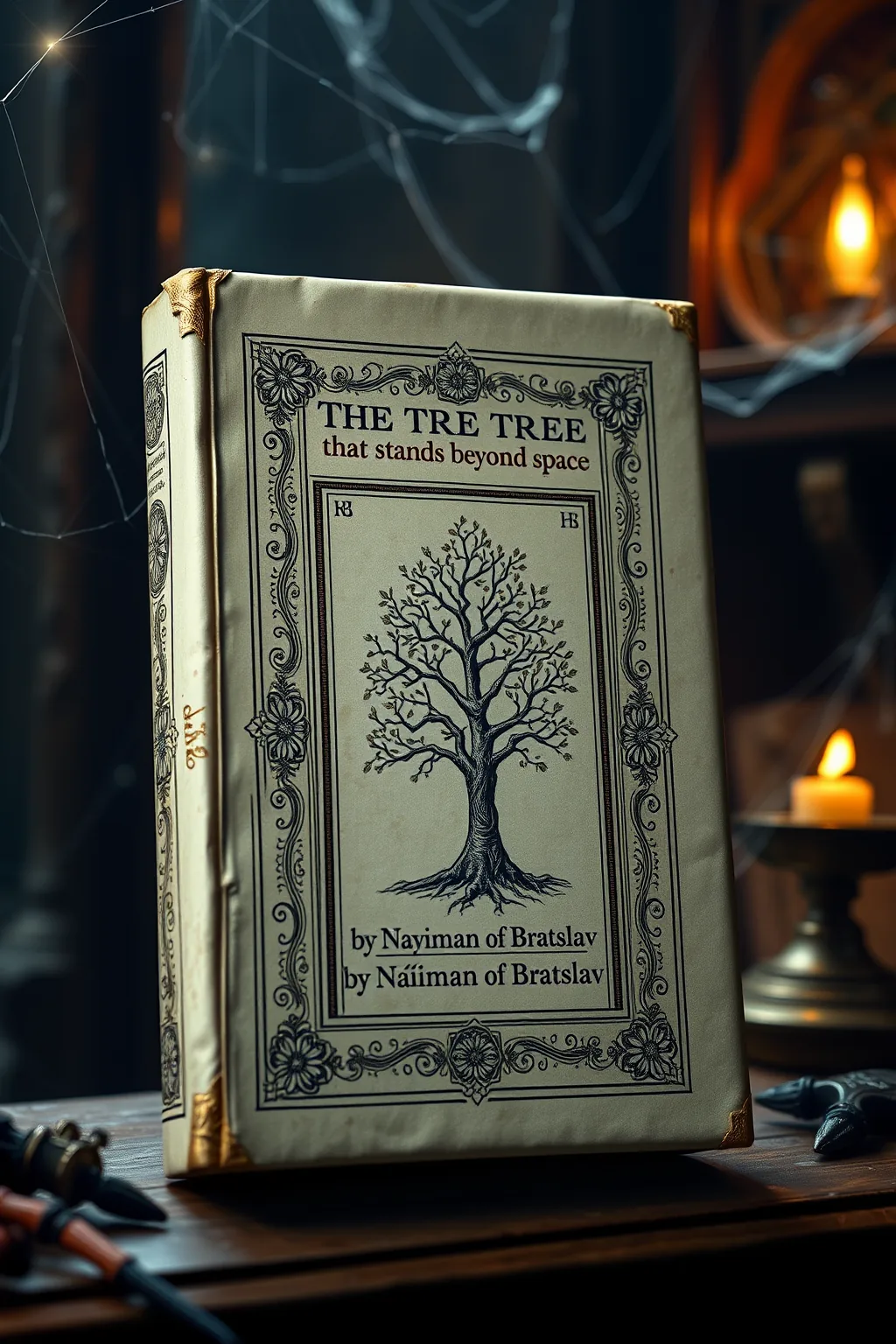
The tree that stands beyond space


Isolde Whitaker, Sacred Texts Editor: 'The Tree That Stands Beyond Space' is a breathtaking immersion into the esoteric core of Jewish thought, masterfully presented by Rabbi Naḥman of Bratslav. This work transcends mere theology, offering a vibrant, living mysticism that speaks directly to the soul. The author's unique blend of allegory and direct spiritual counsel unveils profound Kabbalistic concepts with an accessible yet deeply resonant power. For seekers yearning to bridge the gap between the material and the divine, this book is an indispensable guide. Its strength lies in its ability to illuminate the hidden pathways of spiritual ascent, making the ineffable palpable. An essential read for students of Kabbalah, Hasidism, and anyone on a serious path of inner exploration.
📝 Description
61
Rabbi Naḥman of Bratslav wrote 'The Tree That Stands Beyond Space' to reveal hidden divine presence.
Written by Rabbi Naḥman of Bratslav, 'The Tree That Stands Beyond Space' presents a unique perspective on Jewish mysticism. The work connects Kabbalistic ideas with Hasidic practices, using stories and meditations. Rabbi Naḥman aims to help readers grasp the divine presence that is part of all existence. The book has an old, spiritual feeling, drawing in people looking for more meaning or a closer link to the universe's mystical aspects.
This text invites readers to consider the soul's vastness, showing how everything is connected and that holiness exists even in everyday life. It is more than a book; it is a path to changing oneself, giving lasting ideas to those seriously looking for truth and spiritual knowledge. Its deep thought questions normal views, pushing for a new understanding of reality and our role in it, lighting the way to spiritual awakening.
Rabbi Naḥman of Bratslav (1772-1810) was a major figure in the Hasidic movement, a branch of Jewish mysticism. His teachings, often presented through parables and personal visions, sought to bring people closer to God through intense prayer, meditation, and simple living. 'The Tree That Stands Beyond Space' is representative of this tradition, aiming to unlock deeper spiritual understanding beyond literal interpretation of scripture. It draws from earlier Kabbalistic concepts but reinterprets them through his distinctive Hasidic lens, emphasizing an immanent God accessible through personal experience.
💡 Why Read This Book?
Uncover the hidden wisdom of Kabbalah and Hasidism, access profound spiritual insights from a revered master, and embark on a transformative journey of self-discovery. This book is ideal for seekers of esoteric knowledge, scholars of Jewish mysticism, and practitioners of contemplative prayer seeking a deeper connection to the divine.
⭐ Reader Reviews
Honest opinions from readers who have explored this book.
❓ Frequently Asked Questions
What is the primary focus of 'The Tree That Stands Beyond Space'?
The book primarily focuses on the profound spiritual teachings of Rabbi Naḥman of Bratslav, blending Kabbalistic concepts with Hasidic philosophy to illuminate the path to divine connection and inner peace.
Is this book suitable for beginners in Jewish mysticism?
While it delves into deep esoteric themes, Rabbi Naḥman's accessible style and allegorical narratives can offer profound insights even to those new to the subject, though prior familiarity with Jewish thought may enhance understanding.
What is the significance of the 'tree' metaphor in the title?
The 'tree' often symbolizes the Tree of Life in Kabbalah, representing the divine emanations and the interconnectedness of all creation. In this context, it signifies a spiritual reality that transcends ordinary spatial limitations.
How does this work relate to the broader field of Kabbalah?
It offers a distinct Bratslavian interpretation of Kabbalistic principles, emphasizing personal experience, fervent prayer (hitbodedut), and finding the divine in everyday life, often expressed through original allegories and teachings.
Can this book be used for personal spiritual practice?
Absolutely. Rabbi Naḥman's teachings are inherently practical, encouraging introspection, contemplation, and a direct relationship with God, making it a rich resource for personal spiritual development.
🔮 Key Themes & Symbolism
Divine Immanence and Transcendence
This theme explores the dual nature of God as both immanent, present within every aspect of creation, and transcendent, existing beyond all comprehension. Rabbi Naḥman teaches that the divine spark resides in all things, urging the reader to perceive this sacred presence even in the most mundane circumstances. The text guides one to understand that the divine is not a distant entity, but an ever-present reality waiting to be recognized. This perspective fosters a profound sense of connection and awe, transforming the ordinary into a locus of spiritual encounter and revelation. It encourages a devotional practice that sees God in all, dissolving the perceived separation between the sacred and the secular.
The Path of Inner Prayer (Hitbodedut)
Central to Rabbi Naḥman's teachings is the practice of 'hitbodedut,' or contemplative, personal prayer. This isn't formal liturgy but an intimate, uninhibited conversation with the Divine, often conducted in solitude. The text emphasizes that through sincere, heartfelt speech, individuals can forge a direct and personal relationship with God, revealing their innermost thoughts and desires. This practice is presented as a powerful tool for spiritual purification, gaining clarity, and overcoming life's challenges. It’s about speaking from the soul, unburdened by pretense, fostering a profound intimacy with the Creator and unlocking the hidden wells of spiritual strength within.
The Unity of Existence and the Divine Spark
Rabbi Naḥman expounds on the fundamental unity of all creation, positing that everything emanates from a single Divine source. Each individual, object, and event is imbued with a divine spark, a fragment of the ultimate reality. The esoteric wisdom contained within 'The Tree That Stands Beyond Space' encourages the reader to look beyond superficial differences and perceive this underlying unity. By recognizing the divine spark in oneself and others, one cultivates compassion, understanding, and a deep respect for all life. This perspective dismantles feelings of isolation and fosters a profound sense of belonging within the grand cosmic range.
💬 Memorable Quotes
Direct passages from the work, attributed to the author.
“The world is a narrow bridge, and the most important thing is not to fear.”
— This profound statement expresses the essence of facing life's challenges with courage and faith. It highlights that difficulties are temporary and the key to spiritual growth lies in maintaining inner resilience and trust in the divine.
“All is in God's hands, but man must still act.”
— This highlights the delicate balance between divine providence and human free will. It teaches that while ultimate outcomes are in God's control, our actions and efforts are crucial components of our spiritual journey and destiny.
“Joy is the best remedy.”
— A simple yet potent reminder of the spiritual significance of happiness. Rabbi Naḥman believed that cultivating joy, even in difficult times, was essential for spiritual well-being and connection to the divine.
“Even a small spark can light up a great darkness.”
— This metaphor emphasizes the immense power of even the smallest act of goodness, prayer, or faith. It offers hope, suggesting that individual efforts can have a significant impact in overcoming spiritual or existential challenges.
💡 Key Ideas
Editorial paraphrase of the work's core concepts — not direct quotes.
If you believe that you can spoil something, then believe that you can fix it.
This quote speaks to the power of belief and agency. It suggests that the same conviction used to perceive a problem can be redirected towards finding a solution, emphasizing personal empowerment and the possibility of redemption.
🌙 Esoteric Significance
Tradition
This work is a core part of Bratslav Hasidism, a distinct branch of Jewish mysticism. It deeply engages with Kabbalistic concepts, particularly those concerning the Sefirot (divine emanations) and the nature of the soul, but interprets them through a highly personal, experiential lens. Rabbi Naḥman's emphasis on hitbodedut (personal prayer) and finding God in the mundane world represents a unique development within the broader Kabbalistic and Hasidic traditions, making it a vital text for understanding the evolution of Jewish esoteric thought.
Symbolism
The 'tree' itself is a potent Kabbalistic symbol, often representing the Tree of Life (Etz Chaim) and the hierarchical structure of divine emanation. Naḥman of Bratslav imbues this symbol with his own mystical insights, suggesting a spiritual tree that transcends physical space and time, connecting the earthly realm to the divine. Other recurring symbols include light, darkness, journeys, and specific animals or figures within his parables, each carrying layers of meaning related to the soul's ascent, the struggle against negative forces, and the discovery of divine presence.
Modern Relevance
In an age often characterized by spiritual searching and a desire for authentic connection, Rabbi Naḥman's teachings offer profound relevance. His emphasis on personal, direct experience of the divine, the power of sincere prayer, and the importance of finding joy and meaning in everyday life resonates deeply with contemporary seekers. The book provides a framework for navigating existential anxieties, fostering inner peace, and cultivating a resilient spiritual life grounded in faith and self-discovery, making its esoteric wisdom accessible and applicable to modern challenges.
👥 Who Should Read This Book
This profound work is a treasure for a diverse audience. Scholars of Jewish mysticism, Kabbalah, and Hasidism will find a unique and influential perspective within its pages. Spiritual seekers yearning for a deeper, more personal connection with the divine will be guided by Rabbi Naḥman's direct and heartfelt teachings. Practitioners of contemplative practices will discover rich insights into the nature of prayer and spiritual discipline. Even those new to esoteric traditions can approach this text with an open heart, finding its allegorical nature and emphasis on finding God in everyday life to be an accessible entry point into profound spiritual wisdom.
📜 Historical Context
Written in the late 18th and early 19th centuries, 'The Tree That Stands Beyond Space' emerges from the vibrant milieu of Hasidism, a spiritual renewal movement within Judaism founded by Rabbi Israel Baal Shem Tov. Naḥman of Bratslav, the great-grandson of the Baal Shem Tov, was a charismatic and deeply original spiritual leader whose teachings offered a combination of Kabbalistic depth, mystical fervor, and practical ethical guidance. This era was marked by social upheaval and spiritual seeking, and Hasidism provided a path for ordinary Jews to experience a direct, personal connection with God, moving away from purely intellectual or ritualistic observance. Rabbi Naḥman’s teachings, often conveyed through parables and personal counsel, resonated with a generation yearning for spiritual authenticity and a deeper understanding of divine immanence in their lives.
📔 Journal Prompts
Reflect on a time you felt 'beyond space' or a profound sense of timelessness. What triggered this feeling, and what did it reveal to you?
Consider the concept of a 'narrow bridge.' What are the 'bridges' in your life, and how can you walk them with less fear and more faith?
How can you apply the principle of 'if you believe you can spoil it, believe you can fix it' to a current challenge you are facing?
Explore the idea of 'joy as the best remedy.' In what ways can cultivating joy actively contribute to your spiritual well-being?
Identify a 'small spark' of goodness, faith, or hope within yourself or your surroundings. How can you nurture and magnify this spark?
🗂️ Glossary
Kabbalah
A complex system of Jewish mysticism that explores the divine nature, creation, and the relationship between God and the universe, often employing symbolic interpretations of scripture and esoteric traditions.
Hasidism
A spiritual movement within Judaism originating in 18th-century Eastern Europe, emphasizing fervent prayer, joyful devotion, and the presence of God in all aspects of life, often led by charismatic spiritual guides known as Rebbes.
Hitbodedut
A practice of personal, uninhibited prayer and contemplation, often performed in solitude, where one speaks directly to God from the heart, sharing thoughts, feelings, and petitions.
Sefirot
In Kabbalah, the ten divine emanations or attributes through which God interacts with and sustains the universe, forming a symbolic map of creation and divine consciousness.
Divine Spark (Nitzotz Eloki)
The concept that a fragment of the divine essence resides within every created being and object, signifying the inherent holiness and potential for connection with God in all of existence.
This book appears in 1 collection
🔮 Readers Also Liked
Browse all →







From the “Kabbalah” Collection
View all →






More Free Kabbalah & Jewish Mysticism Books
View all →![[Mitsṿat ahavat Yiśraʼel]](/img/thumb/mitsvat-ahavat-yisraʼel-menahem-mendel-schneersohn-604606.webp)