Holiness and Transgression
 61
61

Holiness and Transgression


Isolde Whitaker, Sacred Texts Editor, writes: 'Ruth Kara-Ivanov Kaniel's 'Holiness and Transgression' is a revelation for anyone seeking a deeper understanding of Kabbalah's esoteric dimensions. Kaniel possesses a rare gift for illuminating complex theological concepts with clarity and profound insight, particularly her exploration of the interplay between maternal energies and messianic visions. This book transcends mere academic discourse, offering a spiritual roadmap through the symbolic landscape of Jewish mysticism. Its strengths lie in its nuanced approach to seemingly contradictory themes, demonstrating how transgression can be a potent catalyst for holiness. Highly recommended for serious students of mysticism and those fascinated by the hidden currents within religious thought.
📝 Description
61
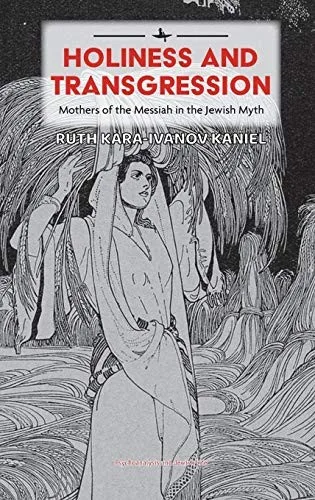
Ruth Kara-Ivanov Kaniel's 'Holiness and Transgression' examines the Kabbalistic interplay between sacredness and breaking boundaries.
In 'Holiness and Transgression,' Ruth Kara-Ivanov Kaniel analyzes Kabbalistic thought, focusing on the relationship between religious sanctity and actions that transgress established norms. Kaniel investigates ancient Jewish texts to uncover interpretations of biblical stories, paying close attention to maternal figures and the often understated contributions of women in Jewish and Christian history.
The book explores how transgression, within a mystical framework, can sometimes lead to a more profound spiritual insight and personal change. It invites both those new to mysticism and seasoned academics to engage with the symbolic structures that Kaniel argues are central to both the creation of the world and its eventual redemption. The work illuminates the paradoxical nature of holiness as understood within Kabbalistic traditions.
This work is situated within the study of Kabbalah, a body of Jewish mystical teachings and esoteric traditions. It engages with concepts of divine emanations, creation myths, and messianic hopes as understood through a mystical lens. The book connects these ideas to broader themes of spiritual transformation and the symbolic language used to describe the divine.
💡 Why Read This Book?
This book is essential for those drawn to the profound depths of Kabbalah and Jewish mysticism. It offers a unique lens through which to view biblical narratives, revealing hidden meanings and the potent symbolism of the feminine divine. Ideal for seekers of esoteric knowledge, scholars of comparative religion, and practitioners looking to integrate mystical principles into their spiritual path. Discover the paradoxical pathways to holiness and the profound significance of the mother-son archetype.
⭐ Reader Reviews
Honest opinions from readers who have explored this book.
❓ Frequently Asked Questions
What is the central thesis of 'Holiness and Transgression'?
The central thesis explores the paradoxical relationship between holiness and transgression within Kabbalistic thought, suggesting that crossing boundaries can sometimes lead to deeper spiritual insight and divine connection, particularly through the lens of maternal archetypes and messianic prophecy.
Which specific biblical figures are prominently discussed?
The book extensively analyzes figures like Eve, Sarah, Hagar, and Leah, focusing on their roles as mothers and their symbolic significance within the mystical traditions, often in relation to their sons and the unfolding of messianic narratives.
How does this book relate to Christian mysticism?
While rooted in Jewish mysticism, the book offers insights into universal themes of redemption, the divine feminine, and the messianic concept, providing points of resonance and comparison with Christian esoteric traditions, highlighting shared symbolic language.
Is prior knowledge of Kabbalah required to read this book?
While some familiarity with Kabbalistic concepts can enhance the reading experience, Kaniel's clear and evocative prose makes the material accessible to dedicated students of mysticism and those new to the subject, guiding them through complex ideas.
What kind of 'transgression' is discussed in the book?
The transgression explored is not literal sin, but rather the act of challenging established norms, stepping outside perceived limitations, and engaging with the 'other' or the hidden aspects of divinity that can lead to spiritual breakthrough and a more profound understanding of holiness.
🔮 Key Themes & Symbolism
The Divine Feminine and Maternal Archetypes
This theme explores the crucial, yet often understated, role of the divine feminine within Kabbalistic thought. Ruth Kara-Ivanov Kaniel illuminates how maternal figures in the Bible are not merely biological progenitors but embody potent cosmic forces, embodying creation, nurturing, and the very essence of divine immanence. The book explores the symbolic significance of mothers and sons, revealing how their relationship mirrors the cosmic dance between the divine and the human, the transcendent and the immanent. Understanding these archetypes is presented as key to unlocking deeper layers of spiritual wisdom and the redemptive process.
Paradoxical Pathways to Holiness
Contrary to conventional interpretations, 'Holiness and Transgression' argues that the path to spiritual purity and divine union is not always linear or devoid of challenge. Kaniel masterfully unpacks the idea that acts of 'transgression'—interpreted as stepping beyond rigid boundaries, confronting the shadow, or engaging with the forbidden—can paradoxically lead to profound spiritual awakening and a more authentic experience of holiness. This exploration offers a radical perspective on spiritual growth, suggesting that embracing the liminal and the unconventional can illuminate hidden truths and foster a deeper connection with the sacred.
Messianic Visions and Biblical Symbolism
The book intricately ties together the concept of the Messiah with the collection of Jewish biblical symbolism. It examines how the messianic promise is not just a future event but is embedded within the very fabric of creation and human history, often articulated through the narratives of matriarchs and patriarchs. Kaniel uncovers esoteric interpretations of these ancient stories, revealing how they serve as archetypal blueprints for redemption, transformation, and the eventual restoration of cosmic harmony. The exploration of messianic themes is deeply intertwined with the symbolic language of the Torah and its mystical exegesis.
💬 Memorable Quotes
Direct passages from the work, attributed to the author.
“The mother's womb is the first cosmic mystery.”
— This highlights the profound spiritual significance of the maternal origin point. It frames birth and creation as inherently mystical, linking the physical act of gestation to the fundamental processes of the universe and divine emanation.
“Transgression is the key that unlocks the forbidden garden.”
— This evocative metaphor suggests that breaking established, perhaps limiting, norms can lead to access to deeper, hidden spiritual knowledge or states of being that were previously inaccessible.
“The Messiah sleeps in the heart of every transgressor.”
— This profound statement implies that the potential for divine redemption and the arrival of the messianic era resides within all individuals, particularly those who have strayed, offering hope and a path to spiritual reawakening.
“Wisdom is not found in purity alone, but in the crucible of experience.”
— This emphasizes that true spiritual understanding and wisdom are forged not in sheltered perfection, but through facing challenges, making mistakes, and learning from the complex, often difficult, experiences of life.
💡 Key Ideas
Editorial paraphrase of the work's core concepts — not direct quotes.
Holiness is not the absence of shadow, but its luminous integration.
This quote suggests that true spiritual attainment involves confronting and embracing one's darker aspects, rather than denying them. True holiness arises from a complete and integrated self, where all facets are illuminated by divine light.
🌙 Esoteric Significance
Tradition
This work is deeply rooted in the esoteric tradition of Kabbalah, specifically drawing from its Lurianic and Hasidic branches. It explores the concept of Tikkun (rectification), the mystical union of divine energies, and the intricate symbolic language used to describe the Sephirot (divine emanations). The book also touches upon Gematria (numerological interpretation of Hebrew letters) and other hermeneutical methods central to Kabbalistic practice, offering readers a glimpse into the profound spiritual architecture of this ancient tradition.
Symbolism
The text is rich with potent symbolism, interpreting biblical narratives and Kabbalistic concepts through a symbolic lens. Key symbols include the 'Tree of Life' (representing divine emanations), the interplay of 'masculine' and 'feminine' divine forces, the archetypal mother-son relationship as a microcosm of cosmic order, and the paradoxical 'transgression' that signifies a rupture in the mundane leading to divine revelation. These symbols are presented not as mere allegories but as living pathways to spiritual understanding and transformation.
Modern Relevance
In an era often marked by spiritual seeking and a desire for deeper meaning, 'Holiness and Transgression' offers a timeless wisdom that resonates profoundly. Its exploration of the divine feminine, the potential for growth through challenging experiences, and the interconnectedness of all things speaks to contemporary concerns about balance, integration, and holistic well-being. The book provides a framework for understanding seemingly contradictory aspects of life and faith, offering a path towards spiritual maturity and a more nuanced relationship with the sacred in the modern world.
👥 Who Should Read This Book
This clear volume is crafted for a diverse audience. For the **beginner** in mysticism, it offers an accessible yet profound introduction to the core tenets and symbolic language of Kabbalah, explaining complex ideas. **Scholars** of religion and comparative mysticism will find its unique interpretations and interfaith dialogue useful for academic research. **Spiritual seekers** yearning for deeper meaning and a connection to the divine feminine will be inspired by its esoteric insights and transformative potential. **Practitioners** of Kabbalah or contemplative traditions will discover new avenues for reflection and integration, enriching their spiritual journey with its paradoxical wisdom.
📜 Historical Context
Published in a period of burgeoning interest in comparative religion and esoteric studies, 'Holiness and Transgression' emerged as a significant contribution to the field of Kabbalah scholarship. Written by Ruth Kara-Ivanov Kaniel, a scholar deeply immersed in Jewish mysticism, the work draws upon centuries of hermeneutical tradition, particularly from Lurianic Kabbalah and Hasidic thought. It engages with critical scholarly approaches while maintaining a profound reverence for the mystical experience. The book's focus on the feminine divine and the reinterpretation of biblical narratives resonated with feminist theological critiques and the broader post-modern philosophical landscape that questioned traditional hierarchies and embraced multiplicity of perspectives. Its influence extends to scholars and practitioners seeking a nuanced, integrated understanding of Jewish mysticism.
📔 Journal Prompts
Reflect on a personal 'transgression' that, in hindsight, led to unexpected growth or insight. How did it challenge your previous understanding of holiness?
Consider the archetypal mother figure in your life. What qualities of the divine feminine do you perceive in her, and how do they influence your own spiritual path?
Explore the concept of the 'forbidden garden' in your own life. What are the 'gardens' you have been hesitant to enter, and what might lie beyond their boundaries?
How does the idea of the Messiah sleeping within the 'transgressor' offer hope or a new perspective on individuals or communities who feel marginalized or lost?
Write about the balance between order and chaos in your spiritual practice. Where do you see the potential for holiness emerging from apparent disorder?
🗂️ Glossary
Kabbalah
A complex system of Jewish mysticism that seeks to understand the nature of God, the universe, and the human soul through symbolic interpretation of scripture and esoteric traditions.
Sephirot
Ten divine emanations or attributes described in Kabbalah, often visualized as a Tree of Life, representing the stages of God's creation and interaction with the world.
Tikkun
A central Kabbalistic concept meaning 'rectification' or 'repair.' It refers to the process of restoring cosmic harmony and elevating fallen sparks of divinity through spiritual action.
Divine Feminine
In mystical traditions, this refers to the feminine aspects of the divine, often associated with creation, nurturing, wisdom, and the immanent presence of God in the world.
Messiah
In Jewish tradition, a divinely appointed leader who will usher in an era of peace, justice, and redemption for Israel and the world. Kabbalah offers deeper, mystical interpretations of this role.
This book appears in 1 collection
🔮 Readers Also Liked
Browse all →








More by Ruth Kara-Ivanov Kaniel
All books →
From the “Kabbalah” Collection
View all →





More Free Kabbalah & Jewish Mysticism Books
View all →