52,000+ Esoteric Books Free + Modern Compare Prices
Home Collections Kabbalah
✡️

Kabbalah Books: Foundational Texts and Modern Interpretations

Key texts tracing Kabbalah from its early mystical roots to its integration with Western esotericism include Christian D. Ginsburg's 'The Kabbalah: its doctrines, development, and literature' and Gershom Scholem's 'On the Kabbalah and Its Symbolism'. This collection provides access to primary sources and scholarly analyses for both novice and dedicated students of Jewish mysticism. Below, you will find curated selections organized by study level, alongside essential definitions and a structured reading path.

Top Kabbalah Books

25 Kabbalah books
Kabbalah Unveiled
📖
Kabbalah Unveiled
S. L. MacGregor Mathers
4.1
63
TRENDING
Essential Kabbalah
📖
Essential Kabbalah
S. L. MacGregor Mathers
4.1
62
The Kabbalah
📖
The Kabbalah
S. L. MacGregor Mathers
4.0
61
Wisdom of the Kabbalah
📖
Wisdom of the Kabbalah
S. L. MacGregor Mathers
4.1
62
The Kabbalah Unveiled
📖
The Kabbalah Unveiled
S. L. MacGregor Mathers
4.0
62
HIDDEN GEM
The Mystical Qabalah
📖
The Mystical Qabalah
Violet M. Firth (Dion Fortune)
4.4
72

What is Kabbalah?

Kabbalah is an esoteric system of Jewish mysticism that seeks to understand the nature of God and the universe through symbolic interpretation of religious texts, particularly the Torah. It explores concepts like the divine emanations (Sefirot) on the Tree of Life, the nature of the soul, and methods for achieving spiritual ascent. Early Kabbalistic texts like the Bahir and the Zohar form its foundational literature, influencing later mystical and magical traditions.

Best Books for Complete Beginners

For those new to Kabbalah, starting with accessible overviews is recommended. Christian D. Ginsburg's 'The Kabbalah: its doctrines, development, and literature' offers a historical survey. 'Introduction To The Book Of Zohar' (2014) provides a gateway to its most central text. For a practical, albeit modern, introduction to its symbolic structure, 'The Qabalistic Tarot' by Robert Wang (1983) is valuable. 'Kabbalah of the Golden Dawn' by Pat Zalewski (2000) can also serve as an entry point into its Western magical applications.

Intermediate Reading

Moving beyond basics, students can engage with more detailed analyses and primary source commentaries. Gershom Scholem's 'On the Kabbalah and Its Symbolism' is a critical scholarly work for understanding the historical development and core ideas. 'The Kabbalah Unveiled' (2014) offers translations and explanations of key texts. David Bakan's 'Sigmund Freud And The Jewish Mystical Tradition' explores Kabbalistic influence on psychoanalysis, while Jacob Boehme's 'Aurora' (2009) presents a Christian interpretation of mystical concepts that resonated with Kabbalistic thought.

Classical / Advanced Texts

Serious students will want to consult the foundational texts themselves. 'The Zohar' (various translations including those by Shimon Bar Yohai, Moses De León, and elgamelyan) is the cornerstone of Kabbalistic literature. 'Sefer Ha Bahir' is another early, influential text. For historical context on the transmission of these texts, 'Kabbala Denudata, the Kabbalah Unveiled' (1907, 1912) by Christian Knorr von Rosenroth and Samuel Liddell MacGregor Mathers is essential. 'Hebraic Literature; Translations from the Talmud, Midrashim and Kabbala' offers broader context.

Reading Order — Step by Step

Begin with introductory surveys like Ginsburg's 'The Kabbalah' (1907) or Wang's 'The Qabalistic Tarot' (1983) in Month 1. In Month 2, delve into Scholem's 'On the Kabbalah and Its Symbolism' and 'Introduction To The Book Of Zohar' (2014). Month 3 should focus on primary sources such as 'Sefer Ha Bahir' and sections of 'The Zohar'. For those interested in Western Esotericism, integrate Paul Foster Case's works like 'The Tree of Life' (1950) and '32 Paths Lessons 1-17' (1950) throughout, particularly after gaining a foundational understanding.

Frequently Asked Questions

Which Kabbalah book should I read first?

For a foundational understanding, start with Christian D. Ginsburg's 'The Kabbalah: its doctrines, development, and literature'. If you prefer a more visual approach, Robert Wang's 'The Qabalistic Tarot' (1983) is an excellent starting point.

Is Kabbalah part of Judaism?

Kabbalah is a system of Jewish mysticism. While it deeply informs Jewish spiritual traditions, its esoteric nature means it's studied by specific groups within Judaism, with varying interpretations.

What is the difference between Kabbalah and Qabalah?

These are different transliterations of the same Hebrew word (קַבָּלָה). 'Kabbalah' typically refers to the Jewish mystical tradition, while 'Qabalah' is often used for its Western esoteric or magical adaptations, like those found in the Golden Dawn system.

How long does it take to understand Kabbalah?

Kabbalah is a lifelong study. While a basic grasp of concepts can be achieved in months with dedicated reading, a deep understanding requires years of consistent study, contemplation, and practice.

Is the Zohar difficult to read?

The Zohar is a complex text written in Aramaic, often using allegorical and symbolic language. Direct translations like 'The Zohar Aramaic English' or annotated versions are recommended for accessibility.

What is the Tree of Life in Kabbalah?

The Tree of Life is a symbolic diagram representing the structure of the universe and the divine emanations (Sefirot) through which God is understood to manifest. It's a core visual tool for Kabbalistic study and meditation.

Are there different types of Kabbalah?

Yes, there are various branches, including Traditional Kabbalah (focusing on Jewish texts), Lurianic Kabbalah (with concepts like Tzimtzum and Tikkun), and Hermetic Qabalah (Western esoteric adaptations).

Why Each Book Matters

Meditation and Kabbalah

Meditation and Kabbalah

by Aryeh Kaplan

Aryeh Kaplan's "Meditation and Kabbalah" is a groundbreaking work that explores the rich tradition of meditative practices within Jewish mysticism. Kaplan, a respected Orthodox rabbi and scholar, meticulously details various techniques, including visualizations, letter meditations, and mantra-like recitations, drawing from sources like Abraham Abulafia. He provides historical context and practical instructions for engaging with Kabbalah through direct experience, first published in 1982.

Mystical Qabalah

Mystical Qabalah

by Dion Dion Fortune

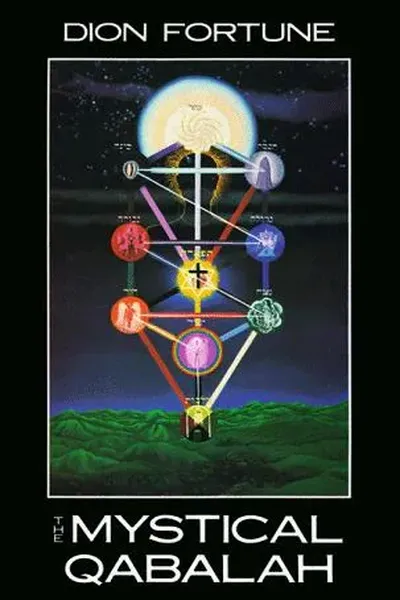
Dion Fortune's "Mystical Qabalah" is a seminal work that demystifies the complex system of the Tree of Life for Western esotericists. First published in 1935, it systematically explores each of the ten Sephirot and the 22 paths connecting them, offering practical applications for spiritual development. Fortune's clear explanations make the abstract concepts of Kabbalah understandable and relevant for personal growth.

Mystical Qabalah (annotated)

Mystical Qabalah (annotated)

by Dion Dion Fortune

Dion Dion Fortune's "Mystical Qabalah (annotated)" enhances her classic work with additional notes and insights, providing further depth to her exploration of the Tree of Life. This annotated edition clarifies complex Qabalistic concepts and offers expanded perspectives on the Sephirot, paths, and their correspondences. Fortune's original text, first published in 1935, remains a cornerstone for understanding Western Esoteric Qabalah, now with added context.

Mystical Qabalah

Mystical Qabalah

by Dion Fortune

Dion Fortune's "Mystical Qabalah" is a highly influential text that provides a thorough, yet accessible, introduction to the Qabalistic Tree of Life. Fortune meticulously details the attributes, correspondences, and symbolic meanings associated with each of the ten Sephirot and their interconnecting paths. This work, originally published in 1935, helped popularize Qabalah in Western esotericism by presenting it as a practical system for self-knowledge and spiritual attainment.

Parallax Oracle : Archetypal Kabbalah,Tarot and the Tree of Life : Minor Arcana Companion to the Syzygy Oracle

Parallax Oracle : Archetypal Kabbalah,Tarot and the Tree of Life : Minor Arcana Companion to the Syzygy Oracle

by Heather Mendel

In "Parallax Oracle: Archetypal Kabbalah, Tarot and the Tree of Life," Heather Mendel explores the profound connections between Kabbalistic principles and the Minor Arcana of the Tarot. This companion volume to the Syzygy Oracle offers a unique system for understanding archetypal energies and their manifestation through the Sephirot on the Tree of Life. Mendel specifically details how the 36 decans of the zodiac align with the numerical progression of the Minor Arcana suits.

Kabbalah Unveiled

Kabbalah Unveiled

by L. Mathers

L. Mathers's "Kabbalah Unveiled" is a foundational text for understanding Western Hermetic Qabalah, being a translation of portions of Knorr von Rosenroth's Latin Kabbala Denudata. Specifically, it includes the English rendering of the Idra Rabba Qadisha (Greater Holy Assembly) and the Idra Zuta Qadisha (Lesser Holy Assembly) from the Zohar. This 1887 translation introduced many key Zoharic concepts, such as the three veils of negative existence, to the English-speaking esoteric world.

Kabbala Denudata the Kabbalah Unveiled

Kabbala Denudata the Kabbalah Unveiled

by MacGregor MacGregor Mathers

MacGregor MacGregor Mathers's "Kabbala Denudata the Kabbalah Unveiled" is a seminal English translation of key sections from Knorr von Rosenroth's Latin compendium. Published in 1887, this work includes the 'Book of Concealed Mystery' and the 'Greater and Lesser Holy Assemblies' from the Zohar. It was instrumental in shaping the understanding of Kabbalah within the Hermetic Order of the Golden Dawn and continues to be a primary source for Western esoteric Qabalah.

Kabbalah

Kabbalah

by Moshe Idel

Moshe Idel's "Kabbalah" provides a scholarly exploration of Jewish mystical traditions, offering nuanced perspectives on its historical development and diverse expressions. This work delves into various schools of Kabbalah, examining their unique interpretations of divine emanations, human spiritual ascent, and the nature of revelation. Idel often highlights the role of ecstatic experiences and their significance within Kabbalistic thought.

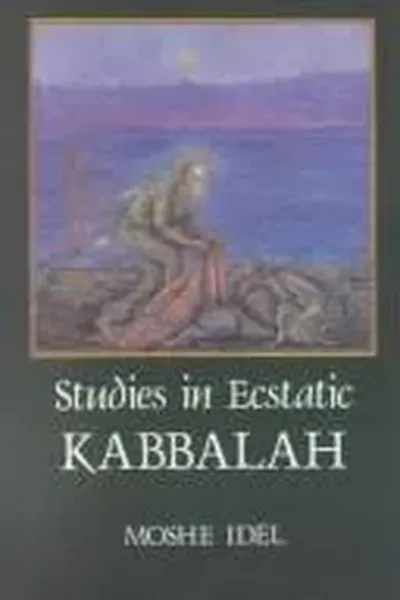
Studies in Ecstatic Kabbalah

Studies in Ecstatic Kabbalah

by Moshe Idel

Moshe Idel's "Studies in Ecstatic Kabbalah" focuses on the experiential and mystical union aspects of Kabbalistic practice, particularly through the lens of Abraham Abulafia's teachings. Idel explores techniques involving letter permutations, breath control, and divine name recitation designed to induce prophetic or ecstatic states. This scholarly work highlights a less commonly emphasized dimension of Kabbalah, moving beyond purely theoretical or theosophical approaches.

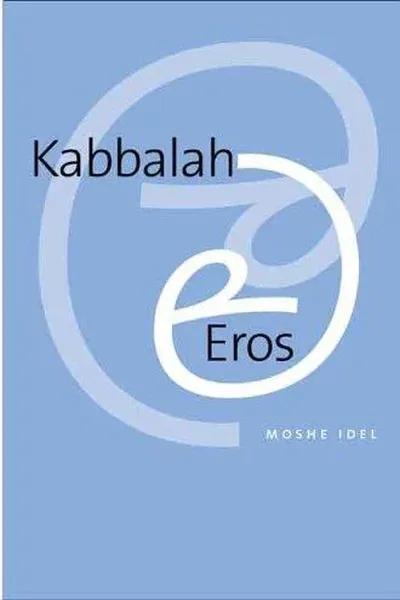
Kabbalah and eros

Kabbalah and eros

by Moshe Idel

Moshe Idel's "Kabbalah and eros" delves into the often-overlooked erotic symbolism and themes of divine union within Kabbalistic literature. Idel meticulously analyzes how various Kabbalists, from early texts to later Hasidic masters, understood and expressed spiritual intimacy and the interplay between masculine and feminine divine principles. He specifically explores the concept of the Shekhinah as the feminine aspect of God seeking union.

Primeval evil in Kabbalah

Primeval evil in Kabbalah

by Moshe Idel

Moshe Idel's "Primeval evil in Kabbalah" offers a deep scholarly investigation into the origins and nature of evil within Kabbalistic cosmology. Idel examines how various Kabbalistic schools conceptualized evil, often linking it to concepts like the *Sitra Achra* (the Other Side) or the breaking of the vessels (Shevirat ha-Kelim). This work explores the dynamic interplay between divine emanation and the emergence of negative forces.

Kabbalah in Italy, 1280-1510

Kabbalah in Italy, 1280-1510

by Moshe Idel

Moshe Idel's "Kabbalah in Italy, 1280-1510" offers a meticulous historical and intellectual survey of the development and dissemination of Kabbalistic thought in Renaissance Italy. Idel details the interactions between Jewish mystics and Christian humanists, revealing the unique characteristics of Italian Kabbalah during this period. He highlights key figures and texts, demonstrating how Kabbalah adapted and flourished within a distinct cultural milieu.

Privileged Divine Feminine in Kabbalah

Privileged Divine Feminine in Kabbalah

by Moshe Idel

Moshe Idel's "Privileged Divine Feminine in Kabbalah" investigates the prominent role and significance of feminine divine aspects within Jewish mystical traditions. Idel explores concepts such as the Shekhinah, often seen as God's immanent presence and the divine feminine, and other female archetypes across various Kabbalistic schools. This work challenges conventional patriarchal readings, highlighting the rich and complex gender dynamics in Kabbalistic theology.

Kabbalah Unveiled

Kabbalah Unveiled

by S. L. MacGregor Mathers

S. L. MacGregor Mathers's "Kabbalah Unveiled" is an essential translation that brought significant portions of the Zohar to a wider Western audience. Published in 1887, this work translates sections of Knorr von Rosenroth's Kabbala Denudata, including the 'Book of Concealed Mystery.' It systematically outlines the Sephirot and their correspondences, forming a cornerstone for the Hermetic Order of the Golden Dawn's teachings on Qabalah.

Essential Kabbalah

Essential Kabbalah

by S. L. MacGregor Mathers

S. L. MacGregor Mathers's "Essential Kabbalah" likely serves as a curated selection of core teachings and interpretations from his more extensive works. This volume aims to distill the fundamental principles of Kabbalistic thought, focusing on key concepts such as the Sephirot, the Tree of Life, and the divine names. It offers a structured approach to understanding the esoteric framework that underpins much of Western occultism.

The Kabbalah

The Kabbalah

by S. L. MacGregor Mathers

S. L. MacGregor Mathers's "The Kabbalah" serves as a concise introduction to the fundamental concepts of this Jewish mystical tradition. This text, often considered an abridged version or compilation of his broader works, outlines the structure of the Tree of Life and the Sephirot. It provides an accessible entry point to the esoteric symbolism that later influenced Western ceremonial magic and occultism.

Wisdom of the Kabbalah

Wisdom of the Kabbalah

by S. L. MacGregor Mathers

S. L. MacGregor Mathers's "Wisdom of the Kabbalah" presents an interpretive framework for understanding the profound insights embedded within Jewish mystical tradition. This work explores the symbolic language of the Sephirot and the Tree of Life, offering explanations of their cosmic and psychological significance. Mathers's approach emphasizes the practical application of Kabbalistic principles for spiritual illumination and self-mastery, building on his earlier translations.

The Kabbalah Unveiled

The Kabbalah Unveiled

by S. L. MacGregor Mathers

S. L. MacGregor Mathers's "The Kabbalah Unveiled" is a pivotal text for students of Western esotericism, providing English translations of core Zoharic texts. Published in 1887, it includes 'The Book of Concealed Mystery,' 'The Greater Holy Assembly,' and 'The Lesser Holy Assembly.' This work systematically details the Sephirot and their emanations, establishing a significant basis for the Qabalistic teachings of the Hermetic Order of the Golden Dawn.

Kabbala denudata, the Kabbalah unveiled

Kabbala denudata, the Kabbalah unveiled

by S. L. MacGregor Mathers

S. L. MacGregor Mathers's "Kabbala denudata, the Kabbalah unveiled" is the definitive English translation of selected portions of Knorr von Rosenroth's Latin work, first appearing in 1887. This publication made foundational Zoharic texts, including 'The Book of Concealed Mystery,' accessible to Western esotericists. It systematically presents the Sephirot, the Tree of Life, and their intricate correspondences, profoundly influencing the development of Hermetic Qabalah.

An Introduction To The Kabbalah Unveiled

An Introduction To The Kabbalah Unveiled

by S. L. MacGregor Mathers

S. L. MacGregor Mathers's "An Introduction To The Kabbalah Unveiled" serves as a preparatory guide to his more extensive translation of the Zohar. This introductory text provides essential context and foundational explanations necessary for approaching the complex symbolism and terminology found in the 'Kabbalah Unveiled.' It clarifies key concepts like the Sephirot and the four worlds, making the deeper material more comprehensible for new students.

Kabbalah Unveiled

Kabbalah Unveiled

by S. L. Mathers

S. L. Mathers's "Kabbalah Unveiled" is a landmark translation of key Zoharic texts, originally published in 1887. This influential work includes the 'Book of Concealed Mystery,' 'The Greater Holy Assembly,' and 'The Lesser Holy Assembly,' providing a detailed exposition of Kabbalistic cosmology. It was crucial for introducing the complex symbolism of the Tree of Life and the Sephirot to Western esoteric traditions, particularly the Golden Dawn.

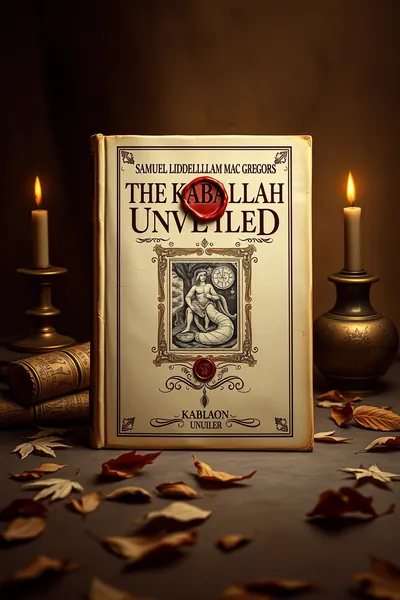
Samuel Liddell Mac Gregor Mathers - The Kabbalah Unveiled - Kabbala Denudata - Cephaïs Press - 2003

Samuel Liddell Mac Gregor Mathers - The Kabbalah Unveiled - Kabbala Denudata - Cephaïs Press - 2003

by Samuel Liddell Mac Gregor Mathers

Samuel Liddell Mac Gregor Mathers's "The Kabbalah Unveiled - Kabbala Denudata - Cephaïs Press - 2003" is a modern reprint of Mathers's highly influential 1887 translation of key Zoharic texts. This edition, published by Cephaïs Press in 2003, makes accessible the 'Book of Concealed Mystery' and the 'Greater and Lesser Holy Assemblies.' It remains a vital resource for understanding the foundational concepts of Hermetic Qabalah and the Tree of Life.

Kabbala Denudata, the Kabbalah Unveiled, Containing the Following Books of ...

Kabbala Denudata, the Kabbalah Unveiled, Containing the Following Books of ...

by Samuel Liddell MacGregor Mathers , Christian Knorr von Rosenroth

Samuel Liddell MacGregor Mathers, Christian Knorr von Rosenroth's "Kabbala Denudata, the Kabbalah Unveiled, Containing the Following Books of..." refers to Mathers's crucial 1887 translation of sections from Knorr von Rosenroth's Latin compendium. This edition specifically includes 'The Book of Concealed Mystery,' 'The Greater Holy Assembly,' and 'The Lesser Holy Assembly,' offering direct access to core Zoharic texts that delineate the structure of the Tree of Life and the Sephirot.

The Mystical Qabalah

The Mystical Qabalah

by Violet M. Firth (Dion Fortune)

Violet M. Firth (Dion Fortune)'s "The Mystical Qabalah" is a foundational text in Western esotericism, offering a comprehensive and accessible guide to the Tree of Life. First published in 1935, the book systematically explores each of the ten Sephirot, detailing their associated deities, colors, symbols, and practical applications. Fortune's work is celebrated for its clear structure and its ability to illuminate complex Kabbalistic concepts for students of all levels.

Qabalah - Psychic Self Defence

Qabalah - Psychic Self Defence

by Violet M. Firth (Dion Fortune)

Violet M. Firth (Dion Fortune)'s "Qabalah - Psychic Self Defence" applies Qabalistic principles to the practical realm of magical protection and spiritual hygiene. Fortune, drawing on her extensive occult experience, outlines methods for identifying and neutralizing negative psychic influences using the Tree of Life as a framework. This work, distinct from her Mystical Qabalah, provides actionable techniques for maintaining spiritual integrity and energetic boundaries.

Esoteric Library
Browse Esoteric Library
📚 All 52,000+ Books 🜍 Alchemy & Hermeticism 🔮 Magic & Ritual 🌙 Witchcraft & Paganism Astrology & Cosmology 🃏 Divination & Tarot 📜 Occult Philosophy ✡️ Kabbalah & Jewish Mysticism 🕉️ Mysticism & Contemplation 🕊️ Theosophy & Anthroposophy 🏛️ Freemasonry & Secret Societies 👻 Spiritualism & Afterlife 📖 Sacred Texts & Gnosticism 👁️ Supernatural & Occult Fiction 🧘 Spiritual Development 📚 Esoteric History & Biography
Esoteric Library
📑 Collections 📤 Upload Your Book
Account
🔑 Sign In Create Account
Info
About Esoteric Library