61
61

A crack in the jar

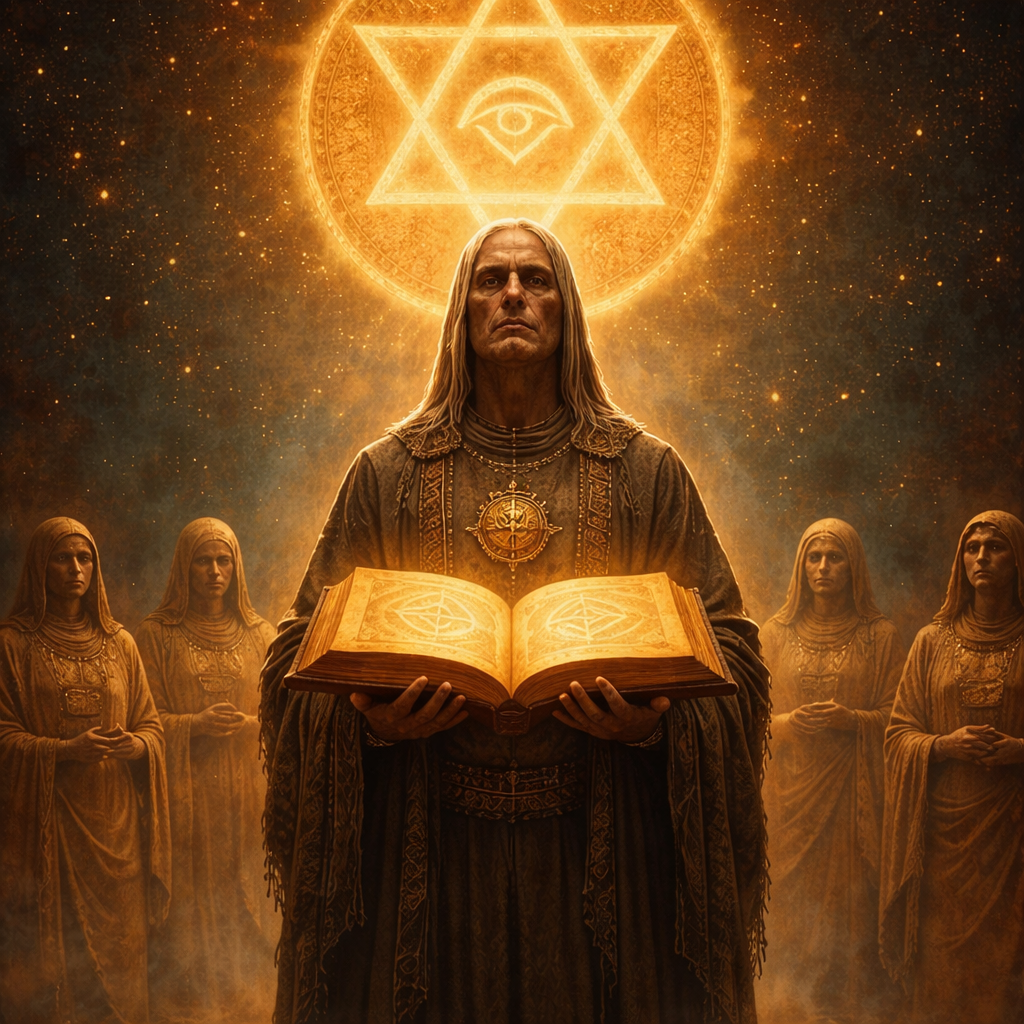

Celeste Moreau (Divination & Symbolism Reviewer) — Neil S. Fujita's 'A Crack in the Jar' offers a compelling journey into the heart of Jewish mysticism through the lens of the Dead Sea Scrolls. Fujita's scholarly yet accessible prose illuminates the esoteric dimensions of these ancient texts, revealing their profound relationship with Kabbalistic principles and their often-overlooked connections to early Christian thought. The book excels in its nuanced interpretation of complex symbolism and its critical engagement with established scholarship. This work is an invaluable resource for anyone seeking to understand the mystical currents that shaped ancient Judaism and continue to resonate today. Highly recommended for serious students of esotericism and religious history.
📝 Description
Delve into the profound depths of ancient wisdom with Neil S. Fujita's 'A Crack in the Jar,' an illuminating exploration of the Dead Sea Scrolls and their profound connections to Kabbalistic thought and Jewish mysticism. This meticulously researched tome unearths hidden knowledge from the sacred sites of Qumran, Wadi Murabáat, Wadi ed-Daliyeh, Khirbet Mird, Nahal Hever, and Masada, revealing the esoteric underpinnings of these ancient texts. Fujita masterfully navigates the complex symbolism, mystical interpretations, and critical analyses of these manuscripts, offering a unique perspective on their enduring legacy. For the dedicated seeker of spiritual truth, the discerning scholar, or the practitioner seeking to deepen their understanding of the mystical traditions, this book serves as a potent key, unlocking the secrets held within these foundational documents. It invites contemplation on the divine spark, the nature of revelation, and the intricate tapestry of esoteric Judaism, bridging the gap between antiquity and the modern quest for enlightenment.
✍️ Author
💡 Why Read This Book?
Uncover the hidden spiritual currents flowing through the Dead Sea Scrolls. 'A Crack in the Jar' offers a unique gateway into the esoteric interpretations of these ancient Jewish texts, revealing their deep connections to Kabbalah and mysticism. Ideal for seekers of profound spiritual knowledge, scholars of ancient religions, and practitioners wishing to enrich their understanding of mystical traditions. This book provides a rare glimpse into the wisdom that has shaped millennia.
⭐ Reader Reviews
Honest opinions from readers who have explored this book.
❓ Frequently Asked Questions
What is the primary focus of 'A Crack in the Jar'?
The book primarily focuses on the Dead Sea Scrolls and their intricate relationship with Kabbalah and Jewish mysticism, exploring their esoteric meanings and historical context.
Which ancient sites are discussed in the book?
Fujita's research encompasses scrolls from significant archaeological sites including Qumran, Wadi Murabáat, Wadi ed-Daliyeh, Khirbet Mird, Nahal Hever, and Masada.
What makes this book unique compared to other studies of the Dead Sea Scrolls?
Its unique strength lies in its deep dive into the mystical and Kabbalistic interpretations, moving beyond purely historical or textual analysis to explore the esoteric significance of the scrolls.
Who is the intended audience for 'A Crack in the Jar'?
The book is ideal for students of Kabbalah, Jewish mysticism, biblical studies, and anyone with a serious interest in uncovering the spiritual and esoteric dimensions of ancient religious texts.
Does the book discuss the relationship between the Dead Sea Scrolls and other religious traditions?
Yes, the book explores the potential connections and influences between the Dead Sea Scrolls and early Christian thought, offering a nuanced perspective on their interrelations.
🔮 Key Themes & Symbolism
The Esoteric Resonance of the Dead Sea Scrolls
This theme delves into the profound mystical and Kabbalistic layers embedded within the Dead Sea Scrolls. It explores how these ancient texts, discovered in remote desert caves, serve as a reservoir of hidden knowledge, offering insights into the spiritual practices, theological concepts, and esoteric traditions of Second Temple Judaism. Fujita highlights the symbolic language, allegorical interpretations, and prophetic visions that suggest a deliberate intention to convey deeper, hidden meanings beyond the literal word. The exploration includes the potential for these scrolls to reveal ancient meditative techniques, secrets of divine names, and pathways to spiritual ascent, positioning them as crucial artifacts for understanding the evolution of mystical thought.
Bridging Kabbalah and Early Jewish Mysticism
Fujita masterfully illuminates the nascent stages of Kabbalistic thought as evidenced in the Dead Sea Scrolls, demonstrating how these foundational texts prefigure and inform later Kabbalistic developments. The book investigates the symbolic cosmology, angelology, and the divine emanations described within the scrolls, drawing parallels to the Sephirotic Tree and other key Kabbalistic concepts. It examines the spiritual disciplines and ecstatic experiences sought by the Qumran community, suggesting a direct lineage from these early mystics to the codifiers of Kabbalah. This theme emphasizes the continuity of esoteric Jewish tradition and how the scrolls act as a vital link in understanding this rich spiritual heritage.
The Interplay with Scriptural Interpretation and Prophecy
This central theme scrutinizes how the Dead Sea Scrolls offer unique interpretations of biblical prophecy and sacred scripture, often through an esoteric and messianic lens. Fujita explores the community's methods of scriptural exegesis, particularly their use of pesher (interpretation) to reveal hidden meanings and future events. The book examines prophecies related to the coming of a Messiah, the role of angelic beings, and the ultimate cosmic redemption, suggesting that these interpretations were not merely academic but were integral to their spiritual path. The discourse also touches upon the potential parallels and divergences with New Testament interpretations, offering a critical yet appreciative comparative perspective.
💬 Memorable Quotes
“Within every cracked vessel, a divine light yearns to escape.”
— This metaphor suggests that even in imperfect or incomplete ancient texts, profound spiritual truths and esoteric knowledge lie waiting to be discovered and revealed.
“The desert whispers secrets to those who listen with their soul.”
— This speaks to the idea that spiritual insights and mystical understanding are often found not through rational intellect alone, but through intuitive perception and connection with the natural world.
“Ancient ink holds the echoes of celestial conversations.”
— This evocative phrase implies that the writings of antiquity, particularly sacred texts, contain remnants of divine communication and cosmic wisdom accessible through dedicated study and contemplation.
“The Qumran community sought the hidden pathways to the divine.”
— This highlights the active pursuit of esoteric knowledge and spiritual ascent by the ancient inhabitants of Qumran, underscoring their role as pioneers in mystical exploration.
“A crack in the jar is not a flaw, but an invitation to see within.”
— This reframes perceived imperfections in ancient texts as opportunities for deeper understanding, suggesting that the gaps and ambiguities are precisely where esoteric meanings can be found.
🌙 Esoteric Significance
Tradition
The esoteric significance of 'A Crack in the Jar' is deeply rooted in the tradition of Jewish mysticism, particularly as it relates to the early development of Kabbalah and Merkavah mysticism. The book explores ancient Jewish practices aimed at achieving direct experience of the divine, understanding cosmic structures, and deciphering hidden spiritual truths. It highlights how the Dead Sea Scrolls provide tangible evidence of these mystical pursuits, including contemplative practices, the study of angelic realms, and interpretations of scripture designed to reveal divine mysteries, thus forming a crucial bridge between ancient esoteric lore and later, more formalized Kabbalistic systems.
Symbolism
The scrolls are rich with symbolism that speaks to the esoteric worldview of their creators. Fujita likely explores symbols such as light and darkness representing spiritual states, celestial hierarchies and angelic beings as intermediaries, and the desert itself as a place of spiritual purification and divine encounter. The very act of writing and preserving these texts can be seen as symbolic of safeguarding sacred knowledge. The 'crack in the jar' itself becomes a potent symbol, representing the imperfect vessel of human understanding that, when broken or opened, allows the divine essence or hidden wisdom to be perceived. These symbols offer a language for expressing profound spiritual realities.
Modern Relevance
The modern relevance of the Dead Sea Scrolls, as presented in 'A Crack in the Jar,' lies in their enduring capacity to inspire spiritual seeking and intellectual curiosity. For contemporary practitioners of Kabbalah and Jewish mysticism, these texts offer a direct connection to the roots of their tradition, providing insights into ancient practices and beliefs. For scholars and seekers alike, they represent a profound exploration of humanity's perennial quest for meaning, divine connection, and understanding of the cosmos. The book’s emphasis on hidden knowledge and esoteric interpretation resonates with modern interests in consciousness, spirituality, and the timeless pursuit of wisdom, offering a bridge between ancient insights and contemporary questions.
👥 Who Should Read This Book
This book is a treasure for a diverse audience. Dedicated seekers of spiritual wisdom will find a profound exploration of ancient mystical paths and the profound truths held within the Dead Sea Scrolls. Scholars of biblical studies, Jewish history, and comparative religion will appreciate the rigorous research and nuanced interpretations. Practitioners of Kabbalah and Jewish mysticism will discover invaluable insights into the historical antecedents of their tradition and the esoteric underpinnings of sacred texts. Even those new to these subjects but possessing a deep curiosity about hidden knowledge and ancient spiritual traditions will find Fujita's work an engaging and illuminating entry point into a fascinating world.
📜 Historical Context
The era surrounding the Dead Sea Scrolls (roughly 3rd century BCE to 1st century CE) was a period of intense religious and intellectual ferment in ancient Judaism. This was a time when various sects, like the Essenes (often associated with Qumran), developed distinct theological viewpoints and spiritual practices, often with a strong esoteric or mystical bent. The Roman occupation, the Hellenistic influence, and the ongoing development of Rabbinic Judaism created a complex tapestry of beliefs and interpretations. The scrolls emerged from this dynamic environment, offering a unique window into alternative understandings of scripture, prophecy, and the divine, many of which diverged from mainstream Pharisaic and Sadducean views. Their discovery revolutionized biblical scholarship and provided crucial context for understanding the origins of both Rabbinic Judaism and early Christianity, revealing a broader spectrum of Jewish mystical thought than previously understood.
📔 Journal Prompts
Reflect on the symbolism of a 'crack in the jar' in your own spiritual journey. What imperfections have led to deeper insights?
Imagine you are a scribe in the Qumran community. What hidden message would you wish to convey through your writings?
How does the concept of 'celestial conversations' resonate with your understanding of prayer or meditation?
Consider the desert as a metaphor for spiritual solitude. What lessons can be learned from such environments?
If the Dead Sea Scrolls hold 'echoes of celestial conversations,' what 'conversations' are you currently listening for in your life?
🗂️ Glossary
Kabbalah
A system of Jewish mysticism that seeks to understand the divine nature and the relationship between God and creation through esoteric interpretations of scripture and symbolic practices.
Dead Sea Scrolls
Ancient Jewish manuscripts discovered in caves near the Dead Sea, containing biblical texts, apocryphal works, and sectarian documents, offering critical insights into Second Temple Judaism.
Merkavah Mysticism
An early form of Jewish mysticism focused on visionary ascent through heavenly palaces (heikhalot) to behold the divine chariot (merkavah) described in Ezekiel's vision.
Pesher
A specific type of Jewish biblical commentary prevalent in Qumran literature, which interprets biblical prophecies as directly relating to the community's own time and experiences.
Esotericism
A broad category of spiritual or religious traditions that advocate for the knowledge of hidden truths accessible only to a select few, often through initiation or specialized study.