Critique of psychoanalysis
 74
74

Critique of psychoanalysis


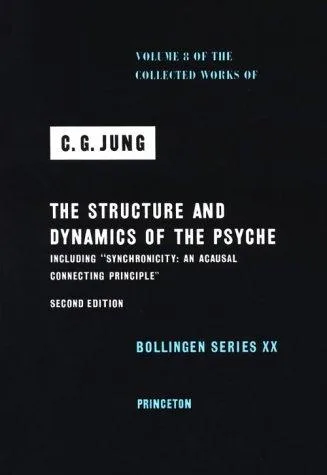
'Critique of Psychoanalysis' by Carl Gustav Jung is a masterclass in esoteric insights, offering readers a comprehensive critique of Freudian psychoanalysis through the lens of Jungian psychology. Jung's exploration of alchemy, dreams, and the occult provides a rich tapestry of hidden knowledge that is both enlightening and transformative. The book's strengths lie in its meticulous analysis and its ability to unveil the symbolic underpinnings of human development. Ideal for scholars and practitioners of the mystical arts, this work is a must-read for anyone seeking to deepen their understanding of the human psyche.
📝 Description
74
Published in 1925, Carl Jung's 'Critique of Psychoanalysis' challenged Freud's theories.
Carl Jung's 1925 text, 'Critique of Psychoanalysis,' presents his early disagreements with Sigmund Freud's psychoanalytic framework. Jung moves beyond Freud's focus on libido, introducing his own concepts of psychic energy. He questions the purely sexual interpretation of neurosis and dreams, suggesting a broader, more symbolic meaning. The book examines the limitations of a purely materialistic view of the psyche, hinting at forces beyond conscious understanding.
Jung argues that psychoanalysis must account for the symbolic language of dreams and the unconscious, which he believed held keys to personal growth and spiritual development. This work lays the groundwork for his later theories on archetypes, the collective unconscious, and the process of individuation. It is a direct engagement with the theoretical underpinnings of psychoanalysis, written at a time when Jung was forging his own distinct path.
This early work by Jung situates his burgeoning critique within a context that would later embrace alchemy, Gnosticism, and Eastern philosophies. While not overtly esoteric in its language, it questions the purely rationalistic confines of Western science and psychology. Jung's dissatisfaction with Freud's reductive approach opens the door to a more symbolic and spiritual understanding of human consciousness, a path that would lead him to explore connections between psychological phenomena and ancient esoteric traditions.
💡 Why Read This Book?
Read 'Critique of Psychoanalysis' to gain a deeper understanding of the mystical dimensions of human development. Ideal for seekers of hidden knowledge, scholars of the occult, and practitioners of esoteric arts, this book offers a unique perspective on the symbolic and metaphysical aspects of the self. Jung's insights into alchemy, dreams, and the occult provide a rich foundation for spiritual growth and intellectual exploration.
⭐ Reader Reviews
Honest opinions from readers who have explored this book.
❓ Frequently Asked Questions
What is the main focus of 'Critique of Psychoanalysis'?
The book focuses on the problems connected with the stages of human development, offering a comprehensive critique of Freudian psychoanalysis through Jungian psychology.
Who should read this book?
This book is ideal for scholars of the occult, practitioners of esoteric arts, and spiritual seekers eager to uncover the symbolic and metaphysical dimensions of the self.
What esoteric themes are explored in this book?
The book delves into alchemy, occultism, parapsychology, and the symbolism of dreams, providing a rich tapestry of hidden knowledge.
How does Jung's approach differ from Freudian psychoanalysis?
Jung's approach bridges Eastern and Western spiritual traditions, offering a holistic view of psychic life that transcends conventional psychoanalytic thought.
What is the significance of Jung's exploration of alchemy in this book?
Jung's exploration of alchemy provides a symbolic framework for understanding the stages of human development, offering insights into the transformative processes of the self.
🔮 Key Themes & Symbolism
Alchemy and Transformation
Jung's exploration of alchemy in 'Critique of Psychoanalysis' provides a symbolic framework for understanding the stages of human development. By exploring the mystical and transformative processes of alchemy, Jung offers insights into the self's journey towards wholeness and enlightenment. This theme is particularly relevant for practitioners of esoteric arts and spiritual seekers eager to uncover the hidden dimensions of the psyche.
Occultism and Parapsychology
The book looks at the occult and parapsychological dimensions of the human psyche, offering a comprehensive critique of Freudian psychoanalysis through the lens of Jungian psychology. Jung's insights into the paranormal provide a rich foundation for understanding the symbolic and metaphysical aspects of the self, making this theme essential for scholars of the occult and practitioners of esoteric arts.
Symbolism of Dreams
Jung's exploration of dreams in 'Critique of Psychoanalysis' reveals the symbolic underpinnings of the human psyche. By analyzing the mystical and esoteric dimensions of dreams, Jung offers a unique perspective on the stages of human development. This theme is particularly relevant for spiritual seekers and scholars of the occult, providing a wide range of hidden knowledge and transformative insights.
💬 Memorable Quotes
Direct passages from the work, attributed to the author.
“The unconscious is not just evil by nature, it is also the source of renewal.”
— Jung highlights the dual nature of the unconscious, recognizing it as a source of both darkness and enlightenment.
“Dreams are the royal road to the unconscious.”
— This famous quote emphasizes the importance of dreams in uncovering the hidden dimensions of the psyche.
“The shadow is a moral problem that challenges the whole ego-personality, for no one can become conscious of the shadow without considerable moral effort.”
— Jung's exploration of the shadow archetype reveals the challenges and rewards of self-awareness and personal growth.
💡 Key Ideas
Editorial paraphrase of the work's core concepts — not direct quotes.
The goal of the individuation process is the self-realization of the whole personality.
This quote underscores Jung's belief in the transformative power of self-discovery and personal growth.
Alchemy represents the movement of the soul.
This quote underscores the symbolic significance of alchemy in Jung's psychological framework, highlighting its role in the transformative journey of the self.
🌙 Esoteric Significance
Tradition
This book belongs to the Hermetic tradition, which emphasizes the unity of all things and the transformative power of self-knowledge. Jung's exploration of alchemy, occultism, and parapsychology reflects the Hermetic principle of 'as above, so below,' highlighting the interconnectedness of the microcosm and macrocosm.
Symbolism
Key symbols in this book include the alchemical process of transformation, the shadow archetype, and the symbolism of dreams. These symbols represent the hidden dimensions of the psyche, offering insights into the stages of human development and the journey towards self-realization.
Modern Relevance
Jung's insights into the stages of human development continue to be relevant today, influencing modern practitioners of esoteric arts, spiritual seekers, and scholars of the occult. His exploration of alchemy, dreams, and the occult provides a rich foundation for understanding the symbolic and metaphysical dimensions of the self, making this book an essential read for those seeking to deepen their understanding of the human psyche.
👥 Who Should Read This Book
Beginners interested in the mystical and esoteric dimensions of the human psyche will find 'Critique of Psychoanalysis' an enlightening introduction to Jungian psychology. Scholars of the occult will appreciate the book's comprehensive critique of Freudian psychoanalysis and its exploration of alchemy, occultism, and parapsychology. Spiritual seekers eager to uncover the symbolic and metaphysical aspects of the self will find Jung's insights transformative. Practitioners of esoteric arts will benefit from the book's wide range of hidden knowledge and its emphasis on the transformative power of self-discovery.
📜 Historical Context
Written in the early 20th century, 'Critique of Psychoanalysis' emerged during a time of significant intellectual and spiritual ferment. Jung's work was a direct response to the dominance of Freudian psychoanalysis, offering an alternative perspective that incorporated esoteric and mystical traditions. The book's influence can be seen in the development of Jungian psychology, which has had a lasting impact on the fields of psychotherapy, spiritualism, and the occult. Jung's insights into the stages of human development have inspired countless scholars and practitioners, shaping the way we understand the human psyche.
📔 Journal Prompts
How do Jung's insights into alchemy influence your understanding of personal transformation?
In what ways does the exploration of the shadow archetype challenge your sense of self?
How do dreams serve as a gateway to the unconscious mind, and what symbols have you encountered in your own dreams?
How does Jung's critique of Freudian psychoanalysis resonate with your own spiritual journey?
What esoteric traditions or practices have you found helpful in your quest for self-realization?
🗂️ Glossary
Individuation
The process of integrating the conscious and unconscious aspects of the psyche to achieve self-realization and wholeness.
Shadow Archetype
The unconscious aspects of the personality which the conscious ego doesn't identify with.
Alchemy
An ancient practice that combines elements of chemistry, physics, and mysticism, often symbolizing the transformation of the self.
Active Imagination
A technique developed by Jung to engage with the unconscious mind through conscious imagination and creativity.
Collective Unconscious
A deep layer of the psyche containing universal, innate structures shared among all humans.
This book appears in 3 collections
🔮 Readers Also Liked
Browse all →
![Herrman's [sic] black art](/img/thumb/herrman-s-sic-black-art-alexander-herrmann.webp)







More by Carl Gustav Jung
All books →
From the “Hermeticism” Collection
View all →








More Free Alchemy & Hermeticism Books
View all →