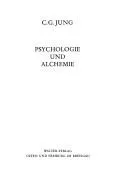
Psychologie und Alchemie
 65
65

Psychologie und Alchemie



Carl Gustav Jung's Psychologie und Alchemie is a masterclass in the esoteric insights that bridge the ancient practice of alchemy with modern psychological theory. Jung's meticulous analysis of alchemical symbolism and its psychological underpinnings offers a rich tapestry of hidden knowledge that is both intellectually stimulating and spiritually enlightening. The book is a must-read for those interested in the mystical and occult, providing deep esoteric insights that are as relevant today as they were when first penned.
📝 Description
65
Carl Jung published 'Psychologie und Alchemie' in 1944, connecting alchemical imagery to psychological states.
In 'Psychologie und Alchemie,' Carl Jung examines the symbolic language of alchemy and its relation to the human psyche. He argues that alchemical processes, often seen as purely material, actually represent psychological transformations. Jung draws on his extensive study of ancient texts, presenting alchemical symbols as expressions of unconscious archetypes.
He illustrates these connections through case studies, dream analysis, and the history of psychology. Jung proposes that alchemy was a kind of early, albeit often unconscious, psychological practice. The book details how alchemical metaphors for transformation, like the coniunctio or the lapis philosophorum, mirror the individuation process. It is a detailed exposition of Jung's theory that the unconscious mind uses symbolic imagery that resonates with historical esoteric traditions.
Carl Jung's 'Psychologie und Alchemie' positions itself within the tradition of Jungian psychology's engagement with esoteric systems. It builds upon his earlier work linking psychological phenomena to Gnostic texts and other historical spiritual practices. The book treats alchemy not as a primitive science, but as a symbolic precursor to modern depth psychology, demonstrating how the alchemists' quest for transformation mirrored the inner psychological journey of individuation. It connects the visual and conceptual language of alchemy to the universal patterns of the human psyche.
💡 Why Read This Book?
Read Psychologie und Alchemie to gain a deeper understanding of the psychological aspects of alchemy. Ideal for seekers of hidden knowledge, scholars of the occult, and practitioners of psychological and spiritual alchemy, this book offers a unique perspective on the intersection of ancient mysticism and modern psychology. It is a journey into the depths of the human psyche, revealing the hidden meanings behind alchemical symbols and their significance in our spiritual quest.
⭐ Reader Reviews
Honest opinions from readers who have explored this book.
❓ Frequently Asked Questions
What is the main focus of Psychologie und Alchemie?
The main focus is the psychological interpretation of alchemical symbols and processes, bridging ancient alchemy with modern psychological theory.
Who is the intended audience for this book?
The book is intended for seekers of hidden knowledge, scholars of the occult, and practitioners of psychological and spiritual alchemy.
What are some key themes in Psychologie und Alchemie?
Key themes include the psychological significance of alchemical symbolism, the role of dreams in psychological development, and the intersection of religious psychology and alchemy.
How does Jung approach the subject of alchemy?
Jung approaches alchemy from a psychological perspective, interpreting alchemical symbols and processes as representations of inner psychological states and transformations.
What is the historical significance of Psychologie und Alchemie?
The book is historically significant for its pioneering work in integrating alchemical symbolism with modern psychological theory, influencing both fields.
🔮 Key Themes & Symbolism
Alchemical Symbolism
Jung's exploration of alchemical symbolism reveals the hidden meanings behind ancient alchemical texts, interpreting them as representations of inner psychological states and transformations. This theme is central to understanding the psychological dimensions of alchemy.
Dreams and Psychological Development
The book studies the role of dreams in psychological development, using alchemical symbolism to interpret and understand the deeper meanings behind dreams. This theme highlights the significance of dreams in our spiritual and psychological quest.
Religious Psychology and Alchemy
Jung examines the intersection of religious psychology and alchemy, revealing how alchemical processes can be seen as spiritual journeys towards self-discovery and enlightenment. This theme underscores the philosophical significance of alchemy as a path to spiritual growth.
💬 Memorable Quotes
Direct passages from the work, attributed to the author.
“Dreams are the language of the unconscious.”
— Jung highlights the importance of dreams in revealing the hidden aspects of our psyche.
“Alchemy is a symbolic representation of the individuation process.”
— This interpretation explains how alchemy can be seen as a journey towards self-discovery and psychological integration.
💡 Key Ideas
Editorial paraphrase of the work's core concepts — not direct quotes.
The alchemist's laboratory is the seeker's inner world.
This quote emphasizes the idea that alchemical processes are symbolic of inner psychological transformations.
The self is the central archetype of the collective unconscious.
This quote underscores the significance of the self in Jung's psychological theory and its connection to alchemical symbolism.
The goal of alchemy is the unification of opposites.
This quote highlights the philosophical significance of alchemy as a path to spiritual and psychological wholeness.
🌙 Esoteric Significance
Tradition
Psychologie und Alchemie belongs to the Hermetic tradition, which emphasizes the hidden knowledge and symbolism found in alchemy. This tradition seeks to reveal the deeper meanings behind alchemical processes and their connection to spiritual and psychological growth.
Symbolism
Key symbols in the book include the philosopher's stone, the prima materia, and the process of distillation. These symbols represent inner psychological states and transformations, highlighting the esoteric significance of alchemy.
Modern Relevance
This book remains relevant today for modern practitioners of psychological and spiritual alchemy, offering insights into the hidden meanings behind alchemical symbolism and its significance in our spiritual quest. It is a valuable resource for those seeking to understand the psychological dimensions of alchemy.
👥 Who Should Read This Book
Beginners interested in the mystical and occult will find Psychologie und Alchemie an enlightening introduction to the psychological dimensions of alchemy. Scholars of the occult will appreciate Jung's deep esoteric insights and their historical significance. Spiritual seekers will benefit from the book's exploration of the spiritual journey towards self-discovery and enlightenment. Practitioners of psychological and spiritual alchemy will find valuable tools and perspectives for their own practices.
📜 Historical Context
Psychologie und Alchemie was written in a time when psychology was emerging as a distinct field of study, and Jung sought to integrate it with ancient mystical traditions. The book was important for its pioneering work in bridging the gap between alchemy and psychology, influencing both fields and paving the way for further exploration of the psychological dimensions of alchemy. Its influence can be seen in modern psychological and spiritual practices that incorporate alchemical symbolism.
📔 Journal Prompts
How do the symbols in alchemy reflect inner psychological states?
What role do dreams play in our spiritual and psychological development?
How can alchemy be seen as a journey towards self-discovery and enlightenment?
What are the key themes in Jung's interpretation of alchemical symbolism?
How does the unification of opposites relate to spiritual and psychological wholeness?
🗂️ Glossary
Alchemy
An ancient mystical practice that seeks to transform base metals into gold, symbolizing spiritual and psychological transformation.
Symbolism
The use of symbols to represent abstract ideas or concepts, often found in alchemy and other esoteric traditions.
Psychological Aspects
The ways in which psychological theories and concepts are applied to understand and interpret alchemical symbolism.
Individuation
The process of integrating the conscious and unconscious aspects of the psyche to achieve psychological wholeness.
Hermetic Tradition
A mystical tradition that emphasizes hidden knowledge and symbolism, often associated with alchemy and other esoteric practices.
This book appears in 3 collections
🔮 Readers Also Liked
Browse all →








More by Carl Gustav Jung
All books →

From the “Hermeticism” Collection
View all →








More Free Alchemy & Hermeticism Books
View all →