52,000+ Esoteric Books Free + Modern Compare Prices
Home Collections Archetypes
📖

Archetype Books: A Comprehensive Reading List

Archetype studies span myth, psychology, and esoteric traditions, with foundational texts like Frazer's 'The Golden Bough' tracing universal patterns from ancient rites to modern symbolism. This curated list provides essential reading for anyone seeking to understand the deep structures of human consciousness and culture. Below, you will find recommended books categorized by difficulty, key definitions, and a suggested reading order to navigate this complex subject.

Top Archetypes Books

25 Archetypes books
Kundalini and Yantra
📖
Kundalini and Yantra
A Brief Introduction for Inquiring
4.6
80
Numerology (1921)
📖
Numerology (1921)
Clifford Cheasley
4.0
61
HIDDEN GEM
The tarot
📖
The tarot
Cynthia Elizabeth Giles
4.1
65
The Jungian Vessel
📖
The Jungian Vessel
Kai Charles Forest
4.3
72
Poems
📖
Poems
Rudyard Kipling
4.3
71

What are Archetypes?

Archetypes are universal, archaic patterns and images that derive from the collective unconscious and are the psychic counterpart of instinct. They represent fundamental human experiences and motivations, manifesting in myths, dreams, art, and religious symbolism across cultures and time. Understanding archetypes provides a framework for interpreting the deeper meanings embedded in human expression and behavior.

Best Books for Complete Beginners

For those new to the study of archetypes, starting with accessible introductions is crucial. C.G. Jung's 'The collected works of C.G. Jung' offers foundational concepts, though specific volumes like 'Volume 13 Alchemical Studies' can be a good entry point into his symbolic approach. Kai Charles Forest's 'The Jungian Vessel' provides a more modern, applied perspective on Jungian concepts. Philippe L. De Coster's 'Creative Occultism and Meditation - First Year - Part I' introduces symbolic thinking within a practical occult framework, while 'Talking Xmas Story' by Edwin VanGorder explores archetypal narratives in a cultural context.

Intermediate Reading

Moving beyond introductory concepts, intermediate texts delve deeper into specific applications and historical contexts. James George Frazer's 'The Golden Bough' is indispensable for understanding the archetypal basis of magic and religion across diverse cultures. Chic Cicero & Sandra Tabatha Cicero's 'Secrets of a Golden Dawn Temple - Book 1' explores the practical application of archetypal symbolism in ritual magic. Adam McLean's 'An Hermetic Origin of the Tarot Cards' examines archetypal imagery within the Tarot, and 'The Hermetic Code In DNA' by Michael Hayes offers a speculative link between archetypes and biological systems.

Classical / Advanced Texts

Advanced study involves engaging with primary sources and complex theoretical frameworks. C.G. Jung's extensive 'The collected works of C.G. Jung', particularly volumes dedicated to archetypes and the unconscious, remains central. 'Alkimia Operativa and Alkimia Speculativa. Some Modern Controversies on the Historiography of Alchemy' by Florin George Calian offers scholarly analysis of alchemical symbolism, often rich with archetypal content. For a more radical perspective on archetypal forces, 'Order of the Nine Angles - Infernal Part 1' by Various ONA authors presents a challenging, non-traditional exploration.

Reading Order — Step by Step

Begin with foundational psychological texts on archetypes, such as introductory works by or about C.G. Jung, like 'Volume 13 Alchemical Studies'. In Month 1, supplement this with Frazer's 'The Golden Bough' to grasp the cross-cultural manifestations of archetypal themes in myth and ritual. Month 2 can focus on practical applications, exploring Chic Cicero & Sandra Tabatha Cicero's 'Secrets of a Golden Dawn Temple' and Adam McLean's 'An Hermetic Origin of the Tarot Cards'. For Month 3 and beyond, engage with more specialized or advanced texts like Michael Hayes' 'The Hermetic Code In DNA' or scholarly works on alchemy and esoteric traditions.

Frequently Asked Questions

Which archetype book should I read first?

Begin with C.G. Jung's 'Volume 13 Alchemical Studies' for a foundational understanding of his theories, or Frazer's 'The Golden Bough' for a broad survey of archetypal themes in global mythology and religion.

Are archetypes only relevant to psychology?

No, archetypes are studied across mythology, comparative religion, literature, art history, and esoteric traditions, offering insights into universal human experiences and cultural expressions.

How do archetypes relate to myths?

Myths are considered primary expressions of archetypes, telling stories that embody universal human patterns, conflicts, and transformations found in the collective unconscious.

Can archetypes be used in practical ways?

Yes, they can be applied in areas like personal development, understanding relationships, creative arts, and ritual practices, as explored in works like the Cicero's 'Secrets of a Golden Dawn Temple'.

What is the difference between an archetype and a symbol?

An archetype is the underlying pattern or image, while a symbol is the concrete representation or manifestation of that archetype in conscious thought or expression.

Are there modern interpretations of archetypes?

Certainly. Contemporary works like 'The Jungian Vessel' by Kai Charles Forest or even speculative texts like 'The Hermetic Code In DNA' by Michael Hayes offer modern perspectives and applications of archetypal theory.

Why Each Book Matters

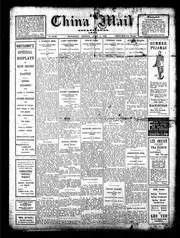
China Mail 1958-04-12

China Mail 1958-04-12

This historical newspaper from April 12, 1958, while not an esoteric text, offers a unique window into the collective consciousness of its era, which can be analyzed for underlying Archetypal patterns. By examining news reports, social commentary, and cultural narratives, readers might discern the prevailing Archetypes of the time—such as the hero in political figures, the shadow in societal conflicts, or the collective desire for progress. This primary source provides a fascinating, albeit indirect, opportunity to observe how Archetypal forces manifest in public discourse and daily life during a specific historical period, reflecting universal human concerns.

China Mail 1926-04-05

China Mail 1926-04-05

This historical newspaper from April 5, 1926, provides a valuable snapshot of society and culture during the 1920s, allowing for an indirect exploration of Archetypal themes. While not a direct study of Archetypes, its content—including articles, advertisements, and social observations—can reveal the dominant collective anxieties, aspirations, and moral frameworks of the period. Readers might identify Archetypal roles in public figures, the emergence of new cultural Archetypes, or the eternal Archetype of change and tradition in conflict, offering a rich context for understanding human behavior through a historical lens.

Kundalini and Yantra

Kundalini and Yantra

by A Brief Introduction for Inquiring Minds by David Edwin Hill

This introduction by David Edwin Hill explores Kundalini energy and Yantra, two powerful concepts in esoteric Hinduism. Kundalini, often depicted as a coiled serpent, represents a primal Archetypal life force, while Yantras are geometric diagrams that serve as Archetypal meditation tools. The book provides a concise overview of these practices, explaining how they facilitate spiritual awakening and the activation of inner Archetypal energies. Hill specifically outlines the chakras and their connection to Kundalini's ascent.

Occult psychology

Occult psychology

by Alta J. LaDage

Alta J. LaDage's "Occult Psychology" provides a foundational understanding of the psychological dimensions underlying various esoteric practices. This book explores the hidden aspects of the human mind and its connection to universal principles, offering insights into how Archetypal patterns manifest in our consciousness and unconscious. It serves as an excellent introduction for those seeking to bridge the gap between conventional psychology and the deeper, often mystical, forces that shape our experience. The text specifically discusses the influence of thought forms and psychic energy.

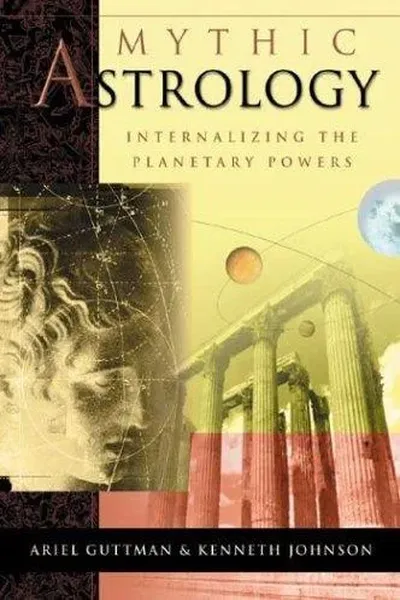
Mythic Astrology

Mythic Astrology

by Ariel Guttman

Ariel Guttman explores the rich tapestry of mythological narratives embedded within astrological principles, demonstrating how planetary positions and zodiacal signs resonate with timeless Archetypal stories. This book helps readers understand their birth charts through the lens of heroes, gods, and goddesses, connecting personal destiny to universal Archetypal patterns. Guttman specifically analyzes the mythological associations of planets and signs, offering a unique perspective on how these ancient tales illuminate individual psychological dynamics and life paths.

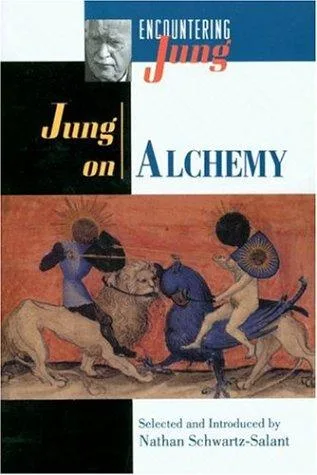
Jung on alchemy

Jung on alchemy

by Carl Gustav Jung

This collection compiles the profound insights of Carl Gustav Jung on the symbolic and psychological significance of alchemy. Jung viewed alchemical processes not merely as attempts to transmute base metals, but as projections of the unconscious psyche's journey towards individuation and wholeness. The book explores how alchemical symbols and stages, such as the coniunctio (sacred marriage), represent Archetypal transformations within the human spirit. It specifically references historical alchemical texts to illustrate Jung's theories, providing a deep dive into the Archetypal underpinnings of this ancient art.

Psychology and Alchemy

Psychology and Alchemy

by Carl Gustav Jung

This monumental work by Carl Gustav Jung is a cornerstone in the study of Archetypes, demonstrating the profound parallels between the ancient practice of alchemy and the process of psychological individuation. Jung meticulously analyzes alchemical texts and imagery, showing how they are symbolic projections of unconscious contents and Archetypal patterns. The book contains numerous illustrations of alchemical symbols, which Jung interprets as representations of the psyche's journey towards wholeness, making it an indispensable resource for advanced Archetypal studies.

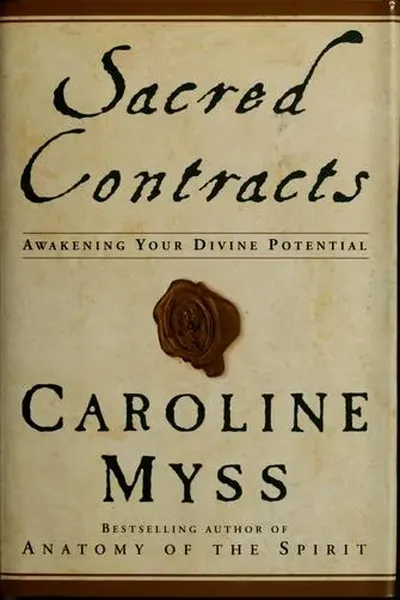
Sacred contracts

Sacred contracts

by Caroline Myss

Caroline Myss introduces the concept of "sacred contracts," arguing that each individual is born with a divine plan guided by specific Archetypal patterns. This transformative work helps readers identify their personal Archetypes—such as the Healer, the Visionary, or the Rebel—and understand how these patterns influence their life choices, relationships, and spiritual journey. Myss provides detailed descriptions of common Archetypes and practical exercises for discovering one's own, empowering readers to live in alignment with their unique Archetypal blueprint.

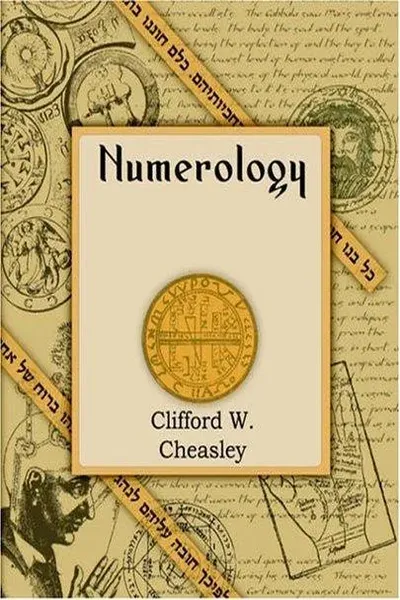
Numerology (1921)

Numerology (1921)

by Clifford Cheasley

Clifford Cheasley's early 20th-century work on Numerology explores the symbolic significance of numbers and their influence on human personality and destiny. While not explicitly using the term "Archetypes," this book delves into universal patterns associated with each number, which resonate deeply with Archetypal energies. Readers can learn how to calculate their personal numbers and interpret their meanings, uncovering the underlying Archetypal blueprint of their lives. Cheasley provides specific methods for analyzing names and birth dates to reveal character traits and life paths.

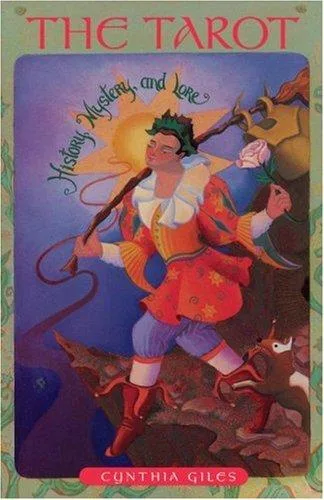
The tarot

The tarot

by Cynthia Elizabeth Giles

Cynthia Elizabeth Giles provides an accessible introduction to the world of Tarot, outlining the meanings of its 78 cards and their symbolic significance. This book is a valuable resource for beginners seeking to understand how the Major and Minor Arcana reflect various Archetypal stages and figures in the human journey. It specifically details interpretations for upright and reversed card positions, helping readers connect the visual symbolism to their inner psychological landscape. Giles simplifies complex concepts, making the Archetypal language of the Tarot understandable for practical application.

Talking Xmas Story

Talking Xmas Story

by Edwin VanGorder

This book, "Talking Xmas Story" by Edwin VanGorder, appears to be a narrative or collection related to Christmas, which, while not directly about Archetypes, often features strong Archetypal themes. Stories of rebirth, generosity, family, and the spirit of giving are universal Archetypal narratives that resonate deeply during the holiday season. While specific content isn't detailed, readers might find reflections on the Archetypal child, the benevolent elder (Santa Claus), or the communal spirit of celebration, providing a cultural context for understanding these ingrained patterns.

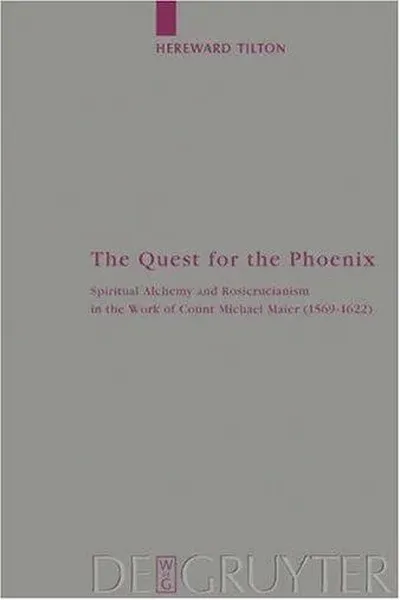
Quest for the Phoenix

Quest for the Phoenix

by Hereward Tilton

"Quest for the Phoenix" by Hereward Tilton likely explores the symbolism of the mythical Phoenix, a powerful Archetype of death, rebirth, and eternal renewal. This book would delve into the creature's origins in various mythologies and its significance as a symbol of transformation and immortality. Readers can expect to find discussions on how the Phoenix Archetype manifests in spiritual journeys, personal crises, and periods of profound change, offering hope and inspiration for overcoming adversity. Tilton specifically traces the Phoenix myth through ancient Egyptian and Greek traditions.

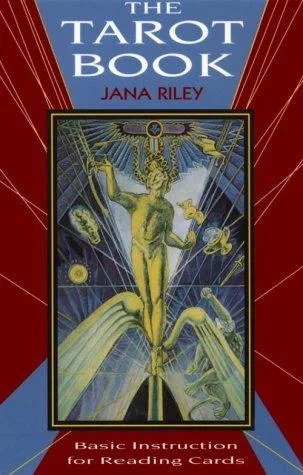
The tarot book

The tarot book

by Jana Riley

Jana Riley offers a comprehensive guide to understanding and using the Tarot, making it accessible for both novices and those seeking to deepen their practice. The book provides clear explanations of the Major and Minor Arcana, illustrating how each card represents a facet of human experience and Archetypal energy. Riley includes various spreads and practical exercises, enabling readers to engage directly with the Archetypal narratives embedded in the cards for self-reflection and guidance. This book specifically features practical layouts for different types of readings.

The Jungian Vessel

The Jungian Vessel

by Kai Charles Forest

Kai Charles Forest offers a deep exploration of Jungian concepts, using the metaphor of a "vessel" to represent the container of the psyche and its transformative processes. This book likely delves into the intricacies of the collective unconscious, the individuation process, and the dynamic interplay of Archetypes within the individual. It is designed for readers with some familiarity with Jungian thought, offering advanced insights into how the psyche integrates its various Archetypal components. Forest specifically examines the role of active imagination in psychological development.

Neue Alchemie

Neue Alchemie

by Melanie Bono

This book, "Neue Alchemie" by Melanie Bono, likely explores contemporary interpretations or applications of alchemical principles, which are deeply intertwined with Archetypal psychology. While specific content without a direct description is challenging, alchemical texts often symbolize psychological transformation, purification, and integration, mirroring the journey of individuation. Readers can expect to find modern perspectives on the ancient art, potentially connecting its symbolic stages—like nigredo (blackening) or rubedo (reddening)—to Archetypal experiences of despair, renewal, and spiritual realization in a fresh context.

Kabbalah and eros

Kabbalah and eros

by Moshe Idel

Moshe Idel, a renowned scholar of Kabbalah, explores the mystical dimensions of Eros within Jewish esoteric traditions. This work delves into complex theological and philosophical concepts, revealing how divine and human love are intertwined with profound Archetypal forces of creation and union. While highly academic, it offers insights into the Archetypal symbolism of the Sephiroth and their dynamic interplay, particularly concerning gender and divine emanation. Idel specifically analyzes medieval Kabbalistic texts to uncover the erotic symbolism.

The I ching

The I ching

by Peggy Jones

Peggy Jones offers a practical guide to the ancient Chinese oracle, the I Ching, or Book of Changes. This text explores the 64 hexagrams, each representing a unique Archetypal situation or pattern of change. Jones's interpretation helps readers apply the wisdom of the I Ching to modern life, providing insights into decision-making and understanding life's cyclical nature. The book specifically focuses on how to consult the oracle and interpret its responses, guiding users through the intricate symbolic language of the hexagrams and their transformative Archetypal energies.

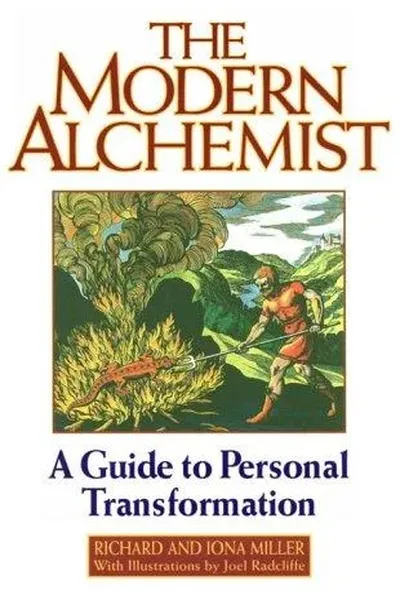
The modern alchemist

The modern alchemist

by Richard Alan Miller

Richard Alan Miller explores contemporary applications and understandings of alchemical principles, bridging ancient wisdom with modern scientific and spiritual thought. This book likely reinterprets the Archetypal journey of alchemy for the modern seeker, focusing on personal transformation, consciousness expansion, and holistic well-being. Readers can find practical insights into how alchemical processes, which are fundamentally Archetypal, can be applied to personal growth and the manifestation of desired realities. Miller specifically discusses the use of sound and vibration in modern alchemical practices.

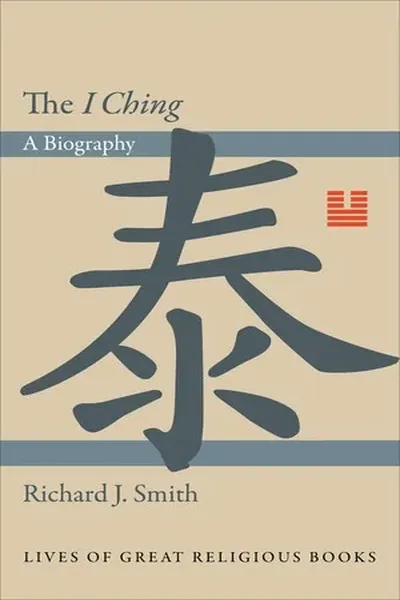
The I Ching

The I Ching

by Richard J. Smith

Richard J. Smith presents a scholarly yet accessible examination of the I Ching, delving into its historical context, philosophical underpinnings, and practical applications. This work highlights how the I Ching's hexagrams embody fundamental Archetypal principles of cosmic and human interaction, offering a profound system for understanding change. Smith specifically discusses the evolution of the I Ching's commentaries and its influence on Chinese thought, providing a deeper appreciation for this ancient text as a reflection of universal Archetypal processes.

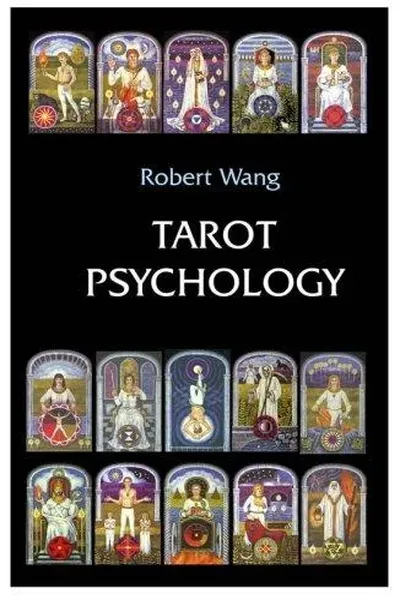
Tarot Psychology

Tarot Psychology

by Robert Wang

Robert Wang presents a sophisticated exploration of the Tarot from a Qabalistic and psychological perspective, revealing its intricate connections to the Tree of Life and Archetypal symbolism. This book goes beyond basic card meanings to analyze the energetic and symbolic relationships between the Major Arcana and the Sephiroth, offering a deep understanding of the Tarot as a map of consciousness. Wang specifically details the Qabalistic correspondences for each card, providing a framework for profound Archetypal introspection and spiritual development.

Poems

Poems

by Rudyard Kipling

This collection of poetry by Rudyard Kipling, a Nobel laureate, offers a rich tapestry of human experience, though not directly about Archetypes, it often touches upon universal themes of heroism, sacrifice, and the human condition. Readers can observe how Archetypal figures like the explorer, the soldier, or the common man are portrayed, reflecting deep-seated patterns of courage and resilience. Kipling's vivid storytelling and characterizations provide a literary lens through which to appreciate the timeless nature of these psychological blueprints. His famous poem "If—" is a powerful exploration of ideal Archetypal virtues.

Jung and Tarot

Jung and Tarot

by Sallie Nichols

Sallie Nichols, a prominent Jungian analyst, masterfully bridges the symbolism of the Tarot with the psychological insights of Carl Gustav Jung. This seminal work demonstrates how the 22 Major Arcana cards perfectly embody the Archetypes of the collective unconscious, such as the Hero, the Great Mother, or the Shadow. Nichols provides detailed analyses of each Major Arcana card, revealing their profound psychological significance and how they represent stages of the individuation process, making it an essential text for understanding Archetypal patterns in Tarot.

Kabbalah and Alchemy

Kabbalah and Alchemy

by Schwarz, Arturo

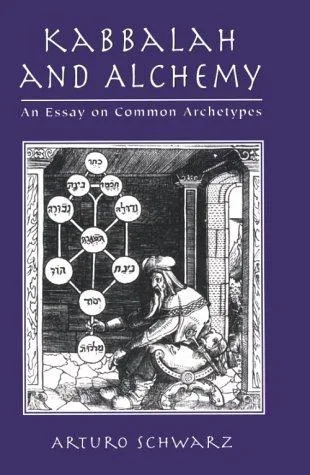
Arturo Schwarz explores the fascinating parallels and interconnections between Kabbalah and alchemy, two profound esoteric traditions deeply steeped in Archetypal symbolism. This book reveals how both systems offer pathways to spiritual transformation and self-realization through the manipulation of symbols and internal processes. Readers will discover how concepts like the Tree of Life in Kabbalah and the alchemical Great Work reflect universal Archetypal patterns of creation, destruction, and renewal. Schwarz specifically analyzes the shared symbolism of the Sephiroth and alchemical stages.

Alchemy & Alchemists

Alchemy & Alchemists

by Sean Martin

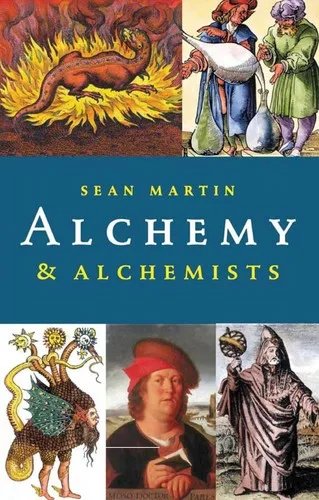
Sean Martin provides a historical and conceptual overview of alchemy, exploring its origins, practices, and key figures. This book sheds light on how alchemical pursuits, often aimed at spiritual transformation, are rich with Archetypal symbolism. Readers can trace the development of alchemical thought and recognize how its stages—like the separation and conjunction of elements—mirror the Archetypal journey of psychological integration and spiritual enlightenment. Martin specifically discusses the philosophical mercury and sulphur, central to alchemical theory.

Chinese Astrology

Chinese Astrology

by Shelly Wu

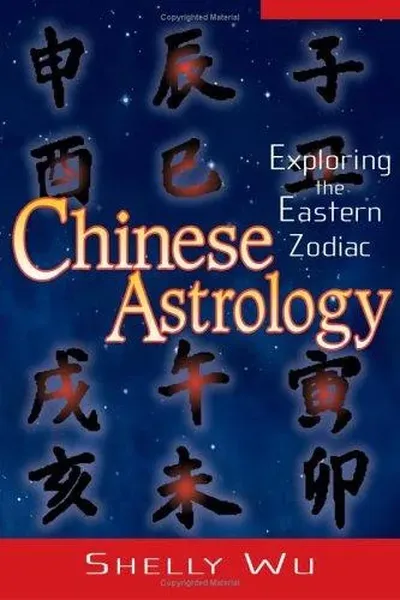
Shelly Wu offers an insightful guide to Chinese Astrology, detailing the twelve animal signs and their associated characteristics, which can be understood as distinct Archetypal personalities. This book explores the intricate relationships between the animals, the five elements, and the Yin and Yang principles, providing a comprehensive system for self-understanding and predicting life patterns. Wu specifically explains how to calculate one's animal sign and elemental influences, offering a unique cultural lens on Archetypal psychology and destiny.

Esoteric Library
Browse Esoteric Library
📚 All 52,000+ Books 🜍 Alchemy & Hermeticism 🔮 Magic & Ritual 🌙 Witchcraft & Paganism Astrology & Cosmology 🃏 Divination & Tarot 📜 Occult Philosophy ✡️ Kabbalah & Jewish Mysticism 🕉️ Mysticism & Contemplation 🕊️ Theosophy & Anthroposophy 🏛️ Freemasonry & Secret Societies 👻 Spiritualism & Afterlife 📖 Sacred Texts & Gnosticism 👁️ Supernatural & Occult Fiction 🧘 Spiritual Development 📚 Esoteric History & Biography
Esoteric Library
📑 Collections 📤 Upload Your Book
Account
🔑 Sign In Create Account
Info
About Esoteric Library