What is Chi Energy?
Chi, often translated as 'life force' or 'vital energy,' is a fundamental concept in many Eastern traditions, particularly Chinese philosophy and medicine. It is understood as the invisible energy that animates all living things and permeates the universe. While invisible, chi is believed to flow through pathways in the body (meridians) and can be influenced through practices like acupuncture, tai chi, and qigong. Its balance and flow are considered essential for health, vitality, and overall well-being.
Best Books for Complete Beginners
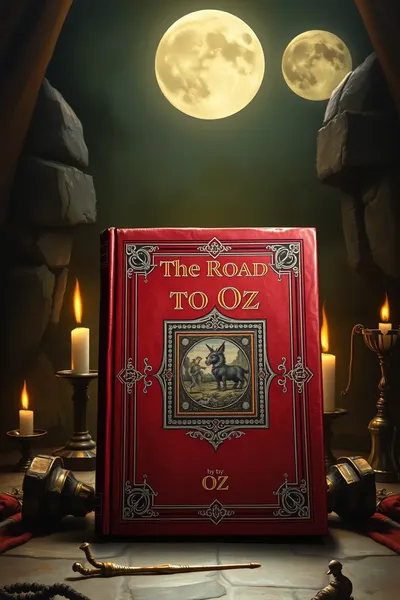
For those new to chi energy, starting with accessible introductions is key. While not directly about chi, L. Frank Baum's Oz books, such as 'The Marvelous Land of Oz' and 'The Road to Oz,' explore fantastical worlds with inherent magical energies, providing an imaginative entry point. Herbert Allen Giles' 'Religions of Ancient China' offers historical context for concepts like chi within Chinese culture. George William Russell's 'AE in the Irish Theosophist' touches upon universal life forces. These selections build a foundational understanding of energetic concepts in a relatable manner.
Intermediate Reading
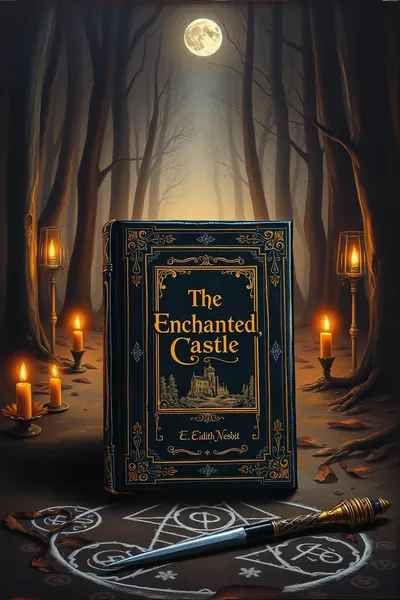
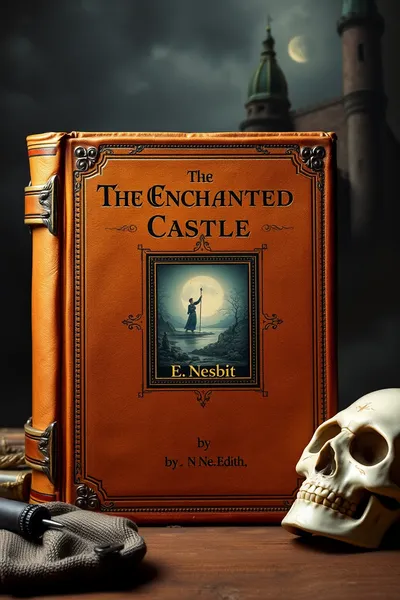
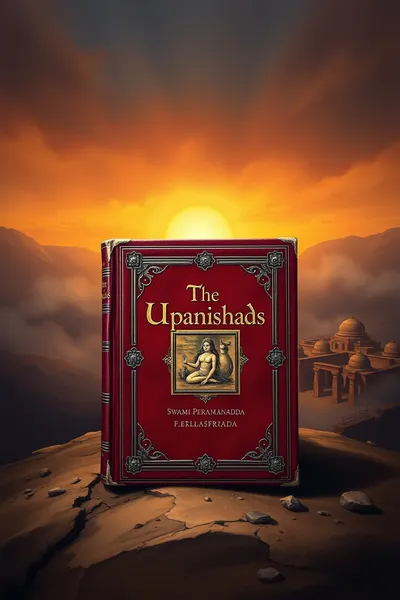
Moving beyond introductory ideas, intermediate texts delve deeper into the practical and philosophical aspects of chi. Swami Paramananda's 'The Upanishads' explore universal consciousness and subtle energies present in ancient Indian thought, a parallel to chi. Thomas H. Burgoyne's 'The Light of Egypt; Or, The Science of the Soul and the Stars — Volume 2' examines spiritual science and cosmic influences. Edith Nesbit's 'The Enchanted Castle' subtly ties themes of unseen forces and magical transformations, encouraging a broader view of energy's role.
Classical / Advanced Texts
Serious students will find value in primary classical sources that form the bedrock of chi philosophy. Laozi's 'The Tao Teh King, or the Tao and its Characteristics' (2014) is an important work defining the Tao, the underlying principle from which chi arises. J. L. Kennon's 'The Planet Mars and Its Inhabitants, a Psychic Revelation' offers a unique, though speculative, perspective on extraterrestrial life and energy. The suppressed Gospels, as compiled by William Wake, and selections from German Mystics like those in William Ralph Inge's 'Light, Life, and Love,' offer comparative spiritual and energetic frameworks from different traditions.
Reading Order — Step by Step
Begin your journey with an imaginative exploration of energy through L. Frank Baum's 'The Marvelous Land of Oz' (Weeks 1-2). In Month 2, build historical context with Herbert Allen Giles' 'Religions of Ancient China,' alongside an introduction to universal energy with 'AE in the Irish Theosophist.' By Month 3, engage with the foundational principles of chi in Laozi's 'The Tao Teh King.' Continue with Thomas H. Burgoyne's 'The Light of Egypt' for deeper insights into spiritual science, followed by Swami Paramananda's 'The Upanishads' for comparative Eastern philosophy. Conclude with J. L. Kennon's 'The Planet Mars and Its Inhabitants' for a broader, speculative view on cosmic energies.
Frequently Asked Questions
Which chi energy book should I read first?
For a gentle introduction, begin with L. Frank Baum's 'The Marvelous Land of Oz' to engage with imaginative energy concepts. Follow this with Herbert Allen Giles' 'Religions of Ancient China' for cultural context, before diving into philosophical texts.
What is the difference between Chi and Prana?
Chi and Prana are analogous concepts representing vital life force energy in Chinese and Indian traditions, respectively. While similar in their fundamental meaning of animating energy, their specific philosophical and practical applications differ across their respective cultural contexts.
Are the Oz books relevant to Chi energy?
While not explicitly about 'chi,' L. Frank Baum's Oz books, such as 'The Marvelous Land of Oz,' explore worlds imbued with inherent magical forces and energies. They serve as an imaginative gateway for beginners to consider the existence and influence of unseen energies.
How can I practice cultivating Chi?
Practices like Qigong and Tai Chi are designed to cultivate and balance chi. While this list focuses on reading material, exploring resources on these practices, often discussed in conjunction with texts on Taoism and Chinese medicine, can offer practical application.
Is 'The Tao Teh King' a difficult read?
Laozi's 'The Tao Teh King' is a profound text. While its language can be concise and metaphorical, translations like the one from 2014 aim for clarity. Reading it after gaining some foundational context can enhance comprehension of its philosophical depth.
What are 'meridians' in relation to Chi?
Meridians are conceptual pathways within the body through which chi is believed to flow in traditional Chinese medicine. Understanding meridians is crucial for comprehending how chi influences health and how practices like acupuncture work to balance its flow.
Can I learn about Chi from Western texts?
While direct discussions of 'chi' are primarily Eastern, Western metaphysical and spiritual science texts, such as those by Burgoyne or Inge, explore similar concepts of universal life force, soul energy, and cosmic influences that resonate with the study of chi.