What is Precognition?
Precognition refers to the purported ability to perceive future events before they happen. This can manifest as dreams, visions, or intuitive feelings. Historically, it has been linked to divination, prophecy, and supernatural insight. Modern parapsychology investigates precognition as a form of extrasensory perception (ESP), seeking to understand its mechanisms and validity through experimental study and anecdotal evidence. The concept spans diverse cultural traditions, from ancient Greek oracles to Scottish second sight.
Best Books for Complete Beginners
For those new to precognition, start with accessible explorations of its historical and cultural context. Walter Scott's 'Guy Mannering, Or, the Astrologer' offers a narrative framework for understanding early perceptions of foresight. 'The True History Of Wizards And Witches' (various volumes) provides a foundational look at historical beliefs surrounding prophecy and psychic phenomena. 'Amazing Facts - Storacles Of Prophecy 09 - The Witch Of Endor' examines a key biblical narrative related to future knowledge. These texts introduce the subject without overwhelming technical detail.
Intermediate Reading
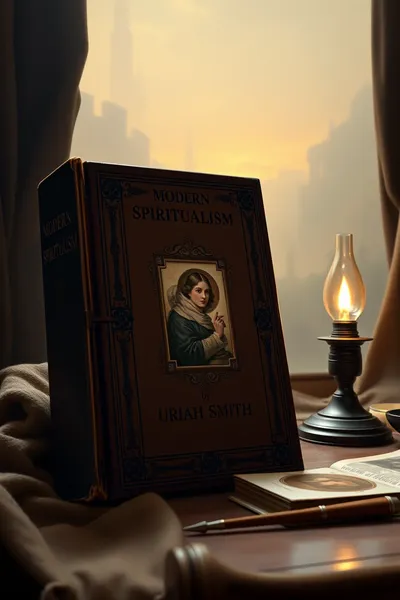
Moving beyond basics, explore texts that analyze precognition more directly. John Gregorson Campbell's 'Witchcraft & Second Sight in the Highlands & Islands of Scotland' offers detailed ethnographic accounts of reported precognitive experiences. Uriah Smith's 'Modern Spiritualism' provides a perspective from the 19th-century spiritualist movement, which often incorporated claims of prophecy. Aryeh Kaplan's 'Inner Space Introduction To Kabbalah, Meditation And Prophecy' (1991) links precognitive concepts to mystical traditions. These works offer deeper dives into specific traditions and historical movements.
Classical / Advanced Texts
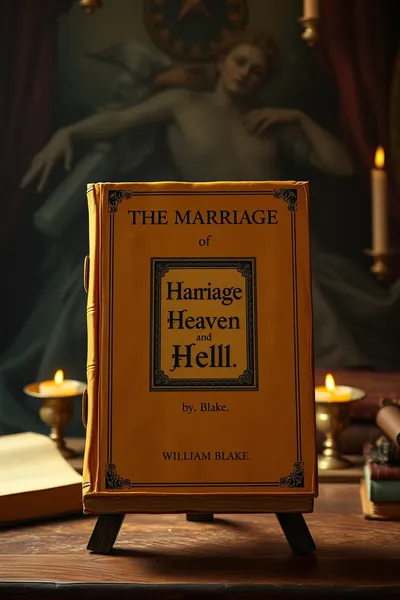
Serious students will find value in primary sources and scholarly analyses. William Blake's 'The Marriage of Heaven and Hell' contains prophetic visions and critiques of conventional understanding. 'Ancient Prophecy - Near Eastern, Biblical, and Greek Perspectives' (2017) offers academic rigor in examining foundational prophetic traditions. 'Printing and Prophecy - Prognostication and Media Change 1450-1550' (2011) explores the historical intersection of prophecy and media. The CIA's 'ON THE STRATEGIC POTENTIAL OF ESP' (1982) presents a declassified look at governmental interest in psychic phenomena.
Reading Order — Step by Step
Begin with foundational narratives and historical overviews. Weeks 1-2: Read Walter Scott's 'Guy Mannering' and 'The True History Of Wizards And Witches' (Volumes 1-4) for context. Month 2: Explore ethnographic accounts with Campbell's 'Witchcraft & Second Sight' and explore spiritualism via Smith's 'Modern Spiritualism.' Also, consider Kaplan's 'Inner Space' for a mystical perspective. Month 3+: Engage with advanced texts like 'Ancient Prophecy' and Blake's 'The Marriage of Heaven and Hell.' Conclude with declassified reports such as the CIA's 'ON THE STRATEGIC POTENTIAL OF ESP' for a comprehensive view.
Frequently Asked Questions
Which precognition book should I read first?
For beginners, 'Guy Mannering, Or, the Astrologer' by Walter Scott is a good starting point. It embeds themes of foresight within an engaging narrative, offering an accessible introduction to the concept before diving into more technical or historical analyses.
Are there books that connect precognition to religion?
Yes, several texts explore this intersection. 'Ancient Prophecy - Near Eastern, Biblical, and Greek Perspectives' offers scholarly views, while Aryeh Kaplan's 'Inner Space Introduction To Kabbalah, Meditation And Prophecy' links it to Jewish mysticism. Biblical accounts are also touched upon in works like 'Amazing Facts - Storacles Of Prophecy 09 - The Witch Of Endor'.
What is the difference between precognition and prophecy?
Precognition is the direct, personal experience of knowing a future event. Prophecy often implies a more formal declaration or foretelling, sometimes divinely inspired, and can be directed towards a group or society, not just an individual's perception.
Can I find scientific perspectives on precognition?
While 'scientific' is debated, the CIA document 'ON THE STRATEGIC POTENTIAL OF ESP' (1982) offers a declassified look at government research interest. Parapsychology texts, though often controversial, attempt to study precognition using experimental methods.
Do these books cover different cultural views on foresight?
Absolutely. Campbell's work focuses on Scottish traditions ('Second Sight'), while 'The Edda' explores Norse mythology. 'Ancient Prophecy' covers Near Eastern and Greek perspectives, showing the diverse ways different cultures have understood and documented precognitive phenomena.
What are 'classical texts' in the context of precognition?
Classical texts refer to foundational works that shaped early understanding or documented historical beliefs. This includes ancient mythological sources like 'The Edda', influential literary works like Scott's novels, and historical compilations of folklore and alleged supernatural events.


![EBOOK COLLECTION ( PART 8) [ CSI][h 33t]](/img/thumb/ebook-collection-part-8-csi-h-33t.webp)