52,000+ Esoteric Books Free + Modern Compare Prices
Home Collections Occultism
🔮

Occultism Books: A Curated Reading List

Occultism books trace esoteric traditions from ancient Hermetic philosophy to modern Theosophy. Works like H. P. Blavatsky's 'The Secret Doctrine' and Thomas H. Burgoyne's 'The Light of Egypt' offer foundational insights. Charles Mackay's 'Memoirs of Extraordinary Popular Delusions' provides historical context on societal beliefs. This guide outlines key texts for understanding occultism, from introductory concepts to advanced studies.

Top Occultism Books

25 Occultism books
Four Weird Tales
📖
Four Weird Tales
Blackwood, Algernon
4.3
69
MASTERPIECE
The Spirit Land
📖
The Spirit Land
Emmons, Samuel B. (Samuel Bulfinch)
4.3
69
The hills of the dead
📖
The hills of the dead
Howard, Robert E. (Robert Ervin)
4.2
69
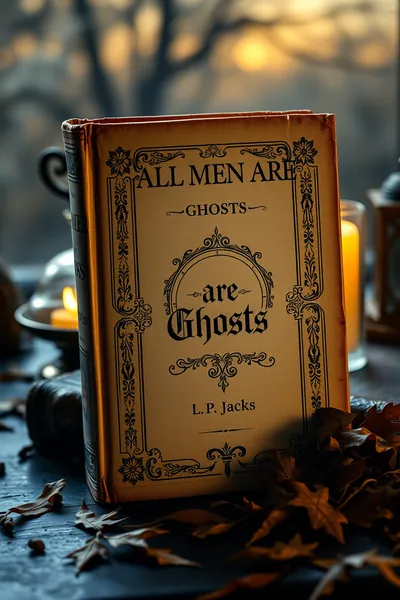
All Men are Ghosts
📖
All Men are Ghosts
Jacks, L. P. (Lawrence Pearsall)
4.2
69
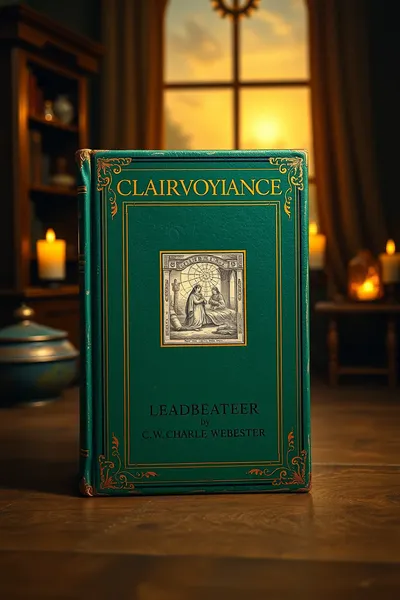
Clairvoyance
📖
Clairvoyance
Leadbeater, C. W. (Charles Webster)
4.3
69
TRENDING
The Magician
📖
The Magician
Maugham, W. Somerset (William Somer
4.3
69
The Other World
📖
The Other World
Moore, Frank Frankfort
4.2
69
HIDDEN GEM
Modern Magic
📖
Modern Magic
Schele de Vere, M. (Maximilian)
4.3
70

What is Occultism?

Occultism refers to a range of beliefs and practices concerned with the hidden, the supernatural, and forces beyond ordinary scientific understanding. It encompasses disciplines such as magic, alchemy, astrology, divination, and spiritualism, often seeking knowledge or power through esoteric means. Historically, occult traditions have been transmitted through secret societies and coded texts, aiming to reveal deeper truths about the cosmos and human consciousness.

Best Books for Complete Beginners

For those new to occultism, start with foundational works that introduce core concepts. 'The Kybalion: A Study of The Hermetic Philosophy' by Three Initiates offers a concise overview of Hermetic principles. William Walker Atkinson's 'Clairvoyance and Occult Powers' provides practical insights into psychic abilities. Charles Mackay's 'Memoirs of Extraordinary Popular Delusions' offers a historical perspective on societal beliefs and the human fascination with the unusual, setting a broad context.

Intermediate Reading

Progress to more detailed explorations with texts that delve deeper into specific branches of occultism. H. P. Blavatsky's 'Isis unveiled' (Volumes 1 & 2) examines ancient mysteries and challenges conventional science and theology. Albert Gallatin Mackey's 'The symbolism of Freemasonry' explores esoteric meanings within Masonic rituals. Herbert Silberer's 'Hidden Symbolism of Alchemy and the Occult Arts' connects alchemical symbolism to psychological and occult themes.

Classical / Advanced Texts

Advanced study involves engaging with primary sources and comprehensive systems. H. P. Blavatsky's multi-volume 'The Secret Doctrine' presents a vast synthesis of occult philosophy, science, and religion. Thomas H. Burgoyne's 'The Light of Egypt; Or, The Science of the Soul and the Stars' (Volume 2) offers detailed teachings on spiritual science and astrology. 'The lesser Key of Solomon, Goetia' provides historical grimoire material concerning spirit invocation.

Reading Order — Step by Step

Begin with 'The Kybalion' for a foundational understanding of Hermeticism. Follow with William Walker Atkinson's 'Clairvoyance and Occult Powers' for practical aspects. In Month 2, explore historical context with Charles Mackay's 'Memoirs of Extraordinary Popular Delusions'. Then, delve into Blavatsky's 'Isis unveiled' for a broader esoteric perspective. Month 3 and beyond can focus on 'The Secret Doctrine' or specific grimoires like 'The lesser Key of Solomon'.

Frequently Asked Questions

Which occultism book should I read first?

For a gentle introduction, begin with 'The Kybalion: A Study of The Hermetic Philosophy'. It distills complex ideas into accessible principles of Hermeticism.

Is occultism related to magic?

Yes, magic is a significant component of occultism. Many occult traditions involve practices aimed at influencing natural or supernatural forces through ritual and esoteric knowledge.

What is the difference between occultism and esotericism?

The terms are often used interchangeably. Esotericism broadly refers to hidden knowledge, while occultism specifically focuses on practices and beliefs concerning the supernatural and hidden forces.

Are there academic studies on occultism?

Yes, scholars in religious studies, history, and sociology examine occultism as a cultural and historical phenomenon. Lynn Thorndike's 'A History of Magic and Experimental Science' offers a scholarly perspective on early magical and scientific traditions.

What are the core principles of Hermeticism?

The core principles, as outlined in 'The Kybalion', include Mentalism (The All is Mind), Correspondence (As above, so below), Vibration (Nothing rests; everything moves), Polarity (Everything is dual), Rhythm (Everything flows out and in), Cause and Effect (Every cause has its effect), and Gender (Gender is in everything).

What is the historical significance of 'The Secret Doctrine'?

'The Secret Doctrine' by H. P. Blavatsky is a foundational text of modern Theosophy, attempting to synthesize ancient wisdom with contemporary science and religion, profoundly influencing subsequent esoteric movements.

Can occultism be dangerous?

Like any complex field of study, occultism carries potential risks if approached without critical thinking or proper guidance. Some practices may involve psychological challenges or exposure to potentially harmful ideologies, as historical accounts like Mackay's suggest.

Why Each Book Matters

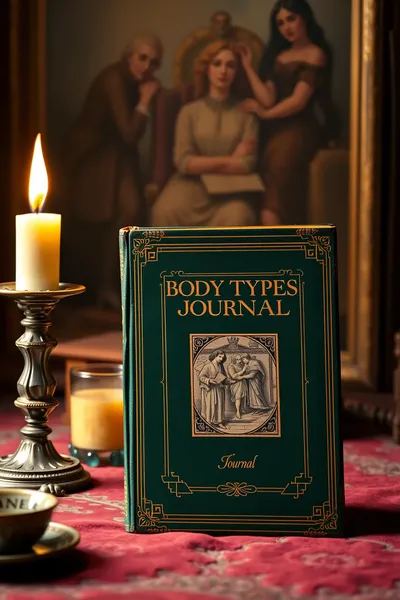
Body Types Journal

Body Types Journal

This journal, likely from the early 20th century, appears to be a practical guide or record-keeping tool related to physical characteristics and perhaps their associated temperaments or health predispositions. While not explicitly occult, it could be seen through an esoteric lens as an early attempt to categorize human constitutions, echoing ancient systems like humoral theory or physiognomy.

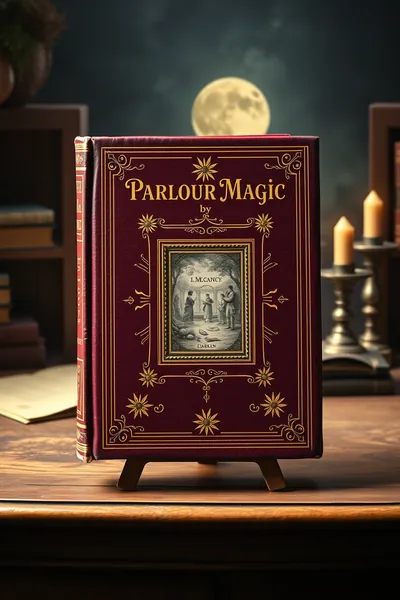
Parlour Magic

Parlour Magic

This collection, likely published in the late 19th or early 20th century, presents a variety of simple illusions and tricks designed for entertainment rather than esoteric practice. It provides instructions for card tricks, sleight of hand, and other amusements that were popular in social gatherings, distinguishing itself from genuine occult magic by its focus on theatrical deception.

Miscellanous Books

Miscellanous Books

This entry likely represents a compilation of various shorter works or fragments from the public domain, potentially encompassing diverse esoteric subjects. Without specific titles, it serves as a fascinating, if eclectic, window into the broader landscape of occult and spiritual writings that might have been collected together for their shared theme of hidden knowledge.

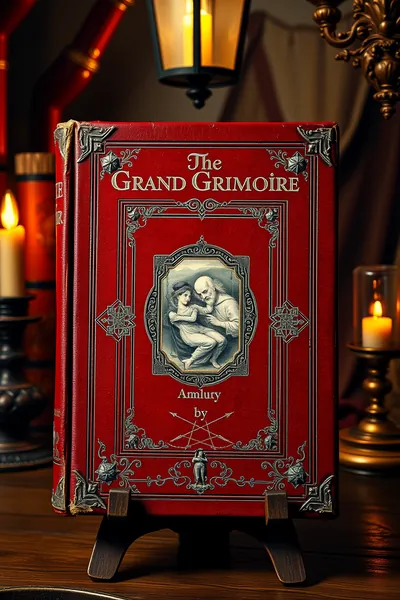
The Grand Grimoire

The Grand Grimoire

This infamous grimoire, also known as "The Red Dragon" or "The Gospel of Satan," is a classic text of ceremonial magic, purportedly dating back to the 18th century. It contains instructions for summoning demons, making pacts, and performing various dark rituals, making it a significant, albeit controversial, document in the study of Western esotericism and demonology.

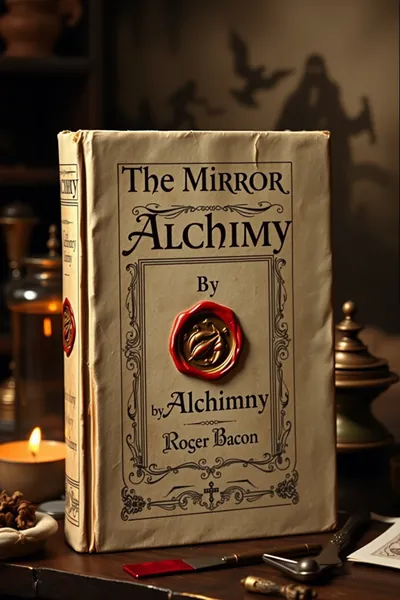
The Mirror of Alchimy

The Mirror of Alchimy

by Bacon, Roger

Attributed to Roger Bacon, this treatise from the 13th century (though its authorship is debated) is a foundational text in alchemy. It outlines the principles and processes of alchemical transformation, not just in terms of material change but also as a symbolic path to spiritual perfection, making it a key document for understanding the historical roots of occult science.

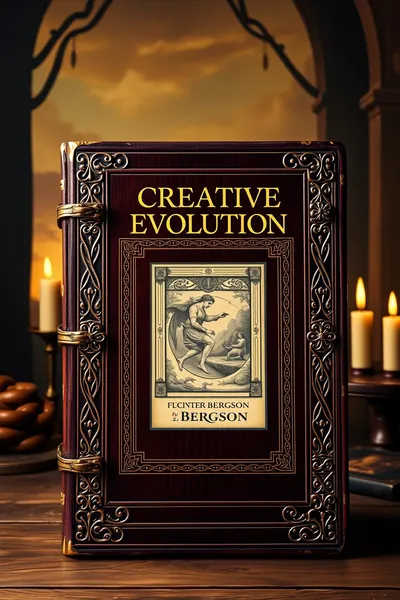
Creative Evolution

Creative Evolution

by Bergson, Henri

Henri Bergson's seminal philosophical work from 1907 challenges deterministic views of evolution, proposing a vital impulse, or élan vital, as the driving force behind life's development. While a work of philosophy, its exploration of consciousness, intuition, and the dynamic, non-mechanistic nature of reality resonates deeply with esoteric concepts of a living, evolving cosmos.

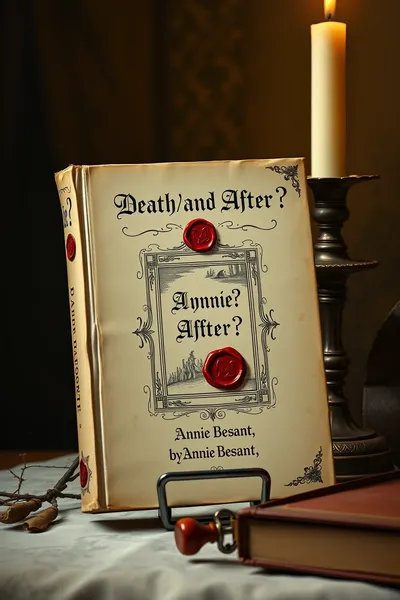
Death—and After?

Death—and After?

by Besant, Annie

In this 1906 Theosophical treatise, Annie Besant addresses fundamental questions about life after death. She explains the journey of the soul through various planes of existence, the process of reincarnation, and the karmic implications of earthly life, offering a structured esoteric view of the afterlife based on Theosophical teachings.

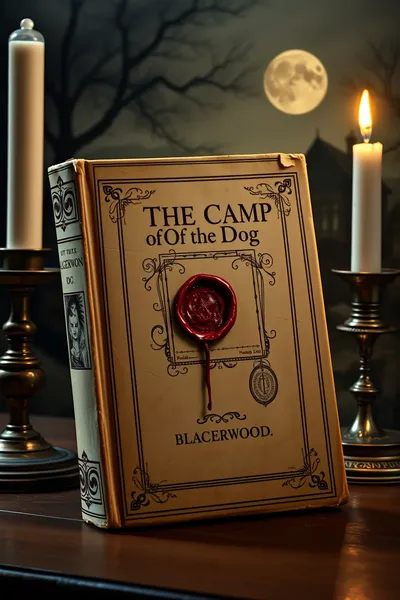
The Camp of the Dog

The Camp of the Dog

by Blackwood, Algernon

Algernon Blackwood's 1917 novella presents a chilling tale of psychological horror and nature mysticism. Set in the Canadian wilderness, it explores the unsettling influence of ancient, elemental forces on human consciousness, where a group of campers confront a primal, dog-like entity, embodying the raw, untamed aspects often found in occult lore.

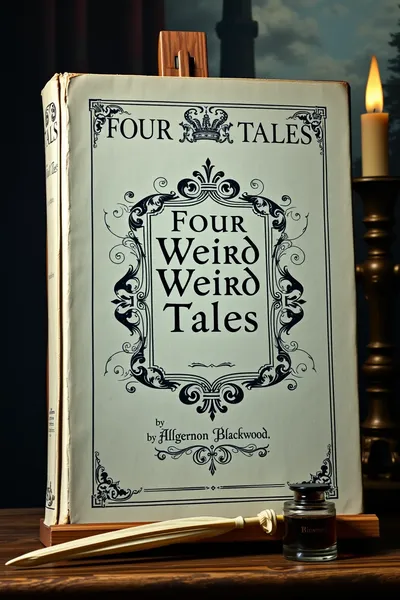
Four Weird Tales

Four Weird Tales

by Blackwood, Algernon

This collection by Algernon Blackwood, published in 1907, showcases his mastery of supernatural fiction. Stories like "The Willows" and "The Wendigo" explore encounters with vast, non-human intelligences and the profound, often terrifying, spiritual forces within nature, making it a cornerstone for those interested in cosmic horror and nature mysticism within occult literature.

Day and Night Stories

Day and Night Stories

by Blackwood, Algernon

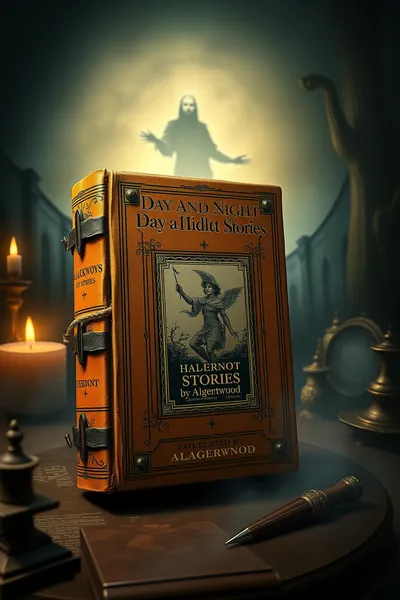
Another collection by Algernon Blackwood, published in 1917, these stories delve into the subtle and often terrifying interplay between the natural world and unseen spiritual entities. Blackwood's unique blend of cosmic horror and profound spiritual insight makes this collection a testament to the idea that the boundaries of reality are far more porous than commonly believed.

'Farewell, Nikola'

'Farewell, Nikola'

by Boothby, Guy

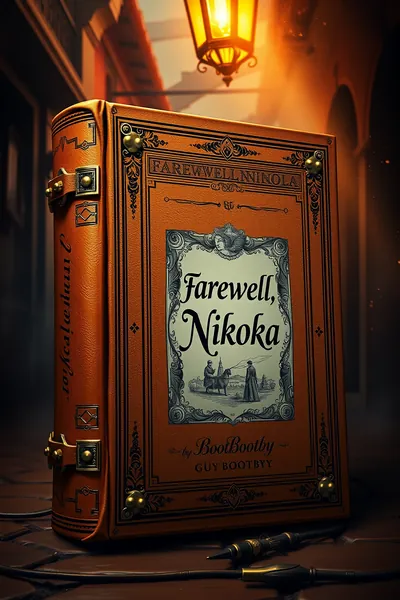
Guy Boothby's 1901 adventure novel continues the saga of Dr. Nikola, a charismatic and enigmatic villain with a mastery of Eastern mysticism and occult practices. Nikola's pursuit of arcane knowledge and his cunning manipulation of events drive the plot, making this a thrilling read for those interested in fictional portrayals of powerful occult figures.

A young man's story

A young man's story

by Doudney, Sarah

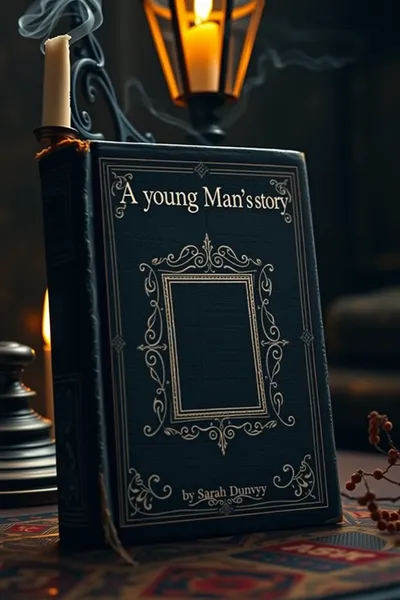
Sarah Doudney's novel, published in 1883, is a work of Victorian fiction, likely focusing on themes of moral development, romance, and societal expectations. While not directly an occult text, the spiritual and ethical struggles of the protagonist could be interpreted through an esoteric lens of personal growth and the journey of the soul, common in the era's broader spiritual interests.

The Spirit Land

The Spirit Land

by Emmons, Samuel B. (Samuel Bulfinch)

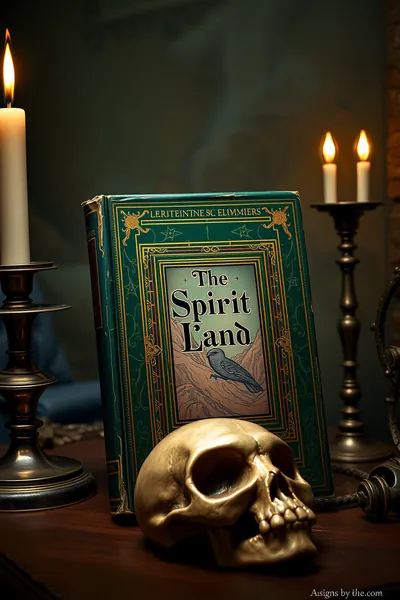
Samuel B. Emmons's 1857 book offers a firsthand account and theological reflection on the burgeoning Spiritualist movement in America. Emmons details experiences with mediums, spirit communications, and the implications of an afterlife, providing a valuable historical document of 19th-century beliefs about the spirit world and its interactions with the living.

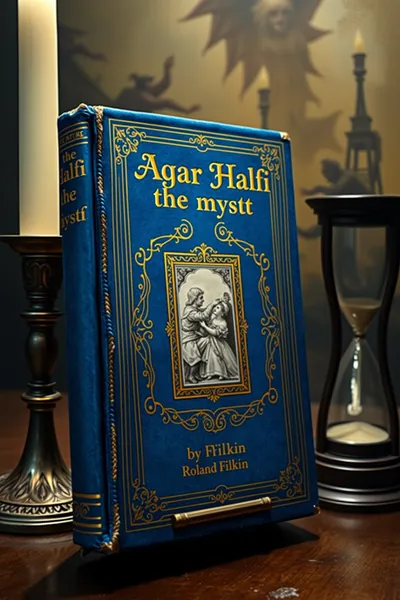
Agar Halfi the mystic

Agar Halfi the mystic

by Filkin, Roland

Roland Filkin's novel, published in 1916, centers on the enigmatic figure of Agar Halfi, a mystic character whose profound spiritual insights and unusual powers shape the narrative. The book likely explores themes of Eastern philosophy, spiritual awakening, and the hidden potentials of the human mind, offering a fictional journey into the world of esoteric wisdom.

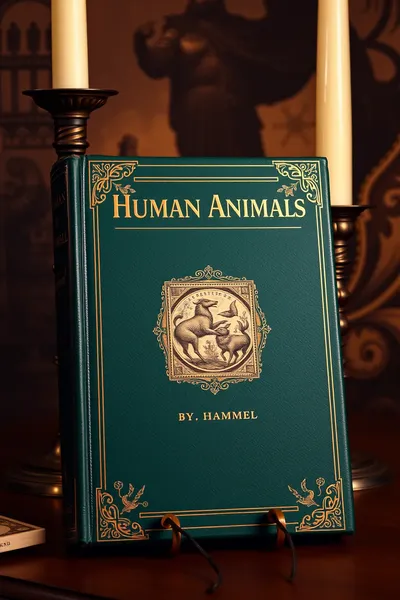
Human Animals

Human Animals

by Hamel, Frank

Frank Hamel's 1915 study explores the fascinating folklore and documented cases of human-animal transformations, particularly focusing on lycanthropy and shapeshifting. This work delves into ancient beliefs, historical accounts, and psychological theories surrounding individuals who claim or are believed to possess animalistic traits or the ability to change form, offering a unique perspective on the intersection of myth and the occult.

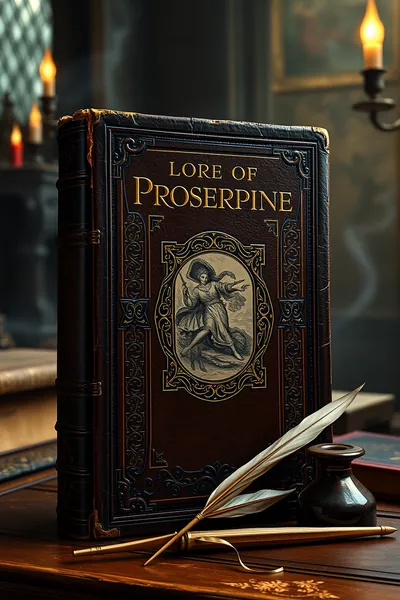
Lore of Proserpine

Lore of Proserpine

by Hewlett, Maurice

Maurice Hewlett's 1913 work is a collection of essays and stories that blend autobiography with myth and folklore, particularly focusing on encounters with fae folk and the hidden spirits of nature. It offers a romantic and sometimes melancholic view of the pagan underworld and the enduring presence of ancient deities like Proserpine in the modern world, appealing to those interested in nature-based occultism.

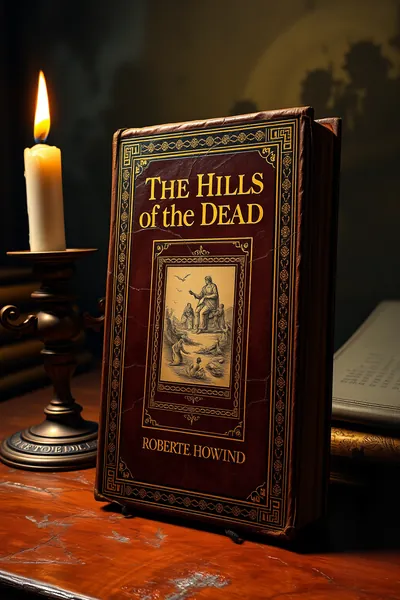
The hills of the dead

The hills of the dead

by Howard, Robert E. (Robert Ervin)

Robert E. Howard's 1930 story, featuring his character Solomon Kane, plunges into a dark world of voodoo and African mysticism. Kane confronts ancient evils and reanimated corpses in a narrative rich with pulp horror and exotic occult elements, showcasing how different cultural practices intersect with the broader themes of the esoteric.

All Men are Ghosts

All Men are Ghosts

by Jacks, L. P. (Lawrence Pearsall)

L. P. Jacks's 1913 collection of philosophical and supernatural stories often explores the subtle boundaries between life and death, reality and illusion. The title story itself delves into the idea that our perception of others might be akin to seeing ghosts, examining the ephemeral nature of existence and consciousness with a touch of the uncanny.

Clairvoyance

Clairvoyance

by Leadbeater, C. W. (Charles Webster)

In this 1899 work, C. W. Leadbeater, a prominent Theosophist, meticulously details the nature and development of clairvoyant powers. He explains different types of clairvoyance, such as simple, intentional, and astral, and offers methods for cultivating this extrasensory perception, drawing heavily on Theosophical concepts of subtle bodies and planes of existence.

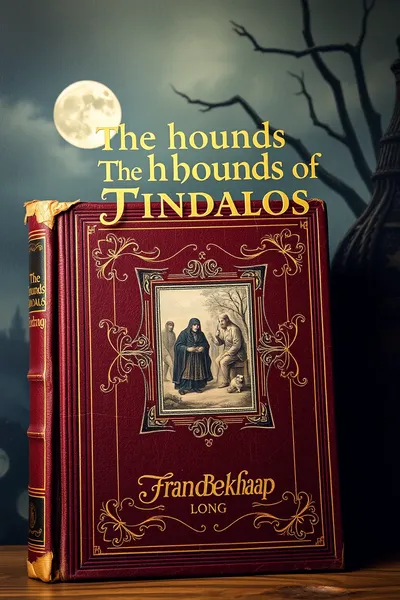
The hounds of Tindalos

The hounds of Tindalos

by Long, Frank Belknap

Frank Belknap Long's iconic 1929 short story, part of the Cthulhu Mythos, introduces terrifying entities that inhabit the "angles" of time and space. The narrative explores the perils of delving into forbidden knowledge and the horrifying consequences of encountering beings from beyond our conventional dimensions, a classic example of cosmic horror intertwined with occult speculation.

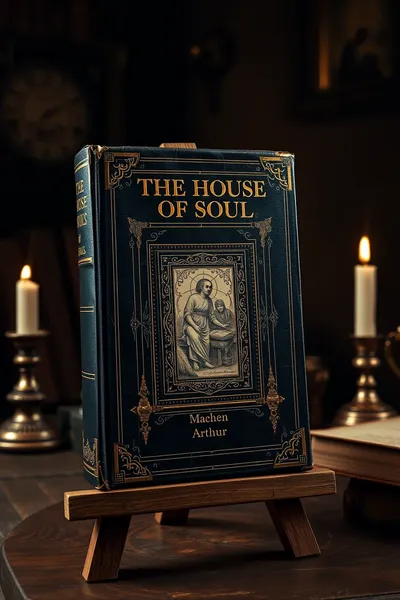
The House of Souls

The House of Souls

by Machen, Arthur

Arthur Machen's 1906 collection of stories is a landmark in supernatural horror, deeply steeped in occult themes. It features tales like "The Great God Pan" and "The Inmost Light," which explore ancient pagan survivals, forbidden rites, and the terrifying consequences of peering beyond the veil of ordinary reality, often with unsettling psychological depth.

Three essays

Three essays

by Mann, Thomas

Thomas Mann's collection of three essays, published in 1929, delves into literary and philosophical themes, reflecting on the human condition and artistic creation. While not directly an occult text, these essays touch upon the deeper psychological currents and mythic underpinnings of culture, which can resonate with esoteric interpretations of the human spirit and its imaginative powers.

The Magician

The Magician

by Maugham, W. Somerset (William Somerset)

W. Somerset Maugham's novel, published in 1908, introduces Oliver Haddo, a character widely believed to be inspired by Aleister Crowley. The story follows a young medical student drawn into Haddo's world of ceremonial magic, alchemy, and dark rituals, exploring themes of power, obsession, and the dangerous pursuit of forbidden knowledge. It's a fictional window into the darker side of early 20th-century occultism.

The Other World

The Other World

by Moore, Frank Frankfort

Frank Frankfort Moore's 1904 work explores various supernatural phenomena and tales of the uncanny, blending fiction with speculative inquiry into the unseen realms. It gathers ghost stories, psychic experiences, and philosophical musings on what lies beyond the veil of ordinary perception, inviting readers to consider the existence of a spiritual dimension.

Modern Magic

Modern Magic

by Schele de Vere, M. (Maximilian)

This foundational text by Maximilian Schele de Vere, published in 1873, offers a historical and cultural examination of magic through the ages. It explores various forms of magical practice, from ancient rituals to contemporary spiritualism, providing a scholarly yet accessible overview of the subject without advocating for specific rites. Readers gain insight into the evolution of magical thought and its societal impact.

Esoteric Library
Browse Esoteric Library
📚 All 52,000+ Books 🜍 Alchemy & Hermeticism 🔮 Magic & Ritual 🌙 Witchcraft & Paganism Astrology & Cosmology 🃏 Divination & Tarot 📜 Occult Philosophy ✡️ Kabbalah & Jewish Mysticism 🕉️ Mysticism & Contemplation 🕊️ Theosophy & Anthroposophy 🏛️ Freemasonry & Secret Societies 👻 Spiritualism & Afterlife 📖 Sacred Texts & Gnosticism 👁️ Supernatural & Occult Fiction 🧘 Spiritual Development 📚 Esoteric History & Biography
Esoteric Library
📑 Collections 📤 Upload Your Book
Account
🔑 Sign In Create Account
Info
About Esoteric Library