52,000+ Esoteric Books Free + Modern Compare Prices
Home Collections Individuation
📖

Individuation Books — Your Essential Reading Guide

Key texts on individuation trace the journey of psychological and spiritual self-realization from ancient alchemical traditions to modern depth psychology. Works like Carl Gustav Jung's 'Psychologie und Alchemie' and I.K. Taimni's 'Self-culture: Problem of Self-discovery and Self-realization in the Light of Occultism' (1976) offer foundational perspectives. Chic Cicero and Sandra Tabatha Cicero's 'Experiencing the Kabbalah' (1997) provides a practical approach. This guide presents a curated selection to navigate the complex process of becoming a whole individual.

Top Individuation Books

25 Individuation books
Kundalini and Yantra
📖
Kundalini and Yantra
A Brief Introduction for Inquiring
4.6
80
Numerology (1921)
📖
Numerology (1921)
Clifford Cheasley
4.0
61
HIDDEN GEM
The tarot
📖
The tarot
Cynthia Elizabeth Giles
4.1
65
Living Nonduality
📖
Living Nonduality
Enlightenment Teachings of Self-Rea
4.3
71
The Jungian Vessel
📖
The Jungian Vessel
Kai Charles Forest
4.3
72
O Alquimista
📖
O Alquimista
Paulo Coelho
4.5
78
Poems
📖
Poems
Rudyard Kipling
4.3
71
The divine romance
📖
The divine romance
Yogananda Paramahansa
4.1
65

What is Individuation?

Individuation is a concept central to analytical psychology, describing the process by which an individual becomes a distinct, integrated personality. It involves the conscious integration of the ego with the unconscious, leading to the development of the true self. This is not about becoming selfish, but about realizing one's unique potential and wholeness. It is a lifelong journey of self-discovery, often involving confronting and integrating shadow aspects of the psyche.

Best Books for Complete Beginners

For those new to the concept, 'Experiencing the Kabbalah' by Chic Cicero & Sandra Tabatha Cicero (1997) offers a clear, step-by-step guide to spiritual wholeness, making complex ideas accessible. 'Being Well: Beginning the Journey of Integral Lifework' by T.Collins Logan provides a framework for personal development applicable to the individuation process. Kai Charles Forest's 'The Jungian Vessel' offers an accessible entry into Jungian concepts relevant to self-discovery. Paulo Coelho's 'O Alquimista' presents a narrative allegory of the journey towards one's destiny. 'Self-culture: Problem of Self-discovery and Self-realization in the Light of Occultism' by I.K. Taimni (1976) introduces occult perspectives on self-realization.

Intermediate Reading

Building on foundational knowledge, 'Insights and Heresies Pertaining to the Evolution of the Soul' by Ammyeetis delves into deeper spiritual and psychological evolution. Carl Gustav Jung's 'Critique of psychoanalysis' offers critical insights into psychological development. 'The Hermetic Code In DNA' by Michael Hayes explores esoteric principles in biological systems, linking them to personal transformation. Florin George Calian's 'Alkimia Operativa and Alkimia Speculativa. Some Modern Controversies on the Historiography of Alchemy' provides historical context for alchemical symbolism relevant to individuation. The 'CG Jung Volume 13 Alchemical Studies' offers direct engagement with Jung's alchemical research.

Classical / Advanced Texts

For advanced study, 'Psychologie und Alchemie' by Carl Gustav Jung is a seminal work exploring the alchemical symbolism of transformation. 'Jung on alchemy' compiles key writings that directly address the alchemical underpinnings of individuation. 'The Sufism of the Rubáiyát, or, the Secret of the Great Paradox' by Omar Khayyam offers a mystical interpretation of self-realization. 'The collected works of C.G. Jung' provides the most comprehensive source for his theories. 'Last letters from the living dead man' by David Patterson (Spirit) offers a unique, albeit unconventional, perspective on consciousness and transformation.

Reading Order — Step by Step

Begin with 'Experiencing the Kabbalah' (Cicero, 1997) and 'Being Well' (Logan) for introductory frameworks. In Month 2, engage with 'Self-culture' (Taimni, 1976) and 'The Jungian Vessel' (Forest) to deepen understanding of self-discovery. Transition to 'Insights and Heresies' (Ammyeetis) and 'The Hermetic Code In DNA' (Hayes) in Month 3. For advanced study, dedicate Month 4 to Jung's 'Psychologie und Alchemie' and 'Jung on alchemy', followed by 'The Sufism of the Rubáiyát' (Khayyam) for a mystical perspective. The 'Collected Works of C.G. Jung' can be consulted throughout for deeper dives.

Frequently Asked Questions

Which individuation book should I read first?

For a gentle introduction, start with 'Experiencing the Kabbalah' by Chic Cicero & Sandra Tabatha Cicero (1997) or 'The Jungian Vessel' by Kai Charles Forest, as they break down complex ideas into manageable concepts.

Is individuation a religious concept?

While individuation has spiritual dimensions and draws from various traditions like alchemy and Kabbalah, it is fundamentally a psychological process described by Carl Jung, focusing on personal integration rather than adherence to dogma.

How does alchemy relate to individuation?

Carl Jung saw alchemy as a symbolic representation of the individuation process. The alchemical stages of transformation, such as calcination, dissolution, and conjunction, mirror the psychological work of integrating unconscious elements into the conscious personality.

What is the difference between self-improvement and individuation?

Self-improvement often focuses on optimizing existing traits or achieving external goals. Individuation is a deeper process of becoming whole by integrating all aspects of the psyche, including the shadow, leading to a more authentic and unique self.

Can individuation be achieved through a single book?

No, individuation is a lifelong journey. While books like Jung's 'Psychologie und Alchemie' offer profound insights, true individuation requires ongoing self-reflection, integration, and often practical application of psychological principles.

What role does the unconscious play in individuation?

The unconscious is central to individuation. The process involves bringing unconscious contents—such as archetypes, repressed memories, and the shadow—into conscious awareness and integrating them with the ego to achieve psychic wholeness.

Are there practical exercises for individuation?

Many texts, like 'Experiencing the Kabbalah' (Cicero), offer practical exercises. Jungian psychology often employs dream analysis, active imagination, and mindful self-observation as methods to engage with unconscious material.

Why Each Book Matters

China Mail 1958-04-12

China Mail 1958-04-12

'China Mail 1958-04-12' is a historical newspaper from Hong Kong. While not directly related to esoteric studies, such archival materials can offer a glimpse into cultural contexts and collective unconscious elements of a specific era, providing indirect background for understanding the societal backdrop against which individual psychological processes, including individuation, unfold.

China Mail 1926-04-05

China Mail 1926-04-05

'China Mail 1926-04-05' is another historical newspaper, offering a snapshot of life and events from early 20th-century Hong Kong. These historical documents, though not esoteric, can be studied for their cultural narratives and societal influences, which form part of the collective environment impacting individuals' journeys of individuation.

Kundalini and Yantra

Kundalini and Yantra

by A Brief Introduction for Inquiring Minds by David Edwin Hill

'Kundalini and Yantra: A Brief Introduction for Inquiring Minds' by David Edwin Hill introduces these powerful concepts from Eastern spiritual traditions. Kundalini awakening is a process of spiritual energy rising, leading to profound states of consciousness, while Yantras are geometric symbols used for meditation, both supporting intense personal transformation akin to individuation.

Occult psychology

Occult psychology

by Alta J. LaDage

'Occult psychology' by Alta J. LaDage likely examines the psychological underpinnings of various occult traditions and practices. This book would explore how esoteric knowledge and spiritual disciplines can influence the human psyche, offering insights into altered states of consciousness and their role in personal transformation and individuation.

Jung on alchemy

Jung on alchemy

by Carl Gustav Jung

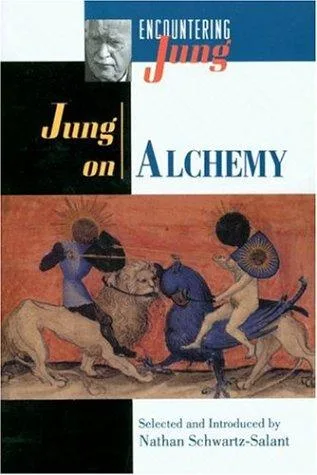
Carl Gustav Jung's 'Jung on alchemy' compiles his extensive writings on how alchemy serves as a symbolic parallel to the individuation process. Jung posited that alchemical operations mirrored psychological transformations, where base matter (the unconscious) is transmuted into the philosopher's stone (the integrated Self), offering deep insights into the psyche.

Numerology (1921)

Numerology (1921)

by Clifford Cheasley

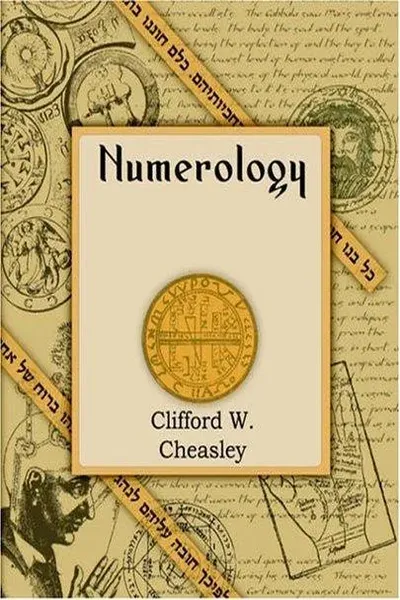
Clifford Cheasley's 'Numerology (1921)' explores the ancient art of numerology, assigning symbolic meaning to numbers and their influence on personality and destiny. This early 20th-century text offers a system for self-understanding through numerical patterns, providing a unique lens for exploring individual characteristics pertinent to individuation.

The tarot

The tarot

by Cynthia Elizabeth Giles

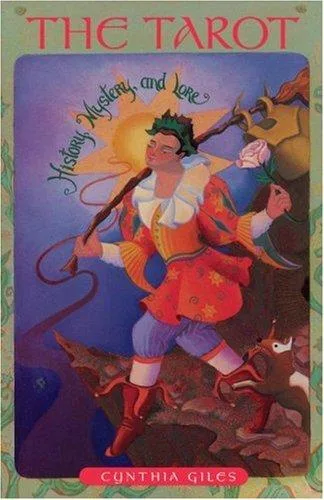
'The tarot' by Cynthia Elizabeth Giles offers an introduction to the symbolic language of the Tarot. This book serves as a guide to understanding the major and minor arcana, providing insights into archetypal patterns that can be used for self-reflection and to illuminate the unconscious aspects of the individuation journey.

Talking Xmas Story

Talking Xmas Story

by Edwin VanGorder

'Talking Xmas Story' by Edwin VanGorder, while seemingly seasonal, could contain allegorical elements or narratives about personal connection and meaning. Such stories, even if not explicitly esoteric, often touch upon themes of human experience, community, and the search for deeper significance that can subtly reflect aspects of individuation.

Eat, Pray, Love

Eat, Pray, Love

by Elizabeth Gilbert

Elizabeth Gilbert's 'Eat, Pray, Love' is a memoir chronicling her year-long journey of self-discovery after a divorce, seeking pleasure in Italy, devotion in India, and balance in Indonesia. This book vividly portrays a contemporary quest for personal meaning and spiritual awakening, embodying a modern narrative of individuation.

Living Nonduality

Living Nonduality

by Enlightenment Teachings of Self-Realization by Robert Wolfe

'Living Nonduality' by Enlightenment Teachings of Self-Realization by Robert Wolfe presents teachings focused on the experience of nonduality, the realization of the interconnectedness of all things and the transcendence of the individual ego. This advanced spiritual concept aligns with the ultimate goal of individuation: the integration of the personal self into a greater whole.

Quest for the Phoenix

Quest for the Phoenix

by Hereward Tilton

'Quest for the Phoenix' by Hereward Tilton likely explores the mythical bird's symbolism of death and rebirth, a potent metaphor for transformation. This theme deeply resonates with the individuation process, where old aspects of the self 'die' to allow for the emergence of a renewed, integrated personality, symbolizing profound psychological renewal.

The Jungian Vessel

The Jungian Vessel

by Kai Charles Forest

'The Jungian Vessel' by Kai Charles Forest likely explores the container or framework within which Jungian analysis and the individuation process unfold. This work would delve into the therapeutic space and methods used to facilitate the integration of conscious and unconscious material, crucial for psychological growth and wholeness.

Neue Alchemie

Neue Alchemie

by Melanie Bono

'Neue Alchemie' by Melanie Bono likely explores modern interpretations or applications of alchemical principles. This contemporary perspective can shed light on how ancient alchemical symbolism, often seen by Jung as a metaphor for psychological transformation, continues to influence art, thought, and the ongoing journey of individuation.

Kabbalah and eros

Kabbalah and eros

by Moshe Idel

'Kabbalah and eros' by Moshe Idel explores the mystical dimensions of Kabbalah, particularly its erotic symbolism, as a path to spiritual knowledge and union. Idel's scholarly work delves into complex esoteric texts, revealing how the interplay of divine masculine and feminine principles reflects the integration necessary for profound psychological and spiritual individuation.

O Alquimista

O Alquimista

by Paulo Coelho

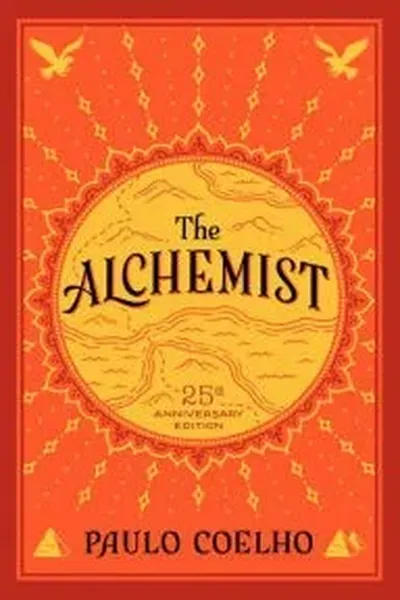
Paulo Coelho's 'O Alquimista' is a globally celebrated allegorical novel about a shepherd boy's journey to find a treasure, which ultimately leads him to discover his true self and destiny. This work beautifully illustrates the concept of a 'Personal Legend,' a powerful metaphor for the individuation process and realizing one's unique potential.

The I ching

The I ching

by Peggy Jones

Peggy Jones's 'The I ching' provides an accessible guide to the ancient Chinese oracle, a system of wisdom that offers guidance through its 64 hexagrams. This work helps readers interpret the I Ching's profound insights into changing circumstances, aiding in decision-making and fostering a deeper understanding of one's path in individuation.

Creative Astrology

Creative Astrology

by Prudence Jones

'Creative Astrology' by Prudence Jones explores astrology not just as a predictive tool but as a system for understanding innate potentials and psychological patterns. This approach emphasizes using astrological charts for self-discovery and personal development, aligning with the journey of individuation by recognizing and integrating one's unique cosmic blueprint.

The modern alchemist

The modern alchemist

by Richard Alan Miller

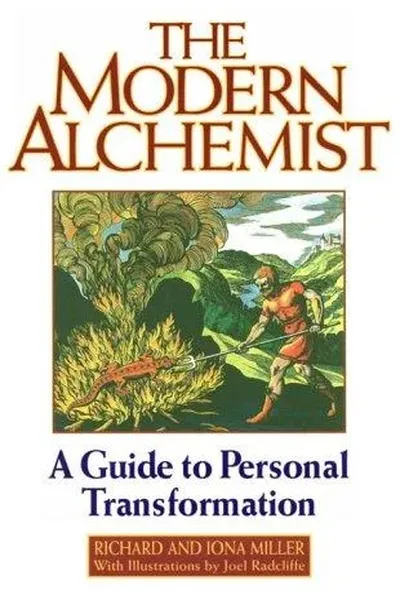
'The modern alchemist' by Richard Alan Miller likely applies alchemical principles to contemporary life or personal development. This work would explore how the ancient art of transformation can be reinterpreted for modern psychological and spiritual growth, offering practical ways to engage with the symbolic individuation process.

The I Ching

The I Ching

by Richard J. Smith

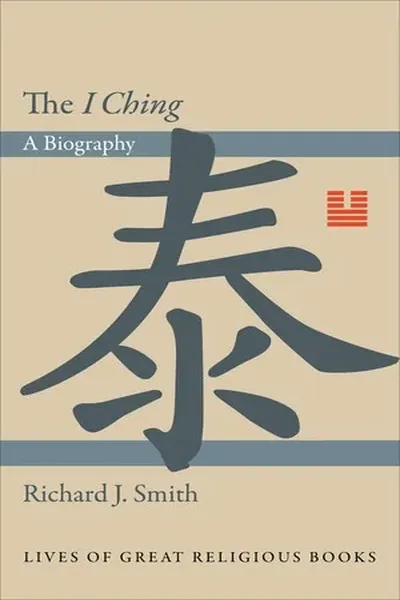
Richard J. Smith's 'The I Ching' offers a scholarly yet clear exploration of this classical text, delving into its historical context and philosophical depth. It presents the I Ching as a sophisticated tool for understanding the dynamics of change and the intricate patterns of human experience, vital for navigating the process of individuation.

Tarot Psychology

Tarot Psychology

by Robert Wang

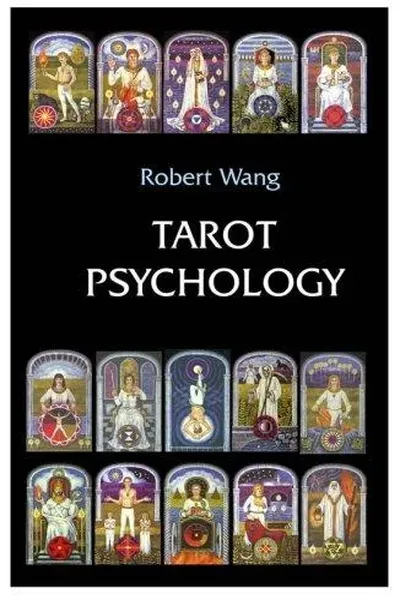
Robert Wang's 'Tarot Psychology' delves into the psychological dimensions of the Tarot, often drawing connections to Jungian concepts. Wang explores how the Major Arcana can represent stages of psychological development and archetypal forces, making the Tarot a valuable tool for self-analysis and understanding the path of individuation.

Poems

Poems

by Rudyard Kipling

In 'Poems,' Rudyard Kipling's verses often touch upon themes of duty, self-reliance, and the human spirit's resilience. While not explicitly Jungian, his poetry explores the individual's role in the world and the development of character, resonating with aspects of personal growth and individuation through life's challenges.

Jung and Tarot

Jung and Tarot

by Sallie Nichols

Sallie Nichols's 'Jung and Tarot' is a seminal work that expertly bridges the gap between Jungian psychology and the ancient wisdom of the Tarot. Nichols meticulously demonstrates how the archetypal images of the Tarot correspond to Jung's concepts, offering a profound tool for understanding the unconscious and facilitating individuation.

Alchemy & Alchemists

Alchemy & Alchemists

by Sean Martin

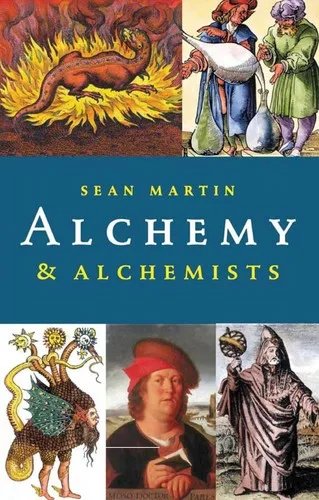
'Alchemy & Alchemists' by Sean Martin provides an overview of the history and practices of alchemy, exploring its philosophical and practical dimensions. This book offers context for understanding why Jung saw alchemy as a powerful metaphor for the psychological process of transformation and the journey toward individuation.

I Ching Handbook

I Ching Handbook

by Wu Wei

Wu Wei's 'I Ching Handbook' provides practical guidance for consulting the I Ching, making its ancient wisdom accessible for contemporary readers. This handbook focuses on the practical application of the hexagrams for gaining insight into life's situations, supporting personal reflection and conscious choices on the individuation journey.

The divine romance

The divine romance

by Yogananda Paramahansa

'The divine romance' by Yogananda Paramahansa compiles spiritual discourses and essays on the pursuit of divine love and union. Yogananda's teachings emphasize self-realization through meditation and spiritual practices, guiding individuals toward a deeper connection with the divine within, which is a profound aspect of spiritual individuation.

Esoteric Library
Browse Esoteric Library
📚 All 52,000+ Books 🜍 Alchemy & Hermeticism 🔮 Magic & Ritual 🌙 Witchcraft & Paganism Astrology & Cosmology 🃏 Divination & Tarot 📜 Occult Philosophy ✡️ Kabbalah & Jewish Mysticism 🕉️ Mysticism & Contemplation 🕊️ Theosophy & Anthroposophy 🏛️ Freemasonry & Secret Societies 👻 Spiritualism & Afterlife 📖 Sacred Texts & Gnosticism 👁️ Supernatural & Occult Fiction 🧘 Spiritual Development 📚 Esoteric History & Biography
Esoteric Library
📑 Collections 📤 Upload Your Book
Account
🔑 Sign In Create Account
Info
About Esoteric Library