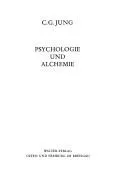
Psychology and Alchemy

 63
63

Psychology and Alchemy

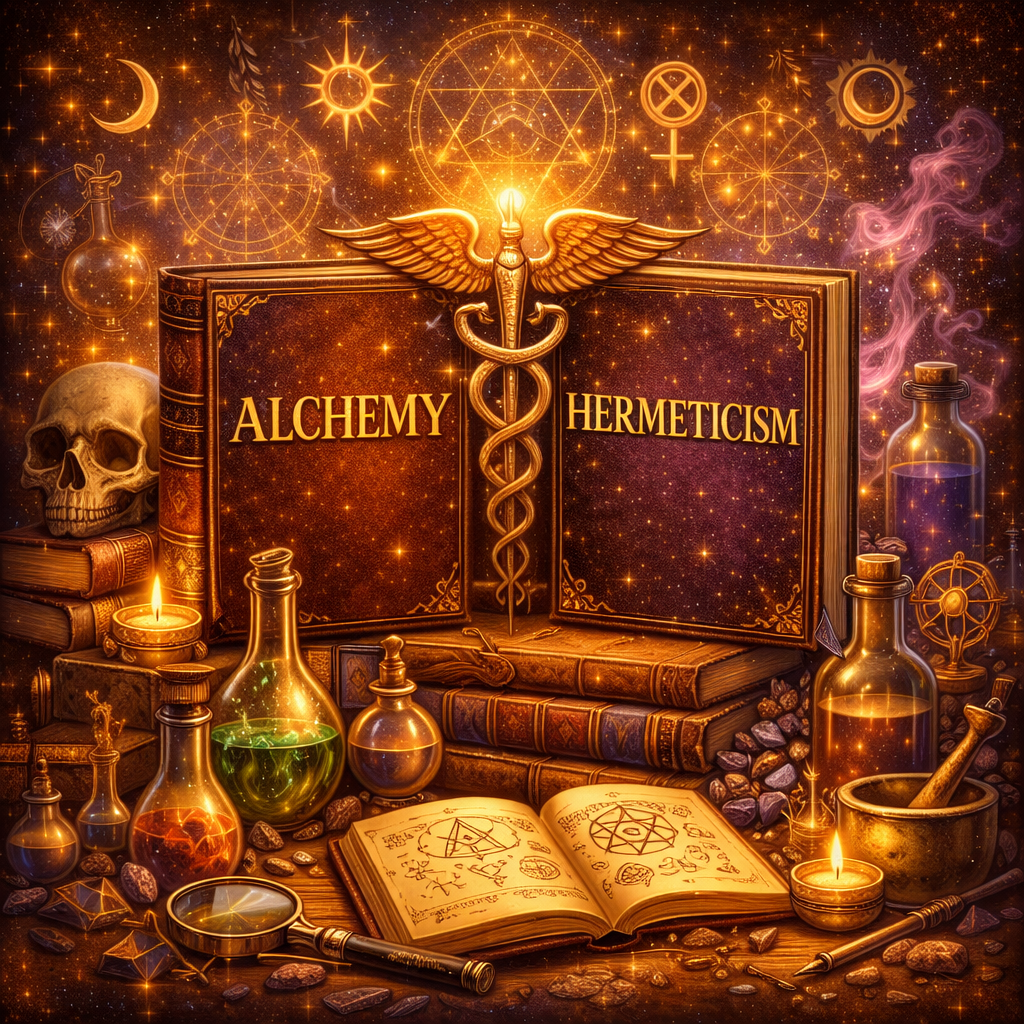

'Psychology and Alchemy' by Carl Gustav Jung is a monumental work that stands at the intersection of psychology and esoteric traditions. Jung's exploration of alchemical symbolism and its parallels with psychological processes is both insightful and profound. The book's strength lies in its ability to illuminate the hidden dimensions of the human psyche through the language of alchemy. This makes it an invaluable resource for those interested in the deeper, more mystical aspects of psychology. Jung's scholarly approach and meticulous research provide a solid foundation for understanding the esoteric underpinnings of psychological theory. Whether you are a seasoned scholar or a curious seeker, 'Psychology and Alchemy' offers a wealth of esoteric insights that will enrich your understanding of both psychology and the mystical traditions.
📝 Description
63
In 1944, Carl Jung published 'Psychology and Alchemy,' connecting alchemical symbolism to the unconscious.
Carl Gustav Jung's 'Psychology and Alchemy' examines the parallels between the symbolic language of alchemy and the processes of the human psyche. Jung argues that alchemical texts, often seen as primitive attempts at chemistry, were in fact projections of unconscious psychological transformations. He analyzes alchemical imagery, such as the philosopher's stone and the four elements, as metaphors for individuation, the process of becoming a whole self.
This work details how alchemical operations correspond to stages of psychological development and integration. Jung draws upon Christian symbolism and Gnostic traditions to illustrate his points, showing how these ancient spiritual frameworks also encoded similar inner work. The book's aim is to demonstrate that the unconscious mind uses symbolic language, often derived from historical and religious traditions, to communicate its needs and guide personal growth. It is a detailed study for those interested in the symbolic connections between historical esoteric practices and depth psychology.
Published in 1944, 'Psychology and Alchemy' situates itself within the broader resurgence of interest in esoteric traditions during the early 20th century. Jung engaged directly with alchemical literature, a practice often confined to secretive circles or academic antiquarianism. He reinterpreted these texts not as literal chemical processes, but as symbolic representations of inner psychological work. This approach placed alchemy within the lineage of Hermeticism and Gnosticism, traditions that also concerned themselves with spiritual transformation and hidden knowledge, offering a psychological lens to understand their enduring appeal.
💡 Why Read This Book?
Read 'Psychology and Alchemy' to gain a deeper understanding of the symbolic language that underpins both alchemy and psychology. This book is ideal for seekers of hidden knowledge, scholars of esoteric traditions, and practitioners of psychoanalysis. Jung's work provides a unique perspective on the human psyche, revealing the interconnectedness of ancient mystical practices and modern psychological theory.
⭐ Reader Reviews
Honest opinions from readers who have explored this book.
❓ Frequently Asked Questions
What is the primary focus of 'Psychology and Alchemy'?
The primary focus is the exploration of analogies between alchemy, Christian dogma, and psychological symbolism.
Who would benefit most from reading this book?
Scholars, spiritual seekers, and practitioners of esoteric arts will find this book particularly beneficial.
Is prior knowledge of alchemy necessary to understand the book?
While prior knowledge can be helpful, Jung's clear explanations make the book accessible to readers new to alchemy.
What makes 'Psychology and Alchemy' unique?
Its unique blend of psychological insights and alchemical symbolism provides a fresh perspective on the human psyche.
Can this book be read as a standalone work?
Yes, it can be read independently, but it also complements Jung's other works on analytical psychology.
🔮 Key Themes & Symbolism
Alchemical Symbolism
Jung looks at the detailed symbolism of alchemy, revealing how its processes and symbols mirror the psychological journey of the individual. This theme is central to understanding the deeper layers of the psyche and the transformative power of alchemical practices.
Psychological Transformation
The book explores the concept of psychological transformation through the lens of alchemy. Jung's insights into the individuation process and the integration of the shadow are particularly enlightening, offering a pathway to personal growth and self-discovery.
Interconnectedness of Mystical Traditions
Jung's work highlights the interconnectedness of various mystical traditions, showing how alchemy, Christianity, and psychology share a common language of symbolism. This theme underscores the universal nature of spiritual and psychological inquiry.
💬 Memorable Quotes
Direct passages from the work, attributed to the author.
“The self is the archetype of wholeness.”
— Jung's definition of the self as the archetype of wholeness highlights the importance of integrating all aspects of the psyche.
💡 Key Ideas
Editorial paraphrase of the work's core concepts — not direct quotes.
The opus of alchemy is the opus of the self.
This quote underscores the transformative power of alchemy in the context of personal growth and self-discovery.
The shadow is the unconscious aspect of the personality which the conscious ego does not identify with.
This quote explains the concept of the shadow, a key element in Jung's analytical psychology.
The goal of individuation is the realization of the self.
This quote captures the ultimate aim of Jung's psychological theory: the achievement of psychological wholeness.
Alchemy represents the union of opposites.
This quote illustrates the alchemical principle of uniting opposing forces, a process that mirrors psychological integration.
🌙 Esoteric Significance
Tradition
'Psychology and Alchemy' belongs to the Hermetic tradition, which emphasizes the unity of all things and the transformative power of knowledge. Jung's work draws heavily on alchemical symbolism, making it a valuable resource for those interested in Hermetic studies.
Symbolism
Key symbols in the book include the philosopher's stone, the union of opposites, and the process of individuation. These symbols represent the transformative journey of the self and the integration of the unconscious mind.
Modern Relevance
This book remains relevant today for its insights into the psychological and spiritual dimensions of the human experience. Modern practitioners of esoteric arts and psychology continue to draw on Jung's work, using it as a foundation for their own explorations of the unconscious mind.
👥 Who Should Read This Book
Beginners interested in esoteric traditions will find 'Psychology and Alchemy' an accessible introduction to the world of alchemy and its psychological implications. Scholars of psychology and esoteric studies will appreciate Jung's deep dive into the symbolism of alchemy. Spiritual seekers will benefit from the book's insights into the transformative power of the psyche. Practitioners of esoteric arts will find valuable tools and techniques for integrating alchemical symbolism into their own practices.
📜 Historical Context
Published in the mid-20th century, 'Psychology and Alchemy' emerged during a time of significant intellectual and cultural shifts. The book reflects Jung's lifelong exploration of the unconscious mind and his fascination with the symbolism of alchemy. At a time when psychology was gaining prominence as a scientific discipline, Jung's work stood out for its integration of mystical and esoteric traditions. This book has had a lasting influence on both psychology and esoteric studies, inspiring generations of scholars and seekers to explore the hidden dimensions of the human experience.
📔 Journal Prompts
How does the symbolism of alchemy resonate with your own psychological journey?
In what ways can the process of individuation be applied to your personal growth?
Reflect on the concept of the shadow and its role in your unconscious mind.
Consider the interconnectedness of mystical traditions and their impact on your spiritual beliefs.
How does the union of opposites manifest in your daily life and spiritual practices?
🗂️ Glossary
Individuation
The process of integrating the conscious and unconscious aspects of the psyche to achieve psychological wholeness.
Philosopher's Stone
A symbol in alchemy representing the ultimate goal of transformation and enlightenment.
Shadow
The unconscious aspect of the personality that the conscious ego does not identify with.
Alchemy
An ancient practice that combines elements of chemistry, philosophy, and mysticism, aiming to transform base metals into gold.
Self
The archetype of wholeness in Jung's analytical psychology, representing the integrated totality of the psyche.
This book appears in 3 collections
🔮 Readers Also Liked
Browse all →








More by Carl Gustav Jung
All books →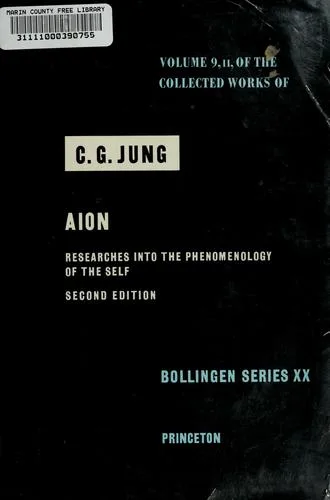
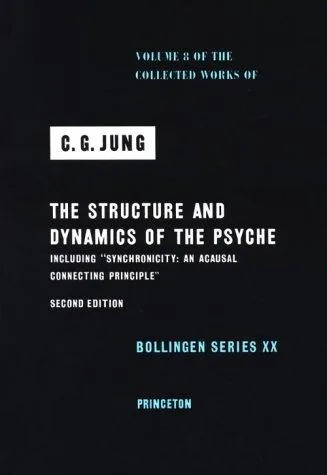
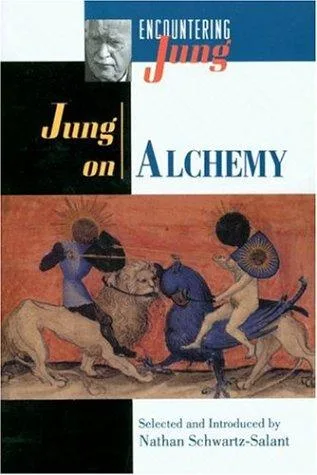
From the “Hermeticism” Collection
View all →





![" A Self Powered Psychotronic Generator"...rch [ Vol. 35, No. 2, March April 1979]](/img/thumb/a-self-powered-psychotronic-generator-rch-vol-35-no-2-march-april-1979.webp)

More Free Alchemy & Hermeticism Books
View all →