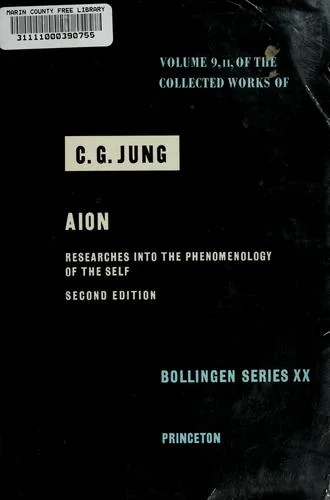
The collected works of C.G. Jung
 75
75

The collected works of C.G. Jung


Carl Gustav Jung's collected works stand as a monumental contribution to both psychology and the mystical arts. These volumes are not merely academic texts but gateways to the esoteric dimensions of the human psyche. Jung's exploration of archetypes, dreams, and the collective unconscious offers profound insights into the occult and hermetic traditions. The strengths of this collection lie in its depth and breadth, making it an invaluable resource for both scholars and spiritual seekers. Ideal for those who wish to delve into the mysteries of the mind and soul, Jung's writings provide a rich tapestry of symbolism and hidden knowledge.
📝 Description
75
Carl Jung's collected works, published from 1953 to 1979, examine the unconscious through alchemy and Gnosticism.
This collection gathers the major writings of Carl Gustav Jung, spanning his career from the early 1900s to his death. Jung’s work integrates psychological theory with a deep interest in religious, mythological, and alchemical traditions. He proposes concepts like the collective unconscious, archetypes, and the process of individuation. These ideas are illustrated through analysis of dreams, fairy tales, and ancient texts. The writings present a framework for understanding the human psyche not just as a personal entity, but as connected to a larger, transpersonal dimension. Jung believed that engaging with these deeper layers of the unconscious was crucial for psychological health and spiritual development. The texts are a thorough record of his evolving thought on these complex subjects.
His engagement with esoteric traditions is evident throughout. Jung saw in alchemy, Gnosticism, and Eastern philosophies not mere historical curiosities, but living systems of symbolism that mirrored the processes of the psyche. He analyzed their imagery and narratives to map the terrain of the unconscious mind. This approach allowed him to articulate his theories of archetypes and the collective unconscious in a way that resonated with symbolic languages humans have used for millennia. The collected works serve as the primary source for understanding his unique synthesis of psychology and the history of ideas.
Carl Jung's collected works are deeply embedded in the study of esoteric traditions, particularly alchemy and Gnosticism. He viewed these historical systems not as primitive beliefs but as symbolic expressions of the unconscious psyche. Jung meticulously analyzed alchemical texts, recognizing their allegorical representations of psychological transformation. Similarly, he found in Gnostic cosmology a framework that mirrored his ideas about the emergence of consciousness from the unconscious. His work also touches upon astrology, the I Ching, and Eastern religions, seeing them as different cultural expressions of universal psychological patterns. This engagement positions Jung as a bridge between modern psychology and ancient mystical thought.
💡 Why Read This Book?
Why read this book — This collection is essential for seekers of hidden knowledge, scholars of psychology, and practitioners of the mystical arts. It offers a unique blend of psychological insight and esoteric wisdom, making it a must-read for anyone interested in the depths of the human psyche and its connection to the divine. Ideal for those who wish to explore the mysteries of the unconscious mind and its symbols.
⭐ Reader Reviews
Honest opinions from readers who have explored this book.
❓ Frequently Asked Questions
What is the significance of Jung's collected works in the field of psychology?
Jung's collected works are pivotal in the field of psychology as they introduce the concepts of the collective unconscious and archetypes, bridging the gap between psychology and the mystical arts.
How do Jung's ideas relate to alchemy and hermeticism?
Jung's ideas often draw parallels with alchemical and hermetic traditions, viewing the process of individuation as a form of spiritual alchemy, transforming the lead of the unconscious into the gold of self-awareness.
What makes this collection unique compared to other psychological texts?
This collection is unique due to its integration of esoteric and mystical themes with psychological insights, providing a holistic view of the human psyche.
Who is the intended audience for this book?
The intended audience includes scholars of psychology, spiritual seekers, and practitioners of the mystical arts who are interested in exploring the depths of the unconscious mind.
Are there any notable quotes or passages in this collection?
Yes, the collection is rich with memorable quotes and passages that delve into the symbolism and hidden knowledge of the human psyche, offering profound insights into the mystical dimensions of existence.
🔮 Key Themes & Symbolism
The Collective Unconscious
Jung's concept of the collective unconscious is a central to his work, suggesting a shared reservoir of human experience and archetypes that connect us to the divine. This theme explores the mystical dimensions of the psyche, where hidden knowledge and symbols reside.
Archetypes and Symbolism
Archetypes are universal symbols that appear in the dreams and myths of all cultures. Jung's exploration of these archetypes reveals their esoteric significance and their role in the process of individuation.
Alchemy and the Self
Jung viewed the alchemical process as a metaphor for psychological transformation, where the alchemist's quest for the philosopher's stone mirrors the individual's journey towards self-realization and spiritual enlightenment.
💬 Memorable Quotes
Direct passages from the work, attributed to the author.
“The greatest and most uncomfortable task for a person... is to understand themselves.”
— Jung emphasizes the importance of self-awareness and introspection in the journey towards spiritual enlightenment.
“The unconscious is not just evil by nature, it is also the source of renewal.”
— Jung's view of the unconscious as a source of both darkness and light underscores its mystical and transformative potential.
“The most terrifying thing is to accept oneself completely.”
— Jung's words challenge readers to confront their inner selves, a crucial step in the journey towards self-realization and spiritual growth.
💡 Key Ideas
Editorial paraphrase of the work's core concepts — not direct quotes.
The psyche is a self-regulating system.
This quote highlights the natural tendency of the psyche to seek balance and harmony, a concept central to Jung's psychological theories.
The meeting of two personalities is like the contact of two chemical substances: if there is any reaction, both are transformed.
This quote illustrates the alchemical nature of human interactions and their potential for psychological and spiritual transformation.
🌙 Esoteric Significance
Tradition
Jung's collected works belong to the Hermetic tradition, which emphasizes the unity of all things and the transformative power of the human psyche. His ideas draw on alchemical and Gnostic principles, viewing the process of individuation as a form of spiritual alchemy.
Symbolism
Key symbols in Jung's work include the self, the shadow, the anima/animus, and the mandala. These symbols represent various aspects of the psyche and its journey towards wholeness and self-realization.
Modern Relevance
Jung's ideas continue to be relevant today, influencing modern psychology, art, and spirituality. Practitioners of depth psychology, transpersonal psychology, and the mystical arts often draw on Jung's insights to explore the depths of the human psyche and its connection to the divine.
👥 Who Should Read This Book
Beginners interested in psychology and the mystical arts will find Jung's collected works to be an enlightening introduction to the esoteric dimensions of the human psyche. Scholars of psychology and the occult will appreciate the depth and breadth of Jung's insights. Spiritual seekers and practitioners of the mystical arts will find valuable guidance and inspiration in Jung's exploration of the unconscious mind and its symbols.
📜 Historical Context
Published in the mid-20th century, Carl Gustav Jung's collected works emerged during a time of significant cultural and intellectual upheaval. Jung's ideas challenged the prevailing materialist and rationalist views of the time, offering a mystical and esoteric perspective on the human psyche. His work has had a profound influence on psychology, art, and spirituality, inspiring countless seekers and scholars to explore the depths of the unconscious mind and its connection to the divine.
📔 Journal Prompts
Reflect on a dream you had recently and try to identify any archetypes or symbols that appear in it.
How do Jung's ideas about the collective unconscious resonate with your own experiences and beliefs?
Explore the concept of the shadow and how it manifests in your own psyche.
Consider the role of symbolism in your own life and how it relates to Jung's ideas about archetypes.
How does the process of individuation, as described by Jung, apply to your own journey of self-discovery and spiritual growth?
🗂️ Glossary
Collective Unconscious
A shared reservoir of human experience and archetypes that reside in the depths of the psyche, connecting individuals to the divine.
Archetypes
Universal symbols and patterns that appear in the dreams and myths of all cultures, representing fundamental aspects of the human experience.
Individuation
The process of integrating the conscious and unconscious aspects of the psyche to achieve wholeness and self-realization.
Shadow
The unconscious aspects of the personality which the conscious ego doesn't identify with. Often repressed.
Alchemy
An ancient mystical practice involving the transformation of base metals into gold, often viewed as a metaphor for psychological and spiritual transformation.
This book appears in 3 collections
🔮 Readers Also Liked
Browse all →





More by Carl Gustav Jung
All books →
From the “Hermeticism” Collection
View all →









More Free Alchemy & Hermeticism Books
View all →