52,000+ Esoteric Books Free + Modern Compare Prices
Home Collections Collective Unconscious
📖

Collective Unconscious: Essential Books and Concepts

Key texts trace the concept of the collective unconscious from its roots in comparative mythology to its application in analytical psychology. Understanding this shared reservoir of human experience, as theorized by Carl Gustav Jung, requires engaging with foundational works and their modern interpretations. This guide presents essential readings to navigate the complex terrain of archetypes and universal symbols. Below, you will find curated selections for beginners, intermediate students, and advanced scholars, alongside key definitions and a structured reading plan.

Top Collective Unconscious Books

25 Collective Unconscious books
Kundalini and Yantra
📖
Kundalini and Yantra
A Brief Introduction for Inquiring
4.6
80
Numerology (1921)
📖
Numerology (1921)
Clifford Cheasley
4.0
61
HIDDEN GEM
The tarot
📖
The tarot
Cynthia Elizabeth Giles
4.1
65
The Jungian Vessel
📖
The Jungian Vessel
Kai Charles Forest
4.3
72
Poems
📖
Poems
Rudyard Kipling
4.3
71

What is the Collective Unconscious?

The collective unconscious, a term coined by Carl Jung, refers to a universal layer of the unconscious mind shared by all humans. It contains archetypes—primordial images and patterns of thought inherited from our ancestors. These archetypes manifest in myths, dreams, and cultural symbols across diverse societies. Jung posited that this deep psychic structure connects individuals to the entire history of humanity, influencing behavior and perception in ways often unrecognized.

Best Books for Complete Beginners

Beginners can start with accessible introductions to Jungian concepts. 'The Jungian Vessel' by Kai Charles Forest offers a modern perspective on Jung's ideas. While not explicitly on the collective unconscious, 'Jungles Long Ago' by Kenneth Anderson might offer narrative insights into primal human experiences. 'Creative Occultism and Meditation - First Year - Part I' by Philippe L. De Coster provides a practical approach to inner exploration that can touch upon universal themes. These texts serve as stepping stones to more complex theoretical works.

Intermediate Reading

For those ready to delve deeper, 'The collected works of C.G. Jung' (specifically volumes related to archetypes and individuation) is essential. 'Psychologie und Alchemie' by Carl Gustav Jung explores the symbolic language of alchemy as a manifestation of unconscious processes. James Webb's 'The Occult Establishment' (1976) contextualizes Jungian thought within broader occult traditions, offering a historical perspective on how these ideas circulated and were received.

Classical / Advanced Texts

Advanced study necessitates engagement with primary source material and extensive comparative analysis. Frazer's 'The Golden Bough' (Third Edition, Vol. 02 of 12) provides a vast compendium of myths and rituals from around the world, illustrating archetypal patterns. Carl Gustav Jung's 'CG Jung Volume 13 Alchemical Studies' directly links alchemical symbolism to psychic transformation and the collective unconscious. 'An Hermetic Origin of the Tarot Cards: A Consideration of the Tarocchi of Mantegna' by Adam McLean examines a specific symbolic system with roots in the collective psyche.

Reading Order — Step by Step

Begin with Kai Charles Forest's 'The Jungian Vessel' for a contemporary overview. In Month 1, supplement with 'Creative Occultism and Meditation' to explore personal symbolic engagement. Month 2 should focus on foundational Jungian texts, such as volumes from 'The collected works of C.G. Jung' (e.g., 'Man and His Symbols'). By Month 3, tackle 'Psychologie und Alchemie' and the relevant volumes of 'The Golden Bough' for comparative mythic analysis. Continue with specific archetypal studies and alchemical works thereafter.

Frequently Asked Questions

Which collective unconscious book should I read first?

For a gentle introduction, start with 'The Jungian Vessel' by Kai Charles Forest. It offers a modern perspective on Jungian concepts that can make the idea of the collective unconscious more accessible before diving into denser theoretical works.

How does the collective unconscious differ from the personal unconscious?

The personal unconscious contains repressed memories and individual experiences, unique to each person. The collective unconscious, however, is a transpersonal layer shared by all humans, containing inherited archetypes and universal patterns of the psyche.

Are myths related to the collective unconscious?

Yes, myths are considered primary expressions of the collective unconscious. They embody archetypal narratives and symbols that resonate across cultures, reflecting the universal patterns Jung identified.

Can I find the collective unconscious in dreams?

Jung believed dreams are a direct pathway to the unconscious. While dreams can reveal personal unconscious material, they can also contain archetypal imagery and themes originating from the collective unconscious.

What are archetypes?

Archetypes are universal, primordial images and patterns of behavior that reside in the collective unconscious. Examples include the Mother, the Hero, the Shadow, and the Wise Old Man, which manifest in myths, fairy tales, and art.

Is the collective unconscious a literal place?

No, the collective unconscious is not a physical location but a psychological concept. It represents a deep, inherited structure of the human psyche that influences our thoughts, feelings, and behaviors.

How does alchemy relate to the collective unconscious?

Jung extensively studied alchemy, viewing its symbolic processes as a projection of the unconscious mind's drive towards individuation. Alchemical texts, in this view, contain rich archetypal imagery related to transformation.

Why Each Book Matters

China Mail 1958-04-12

China Mail 1958-04-12

While "China Mail 1958-04-12" is a historical newspaper, its contents could inadvertently offer glimpses into the Collective Unconscious through its portrayal of societal anxieties, cultural values, and shared human experiences of its time. News articles, advertisements, and social commentaries often reflect prevailing archetypal patterns, such as the hero's journey in political narratives or the shadow in crime reports. Analyzing such a document can reveal how collective beliefs and aspirations manifest in everyday life, providing a unique historical snapshot of a community's shared psychological landscape.

China Mail 1926-04-05

China Mail 1926-04-05

Similar to other historical documents, "China Mail 1926-04-05" provides a window into the collective consciousness of its era, indirectly revealing aspects of the Collective Unconscious through its societal narratives. This newspaper from 1926 might contain reports on political events, social trends, or cultural expressions that reflect universal human concerns like power, community, and survival. Examining its pages can illuminate how archetypal themes—such as conflict, innovation, or tradition—were experienced and interpreted by people in that specific historical context, offering a unique sociological and psychological insight.

Kundalini and Yantra

Kundalini and Yantra

by A Brief Introduction for Inquiring Minds by David Edwin Hill

"Kundalini and Yantra" by David Edwin Hill provides an introduction to these powerful yogic and tantric concepts, which engage with deep energetic and symbolic patterns akin to the Collective Unconscious. Hill likely explains Kundalini as a dormant spiritual energy at the base of the spine, and Yantras as geometric diagrams used for meditation and invoking deities. The book would explore how activating Kundalini and meditating with Yantras can lead to profound states of consciousness and spiritual awakening, connecting the individual to universal energies and archetypal forms.

Occult psychology

Occult psychology

by Alta J. LaDage

Alta J. LaDage's "Occult Psychology" likely bridges traditional psychological concepts with esoteric wisdom, exploring the hidden forces of the mind that connect to the Collective Unconscious. This book might delve into topics such as psychic abilities, astral projection, and the influence of unseen energies on human behavior and consciousness. LaDage's work could offer a framework for understanding how occult practices aim to access and manipulate these deeper psychological and spiritual realms, providing a unique perspective on the interplay between the conscious and unconscious mind.

Mythic Astrology

Mythic Astrology

by Ariel Guttman

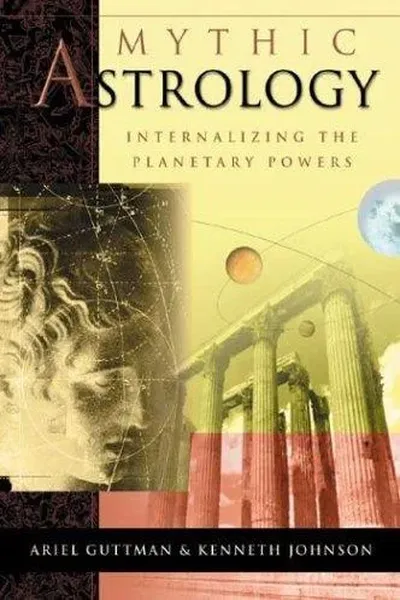
Ariel Guttman's "Mythic Astrology" explores the deep, archetypal narratives embedded within astrological symbols, connecting them directly to the Collective Unconscious. Guttman examines how planetary positions and zodiac signs reflect ancient myths and universal human experiences, offering a richer, more psychological interpretation of astrological charts. This approach moves beyond simple predictions, inviting readers to understand their birth chart as a personal myth, reflecting the archetypal patterns that shape their destiny and personality. Her work provides a framework for interpreting astrological influences through the lens of timeless stories.

Jung on alchemy

Jung on alchemy

by Carl Gustav Jung

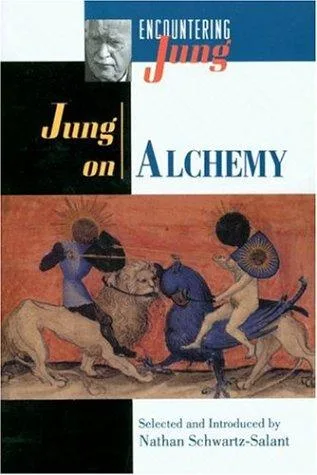
This collection presents Carl Gustav Jung's direct writings and theories on alchemy, revealing its profound psychological significance and its connection to the Collective Unconscious. Jung viewed alchemy not merely as a proto-science but as a symbolic system mirroring the individuation process, where the transformation of matter corresponds to the transformation of the psyche. He meticulously analyzed alchemical texts, identifying archetypal symbols and processes that illuminate the unconscious drive towards wholeness. This book is essential for understanding Jung's later work and his conviction that alchemy was a precursor to modern psychology.

Psychology and Alchemy

Psychology and Alchemy

by Carl Gustav Jung

Carl Gustav Jung's monumental work, "Psychology and Alchemy," is a cornerstone of his exploration into the Collective Unconscious, demonstrating the profound parallels between alchemical symbolism and the process of individuation. Jung meticulously analyzes alchemical texts and imagery, revealing how the alchemists' quest for the philosopher's stone was a projection of the unconscious journey towards psychological wholeness. This book introduces numerous archetypal images and processes, such as the coniunctio and the four stages of alchemical transformation, as reflections of the psyche's inherent drive for integration.

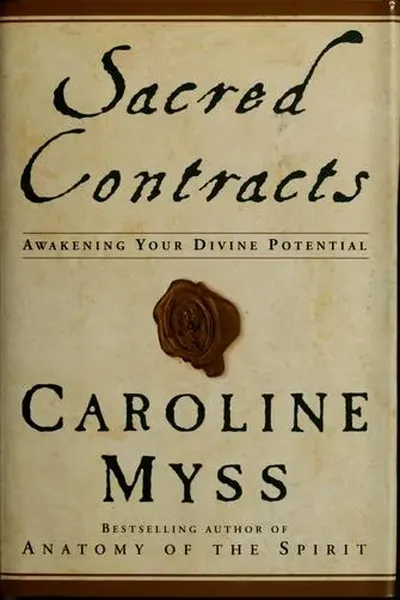
Sacred contracts

Sacred contracts

by Caroline Myss

Caroline Myss's "Sacred Contracts" introduces the concept that individuals are born with a unique set of archetypal agreements that shape their life path, profoundly linked to the Collective Unconscious. Myss identifies various archetypes—such as the Healer, the Rebel, the Visionary—and explains how understanding one's dominant archetypes can illuminate life purpose and challenges. This book offers a practical guide to identifying personal archetypes through a "Sacred Contract" chart, empowering readers to live in alignment with their deeper spiritual agreements and psychological patterns.

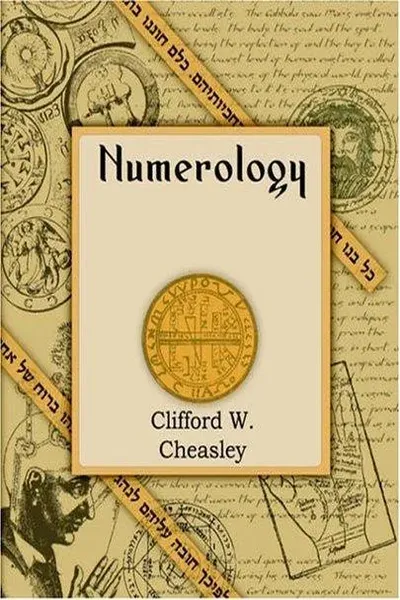
Numerology (1921)

Numerology (1921)

by Clifford Cheasley

Clifford Cheasley's "Numerology" from 1921 offers an early 20th-century perspective on the ancient practice of numerology, which explores the mystical relationship between numbers and events, echoing the ordered patterns of the Collective Unconscious. Cheasley likely details the vibrational meaning of single-digit numbers and master numbers, explaining how they influence personality traits, life paths, and destiny. This book provides methods for calculating personal numbers from names and birthdates, offering insights into individual potential and challenges. It represents a foundational text in the modern revival of numerological studies.

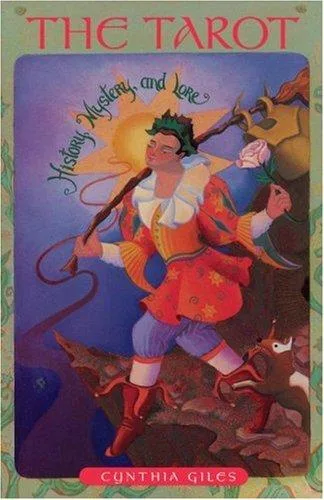
The tarot

The tarot

by Cynthia Elizabeth Giles

Cynthia Elizabeth Giles' exploration of the Tarot provides an accessible entry point into its symbolic language, which is deeply connected to the Collective Unconscious. This book likely introduces the major arcana and minor arcana, explaining their traditional meanings and how they reflect universal life stages and psychological states. It helps readers understand the archetypal journey depicted in cards like The Fool or The High Priestess, offering insights into personal growth and spiritual understanding. Giles' work guides the reader through the foundational interpretations of the cards, which serve as mirrors to the soul's deeper, shared wisdom.

Talking Xmas Story

Talking Xmas Story

by Edwin VanGorder

"Talking Xmas Story" by Edwin VanGorder, while seemingly a holiday narrative, might contain archetypal elements common to seasonal myths that resonate with the Collective Unconscious. Christmas stories often feature themes of rebirth, generosity, transformation, and the triumph of light over darkness, which are universal human experiences. VanGorder's tale could explore how these timeless narratives evoke shared feelings and memories, connecting individuals to a collective sense of wonder and renewal. The specific details of its plot would reveal its unique contribution to the rich tapestry of holiday lore.

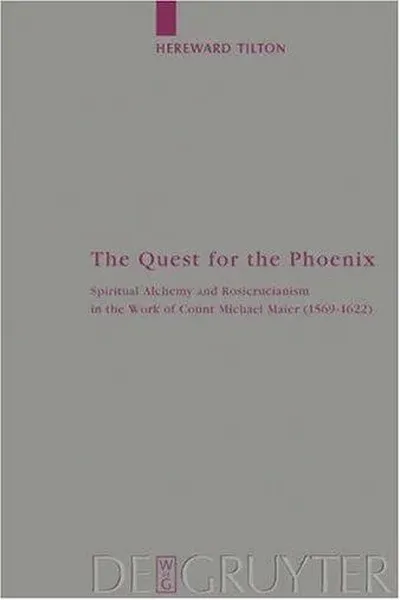
Quest for the Phoenix

Quest for the Phoenix

by Hereward Tilton

"Quest for the Phoenix" by Hereward Tilton likely explores the enduring myth of the Phoenix, a powerful archetypal symbol of death, rebirth, and eternal renewal deeply rooted in the Collective Unconscious. Tilton's work would delve into the origins and variations of the Phoenix myth across different cultures and eras, examining its significance as a metaphor for transformation and resilience. The book could explore how this mythical bird embodies the human capacity for regeneration and spiritual awakening, offering insights into cycles of destruction and creation in both personal and collective experience.

The Jungian Vessel

The Jungian Vessel

by Kai Charles Forest

"The Jungian Vessel" by Kai Charles Forest serves as an accessible introduction to the core concepts of Carl Gustav Jung's analytical psychology, including the pivotal idea of the Collective Unconscious. Forest likely simplifies complex theories such as archetypes, shadow, anima/animus, and individuation, making them understandable for new readers. The book provides a foundational overview of how these elements interact within the psyche and contribute to personal development. It's an excellent starting point for those curious about Jung's profound contributions to understanding the human mind and its universal patterns.

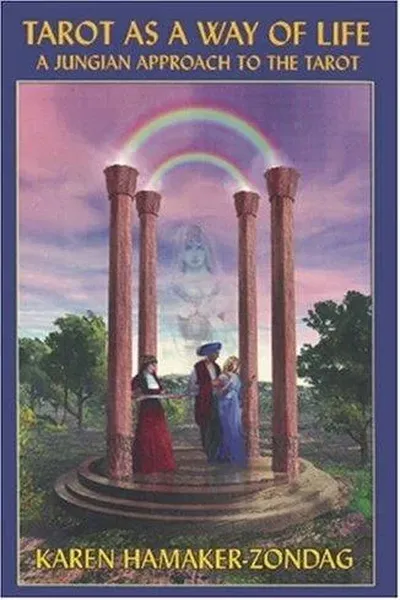
Tarot as a way of life

Tarot as a way of life

by Karen Hamaker-Zondag

Karen Hamaker-Zondag's "Tarot as a Way of Life" offers a practical and profound approach to integrating Tarot wisdom into daily living, drawing upon its archetypal connections to the Collective Unconscious. Hamaker-Zondag likely goes beyond simple card meanings, guiding readers to understand the Tarot as a dynamic system for self-reflection, problem-solving, and spiritual growth. The book might explore specific spreads and interpretive techniques that help individuals navigate life's challenges by recognizing the universal patterns and psychological insights offered by the cards. This work empowers readers to use Tarot for personal transformation.
Neue Alchemie

Neue Alchemie

by Melanie Bono

"Neue Alchemie" by Melanie Bono likely explores modern interpretations of alchemy, a field with strong ties to Jung's concept of the Collective Unconscious. This work might examine how alchemical principles of transformation, purification, and integration are relevant to contemporary psychological and spiritual practices. Bono could be exploring the symbolic journey from lead to gold as a metaphor for personal growth and individuation, where the self refines its base elements into a more conscious and integrated being. This book offers a fresh look at an ancient art, connecting its timeless wisdom to modern consciousness.

Kabbalah and eros

Kabbalah and eros

by Moshe Idel

Moshe Idel's "Kabbalah and Eros" explores the profound and often overlooked erotic dimensions within Kabbalistic mysticism, connecting them to archetypal forces that resonate with the Collective Unconscious. Idel meticulously analyzes classical Kabbalistic texts to reveal how concepts of divine union, longing, and spiritual intimacy are expressed through erotic metaphors. This scholarly work sheds light on the interplay between human desire and divine emanation, demonstrating how the pursuit of spiritual knowledge is intertwined with the deepest aspects of human experience. It offers a sophisticated understanding of Kabbalah's mystical depth.

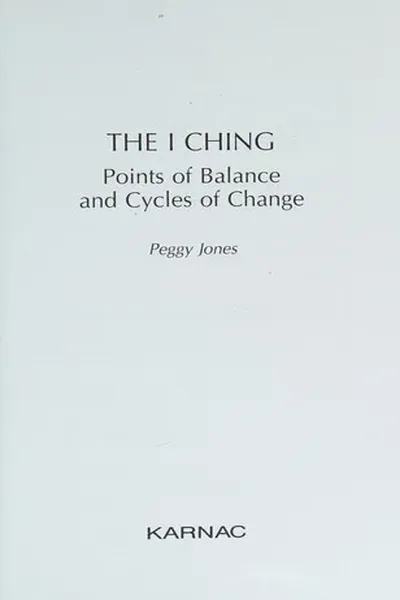
The I ching

The I ching

by Peggy Jones

Peggy Jones' rendition of the I Ching, or Book of Changes, offers a guide to this ancient Chinese divination system, which is a profound expression of the Collective Unconscious. The I Ching's 64 hexagrams represent all possible human situations and transformations, embodying archetypal patterns of change and balance. Jones' interpretation helps readers navigate the complex symbolism of yin and yang lines, providing practical advice derived from centuries of observation of natural and human cycles. This work serves as a tool for self-reflection and understanding the underlying order of the universe, mirroring the psyche's own dynamic processes.

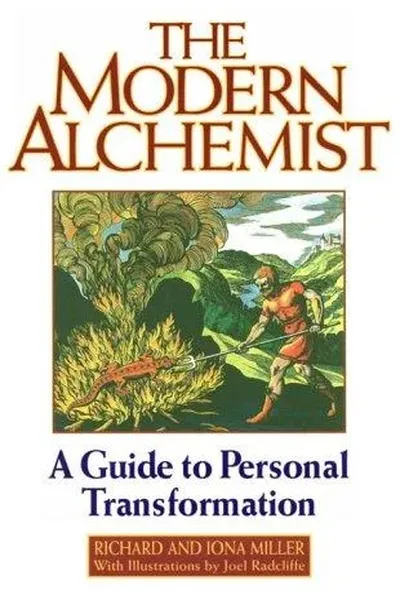
The modern alchemist

The modern alchemist

by Richard Alan Miller

"The Modern Alchemist" by Richard Alan Miller likely explores contemporary applications and understandings of alchemical principles, connecting them to modern science and the perennial wisdom of the Collective Unconscious. Miller might discuss how alchemical concepts of transformation, purification, and synthesis can be applied to areas such as personal development, holistic health, or even advanced technology. The book could bridge ancient mystical practices with cutting-edge thought, demonstrating the enduring relevance of alchemy's symbolic language for personal and collective evolution.

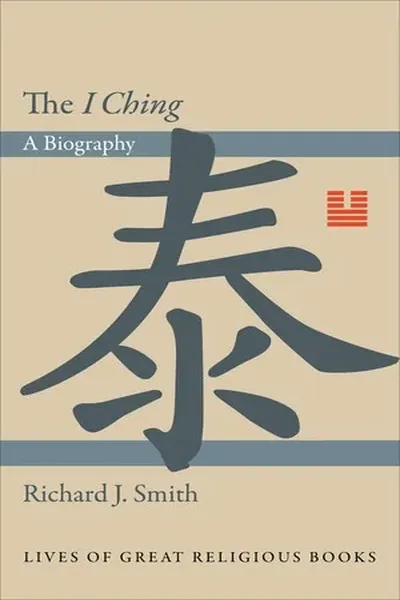
The I Ching

The I Ching

by Richard J. Smith

Richard J. Smith presents another valuable perspective on the I Ching, an ancient text rich with archetypal wisdom directly linked to the Collective Unconscious. Smith's approach likely delves into the historical and cultural context of the I Ching, explaining its philosophical underpinnings and its enduring relevance as a guide for life decisions. He might explore the intricate relationships between the trigrams and hexagrams, offering a deeper understanding of how these symbolic structures map onto human experience. This edition provides a scholarly yet accessible pathway into the profound insights offered by the Book of Changes.

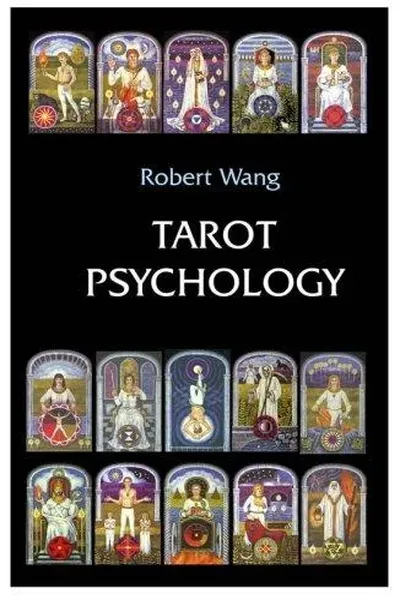
Tarot Psychology

Tarot Psychology

by Robert Wang

Robert Wang's "Tarot Psychology" offers a unique perspective on the Tarot, framing its symbols as keys to understanding the human psyche and the Collective Unconscious. Wang explores the archetypal journey represented by the Major Arcana, showing how each card corresponds to a stage of psychological development or a universal human experience. His work goes beyond superficial interpretations, encouraging readers to use the Tarot as a tool for self-analysis and personal growth, revealing the hidden dynamics of the unconscious mind. This book provides a structured method for applying Tarot wisdom to psychological insights.

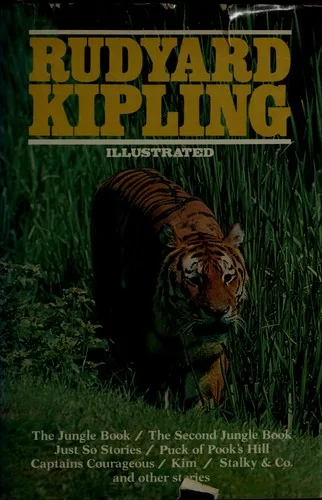
Poems

Poems

by Rudyard Kipling

This collection by Rudyard Kipling, though not explicitly Jungian, offers a rich tapestry of narratives and characters that resonate with archetypal themes. Kipling's vivid storytelling often taps into universal human experiences, exploring themes of duty, nature, and societal roles that echo patterns found within the Collective Unconscious. Readers can find reflections of heroism, shadow, and the wise old man in verses like "If—" which famously advises on maintaining virtue and resilience amidst adversity. His ability to craft enduring images and moral dilemmas provides fertile ground for understanding how shared human myths manifest in literature.

Jung and Tarot

Jung and Tarot

by Sallie Nichols

Sallie Nichols' seminal work, "Jung and Tarot," is a cornerstone for understanding the profound connections between Jungian psychology and the archetypal imagery of the Tarot. Nichols meticulously illustrates how the Major Arcana cards embody the archetypes of the Collective Unconscious, such as the Anima, Animus, Shadow, and Self. She shows how the journey through the Tarot mirrors the process of individuation, making the cards a powerful tool for self-discovery and psychological insight. This book is a vital resource for anyone seeking to interpret Tarot not just for divination, but for deep psychological exploration.

Kabbalah and Alchemy

Kabbalah and Alchemy

by Schwarz, Arturo

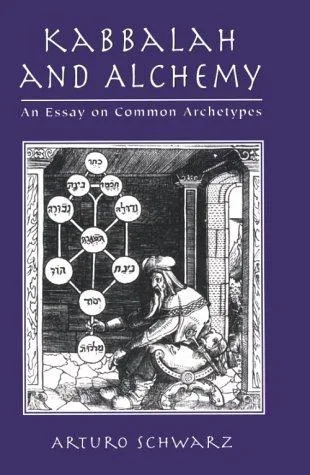
Arturo Schwarz's "Kabbalah and Alchemy" is a significant work that meticulously explores the profound esoteric connections between these two ancient mystical traditions, both rich with imagery from the Collective Unconscious. Schwarz delves into how Kabbalistic concepts, such as the Tree of Life and the Sefirot, find parallels in alchemical processes of transformation and spiritual refinement. The book reveals how both systems aim at profound inner change and the realization of ultimate truth, offering a complex, integrated view of spiritual development. It is a scholarly bridge between two powerful esoteric paths.

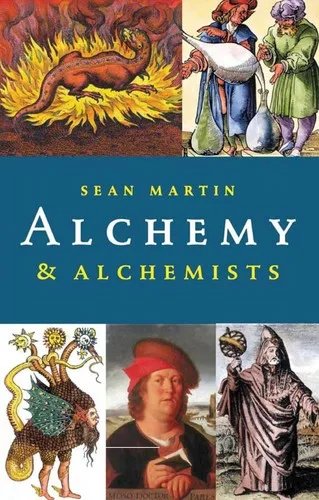
Alchemy & Alchemists

Alchemy & Alchemists

by Sean Martin

"Alchemy & Alchemists" by Sean Martin offers a comprehensive overview of the history and practices of alchemy, a discipline that Carl Gustav Jung famously linked to the Collective Unconscious. Martin likely explores the origins of alchemy, from ancient Egypt to the European Renaissance, detailing the lives and works of prominent alchemists. The book would delve into the symbolic language of alchemical texts, explaining how the pursuit of the philosopher's stone and the elixir of life were not just chemical processes but metaphors for spiritual transformation and psychological integration.

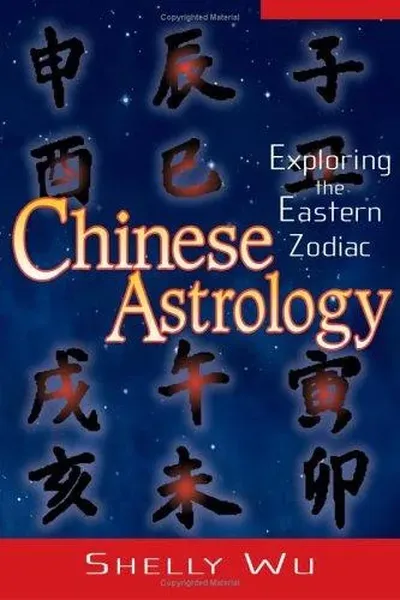
Chinese Astrology

Chinese Astrology

by Shelly Wu

Shelly Wu's "Chinese Astrology" delves into the intricate system of the Chinese zodiac, which, like Western astrology, taps into archetypal patterns within the Collective Unconscious. Wu explains the twelve animal signs, their characteristics, and how they interact with the five elements and yin/yang principles to create a nuanced understanding of personality and destiny. This book offers insights into the historical and cultural significance of Chinese astrology, providing detailed descriptions of each animal's traits and compatibility. It serves as a comprehensive guide to interpreting one's Chinese astrological profile.

Esoteric Library
Browse Esoteric Library
📚 All 52,000+ Books 🜍 Alchemy & Hermeticism 🔮 Magic & Ritual 🌙 Witchcraft & Paganism Astrology & Cosmology 🃏 Divination & Tarot 📜 Occult Philosophy ✡️ Kabbalah & Jewish Mysticism 🕉️ Mysticism & Contemplation 🕊️ Theosophy & Anthroposophy 🏛️ Freemasonry & Secret Societies 👻 Spiritualism & Afterlife 📖 Sacred Texts & Gnosticism 👁️ Supernatural & Occult Fiction 🧘 Spiritual Development 📚 Esoteric History & Biography
Esoteric Library
📑 Collections 📤 Upload Your Book
Account
🔑 Sign In Create Account
Info
About Esoteric Library