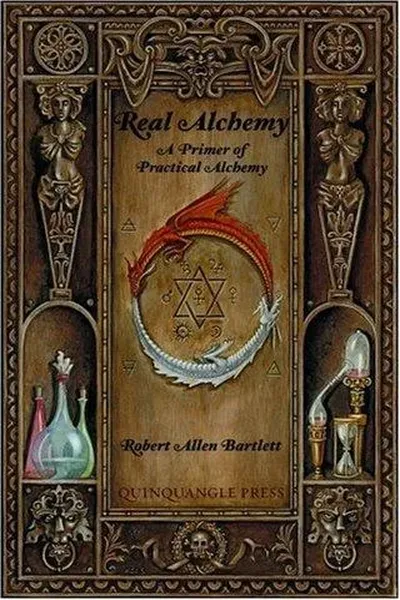
Theurgy, or the Hermetic practice
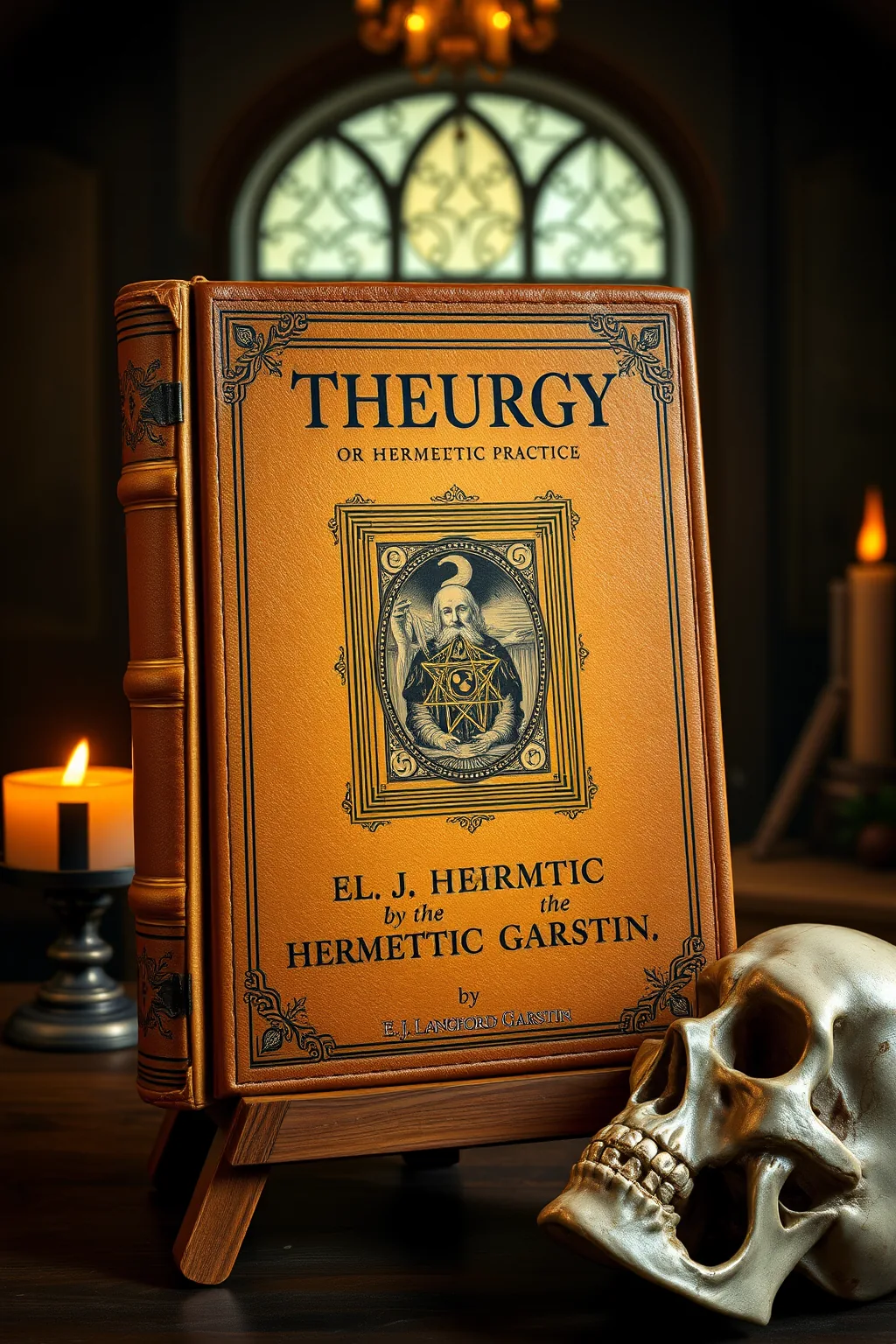
 62
62

Theurgy, or the Hermetic practice


Review by Isolde Whitaker (Sacred Texts Editor) — E. J. Langford Garstin's 'Theurgy, or the Hermetic Practice' stands as a beacon of esoteric insight, guiding readers through the labyrinth of Hermetic traditions. Garstin's work is particularly strong in its elucidation of theurgy, the art of divine communion, and its practical applications. The text is densely packed with symbolism and hidden knowledge, making it an invaluable resource for scholars and practitioners alike. The author's deep understanding of alchemy and its philosophical significance shines through, offering readers a comprehensive view of this ancient and mystical practice. For those seeking to deepen their understanding of the occult, this book is an essential addition to any library.
📝 Description
62
E. J. Langford Garstin's 1911 work, 'Theurgy, or the Hermetic Practice,' details the practical application of Hermetic principles.
Published in 1911, 'Theurgy, or the Hermetic Practice' by E. J. Langford Garstin examines the practical aspects of Hermeticism. Garstin lays out a system for spiritual development and magical operation derived from ancient Greek and Egyptian traditions. The book focuses on theurgy, a form of ritual magic intended to invoke the gods or divine forces. It discusses the principles and methods involved in these practices, aiming to bridge the material and spiritual worlds.
Garstin's approach is rooted in the Hermetic corpus and Neoplatonic philosophy. He details specific rites and their symbolic meanings, guiding the reader through the theoretical underpinnings and practical execution of theurgic work. The text serves as a manual for those seeking to understand and engage with these esoteric disciplines, explaining concepts related to spiritual transformation and the attainment of higher consciousness.
This book belongs to the Hermetic tradition, which draws from the writings attributed to Hermes Trismegistus. It intersects with Neoplatonism, particularly the ideas of Iamblichus on theurgy as a means of divine communion. Garstin's work positions itself within a lineage of occult practitioners who sought to understand and manipulate the subtle forces of the cosmos for spiritual advancement and to achieve a union with the divine. It reflects the revival of interest in ancient mystery traditions during the late 19th and early 20th centuries.
💡 Why Read This Book?
Read 'Theurgy, or the Hermetic Practice' to gain a profound understanding of Hermetic traditions and their esoteric practices. This book is ideal for seekers of hidden knowledge, scholars of alchemy, and practitioners of the occult. Garstin's work provides a rich philosophical foundation and practical insights, making it a valuable resource for spiritual seekers and those interested in the mysteries of the divine.
⭐ Reader Reviews
Honest opinions from readers who have explored this book.
❓ Frequently Asked Questions
What is the primary focus of 'Theurgy, or the Hermetic Practice'?
The primary focus is the exploration of Hermetic traditions, particularly theurgy and alchemy, and their esoteric practices.
Who is the intended audience for this book?
The intended audience includes scholars of esoteric traditions, practitioners of the occult, and spiritual seekers interested in Hermeticism and alchemy.
What makes this book unique?
This book is unique in its deep dive into Hermetic symbolism and its practical applications, providing both philosophical depth and esoteric insights.
Is this book suitable for beginners?
While it is accessible to beginners, it is particularly valuable for those with some prior knowledge of Hermeticism and alchemy.
Are there any modern applications of the teachings in this book?
Yes, the teachings in this book are still relevant today, influencing modern practitioners of theurgy and alchemy.
🔮 Key Themes & Symbolism
Theurgy
Theurgy, or the art of divine communion, is a central theme. Garstin examines the practices and symbolism of theurgy, revealing how it can be used to achieve spiritual ascension and union with the divine. This theme is rich with mystical and esoteric insights, making it a central to the book.
Alchemy
Alchemy is explored in depth, with a focus on its philosophical and spiritual dimensions. Garstin discusses the transmutation of the self and the search for the Philosopher's Stone, providing a comprehensive view of this ancient and mystical practice.
Hermetic Symbolism
The book is filled with Hermetic symbolism, which Garstin carefully unpacks. This symbolism is key to understanding the deeper meanings and practices of Hermeticism, offering readers a gateway into the esoteric traditions.
💬 Memorable Quotes
Direct passages from the work, attributed to the author.
“The path to divine communion lies in the mastery of symbolism.”
— Garstin emphasizes the importance of understanding and mastering symbolic language in theurgy.
“The Philosopher's Stone represents the ultimate goal of spiritual ascension.”
— The Philosopher's Stone is a metaphor for the highest spiritual attainment in alchemy.
“Hermetic practices reveal the hidden knowledge of the divine.”
— Garstin suggests that Hermeticism offers a path to uncovering and understanding divine mysteries.
💡 Key Ideas
Editorial paraphrase of the work's core concepts — not direct quotes.
Alchemy is the art of transmutation, both of matter and the self.
This quote highlights the dual nature of alchemy, encompassing both physical and spiritual transformation.
The seeker of hidden knowledge must be prepared for a journey of the soul.
This quote underscores the spiritual and transformative nature of the Hermetic quest.
🌙 Esoteric Significance
Tradition
This book belongs to the Hermetic tradition, which emphasizes the pursuit of hidden knowledge and spiritual enlightenment. Hermeticism is rooted in the teachings of Hermes Trismegistus and encompasses a wide range of esoteric practices, including theurgy and alchemy.
Symbolism
Key symbols in this book include the Philosopher's Stone, the Ouroboros, and various alchemical symbols. These symbols represent the transmutation of the self and the search for divine union, and are central to understanding Hermetic practices.
Modern Relevance
This book remains relevant today, influencing modern practitioners of theurgy and alchemy. Its teachings on symbolism and spiritual ascension continue to inspire seekers of hidden knowledge and those interested in the mysteries of the divine.
👥 Who Should Read This Book
Beginners will find this book a comprehensive introduction to Hermeticism and alchemy, while scholars will appreciate its deep exploration of esoteric traditions. Spiritual seekers will be drawn to its mystical and philosophical insights, and practitioners of the occult will find valuable practical applications. This book is ideal for anyone interested in the mysteries of the divine and the search for hidden knowledge.
📜 Historical Context
Published during a time of renewed interest in esoteric traditions, 'Theurgy, or the Hermetic Practice' reflects the spiritual quests of the early 20th century. The book was important for its comprehensive exploration of Hermeticism and alchemy, providing a rich source of knowledge for seekers and scholars. Its influence can be seen in the continued study and practice of these traditions today, with many modern practitioners drawing on Garstin's insights.
📔 Journal Prompts
Reflect on your understanding of theurgy and its role in spiritual ascension.
Explore the symbolism of alchemy and its relevance to your own spiritual journey.
Consider the significance of the Philosopher's Stone in your quest for enlightenment.
How does Hermetic symbolism enrich your understanding of the divine?
Write about your experiences with esoteric practices and their impact on your life.
🗂️ Glossary
Theurgy
The art of divine communion and spiritual ascension through esoteric practices.
Alchemy
The ancient practice of transmutation, both of matter and the self, seeking spiritual enlightenment.
Hermeticism
An esoteric tradition rooted in the teachings of Hermes Trismegistus, emphasizing hidden knowledge and spiritual enlightenment.
Philosopher's Stone
A symbol in alchemy representing the ultimate goal of spiritual ascension and transmutation.
Symbolism
The use of symbols to convey hidden meanings and esoteric knowledge in Hermetic practices.
This book appears in 4 collections
🔮 Readers Also Liked
Browse all →





More by E. J. Langford Garstin
All books →

From the “Hermeticism” Collection
View all →








More Free Alchemy & Hermeticism Books
View all →