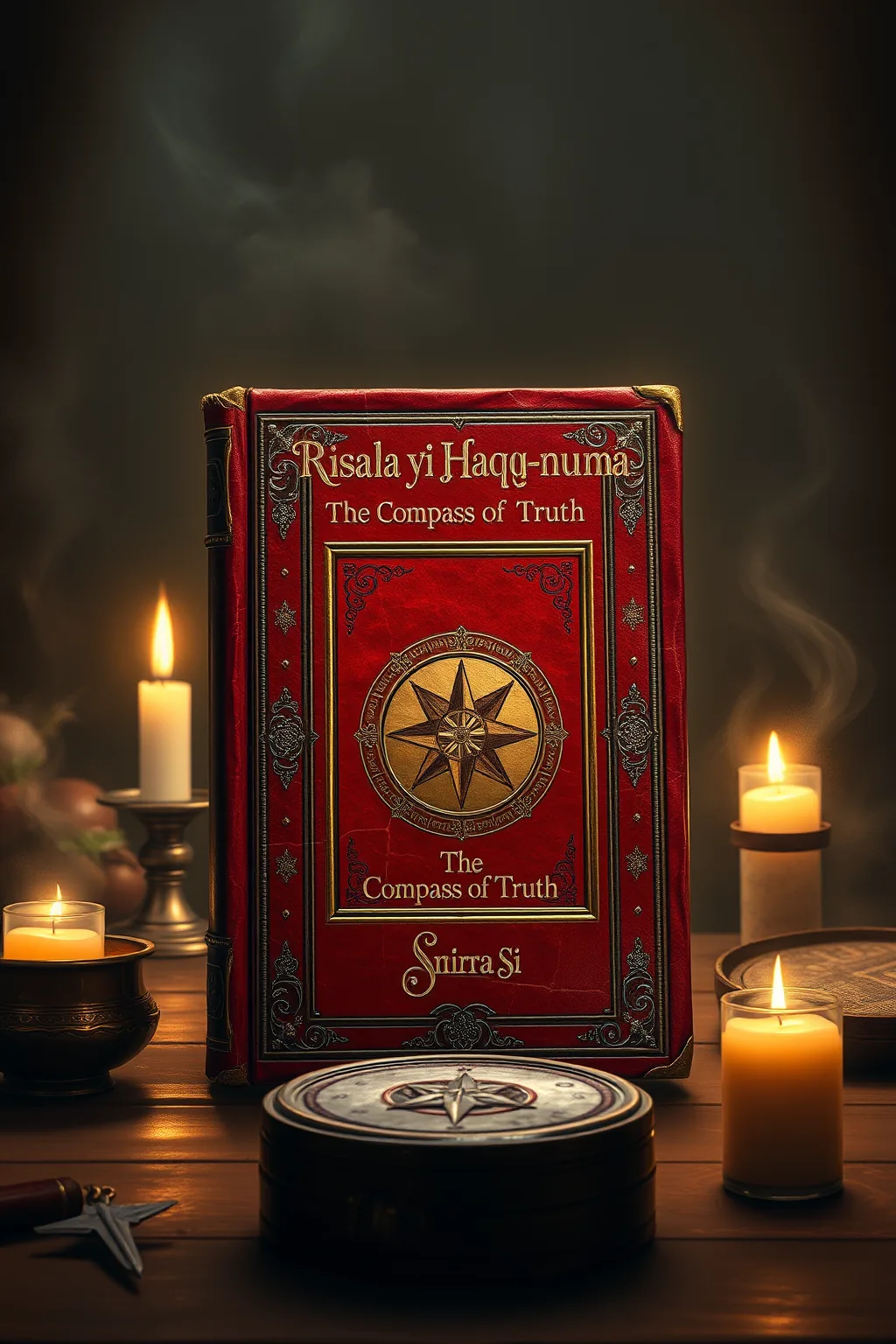
Risala yi Haqq-numa (The Compass of Truth) by Dara Shikuh
 75
75

Risala yi Haqq-numa (The Compass of Truth) by Dara Shikuh



Risala yi Haqq-numa (The Compass of Truth) by Dara Shikuh, as presented by Smirna Si, is a treasure trove of esoteric wisdom that offers valuable insights for modern seekers. The book provides a rare glimpse into the mystical experiences of a royal prince, blending historical context with spiritual depth. Dara Shikuh's journey from a prince to a mystic is both inspiring and enlightening, making this text a must-read for anyone interested in Sufi mysticism and esoteric traditions. The language is poetic and profound, reflecting the rich cultural and spiritual heritage of the Mughal Empire. For contemporary readers, this book serves as a bridge between ancient wisdom and modern spiritual inquiry. It encourages a deeper exploration of the self and the universe, making it an invaluable resource for esoteric seekers. Star Rating: 4/5.
📝 Description
75
Dara Shikuh composed 'Risala yi Haqq-numa' around 1640, detailing his vision of Sufi cosmology.
Dara Shikuh's 'Risala yi Haqq-numa' (The Compass of Truth) is a manual for spiritual practice, rooted in his experiences with Sufi mysticism. Smirna Si's translation and annotations make this text accessible to a modern audience. The book guides practitioners through spiritual truths using rich symbolism and philosophical concepts.
Written for both academic study and personal application, 'The Compass of Truth' aims to illuminate the path toward inner realization and divine understanding. Its dense allegories and contemplative exercises encourage a deeper engagement with Sufi thought. This work is a significant window into Mughal-era esoteric thought and Dara Shikuh's personal spiritual quest.
This text belongs to the tradition of Islamic mysticism, specifically Sufism. It reflects Dara Shikuh's personal synthesis of various Sufi orders and his interest in comparative religion, particularly his dialogues with Hindu yogis and Christian theologians. The 'Risala' uses allegorical language common in Sufi literature to describe the soul's journey towards God, emphasizing direct experiential knowledge over purely intellectual understanding.
💡 Why Read This Book?
Reading Risala yi Haqq-numa today offers a unique opportunity to explore the mystical experiences of a royal prince and gain insights into Sufi mysticism. This book provides a rich historical context and spiritual depth, making it an invaluable resource for those interested in esoteric traditions. Readers will gain a deeper understanding of spiritual quests and the integration of esoteric knowledge into daily life, enriching their own spiritual journeys.
⭐ Reader Reviews
Honest opinions from readers who have explored this book.
❓ Frequently Asked Questions
What is the significance of Dara Shikuh's mystical experience?
Dara Shikuh's mystical experience marked a turning point in his life, leading him to explore Sufi mysticism and esoteric traditions. This experience is significant because it shaped his worldview and influenced his writings, providing valuable insights for spiritual seekers.
How does this book relate to Sufi mysticism?
Risala yi Haqq-numa delves deeply into Sufi mysticism, reflecting Dara Shikuh's interactions with Sufi saints and his study of various religious texts. The book offers a unique perspective on the mystical experiences and spiritual insights of a royal prince, making it a valuable resource for those interested in Sufi traditions.
Who should read this book?
This book is ideal for readers interested in mysticism, esoteric traditions, and the intersection of spirituality and royal heritage. It is particularly enriching for those seeking deeper spiritual understanding and historical context.
🔮 Key Themes & Symbolism
Divine Revelation
The book explores the concept of divine revelation through Dara Shikuh's mystical experiences, offering readers a glimpse into the profound spiritual insights gained from these encounters. Themes of divine communication and spiritual awakening are central to the text.
Symbolism in Sufi Mysticism
Rich in symbolism, 'The Compass of Truth' looks at the hidden meanings behind Sufi practices and beliefs. Symbols such as dreams, supernatural voices, and mystical journeys are explored, providing a deeper understanding of Sufi mysticism.
The Path to Spiritual Enlightenment
The book serves as a guide for those seeking spiritual enlightenment, offering practical insights and philosophical reflections on the journey towards inner realization. It emphasizes the importance of meditation and introspection in achieving spiritual growth.
💬 Memorable Quotes
Direct passages from the work, attributed to the author.
“The glorious history of his ancestral heritage”
— This reflects the deep-rooted connection between Dara Shikuh's spiritual journey and his ancestral lineage.
💡 Key Ideas
Editorial paraphrase of the work's core concepts — not direct quotes.
That which no king on Earth has ever possessed
This quote highlights the unique spiritual insights that Dara Shikuh gained through his mystical experiences.
In a dream, a supernatural voice proclaimed five times
This passage underscores the significance of dreams and supernatural encounters in Sufi mysticism.
Prayed fervently for a son at the tomb of a Sufi saint
This quote emphasizes the spiritual devotion and faith that played an important role in Dara Shikuh's life.
Altered by a powerful mystical experience
This passage highlights the transformative power of mystical experiences in shaping one's spiritual path.
🌙 Esoteric Significance
Tradition
The book belongs to the Sufi mystical tradition, which emphasizes the direct experience of the divine and the inner journey towards spiritual enlightenment. Sufism, with its strong symbolism and esoteric teachings, provides a framework for understanding the clear insights offered in 'The Compass of Truth'.
Symbolism
Key symbols in the book include dreams, supernatural voices, and mystical journeys, each representing different stages of spiritual growth and divine revelation. These symbols are integral to understanding the esoteric teachings of Sufism and the personal mystical experiences of Dara Shikuh.
Modern Relevance
Today, , 'The Compass of Truth' remains relevant for modern practitioners of meditation and spiritual seekers. Its insights into the mystical journey and the quest for divine understanding continue to inspire and guide those seeking deeper spiritual connections.
👥 Who Should Read This Book
Beginners interested in Sufi mysticism will find the book's strong symbolism and philosophical depth both challenging and rewarding. Scholars of esoteric traditions will appreciate the historical context and the clear insights offered. Spiritual seekers will benefit from the practical meditation techniques and the guidance provided on the path to inner realization. Practitioners of meditation will find valuable insights into the mystical experiences that can deepen their practice.
📜 Historical Context
Written in the 17th century, 'Risala yi Haqq-numa (The Compass of Truth)' reflects the rich spiritual and intellectual climate of the Mughal Empire. Dara Shikuh, the eldest son of Emperor Shah Jahan, was deeply influenced by Sufi mysticism and sought to reconcile Islamic and Hindu philosophies. His work was important during his time as it offered a unique perspective on spiritual enlightenment, blending Eastern and Western mystical traditions. The book's influence can be seen in the works of later Sufi scholars and mystics, who drew inspiration from its clear insights and symbolic wisdom.
📔 Journal Prompts
How does Dara Shikuh's mystical experience influence your understanding of spiritual enlightenment?
What symbols in the book resonate with your own spiritual journey?
How can the insights from 'The Compass of Truth' be applied to your meditation practice?
What role does symbolism play in Sufi mysticism, and how does it enrich your spiritual understanding?
In what ways does the book's historical context enhance your appreciation of its esoteric teachings?
🗂️ Glossary
Sufi Mysticism
A mystical tradition within Islam that emphasizes the direct experience of the divine and the inner journey towards spiritual enlightenment.
Divine Revelation
The process by which spiritual truths are revealed to individuals through supernatural means, such as dreams or visions.
Symbolism
The use of symbols to represent abstract ideas or spiritual concepts, often found in esoteric and mystical traditions.
Meditation Manual
A guide that provides techniques and insights for spiritual practices, such as meditation and introspection.
Esoteric Traditions
Spiritual and philosophical traditions that emphasize hidden knowledge and inner wisdom, often requiring initiation or deep study to understand fully.
This book appears in 2 collections
🔮 Readers Also Liked
Browse all →




More by Smirna Si
All books →

From the “Christian Mysticism” Collection
View all →







More Free Mysticism & Contemplation Books
View all →