What are the Upanishads?
The Upanishads are a collection of Sanskrit texts forming the theoretical part of the Vedas, the basis of Vedanta philosophy. They primarily deal with meditation, philosophy, and spiritual knowledge, focusing on the nature of ultimate reality (Brahman) and the self (Atman). Composed between the 8th and 4th centuries BCE, they represent a shift from ritualistic concerns of earlier Vedic literature to introspective inquiry. These texts explore the relationship between the individual soul and the universal consciousness, positing their fundamental unity.
Best Books for Complete Beginners
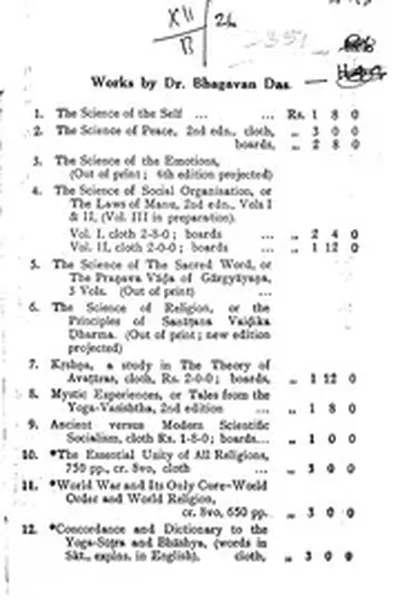
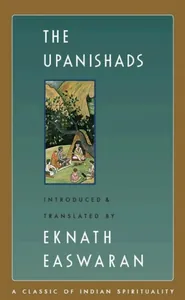
For those new to the Upanishads, starting with accessible translations and commentaries is crucial. Swami Paramananda's translation of The Upanishads provides a clear entry point. 'Mystic Experiences Tales Of Yoga & Vedanta' by Bhagavan Das offers context within broader Indian philosophical traditions. Rudolf Steiner's 'Paths and Goals of Spiritual Human Beings (CW 125)' touches upon similar themes from a different perspective, providing comparative insights. These selections aim to build a foundational understanding of the core concepts without overwhelming the reader.
Intermediate Reading
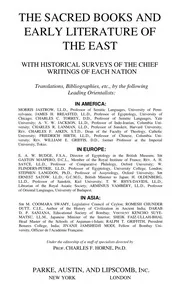
Moving beyond introductory texts, readers can engage with more nuanced explorations. 'The Sacred Books of the East (9 of 14)' includes translations of key Upanishads, offering a scholarly perspective. 'Neoplatonism, the Advaita Vedānta and comparative-confluence method for cross-cultural philosophizing' by Sinto Jose Porathur provides comparative philosophical analysis, linking Upanishadic thought to other traditions. 'Occult Science in India' by Louis Jacolliot (1919) offers historical context on Indian philosophical systems, including Upanishadic ideas, though requiring critical engagement.
Classical / Advanced Texts
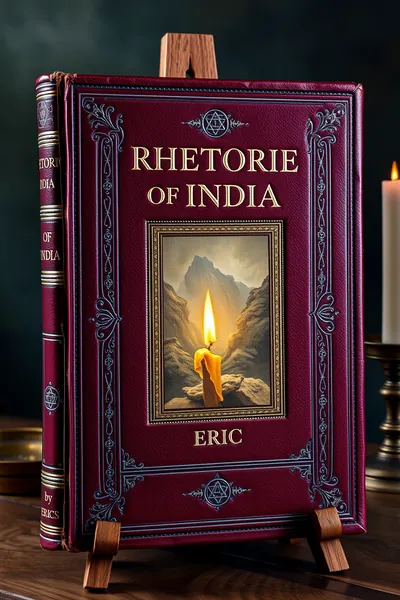
Serious students will benefit from engaging with primary source materials and in-depth scholarly works. 'The Bhamati Catussutri' by S S Suryanarayana Sastri and C Kunhan Raja presents a specific school of Vedantic interpretation. Works focusing on specific philosophical schools, like those analyzing Brahmanical Deities in relation to broader Indian thought, offer advanced perspectives. Consulting comprehensive bibliographies like 'Rhetoric of India: A Selected, Interdisciplinary Bibliography' by ERIC (1988) can guide further specialized research.
Reading Order — Step by Step
Begin with Swami Paramananda's translation of The Upanishads for a clear introduction. In weeks 3-4, explore 'Mystic Experiences Tales Of Yoga & Vedanta' by Bhagavan Das to contextualize the philosophy. Month two can focus on 'The Sacred Books of the East (9 of 14)' for more canonical translations. By month three, look at comparative works like Sinto Jose Porathur's text or historical overviews like Jacolliot's. Advanced study in month four could involve engaging with specific commentaries or scholarly analyses of particular Upanishadic schools.
Frequently Asked Questions
Which Upanishad book should I read first?
Start with Swami Paramananda's translation of 'The Upanishads'. It provides a clear and accessible introduction to the core philosophical ideas and language, making it ideal for beginners.
Are the Upanishads difficult to understand?
The Upanishads can be philosophically dense. Beginning with annotated translations and secondary sources that explain concepts like Brahman and Atman can greatly aid comprehension.
What is the main message of the Upanishads?
The central theme is the identity of the individual soul (Atman) with the universal consciousness (Brahman), and the realization of this truth leads to liberation from suffering and the cycle of rebirth.
How do the Upanishads relate to Yoga and Vedanta?
The Upanishads are the foundational texts for Vedanta philosophy, and their teachings on meditation, self-inquiry, and the nature of reality are integral to the philosophical underpinnings of Yoga.
Can I find free versions of the Upanishads?
While specific translations might be copyrighted, older public domain translations, particularly those included in collections like 'The Sacred Books of the East', may be available for free online or in certain archives.
What is the difference between Vedas and Upanishads?
The Vedas are a larger corpus of ancient Indian scriptures. The Upanishads are the final part of the Vedas, focusing on philosophical and spiritual knowledge, distinct from the earlier ritualistic sections.