What is Vedanta?
Vedanta, meaning 'the end of the Vedas,' is a school of Hindu philosophy focused on the Upanishads. It explores the nature of reality, the self (Atman), and its relationship with the ultimate reality (Brahman). Key concepts include karma, reincarnation, and the path to liberation (moksha) through knowledge and realization.
Best Books for Complete Beginners
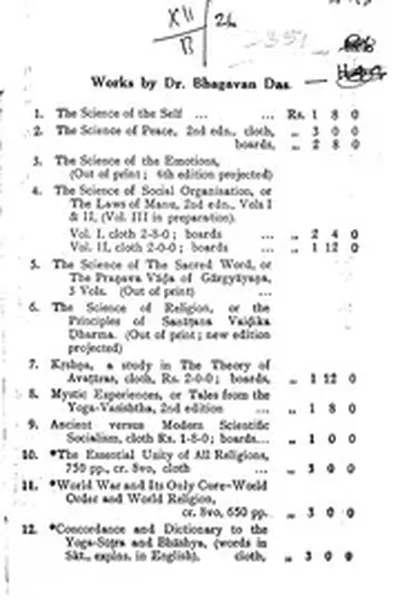
Beginners can start with accessible introductions that clarify core concepts. Swami Abhedananda's Vedanta Philosophy (1900) provides a clear overview of the system. Bhagavan Das's Mystic Experiences Tales Of Yoga & Vedanta offers relatable narratives. The Bhagavad Gita PDF E-book (2016) presents a widely studied scripture in modern translations, making its teachings digestible for newcomers seeking to grasp fundamental principles.
Intermediate Reading
Moving beyond basics, intermediate readers can look at more specific philosophical arguments. J. F. Staal's Advaita and Neoplatonism draws parallels between Eastern and Western thought. The Upanishads Part 1 by Friedrich Max Muller offers a scholarly translation and commentary. S S Suryanarayana Sastri and C Kunhan Raja's The Bhamati Catussutri explores a specific commentary tradition, providing deeper insight into Vedantic logic and epistemology.
Classical / Advanced Texts
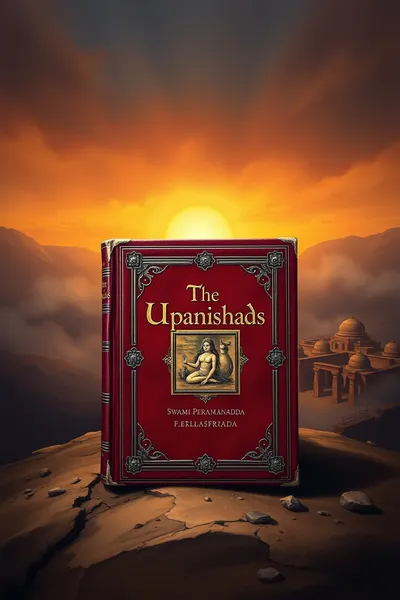
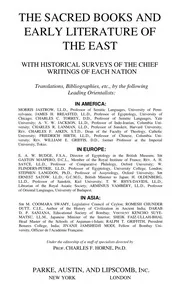
Serious students will find value in primary sources and detailed commentaries. Vedantakalpalatika by Madhusudan Saraswati (circa 1500) is a significant work within the Advaita tradition. The Sacred Books of the East (9 of 14) contains foundational texts. Swami Paramananda's translation of The Upanishads offers a revered rendering of these core philosophical dialogues, essential for advanced study.
Reading Order — Step by Step
Begin a structured approach with the Bhagavad Gita PDF E-book (2016) for foundational understanding. Follow with Swami Abhedananda's Vedanta Philosophy (1900) to contextualize the Gita. In month two, explore The Upanishads by Swami Paramananda for deeper scriptural insight. For month three, engage with Advaita and Neoplatonism by J. F. Staal to broaden comparative perspectives, or tackle Madhusudan Saraswati's Vedantakalpalatika for advanced study.
Frequently Asked Questions
Which Vedanta book should I read first?
For a clear introduction, start with Vedanta Philosophy by Swami Abhedananda (1900). The Bhagavad Gita PDF E-book (2016) is also an excellent first step due to its narrative style and ethical teachings.
What is the difference between Vedanta and Yoga?
Vedanta is a philosophical system focused on knowledge of reality, primarily from the Upanishads. Yoga is a practice and discipline aimed at controlling the mind and body, often incorporating philosophical elements from Vedanta.
Is Advaita the only form of Vedanta?
No, Advaita (non-dualism) is the most well-known, but other schools exist, such as Vishishtadvaita (qualified non-dualism) and Dvaita (dualism), each offering distinct interpretations of Brahman, Atman, and their relationship.
How do the Upanishads relate to Vedanta?
The Upanishads are the primary scriptural basis for Vedanta. Vedanta is essentially the philosophical interpretation and systematization of the teachings found within the Upanishads.
What is the significance of the Bhagavad Gita in Vedanta?
The Bhagavad Gita is considered a key text that synthesizes various Vedantic concepts, including karma yoga, jnana yoga, and bhakti yoga, making them accessible within a narrative context.
Are there modern interpretations of Vedanta?
Yes, numerous modern teachers and scholars have interpreted Vedanta for contemporary audiences, including figures like Swami Abhedananda and authors of books like Living Nonduality by Robert Wolfe.