What is Chaos Magic?
Chaos Magic is a contemporary magical tradition that emphasizes practical results over adherence to specific dogma or cosmology. It posits that belief itself is a tool, and practitioners are encouraged to adopt and discard belief systems as needed to achieve magical effects. This approach draws from various esoteric traditions, psychology, and even science fiction, focusing on individual experimentation and subjective experience.
Best Books for Complete Beginners
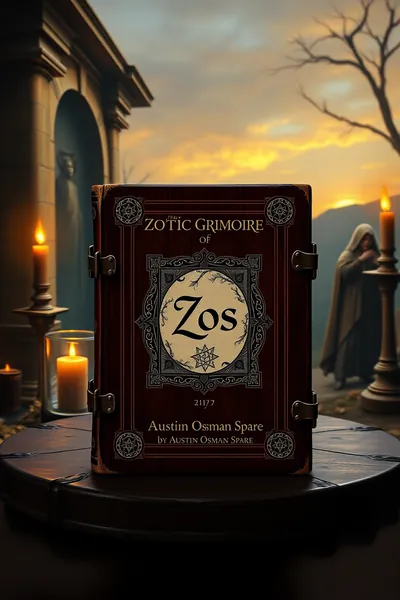
For those new to Chaos Magic, starting with accessible introductions is key. "Hands-On Chaos Magic: Reality Manipulation through the Ovayki Current" offers practical exercises for immediate engagement. Austin Osman Spare's "The Zoëtic Grimoire of Zos" introduces foundational ideas on sigil creation and the nature of the subconscious, though it requires careful study. Christopher S. Hyatt's "The Black Book Series, The Psychopaths Notebook & Undoing Yourself" provides a direct, no-nonsense approach to self-transformation and magical practice, often considered a gateway for many modern practitioners.
Intermediate Reading
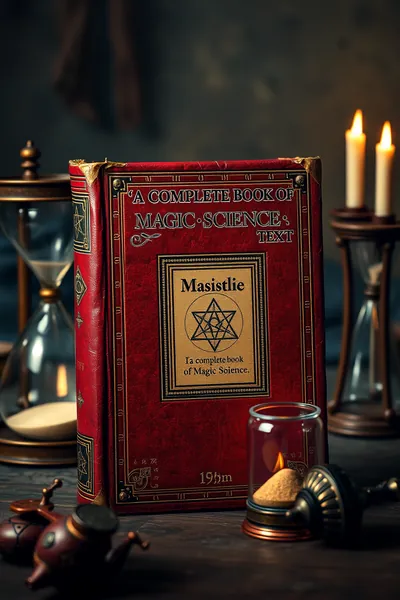
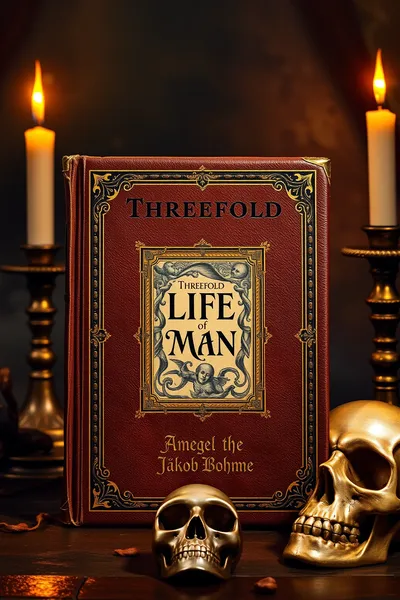
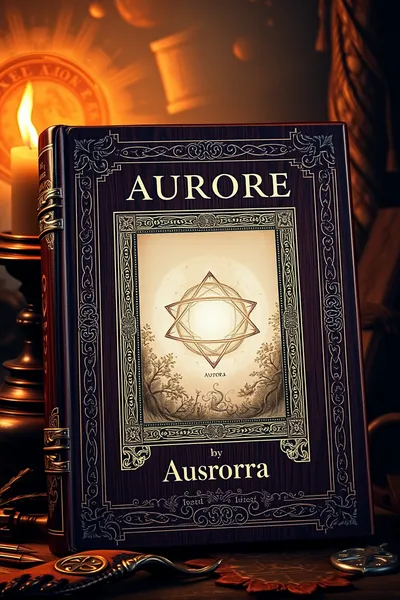
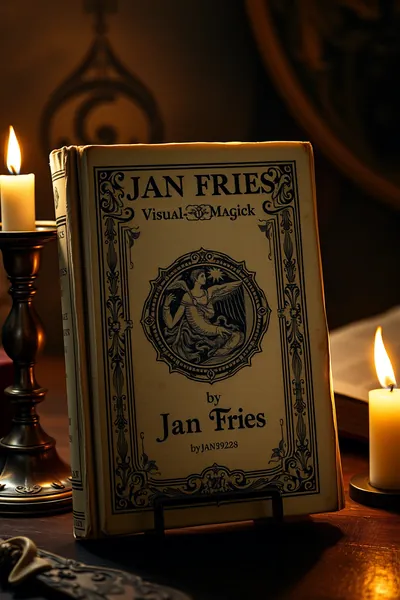
Moving beyond the basics, intermediate study delves deeper into theoretical frameworks and advanced techniques. Jan Fries' "Visual-Magick" (1992) is essential for understanding the visual and symbolic aspects crucial to many Chaos Magic operations. Works by Jacob Boehme, such as "Threefold Life of Man" and "Jacob Boehme's Aurora," offer historical context for concepts of divine manifestation and the nature of reality, influencing later esoteric thought. "A Complete Book Of Magic Science Text" can provide a broader overview of magical principles.
Classical / Advanced Texts
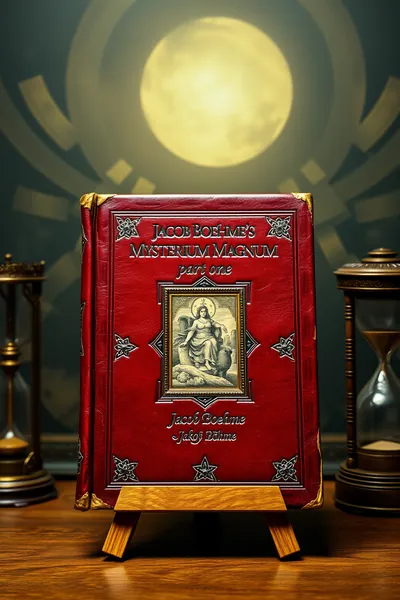
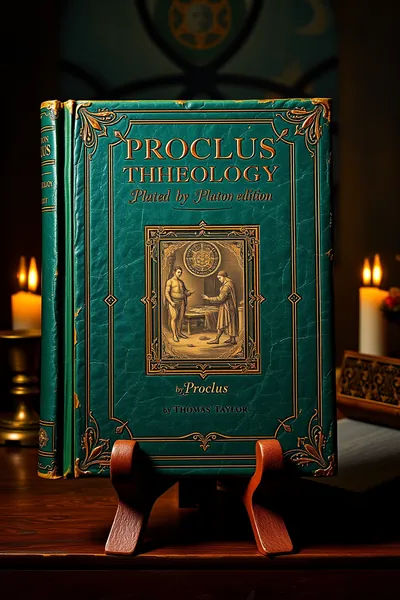
Advanced study involves engaging with primary sources and complex philosophical underpinnings. Proclus' "Proclus on the Theology of Plato," translated by Thomas Taylor, offers Neoplatonic perspectives that resonate with certain magical theories of emanation and theurgy. Jacob Boehme's "Jacob Boehme's Mysterium Magnum, part one" studies complex alchemical and theological concepts that, while not directly Chaos Magic, inform its understanding of universal forces. These texts require significant prior knowledge and analytical rigor.
Reading Order — Step by Step
Begin with "Hands-On Chaos Magic" and Christopher S. Hyatt's "The Psychopaths Notebook" in Weeks 1-4 to grasp core principles and practical application. In Month 2, transition to Austin Osman Spare's "The Zoëtic Grimoire of Zos" and Jan Fries' "Visual-Magick" to refine technique and symbolic understanding. For Month 3 and beyond, explore Jacob Boehme's works ("Threefold Life of Man," "Aurora") and Proclus' "Theology of Plato" to build a deeper theoretical foundation and historical context.
Frequently Asked Questions
Which Chaos Magic book should I read first?
Start with 'Hands-On Chaos Magic: Reality Manipulation through the Ovayki Current' for practical exercises, or Christopher S. Hyatt's 'The Psychopaths Notebook' for a direct approach to self-transformation and magical thinking.
Is Chaos Magic related to Aleister Crowley?
Chaos Magic draws inspiration from various sources, including the work of Aleister Crowley and Thelema, but it is distinct in its emphasis on eclecticism and the rejection of fixed dogma.
What is the role of belief in Chaos Magic?
Belief is considered the primary tool. Chaos magicians are encouraged to adopt and discard belief systems fluidly to achieve specific magical results, rather than adhering to a single worldview.
Do I need prior magical experience to start?
No, many Chaos Magic texts are designed for beginners. 'Hands-On Chaos Magic' is particularly suited for those with no prior experience, focusing on practical application from the outset.
What is a sigil, and how is it used?
A sigil is a symbol created to represent a specific desire or intent. In Chaos Magic, sigils are charged with energy, typically during a gnosis state, and then forgotten to allow the subconscious to manifest the desire.
Are there specific deities or spirits in Chaos Magic?
Chaos Magic does not mandate adherence to specific deities. Practitioners may invoke archetypes, fictional characters, or create their own entities (servitors) as needed for their magical work.
How does Chaos Magic differ from traditional magic systems?
It emphasizes pragmatism, individual experimentation, and the belief that belief itself is the primary mechanism, rather than relying on established rituals, pantheons, or specific magical theories.