52,000+ Esoteric Books Free + Modern Compare Prices
Home Collections Near-Death Experience
🕊️

Near-Death Experience Books: A Comprehensive Reading List

Books on near-death experiences span historical accounts, spiritual interpretations, and philosophical explorations of consciousness beyond the physical body. Arthur Conan Doyle's 'The Vital Message' and Marie Corelli's 'The Life Everlasting' offer early perspectives on life after death, while later works delve into the psychological and spiritual dimensions. This guide presents a structured reading path for those investigating the phenomenon, from initial explorations to advanced studies of consciousness and the afterlife.

Top Near-Death Experience Books

25 Near-Death Experience books
TRENDING
The Emerald City of Oz
📖
The Emerald City of Oz
Baum, L. Frank (Lyman Frank)
4.3
72
The Lost Princess of Oz
📖
The Lost Princess of Oz
Baum, L. Frank (Lyman Frank)
4.3
72
PAGE-TURNER
The Road to Oz
📖
The Road to Oz
Baum, L. Frank (Lyman Frank)
4.3
71
Ozma of Oz
📖
Ozma of Oz
Baum, L. Frank (Lyman Frank)
4.3
71
CLASSIC
The Scarecrow of Oz
📖
The Scarecrow of Oz
Baum, L. Frank (Lyman Frank)
4.3
70
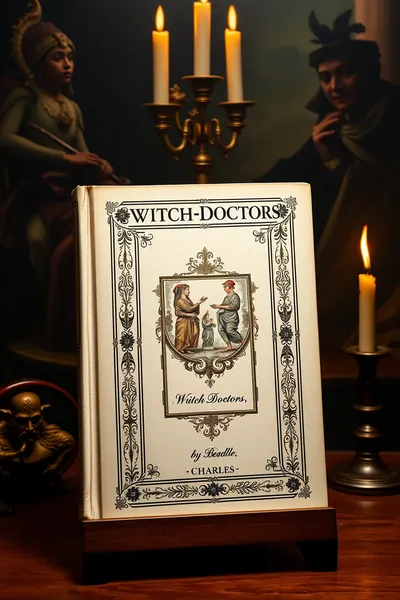
Witch-Doctors
📖
Witch-Doctors
Beadle, Charles
4.3
69
🧠 MIND-EXPANDING
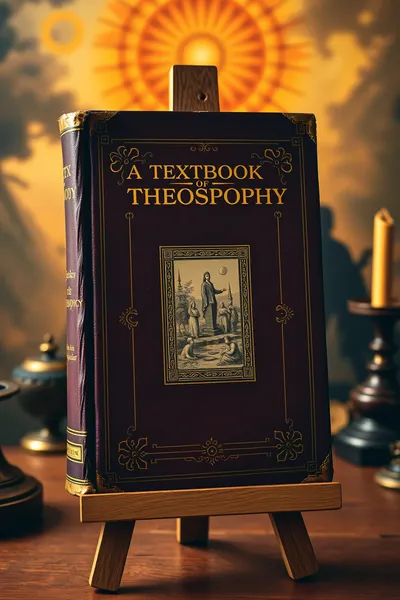
A Textbook of Theosophy
📖
A Textbook of Theosophy
C. W. (Charles Webster) Leadbeater
4.5
79
The Slayer of Souls
📖
The Slayer of Souls
Chambers, Robert W. (Robert William
4.3
70
Satan
📖
Satan
Lewis Sperry Chafer
4.6
82
Witch Stories
📖
Witch Stories
Linton, E. Lynn (Elizabeth Lynn)
4.3
70
HIDDEN GEM
Modern Magic
📖
Modern Magic
Schele de Vere, M. (Maximilian)
4.3
70
🧠 MIND-EXPANDING
The Upanishads
📖
The Upanishads
Swami [Translator] Paramananda
4.5
76

What is a Near-Death Experience?

A near-death experience (NDE) is a profound personal experience associated with death or dying, which bears a common set of themes. These experiences are often reported by individuals who have been clinically dead or close to death, such as during cardiac arrest or severe trauma. Common elements include a sense of being dead, a feeling of peace, a 'life review,' seeing a light, encountering deceased relatives or spiritual beings, and an out-of-body sensation. NDEs are studied across psychology, philosophy, and religious studies for their implications on consciousness and mortality.

Best Books for Complete Beginners

For those new to the study of near-death experiences, starting with accessible narratives provides a solid foundation. Arthur Conan Doyle's 'The Vital Message' (1919) offers an early and influential exploration of spiritual communication and life beyond death. Marie Corelli's 'The Life Everlasting: A Reality of Romance' (1911) presents a romanticized yet earnest view on the persistence of life and consciousness. L. Frank Baum's 'The Tin Woodman of Oz' (1918), while a children's fantasy, touches on themes of artificial life and the nature of existence in a metaphorical way, offering a gentle introduction to related concepts.

Intermediate Reading

Moving beyond introductory texts, intermediate readers can explore more detailed accounts and philosophical underpinnings. Robert Hichens' 'The Prophet of Berkeley Square' (1901) delves into spiritualism and encounters with the unseen. F. Marion Crawford's 'The Witch of Prague: A Fantastic Tale' (1891) explores themes of psychic phenomena and altered states of consciousness. William Meinhold's 'Sidonia, the Sorceress' (1847) presents a historical narrative with supernatural elements that touch upon the boundaries of life and death.

Classical / Advanced Texts

Advanced study involves primary source material and foundational philosophical texts that inform the understanding of consciousness and spirituality. The Upanishads, as translated by Swami Paramananda, offer ancient Indian philosophical perspectives on the soul's journey. Andrew Lang's 'Myth, Ritual and Religion, Vol. 1' (1899) provides comparative studies of beliefs across cultures, offering context for narratives of the afterlife. Immanuel Kant's 'Fundamental Principles of the Metaphysic of Morals' and 'The Metaphysical Elements of Ethics' (1785) explore the philosophical basis of existence and moral law, relevant to the ethical dimensions sometimes reported in NDEs.

Reading Order — Step by Step

Begin your exploration with accessible narratives. Month 1: Start with Arthur Conan Doyle's 'The Vital Message' and Marie Corelli's 'The Life Everlasting' to grasp early perspectives. Month 2: Progress to F. Marion Crawford's 'The Witch of Prague' and Robert Hichens' 'The Prophet of Berkeley Square' for more complex narratives involving psychic phenomena. Month 3: Engage with foundational philosophy by reading selections from The Upanishads and Andrew Lang's 'Myth, Ritual and Religion'. Continue with advanced texts like Kant's ethical works to deepen your philosophical understanding.

Frequently Asked Questions

Which near-death experience book should I read first?

For a beginner, Arthur Conan Doyle's 'The Vital Message' is a good starting point. It offers an accessible early perspective on spiritual communication and the concept of life continuing after death.

Are near-death experiences scientifically proven?

While NDEs are widely reported and studied, their exact nature and cause remain subjects of ongoing research across neuroscience, psychology, and philosophy. Definitive scientific proof of an afterlife is not established.

What is the difference between an NDE and a hallucination?

NDEs are typically described as coherent, profound experiences with specific recurring themes, often occurring when consciousness is severely compromised. Hallucinations can be more varied and may occur under different conditions, though the line can be debated.

Do all near-death experiences involve religious beliefs?

No, NDEs are reported by people of various religious backgrounds and no religious background. While some experiences may involve religious imagery, many describe universal themes like light, peace, and love.

Can near-death experiences change a person's life?

Yes, many individuals who report NDEs describe profound and lasting changes in their outlook on life, including a reduced fear of death, increased sense of purpose, and greater compassion for others.

Where can I find accounts of historical near-death experiences?

Early accounts can be found in texts exploring spiritualism and the afterlife, such as Arthur Conan Doyle's 'The Vital Message'. Comparative mythology and religious studies, like Andrew Lang's work, also provide historical context for such phenomena.

Why Each Book Matters

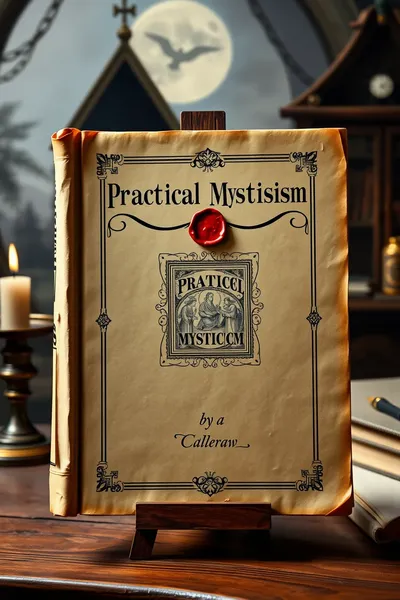
Practical Mysticism

Practical Mysticism

"Practical Mysticism" by an unknown author is a guide focused on achieving direct spiritual experience and inner development. This work emphasizes transcending ordinary perception to connect with the divine, offering methods for profound personal transformation and spiritual awakening, akin to the insights gained from extraordinary experiences.

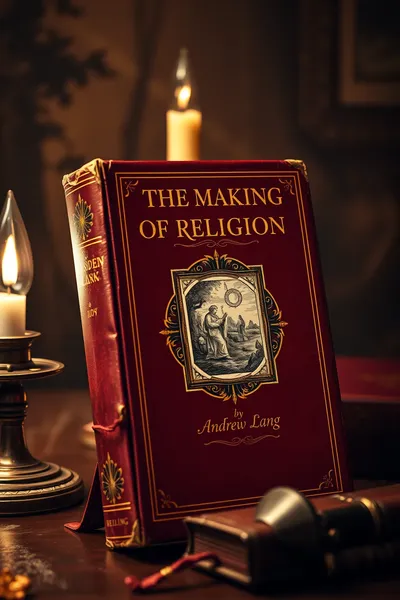
The Making of Religion

The Making of Religion

by Andrew Lang

Andrew Lang's "The Making of Religion," published in 1898, is an anthropological study exploring the origins of religious belief. The work examines human attempts to understand death, the soul, and the supernatural, offering insights into the universal human quest to make sense of existence and the mysteries beyond.

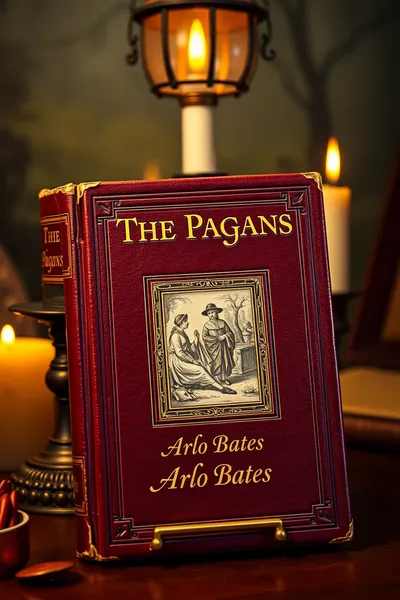
The Pagans

The Pagans

by Arlo Bates

Published in 1884, Arlo Bates' novel "The Pagans" offers a glimpse into Boston's bohemian art scene. The story critiques societal norms and explores the search for deeper meaning and authenticity outside conventional structures, resonating with the questioning of values often experienced after a transformative event.

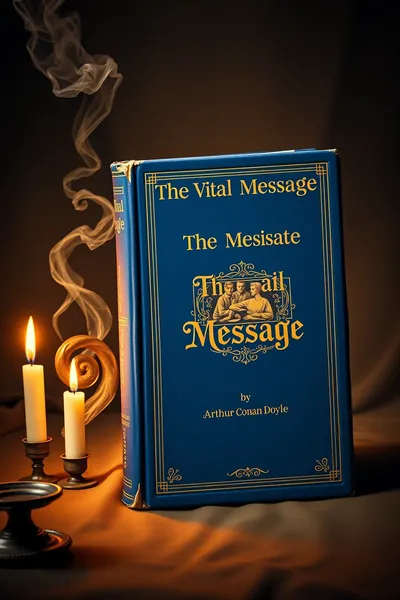
The Vital Message

The Vital Message

by Arthur Conan Doyle

Published in 1919, "The Vital Message" by Arthur Conan Doyle is a passionate defense of Spiritualism, written after the tragic loss of his son. The work argues for the reality of communication with the deceased and provides what Doyle considered evidence of an afterlife, directly addressing the continuation of consciousness.

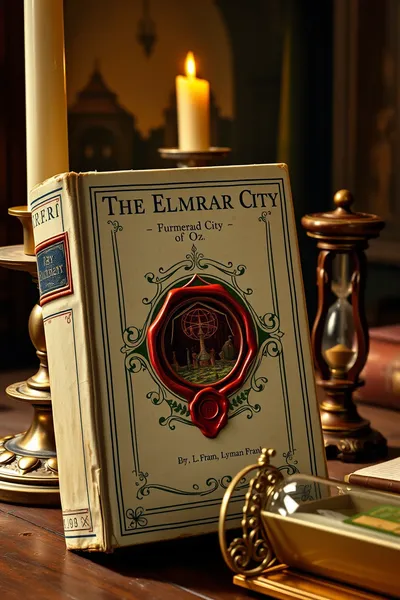
The Emerald City of Oz

The Emerald City of Oz

by Baum, L. Frank (Lyman Frank)

In "The Emerald City of Oz," published in 1910, Baum, L. Frank (Lyman Frank) depicts Dorothy's permanent move to the magical land. This story symbolizes finding a spiritual home and making an ultimate transition, reflecting a longing for a place of belonging and ultimate peace beyond the ordinary world.

The Lost Princess of Oz

The Lost Princess of Oz

by Baum, L. Frank (Lyman Frank)

In "The Lost Princess of Oz," Baum, L. Frank (Lyman Frank) presents a quest to find the missing ruler, Ozma. This 1917 adventure symbolizes the search for a higher self and the overcoming of spiritual challenges, as characters embark on a journey to restore balance and uncover hidden truths.

The Road to Oz

The Road to Oz

by Baum, L. Frank (Lyman Frank)

In "The Road to Oz," Baum, L. Frank (Lyman Frank) sends Dorothy on her fourth journey to the magical land, introducing new companions like the Shaggy Man. This 1909 tale of quest and discovery symbolizes the search for truth and the encounter with new, often bewildering, realities beyond the familiar.

Ozma of Oz

Ozma of Oz

by Baum, L. Frank (Lyman Frank)

In "Ozma of Oz," the third book in the Oz series by Baum, L. Frank (Lyman Frank), Dorothy finds herself shipwrecked and embarking on another fantastical journey to the Land of Oz. This 1907 adventure introduces memorable characters like Tik-Tok, the copper man, symbolizing a transition to an extraordinary, non-ordinary reality.

The Scarecrow of Oz

The Scarecrow of Oz

by Baum, L. Frank (Lyman Frank)

Published in 1915, "The Scarecrow of Oz" by Baum, L. Frank (Lyman Frank) follows Cap'n Bill and Trot on their journey to the Land of Oz. This imaginative narrative explores themes of transformation and finding one's true self, as characters navigate a fantastical world that challenges their perceptions of reality.

Witch-Doctors

Witch-Doctors

by Beadle, Charles

Charles Beadle's "Witch-Doctors" provides an account of African traditional healers and their spiritual practices. This work explores indigenous spiritual beliefs, healing rituals, and altered states of consciousness, offering a window into how different cultures interpret and interact with the spiritual dimensions of existence and well-being.

The Camp of the Dog

The Camp of the Dog

by Blackwood, Algernon

Algernon Blackwood's supernatural horror novella "The Camp of the Dog" features themes of ancient evil and profound psychological terror. Published in 1917, the story explores encounters with non-physical entities and the deep, unsettling shifts they can induce in human consciousness, echoing the disorienting aspects of profound spiritual encounters.

A Textbook of Theosophy

A Textbook of Theosophy

by C. W. (Charles Webster) Leadbeater

C. W. (Charles Webster) Leadbeater's "A Textbook of Theosophy" provides a clear explanation of core Theosophical concepts. Published in 1912, it covers topics such as the planes of existence, karma, and the journey of the soul, offering a detailed framework for understanding astral planes and post-mortem states of consciousness.

The Slayer of Souls

The Slayer of Souls

by Chambers, Robert W. (Robert William)

Robert W. Chambers' "The Slayer of Souls" is an occult thriller published in 1920, featuring a secret society and elements of spiritual danger. The novel explores the fragility of life and the battle against hidden, malevolent forces, touching upon themes of spiritual vulnerability and the struggle for survival against unseen threats.

Palmistry for All

Palmistry for All

by Cheiro

Cheiro, the famous Irish astrologer and palmist, presents "Palmistry for All," a popular guide to interpreting the lines and mounts of the hand. Published in 1916, this book explores the belief that one's destiny and character are etched into their palms, reflecting a fascination with hidden knowledge and life's predetermined paths.

The Lake

The Lake

by George Moore

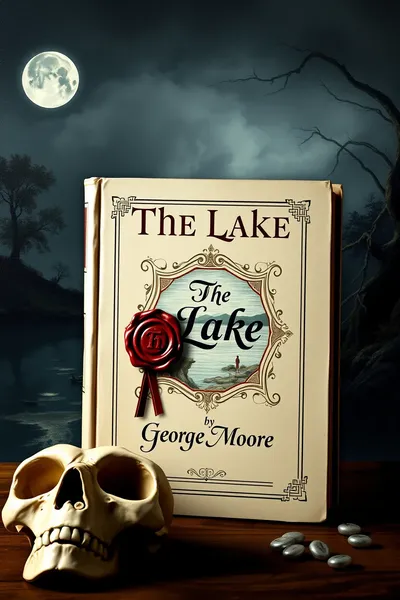
Published in 1905, George Moore's novel "The Lake" tells the story of Father Oliver Gogarty, a priest undergoing a profound crisis of faith. The narrative explores themes of spiritual doubt, personal freedom, and the search for authentic meaning, reflecting the deep introspection often triggered by life's most challenging moments.

The book of witches

The book of witches

by Hueffer, Oliver Madox

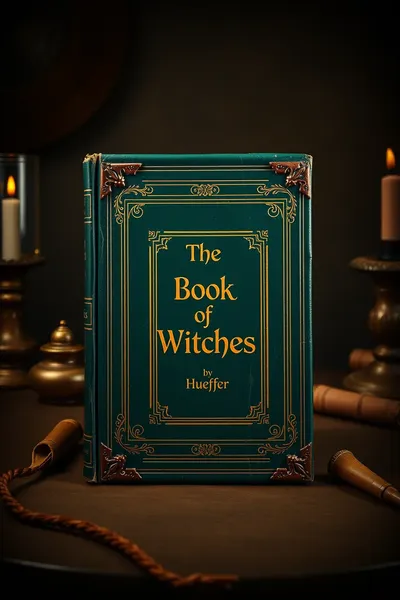
Oliver Madox Hueffer's "The book of witches" offers a historical and cultural survey of witchcraft, exploring beliefs, practices, and the infamous witch trials. Published in 1908, this work delves into historical perceptions of spiritual power, fear, and the unknown, providing context for humanity's enduring fascination with the mystical.

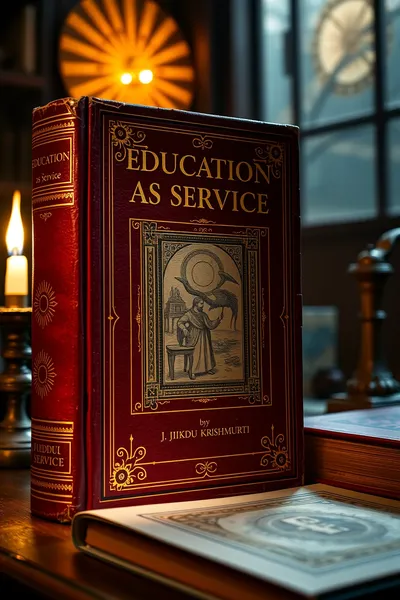
Education as Service

Education as Service

by J. (Jiddu) Krishnamurti

In "Education as Service," J. (Jiddu) Krishnamurti, the renowned philosopher and spiritual teacher, explores the true purpose of education. Published in 1912, this philosophical work advocates for personal growth, self-discovery, and an awakening to deeper truths, aligning with the transformative insights often experienced during profound life events.

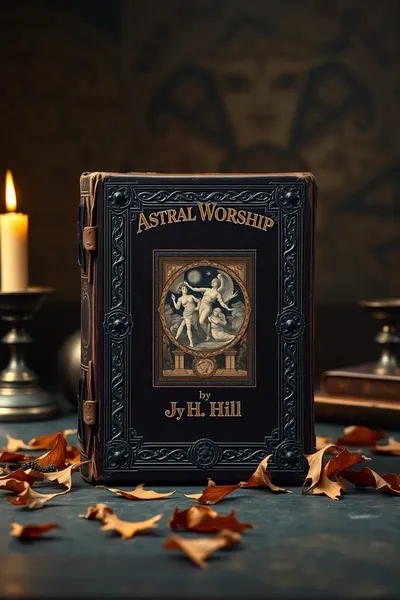
Astral Worship

Astral Worship

by J. H. Hill

J. H. Hill's "Astral Worship" explores ancient astronomical and astrological beliefs, connecting them to religious myths and spiritual practices. The book discusses the worship of celestial bodies and their perceived influence on human destiny, providing a historical context for understanding cosmic consciousness and the 'astral' realm.

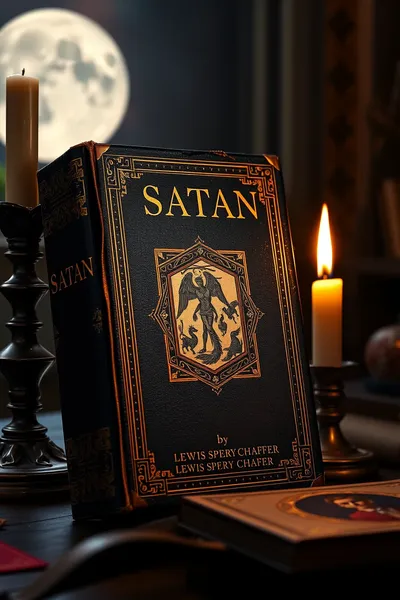
Satan

Satan

by Lewis Sperry Chafer

In "Satan," Lewis Sperry Chafer, a prominent dispensationalist theologian, explores the nature and influence of evil from a Christian perspective. This work delves into spiritual warfare and the ultimate destiny of the soul, offering a theological framework for understanding profound existential struggles that can be central to life-altering experiences.

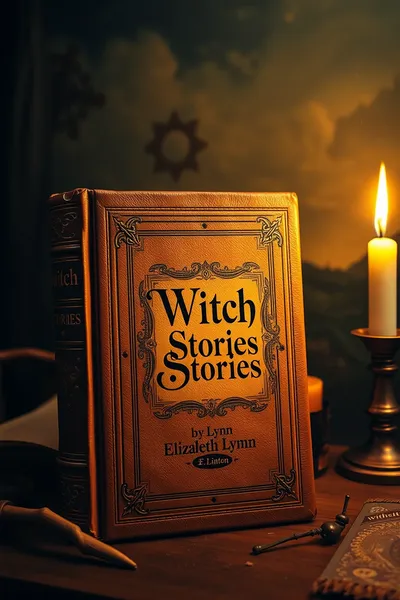
Witch Stories

Witch Stories

by Linton, E. Lynn (Elizabeth Lynn)

Published in 1861, "Witch Stories" by Linton, E. Lynn (Elizabeth Lynn) compiles tales and historical accounts of witchcraft across different cultures. The collection explores folklore, societal fears of the unknown, and the perceived spiritual powers of individuals, touching upon the darker, mysterious aspects of human belief.

Modern Magic

Modern Magic

by Schele de Vere, M. (Maximilian)

M. Schele de Vere's "Modern Magic" delves into various forms of magic, occult practices, and their historical figures, such as Cagliostro. Published in 1873, this work explores the nature of reality, unseen forces, and spiritual phenomena, offering insights into historical understandings of the mystical and the extraordinary.

Modern Spiritualism

Modern Spiritualism

by Smith, Uriah

Published in 1883, Uriah Smith's "Modern Spiritualism" offers a critical examination of Spiritualism from an Adventist perspective. The book engages in debates about the afterlife, communication with spirits, and the discernment of spiritual truth, providing a theological counter-argument to the popular spiritualist movement of the era.

The Upanishads

The Upanishads

by Swami [Translator] Paramananda

Swami [Translator] Paramananda's translation of "The Upanishads" presents core texts of Hindu philosophy, exploring the nature of the self (Atman) and ultimate reality (Brahman). Published in the early 20th century, these foundational scriptures offer profound insights into the cycle of rebirth and the soul's journey, informing Eastern perspectives on death and consciousness.

The Imitation of Christ

The Imitation of Christ

by Thomas, à Kempis

Attributed to Thomas à Kempis in the 15th century, "The Imitation of Christ" is a classic devotional work focusing on spiritual preparation for death and detachment from worldly concerns. This timeless text guides readers toward inner transformation and a deeper connection with the divine, offering solace and wisdom for life's ultimate transition.

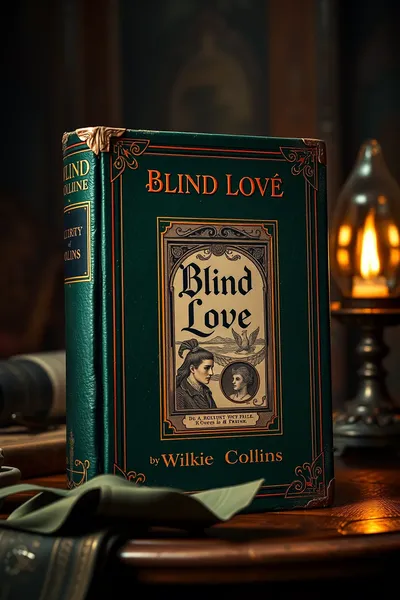
Blind Love

Blind Love

by Wilkie Collins

Completed posthumously by Walter Besant and published in 1890, "Blind Love" by Wilkie Collins is a tale of intrigue and consequence. This novel explores themes of fate, hidden truths, and dramatic turning points, mirroring the unexpected revelations and life-altering decisions that can arise from profound, near-fatal circumstances.

Esoteric Library
Browse Esoteric Library
📚 All 52,000+ Books 🜍 Alchemy & Hermeticism 🔮 Magic & Ritual 🌙 Witchcraft & Paganism Astrology & Cosmology 🃏 Divination & Tarot 📜 Occult Philosophy ✡️ Kabbalah & Jewish Mysticism 🕉️ Mysticism & Contemplation 🕊️ Theosophy & Anthroposophy 🏛️ Freemasonry & Secret Societies 👻 Spiritualism & Afterlife 📖 Sacred Texts & Gnosticism 👁️ Supernatural & Occult Fiction 🧘 Spiritual Development 📚 Esoteric History & Biography
Esoteric Library
📑 Collections 📤 Upload Your Book
Account
🔑 Sign In Create Account
Info
About Esoteric Library