52,000+ Esoteric Books Free + Modern Compare Prices
Home Collections Gnosticism
☀️

Gnosticism Books: Essential Reading List

Gnostic texts reveal early Christian and pre-Christian spiritual movements focused on gnosis, or direct spiritual knowledge. Foundational works like Pistis Sophia and The Gospel of Mary (as presented in William Wake's translation) offer insights into their cosmology and soteriology. This guide provides a structured reading path for those seeking to understand Gnosticism, from introductory overviews to primary source analysis.

Top Gnosticism Books

25 Gnosticism books
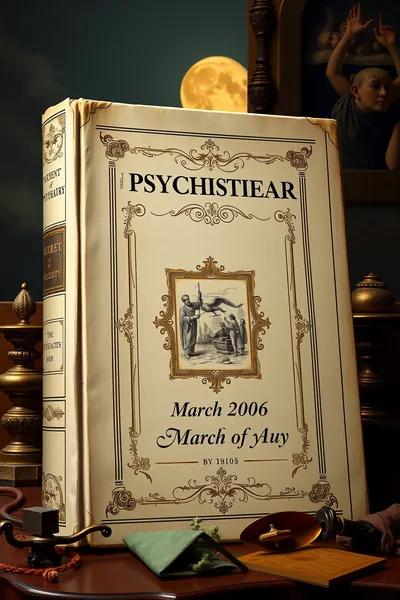
Current Psychiatry March 2006
📖
Current Psychiatry March 2006
Ain Shams University, Institute of
4.5
78
TRENDING
Current Psychiatry July 2006
📖
Current Psychiatry July 2006
Ain Shams University, Institute of
4.4
73
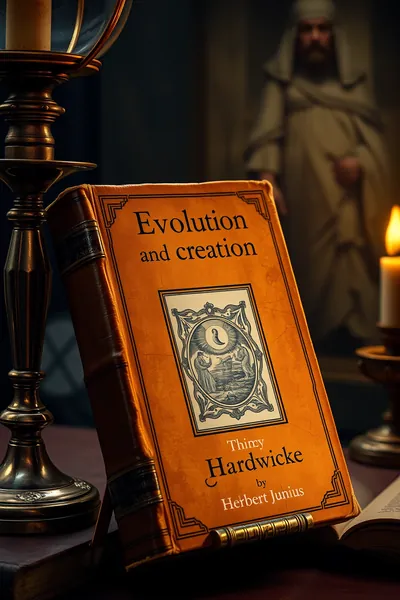
Evolution and creation
📖
Evolution and creation
Hardwicke, Herbert Junius
4.2
69
SCHOLAR'S PICK
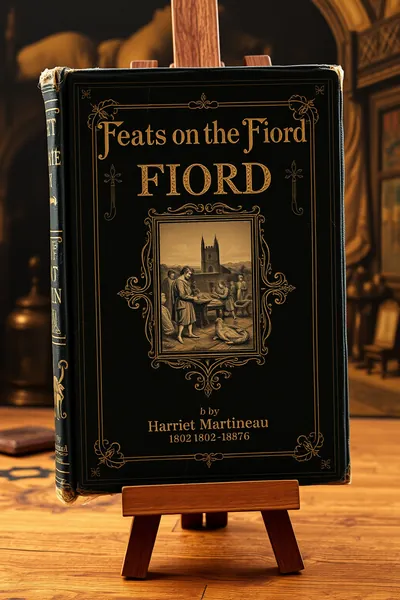
Feats on the Fiord
📖
Feats on the Fiord
Harriet Martineau (1802-1876)
4.6
81
MUST READ
Anarchy Comics (complete)
📖
Anarchy Comics (complete)
Jay Kinney, Gerhard Seyfried, Spain
4.5
78
HIDDEN GEM
The Gnostic Crucifixion
📖
The Gnostic Crucifixion
Mead, G. R. S. (George Robert Stow)
4.2
69
The Mystics of Islam
📖
The Mystics of Islam
Nicholson, Reynold Alleyne
4.3
69
HIDDEN GEM
Bible Gnostique (Second Tome)
📖
Bible Gnostique (Second Tome)
Philippe L. De Coster, B.Th., D.D.,
4.4
75
I don't know, do you?
📖
I don't know, do you?
Ricker, Marilla M. (Marilla Marks)
4.2
68
"Apocrypha"
📖
"Apocrypha"
The Most High & Christ
4.7
84
The Apocryphal New Testament
📖
The Apocryphal New Testament
William Hone , Jeremiah Jones , Wil
4.5
76
MUST READ
The Apocrypha 1766
📖
The Apocrypha 1766
[Bible. Apocrypha. English. Authori
4.7
84

What is Gnosticism?

Gnosticism refers to a diverse set of religious and philosophical movements prominent in the early centuries CE. Central to Gnosticism is the concept of gnosis, a special, intuitive knowledge of the divine that allows for liberation from the material world. Gnostic systems often posit a transcendent, unknowable God, a flawed creator deity (the Demiurge), and divine sparks trapped within humanity, awaiting awakening and return to the spiritual realm.

Best Books for Complete Beginners

Beginners can gain foundational understanding through accessible texts and scholarly introductions. Annie Besant's 'Esoteric Christianity, or The Lesser Mysteries' provides a sympathetic overview of esoteric traditions, including Gnostic elements. 'The Lost and Hostile Gospels' by S. Baring-Gould offers a historical survey of early Christian texts that diverged from the canonical, many of which have Gnostic connections. 'The Aquarian Gospel of Jesus the Christ' by Levi presents a Gnostic-influenced narrative of Christ's life.

Intermediate Reading

Moving beyond introductions, delve into primary Gnostic texts. 'Pistis Sophia' is a crucial Coptic text detailing dialogues between Jesus and his disciples after the resurrection, rich in Gnostic mythology. G.R.S. Mead's 'The Gnostic Crucifixion' offers an interpretation of Gnostic perspectives on Christ's passion. 'The Gnôsis of the Light' by F. Lamplugh explores Gnostic themes of divine illumination and spiritual ascent.

Classical / Advanced Texts

For advanced study, engage directly with primary sources and critical analyses. Hippolytus' 'Philosophumena; or, The refutation of all heresies, Volume I' provides an early, though hostile, account of Gnostic and other sectarian groups. Translations of the Apocrypha, such as 'Deuterocanonical Books of the Bible Apocrypha' by Anonymous, contain texts that influenced or were contemporaneous with Gnostic thought. The 'Book of Enoch' and its variants offer pre-Christian cosmological and apocalyptic visions relevant to Gnostic cosmology.

Reading Order — Step by Step

Begin with 'Esoteric Christianity, or The Lesser Mysteries' by Annie Besant for a broad context. Follow with 'The Lost and Hostile Gospels' by S. Baring-Gould to understand the historical landscape of early variant gospels. Next, engage with 'Pistis Sophia' for a core Gnostic text. Supplement this with G.R.S. Mead's 'The Gnostic Crucifixion' for interpretive context. For deeper historical understanding, consult Hippolytus' 'Philosophumena'. Conclude with the 'Book of Enoch' and other Apocryphal texts to explore related cosmologies.

Frequently Asked Questions

Which Gnosticism book should I read first?

Start with Annie Besant's 'Esoteric Christianity, or The Lesser Mysteries' for a foundational overview. It introduces key concepts in a broadly accessible manner before diving into specific Gnostic texts.

Are Gnostic texts considered part of the Bible?

No, Gnostic texts are generally considered apocryphal or heretical by mainstream Christian traditions and are not included in the canonical Bible.

What is the main difference between Gnosticism and mainstream Christianity?

Gnosticism emphasizes salvation through secret knowledge (gnosis), often viewing the material world as flawed or evil, while mainstream Christianity typically focuses on faith, grace, and the goodness of creation through Christ's sacrifice.

Where can I find the Pistis Sophia?

'Pistis Sophia' is available in various translations. Look for editions that provide scholarly introductions and notes to aid understanding of its complex cosmology and dialogues.

Is Gnosticism a single religion?

Gnosticism was not a single unified religion but a diverse collection of movements and philosophical systems that shared common themes, such as the importance of gnosis and a dualistic worldview.

What is the significance of the Book of Enoch?

The Book of Enoch is an ancient Jewish apocalyptic text that influenced early Jewish and Christian thought, including some Gnostic traditions, particularly concerning angelic hierarchies and cosmic secrets.

Why Each Book Matters

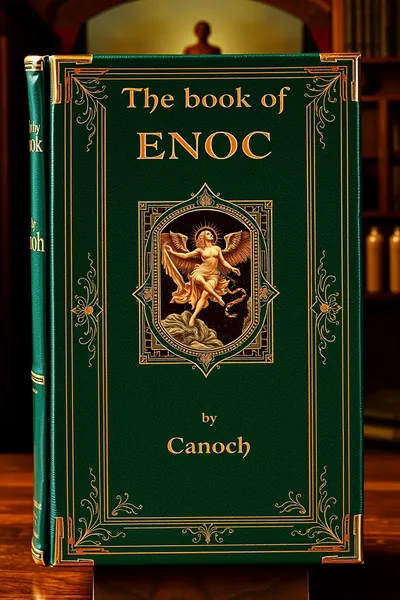
The book of Enoch

The book of Enoch

"The book of Enoch" by Unknown is an ancient Jewish religious work, attributed to the patriarch Enoch, that significantly influenced early Jewish and Christian thought, including aspects of Gnosticism. It details Enoch's visions of heaven and hell, the origins of demons and giants, and prophecies of the Messiah, providing a rich mythological backdrop for understanding the cosmic struggles and divine hierarchy in various esoteric traditions.

Pistis Sophia

Pistis Sophia

"Pistis Sophia" is a foundational Gnostic scripture of unknown authorship, originally written in Coptic and discovered in the 18th century. This extensive text presents a dialogue between the resurrected Jesus and his disciples, revealing complex cosmological teachings, the fate of souls, and the mysteries of the Pleroma, making it an indispensable resource for understanding Gnostic salvation theology and the journey of the soul.

Chaos Gnostic 2017

Chaos Gnostic 2017

"Chaos Gnostic 2017" by Unknown is likely a contemporary text exploring modern interpretations or applications of Gnostic principles, possibly within the context of Chaos Magic or other modern esoteric currents. Its title suggests a dynamic engagement with Gnosticism, focusing on themes of creation from primordial chaos and the individual's role in shaping reality through intentional knowledge and will.

Miscellanea - Gnosticism

Miscellanea - Gnosticism

"Miscellanea - Gnosticism" by Unknown is likely a collection of various essays, fragments, or short studies related to Gnosticism, offering diverse perspectives and specialized topics. This compilation could include historical analyses, textual interpretations, or philosophical discussions on specific Gnostic figures or concepts, providing a rich, multi-faceted exploration for those seeking to broaden their understanding beyond core texts.

Sacred Texts of the World

Sacred Texts of the World

"Sacred Texts of the World" by Unknown is a comprehensive anthology that compiles significant religious and spiritual writings from various cultures and traditions globally. This collection offers a broad overview of humanity's diverse quests for meaning and connection to the divine, providing valuable context for understanding how Gnostic texts fit into the wider tapestry of world spirituality and esoteric thought, highlighting universal themes.

The Red King

The Red King

"The Red King" by Unknown is a mysterious text whose title often evokes alchemical or esoteric symbolism, hinting at profound transformations and hidden knowledge. While its direct connection to Gnosticism may be allegorical, it invites readers to explore themes of spiritual evolution, the interplay of opposing forces, and the quest for ultimate truth, echoing the Gnostic search for inner illumination and the divine spark within.

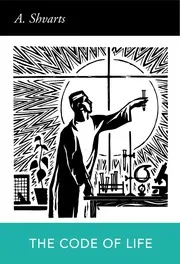
The Code Of Life

The Code Of Life

by A. Shvarts

"The Code Of Life" by A. Shvarts likely explores philosophical or spiritual principles governing existence, possibly touching upon esoteric laws or the hidden mechanics of reality. Its title suggests a quest for fundamental truths, which aligns with the Gnostic pursuit of 'gnosis'—a deeper, intuitive understanding of the cosmos and humanity's place within it, beyond superficial appearances.

Current Psychiatry March 2006

Current Psychiatry March 2006

by Ain Shams University, Institute of psychiatry

"Current Psychiatry March 2006" by Ain Shams University, Institute of psychiatry is an academic publication presenting research and insights from the field of psychiatry. This issue, like others, contributes to the scientific understanding of mental health. While not a Gnostic text, the study of human consciousness and the mind's complexities in psychiatry can offer interesting modern parallels or contrasts to ancient Gnostic philosophical inquiries into the nature of the soul and human perception.

Current Psychiatry July 2006

Current Psychiatry July 2006

by Ain Shams University, Institute of psychiatry

"Current Psychiatry July 2006" by Ain Shams University, Institute of psychiatry is an academic journal focusing on contemporary research and clinical practice in psychiatry. While not directly related to Gnosticism, studies in psychiatry can sometimes touch upon the psychological aspects of religious experience, altered states of consciousness, or the historical understanding of spiritual phenomena that might intersect with ancient Gnostic perspectives on the mind and spirit.

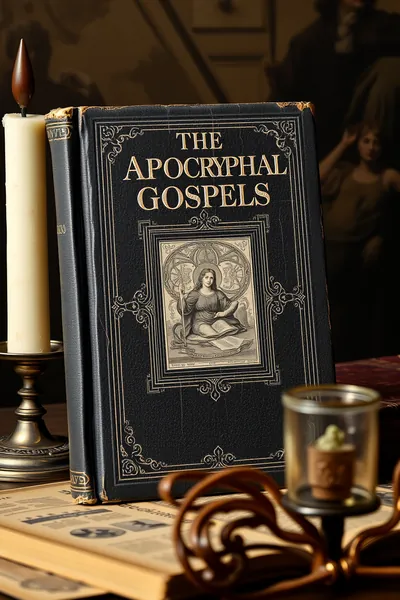
The Apocryphal Gospels

The Apocryphal Gospels

by B Harris Cowper

"The Apocryphal Gospels" compiled by B Harris Cowper is a critical collection of non-canonical gospels from the early Christian era. This work includes texts like the Gospel of Thomas and the Gospel of Peter, which offer alternative perspectives on Jesus's life and teachings, some containing distinct Gnostic leanings. Cowper's scholarly presentation makes this an essential resource for exploring the diverse theological landscape of early Christianity.

Evolution and creation

Evolution and creation

by Hardwicke, Herbert Junius

"Evolution and creation" by Hardwicke, Herbert Junius likely examines the scientific theories of evolution alongside religious creation narratives, seeking to reconcile or contrast them. While not directly Gnostic, this topic touches upon fundamental questions of origins and the nature of the cosmos, which are central to Gnostic cosmology's unique account of creation by a lesser deity, offering a comparative framework for understanding different worldviews.

Feats on the Fiord

Feats on the Fiord

by Harriet Martineau (1802-1876)

"Feats on the Fiord" by Harriet Martineau (1802-1876) is a captivating novel set in Norway, known for its vivid descriptions and moral lessons, often exploring social and economic issues. While not directly a Gnostic text, Martineau's work, as a prominent Victorian author, reflects the intellectual currents of her time, which included debates on philosophy, religion, and human nature, providing a historical literary context.

Anarchy Comics (complete)

Anarchy Comics (complete)

by Jay Kinney, Gerhard Seyfried, Spain Rodriguez, Melinda Gebbie, Gilbert Shelton, Epistolier, Volny, Berangere Lomont, J. R. Burnham, Cliff Harper, Paul Mavrides, Peter Pontiak, Guy Colwell, M. Trublin, Adam Cornford, Rooum, Albo Helm, Pierre Joseph Prouden, Steve Lafler, Gerhard Seyfried, Gary Panter, Benjamen Perel, Sharon Kahn Rudahl, Greg Irons, Dave Lester, Marion Lydbrook, Matt Feazell, Pete Moreno, Norman Dog, S. Zorca, R. Diggs, Hal S. Robbins, Byron Werner

"Anarchy Comics (complete)" by Jay Kinney, Gerhard Seyfried, Spain Rodriguez, Melinda Gebbie, Gilbert Shelton, is a collection of underground comics known for their counter-cultural themes and satirical commentary on society and power structures. While seemingly distant from ancient Gnosticism, these comics, in their critique of established systems and pursuit of radical freedom, echo the Gnostic rejection of worldly authorities and the search for authentic individual liberation.

The Gnôsis of the Light

The Gnôsis of the Light

by Lamplugh, F.

"The Gnôsis of the Light" by Lamplugh, F. is a text dedicated to exploring the concept of 'gnosis' as a direct, intuitive knowledge of the divine, particularly in relation to the symbolism of light. This work likely delves into the process of spiritual illumination and awakening, echoing central Gnostic themes of the divine spark within humanity seeking to return to the ultimate source of light, beyond the material darkness.

The Gnostic Crucifixion

The Gnostic Crucifixion

by Mead, G. R. S. (George Robert Stow)

"The Gnostic Crucifixion" by Mead, G. R. S. (George Robert Stow) is a scholarly work that meticulously examines the diverse Gnostic interpretations of the crucifixion of Jesus Christ. Mead, a prominent Theosophist and Gnostic scholar, analyzes how Gnostic sects understood this pivotal event not merely as a physical death but as a profound spiritual drama, often involving a phantom body or a cosmic redemption, offering deep insights into Gnostic Christology.

The Mystics of Islam

The Mystics of Islam

by Nicholson, Reynold Alleyne

"The Mystics of Islam" by Nicholson, Reynold Alleyne is a foundational study of Sufism, the mystical branch of Islam. Nicholson, a renowned scholar, meticulously explores the history, doctrines, and practices of Sufi saints and poets, revealing their pursuit of divine knowledge and union. While distinct from Gnosticism, this work offers valuable comparative insights into esoteric paths and the universal human quest for direct spiritual experience.

Bible Gnostique (Second Tome)

Bible Gnostique (Second Tome)

by Philippe L. De Coster, B.Th., D.D., Researcher and compiler

"Bible Gnostique (Second Tome)" by Philippe L. De Coster, B.Th., D.D., Researcher and compiler, suggests a deeper, perhaps more theological or scholarly exploration of Gnostic biblical interpretations. As a 'Second Tome,' it likely builds upon previous research, delving into specific Gnostic readings of biblical narratives, offering advanced insights into how Gnostic thinkers re-interpreted canonical scriptures to align with their unique theological frameworks.

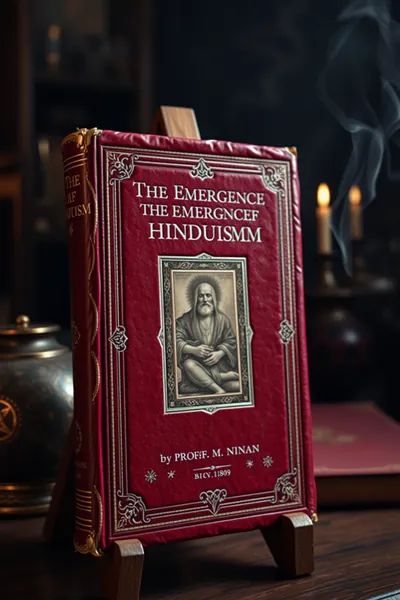
The Emergence of Hinduism

The Emergence of Hinduism

by Prof. M. M. Ninan

"The Emergence of Hinduism" by Prof. M. M. Ninan provides a detailed account of the origins and early formation of Hinduism, exploring its Vedic roots, philosophical schools, and the development of its pantheon. This academic work is crucial for understanding the historical context of Indian spirituality. While not directly Gnostic, it allows for comparative study of ancient religious developments and the evolution of complex theological systems.

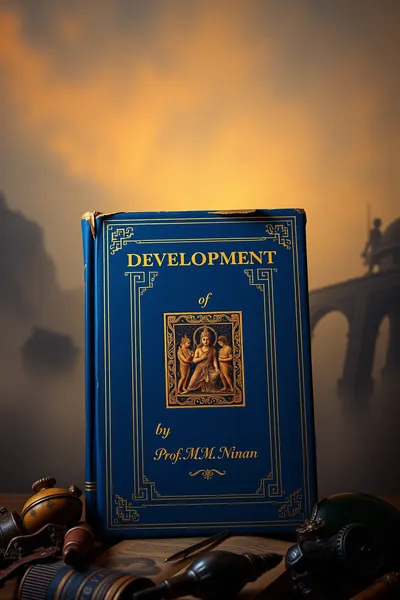
Development of Hinduism

Development of Hinduism

by Prof.M.M.Ninan

"Development of Hinduism" by Prof.M.M.Ninan traces the historical and philosophical evolution of Hinduism, one of the world's oldest and most complex religious traditions. While Hinduism is distinct from Gnosticism, both traditions share themes of karma, reincarnation, and the pursuit of liberating knowledge (moksha/jnana). This book offers valuable comparative insights into diverse paths to spiritual understanding and liberation, enriching the study of esoteric thought.

I don't know, do you?

I don't know, do you?

by Ricker, Marilla M. (Marilla Marks)

"I don't know, do you?" by Ricker, Marilla M. (Marilla Marks) is a philosophical or introspective work that likely probes fundamental questions about existence, knowledge, and belief. Marilla Ricker, known for her progressive views, often challenged conventional wisdom. This text could encourage readers to question established doctrines and seek personal truth, aligning with the Gnostic spirit of individual inquiry beyond dogma.

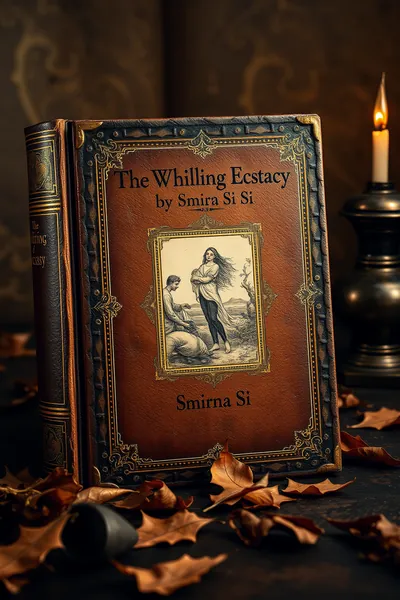
The Whirling Ecstacy

The Whirling Ecstacy

by Smirna Si

"The Whirling Ecstacy" by Smirna Si likely explores themes of mystical experience, altered states of consciousness, and spiritual rapture, often associated with practices like Sufi whirling or other ecstatic traditions. Such experiences, aiming for direct communion with the divine, resonate with the Gnostic emphasis on personal 'gnosis' and transcending ordinary perception to achieve spiritual liberation and understanding.

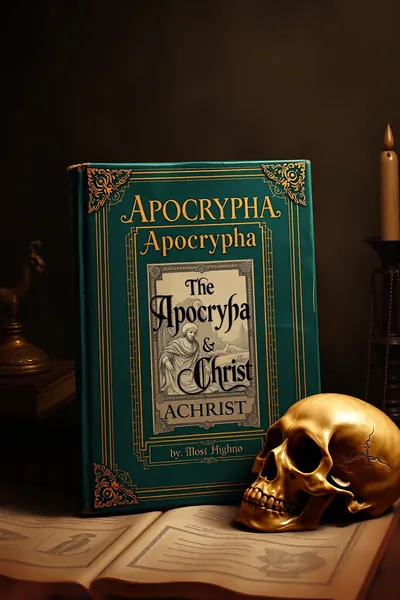
"Apocrypha"

"Apocrypha"

by The Most High & Christ

Authored by The Most High & Christ, this edition of "Apocrypha" presents a collection of ancient texts often excluded from canonical scriptures but holding significant spiritual and historical value. Within these pages, readers can explore narratives and wisdom literature that provide crucial context for understanding early Christian and Gnostic thought, including tales of heroism, prophecy, and divine intervention that shaped ancient religious landscapes.

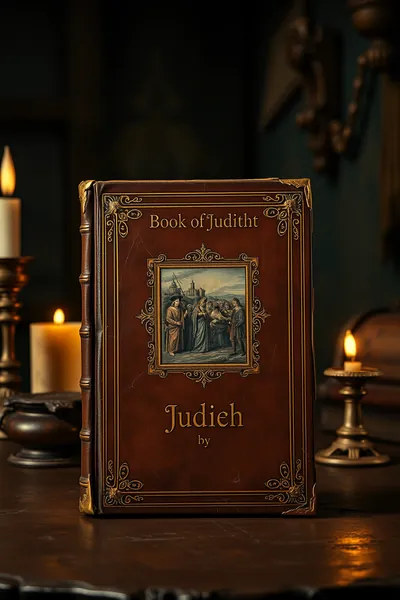
Book of Judith

Book of Judith

by Unknown

"Book of Judith" by Unknown is a deuterocanonical book, part of the Apocrypha, recounting the story of a courageous Jewish widow who saves her people from an invading army. While not directly Gnostic, its narrative of divine intervention and the triumph of faith over adversity places it within the broader context of ancient religious literature that influenced early Christian and Jewish mystical traditions, offering insights into heroic piety.

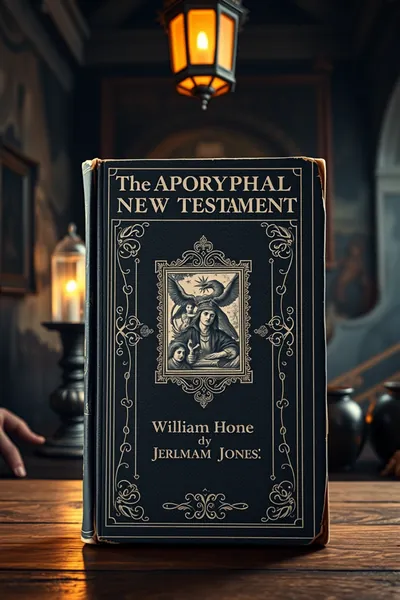
The Apocryphal New Testament

The Apocryphal New Testament

by William Hone , Jeremiah Jones , William Wake

"The Apocryphal New Testament" by William Hone, Jeremiah Jones, William Wake, is a significant compilation of non-canonical texts that were widely circulated in early Christian communities. This collection includes various gospels, acts, epistles, and apocalypses not found in the official New Testament canon, many of which contain elements or themes closely related to Gnosticism, offering crucial insights into the diverse beliefs of the early Christian era.

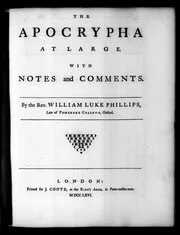
The Apocrypha 1766

The Apocrypha 1766

by [Bible. Apocrypha. English. Authorised].

"The Apocrypha 1766" by [Bible. Apocrypha. English. Authorised]. represents a significant historical edition of texts deemed non-canonical by many Protestant churches but retained by others. This collection includes books like Tobit, Judith, and Maccabees, offering diverse narratives, wisdom literature, and historical accounts that were widely read and influenced religious thought, including some early Gnostic communities, providing a broader scriptural context.

Esoteric Library
Browse Esoteric Library
📚 All 52,000+ Books 🜍 Alchemy & Hermeticism 🔮 Magic & Ritual 🌙 Witchcraft & Paganism Astrology & Cosmology 🃏 Divination & Tarot 📜 Occult Philosophy ✡️ Kabbalah & Jewish Mysticism 🕉️ Mysticism & Contemplation 🕊️ Theosophy & Anthroposophy 🏛️ Freemasonry & Secret Societies 👻 Spiritualism & Afterlife 📖 Sacred Texts & Gnosticism 👁️ Supernatural & Occult Fiction 🧘 Spiritual Development 📚 Esoteric History & Biography
Esoteric Library
📑 Collections 📤 Upload Your Book
Account
🔑 Sign In Create Account
Info
About Esoteric Library