What is Yoga?
Yoga, originating in ancient India, is a many-sided discipline encompassing physical postures (asanas), breathing techniques (pranayama), meditation, and ethical principles. Its ultimate aim is often described as the union of the individual consciousness with the universal consciousness. While often associated with physical exercise in the West, traditional yoga encompasses a broad spectrum of philosophical and spiritual practices aimed at self-realization and liberation.
Best Books for Complete Beginners
For those new to yoga, understanding the foundational philosophy is key. 'Fourteen Lessons in Yogi Philosophy and Oriental Occultism' by Ramacharaka (1904) provides a structured introduction to yogic principles and practices in an accessible format. William Walker Atkinson's 'Correspondence Class Course in Yogi Philosophy and Oriental Occultism' (1903) offers a similar foundational approach through a series of lessons. 'Mystic Christianity; Or, The Inner Teachings of the Master' by William Walker Atkinson explores spiritual teachings that intersect with yogic concepts. 'Advanced Course In Yogi Philosophy And Oriental Occultism' can serve as a next step for those who grasp the basics.
Intermediate Reading
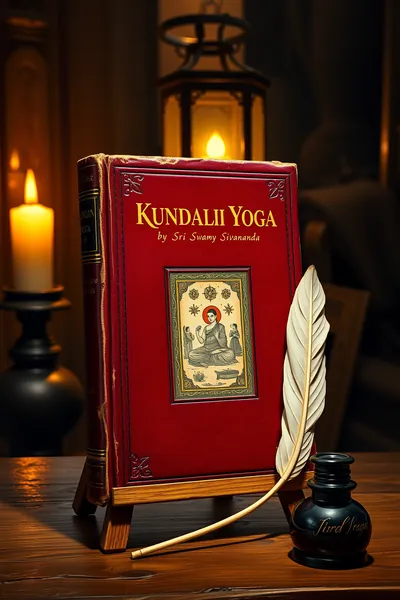
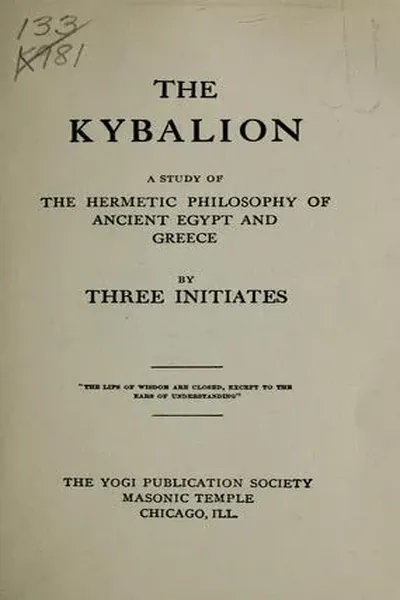
Students ready for deeper exploration can turn to texts that focus on specific yogic energies and philosophies. Sri Swamy Sivananda's 'Kundalini Yoga' (1980) is a direct guide to understanding and working with the Kundalini force. Jana Dixon's 'Biology Of Kundalini' offers a modern perspective on this energetic system. 'The Kybalion' by Three Initiates (1908) introduces Hermetic principles, which share common ground with yogic philosophy regarding universal laws. 'Philosophy of Liberation, A Manual of Sant Mat Mysticism' by Maharshi Mehi (1998) provides insights into a specific lineage of spiritual practice.
Classical / Advanced Texts
For serious students, primary sources and texts on esoteric traditions offer profound depth. 'The Crest-Wave of Evolution' by Kenneth Morris (1918-19) presents lectures on history within a yogic framework. 'Taoist Yoga: Alchemy & Immortality' by Charles Luk explores parallel practices from a different Eastern tradition. 'Yogāvacaras Manual Of Indian Mysticism As Practiced By Buddhists' (TWRD 1896) offers a glimpse into Buddhist adaptations of yogic mysticism. 'The Sacred Books of the East' (13 of 14) contains translations of foundational Eastern scriptures.
Reading Order — Step by Step
Begin with foundational texts. Weeks 1-4: Focus on Ramacharaka's 'Fourteen Lessons in Yogi Philosophy and Oriental Occultism' and Atkinson's 'Correspondence Class Course'. Month 2: Transition to Sri Swamy Sivananda's 'Kundalini Yoga' to understand energetic practices, supplemented by 'The Kybalion' for philosophical context. Month 3+: Explore advanced topics with 'Taoist Yoga' by Charles Luk, 'Biology Of Kundalini' by Jana Dixon, or explore historical perspectives with 'The Crest-Wave of Evolution'.
Frequently Asked Questions
Which yoga book should I read first?
For a comprehensive introduction, start with 'Fourteen Lessons in Yogi Philosophy and Oriental Occultism' by Ramacharaka. It systematically covers foundational concepts in an accessible manner for beginners.
What's the difference between yogic philosophy and physical yoga?
Yogic philosophy encompasses the ethical, mental, and spiritual dimensions of yoga, including meditation and self-inquiry. Physical yoga (asanas) is one component, often used to prepare the body and mind for deeper philosophical and meditative practices.
Are Kundalini Yoga books suitable for beginners?
Books specifically on Kundalini Yoga, like Sri Swamy Sivananda's, are best approached after understanding basic yogic principles. Kundalini is a potent energy, and its exploration requires a grounded understanding of yogic foundations.
How do texts like 'The Kybalion' relate to yoga?
'The Kybalion' outlines Hermetic principles such as mentalism and correspondence, which are universal laws also explored within various yogic traditions. They offer a complementary philosophical framework.
What is the significance of 'The Sacred Books of the East' for yoga?
These volumes contain translations of foundational scriptures from Indian traditions, including texts that form the philosophical bedrock for many yogic schools and practices.
Can I learn yoga solely from books?
Books provide essential theoretical knowledge and guidance. However, for the physical and meditative aspects, direct instruction from a qualified teacher is highly recommended to ensure proper technique and safety.
What is the goal of advanced yogic texts?
Advanced texts often explore subtler aspects of consciousness, esoteric energies like Kundalini, or explore parallel spiritual systems like Taoist alchemy, aiming for profound spiritual realization or transformation.