52,000+ Esoteric Books Free + Modern Compare Prices
Home Collections Lemuria
📖

Lemuria Books: Ancient Civilizations & Esoteric Studies

Texts exploring the concept of Lemuria range from early 20th-century speculative fiction to esoteric treatises. Early explorations, such as F. Marion Crawford's 'The Witch of Prague' (1891) and H. Rider Haggard's 'Stella Fregelius' (1901), often touched upon themes that would later be associated with lost continents. These works, alongside later spiritualist writings, form a foundational reading list for understanding the idea of Lemuria. This guide outlines key readings to trace the development of this concept.

Top Lemuria Books

25 Lemuria books
TIMELESS
Tik-Tok of Oz
📖
Tik-Tok of Oz
Baum, L. Frank (Lyman Frank)
4.3
69
Witch-Doctors
📖
Witch-Doctors
Beadle, Charles
4.3
69
Four Weird Tales
📖
Four Weird Tales
Blackwood, Algernon
4.3
69
The Black Cross
📖
The Black Cross
Briggs, Olive M. (Olive Mary)
4.2
69
MASTERPIECE
The Spirit Land
📖
The Spirit Land
Emmons, Samuel B. (Samuel Bulfinch)
4.3
69
The Prophet
📖
The Prophet
Gibran, Kahlil
4.4
73
PAGE-TURNER
The shadow kingdom
📖
The shadow kingdom
Howard, Robert E. (Robert Ervin)
4.2
69
All Men are Ghosts
📖
All Men are Ghosts
Jacks, L. P. (Lawrence Pearsall)
4.2
69
TRENDING
The Magician
📖
The Magician
Maugham, W. Somerset (William Somer
4.3
69
Nature Mysticism
📖
Nature Mysticism
Mercer, John Edward
4.3
69

What is Lemuria?

Lemuria is a hypothetical lost continent, first proposed in the 19th century as an explanation for the distribution of lemurs and other species. It was later adopted by occultists and esotericists who envisioned it as an ancient, advanced civilization that predated Atlantis. These narratives often depict Lemurians as possessing advanced spiritual and psychic abilities, with their culture influencing later human societies before their continent sank beneath the ocean.

Best Books for Complete Beginners

For those new to Lemurian concepts, starting with works that introduce speculative fiction and early esoteric thought is beneficial. F. Marion Crawford's 'The Witch of Prague' (1891) offers a narrative that hints at ancient, hidden powers. H. Rider Haggard's 'Stella Fregelius' (1901) explores themes of destiny and spiritual connection, resonating with later Lemurian lore. While not directly about Lemuria, L. Frank Baum's Oz books, such as 'The Road to Oz' (1909) and 'The Patchwork Girl of Oz' (1913), present fantastical worlds and characters that echo archetypal narratives of lost lands and magical societies, providing an accessible entry point to imaginative exploration.

Intermediate Reading

Moving beyond introductory fiction, intermediate readers can delve into works that more explicitly engage with esoteric ideas and lost civilizations. Robert Hichens' 'The Prophet of Berkeley Square' (1901) touches upon spiritualism and hidden knowledge. J. L. Kennon's 'The Planet Mars and Its Inhabitants, a Psychic Revelation' (1901) presents extraterrestrial civilizations, a theme often paralleled in Lemurian narratives. Charles Hose's 'The Pagan Tribes of Borneo' (1912) provides ethnographic detail that some esotericists have interpreted as evidence of ancient, non-Western spiritual traditions. These texts encourage a deeper consideration of the cultural and spiritual underpinnings of lost continent theories.

Classical / Advanced Texts

Advanced study involves engaging with primary esoteric sources and philosophical underpinnings. William Ralph Inge's 'Light, Life, and Love: Selections from the German Mystics of the Middle Ages' (1899) offers insights into historical mystical traditions that inform esoteric thought. The 'Cell of Self-Knowledge' (1521) provides early English mystical treatises. Immanuel Kant's 'Fundamental Principles of the Metaphysic of Morals' (1785) and 'The Metaphysical Elements of Ethics' (1780) offer rigorous philosophical frameworks for understanding ethical and metaphysical concepts, relevant to advanced discussions of ancient wisdom. George William Russell's 'AE in the Irish Theosophist' (various dates) explores theosophical ideas that are foundational to many lost continent theories.

Reading Order — Step by Step

Begin with speculative fiction that introduces imaginative landscapes: Month 1, Week 1-2, read 'The Witch of Prague' by F. Marion Crawford and 'Stella Fregelius' by H. Rider Haggard. Month 1, Week 3-4, explore L. Frank Baum's 'The Road to Oz' and 'The Patchwork Girl of Oz' for their archetypal narratives. In Month 2, transition to more direct esoteric and ethnographic explorations: 'The Prophet of Berkeley Square' by Robert Hichens and 'The Planet Mars and Its Inhabitants' by J. L. Kennon. Month 3, engage with foundational mystical and philosophical texts: 'Light, Life, and Love' by William Ralph Inge and selections from Immanuel Kant. Continue with primary mystical sources like the 'Cell of Self-Knowledge' and writings by George William Russell.

Frequently Asked Questions

Which Lemuria book should I read first?

For a beginner, start with F. Marion Crawford's 'The Witch of Prague' or H. Rider Haggard's 'Stella Fregelius'. These novels introduce speculative themes and esoteric undertones through engaging narratives, providing an accessible entry point to the concept.

Are the Oz books related to Lemuria?

While L. Frank Baum's Oz books are not directly about Lemuria, their fantastical settings, magical elements, and archetypal journeys into hidden lands resonate with the imaginative spirit found in Lemurian lore. They serve as excellent introductory explorations of imaginative geography.

Where can I find primary sources on Lemurian ideas?

Direct primary sources on Lemuria itself are scarce, as the concept largely emerged from 19th-century speculation. However, foundational esoteric texts like William Ralph Inge's 'Light, Life, and Love' and writings from the Theosophical movement offer insights into the intellectual currents that shaped these ideas.

What is the difference between Lemuria and Atlantis?

Both are hypothetical lost continents, but Lemuria is often depicted as an older, more spiritually advanced civilization, originating in the East, while Atlantis is typically portrayed as a more technologically advanced culture that predated its own destruction. Their lore often overlaps in esoteric traditions.

Are there any non-fiction books about Lemuria?

Many books discuss Lemuria, but they are often interpretations or compilations within esoteric or New Age frameworks rather than historical accounts. Texts like J. L. Kennon's 'The Planet Mars and Its Inhabitants' offer psychic revelations that parallel themes found in Lemurian narratives.

How did the idea of Lemuria originate?

The concept of Lemuria was first scientifically proposed by zoologist Philip Sclater in 1864 to explain lemur distribution in Madagascar and India. It was later adopted and expanded upon by occultists like Helena Blavatsky, who integrated it into her Theosophical cosmology as an ancient human root race.

Why Each Book Matters

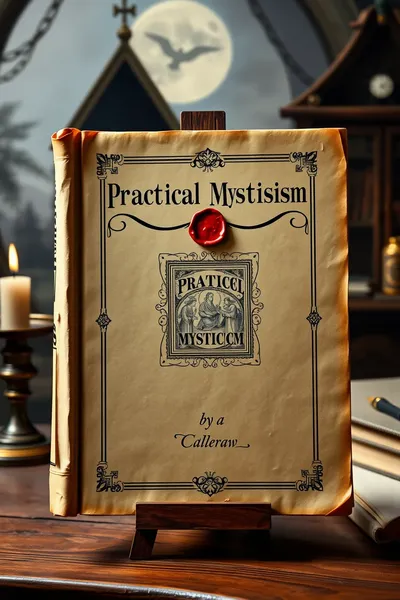
Practical Mysticism

Practical Mysticism

Practical Mysticism, an anonymous work, likely offers guidance on developing spiritual awareness and engaging in mystical practices. Such texts often provide exercises and philosophical insights aimed at expanding consciousness and connecting with higher truths. This practical approach to mysticism directly relates to the spiritual development and heightened awareness attributed to the inhabitants of Lemuria, who are believed to have possessed advanced intuitive and psychic abilities. It serves as a guide for those seeking to tap into similar inner potentials.

Tik-Tok of Oz

Tik-Tok of Oz

by Baum, L. Frank (Lyman Frank)

Tik-Tok of Oz, published in 1914 by L. Frank Baum, transports readers to the magical land of Oz, featuring new adventures with familiar characters like Dorothy and the mechanical man, Tik-Tok. While a children's fantasy, the Oz series consistently creates elaborate, self-contained worlds with unique inhabitants and magical laws. This imaginative world-building, where hidden lands and extraordinary beings exist, mirrors the concept of lost continents like Lemuria, inviting readers to envision realms beyond ordinary perception. The quest for discovery and interaction with diverse cultures is a recurring theme.

Witch-Doctors

Witch-Doctors

by Beadle, Charles

Witch-Doctors by Charles Beadle, published in 1922, offers an ethnographic account of indigenous spiritual practices and beliefs, particularly focusing on African traditional religions and their practitioners. The book details rituals, healing methods, and the role of spiritual leaders in tribal societies. This exploration of primal spirituality, connection to nature, and the power of ancient traditions provides a fascinating parallel to the purported spiritual practices and intuitive abilities of the early inhabitants of Lemuria, highlighting a deep, inherent wisdom tied to the earth and its energies.

Four Weird Tales

Four Weird Tales

by Blackwood, Algernon

Four Weird Tales by Algernon Blackwood, published in 1922, presents a collection of unsettling and atmospheric stories that delve into the supernatural, psychological horror, and the boundaries of human perception. Blackwood is renowned for his ability to evoke a sense of cosmic dread and the presence of ancient, non-human intelligences. His exploration of vast, primordial forces and hidden realities aligns with the profound and often mysterious nature of lost civilizations like Lemuria, suggesting that there are truths beyond our current understanding, waiting to be rediscovered or re-encountered.

The Black Cross

The Black Cross

by Briggs, Olive M. (Olive Mary)

The Black Cross by Olive M. Briggs, published in 1921, is a historical novel that likely weaves tales of intrigue and ancient symbols within its narrative. While specific plot details are scarce, works featuring powerful symbols or secret societies often touch upon themes of hidden knowledge and ancient legacies. Such narratives can metaphorically connect to the esoteric pursuit of understanding lost civilizations like Lemuria, where profound spiritual truths and powerful symbols were said to hold sway, influencing subsequent eras and secret traditions.

A rogue's tragedy

A rogue's tragedy

by Capes, Bernard

A Rogue's Tragedy by Bernard Capes, published in 1899, is a historical novel likely exploring themes of ambition, deception, and moral downfall within a specific historical setting. While not directly esoteric, narratives that delve into the rise and fall of individuals or societies can offer insights into the cyclical nature of civilizations. The tragic elements and the exploration of human flaws can be seen as a contrast to the idealized spiritual purity often ascribed to Lemurian society, providing a dramatic counterpoint to the pursuit of higher consciousness.

The Big Four

The Big Four

by Christie, Agatha

The Big Four, a Hercule Poirot mystery by Agatha Christie, published in 1927, sees the famous detective facing an international criminal organization. While a classic detective novel, its global conspiracy plot, involving powerful secret societies and a quest for world domination, can be metaphorically linked to the hidden powers and vast, ancient influences sometimes associated with legends like Lemuria. The intricate web of intrigue and the search for a powerful, unseen force echo the elusive nature of ancient knowledge and lost civilizations that shape esoteric thought.

The Spirit Land

The Spirit Land

by Emmons, Samuel B. (Samuel Bulfinch)

In The Spirit Land, published in 1857, Samuel B. (Samuel Bulfinch) Emmons explores the phenomena of spiritualism, including séances, mediumship, and communication with the deceased. The book provides an early account of the spiritualist movement in America, detailing various manifestations and theories about the afterlife. This investigation into unseen realms and the potential for human connection with non-physical entities resonates with the purported etheric nature and advanced spiritual abilities of Lemurian beings, who are often described as existing on a higher vibrational plane.

The Eyes Have It

The Eyes Have It

by Garrett, Randall

The Eyes Have It by Randall Garrett, published in 1964, is a science fiction novel known for its satirical take on bureaucracy and alien encounters. While a work of modern sci-fi, the concept of hidden alien civilizations and advanced technologies can be broadly linked to the speculative nature of lost continents. The idea of advanced beings with unique perceptions or abilities, as found in Garrett's narrative, can metaphorically resonate with the purported highly evolved consciousness and distinct sensory capabilities of Lemurian beings, offering a parallel in speculative fiction.

The Prophet

The Prophet

by Gibran, Kahlil

First published in 1923, The Prophet by Kahlil Gibran is a collection of 26 prose poetry essays delivered by a prophet named Almustafa. Addressing profound themes such as love, marriage, children, joy, sorrow, and death, the book offers timeless spiritual wisdom. While not directly about Lemuria, its universal messages on the soul's journey and humanity's deeper connections resonate with the spiritual evolution and ancient wisdom often attributed to the lost continent. Gibran's poetic insights invite readers to contemplate the enduring truths that transcend time and place.

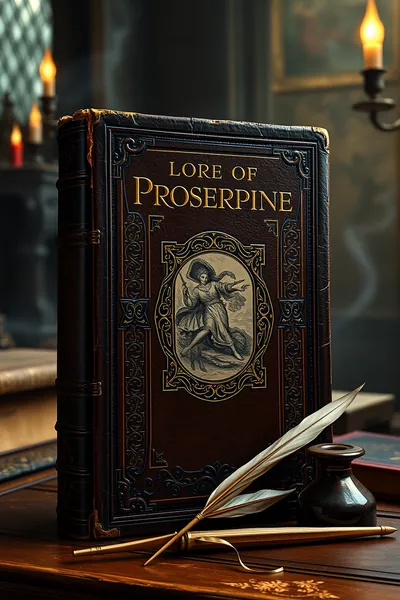
Lore of Proserpine

Lore of Proserpine

by Hewlett, Maurice

Lore of Proserpine by Maurice Hewlett, published in 1913, is a collection of essays and stories that blend autobiography, folklore, and mythological themes, often exploring the author's personal mystical experiences and connection to the pagan world. The book delves into ancient deities, nature spirits, and the hidden aspects of reality. This exploration of deep mythology and personal spiritual insight aligns with the esoteric quest for understanding lost civilizations like Lemuria, suggesting that ancient wisdom and forgotten spiritual connections can still be accessed through intuition and lore.

The shadow kingdom

The shadow kingdom

by Howard, Robert E. (Robert Ervin)

The Shadow Kingdom by Robert E. (Robert Ervin) Howard, published in 1929, is a seminal work in the sword and sorcery genre, introducing King Kull of Valusia. The story features ancient, pre-human serpent-men and a hidden kingdom, setting a tone of primordial mystery and cosmic horror. This narrative of a forgotten, powerful race and their ancient magic directly parallels the lore of lost continents like Lemuria, which are often depicted as realms of advanced, non-human or proto-human civilizations possessing powerful, long-lost knowledge and abilities.

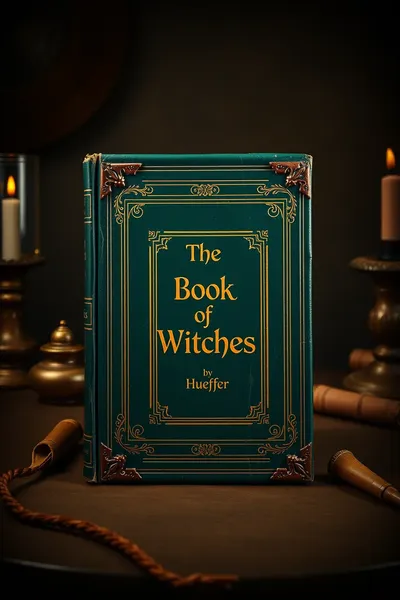
The book of witches

The book of witches

by Hueffer, Oliver Madox

The Book of Witches by Oliver Madox Hueffer, published in 1908, is a historical and cultural study of witchcraft, exploring its origins, practices, and persecution across different eras. The book delves into ancient rituals, folk beliefs, and the societal impact of accusations of magic. This scholarly examination of a long-standing esoteric tradition provides context for understanding ancient spiritual systems and the power attributed to certain individuals. It connects to the broader theme of ancient spiritual knowledge and practices, which are central to the lore of lost civilizations like Lemuria.

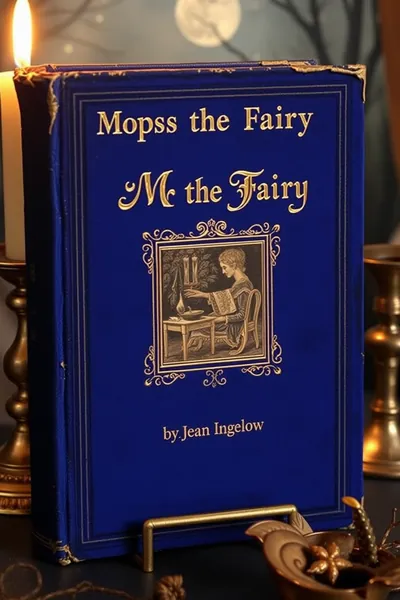
Mopsa the Fairy

Mopsa the Fairy

by Ingelow, Jean

Mopsa the Fairy, a children's fantasy novel by Jean Ingelow published in 1869, follows a boy named Jack who discovers a nest of fairies and embarks on a magical journey through their enchanting world. The narrative is filled with imaginative creatures, hidden realms, and a sense of wonder. This exploration of a secret, vibrant world existing alongside our own evokes the mystique of lost continents like Lemuria, inviting readers to consider the possibility of unseen, magical civilizations and the timeless allure of mythical lands.

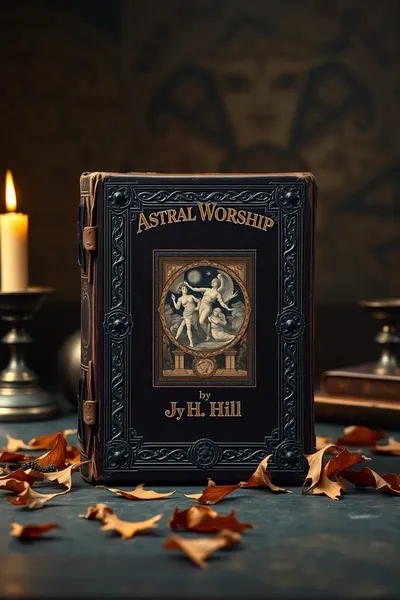
Astral Worship

Astral Worship

by J. H. Hill

Astral Worship by J. H. Hill delves into the ancient origins of religion, linking early spiritual beliefs to astronomical observations and the worship of celestial bodies. Published in 1895, this work explores how humanity's understanding of the cosmos shaped its spiritual practices and mythologies. The book's focus on ancient wisdom and the profound connection between humanity and the stars aligns with the esoteric understanding of Lemuria as a civilization deeply attuned to cosmic energies and possessing advanced spiritual knowledge, predating many known historical religions.

All Men are Ghosts

All Men are Ghosts

by Jacks, L. P. (Lawrence Pearsall)

All Men are Ghosts by L. P. (Lawrence Pearsall) Jacks, published in 1913, is a collection of philosophical and supernatural tales that often explore the nature of reality, perception, and the spiritual dimensions of existence. Jacks' stories frequently blur the lines between the living and the dead, the seen and the unseen. This deep dive into the metaphysical and the ephemeral aspects of being aligns with the esoteric understanding of Lemuria, where inhabitants are sometimes described as having a more etheric or spiritualized form of existence, transcending purely physical limitations.

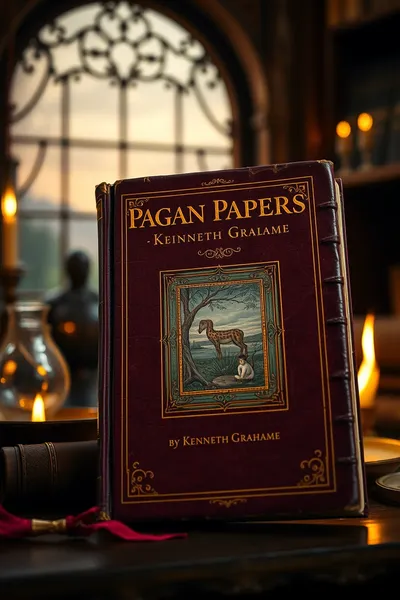
Pagan Papers

Pagan Papers

by Kenneth Grahame

Pagan Papers by Kenneth Grahame, published in 1893, is a collection of essays that evoke a deep appreciation for nature, classical mythology, and a simpler, more primal existence. Grahame's idyllic prose explores themes of childhood innocence, the beauty of the natural world, and a gentle pagan sensibility. This work, while not explicitly discussing Lemuria, captures a sense of a pre-industrial, harmonious relationship with the earth, mirroring the idealized natural existence often imagined for the inhabitants of the lost continent. It offers a nostalgic glimpse into a world where ancient rhythms and natural forces hold sway.

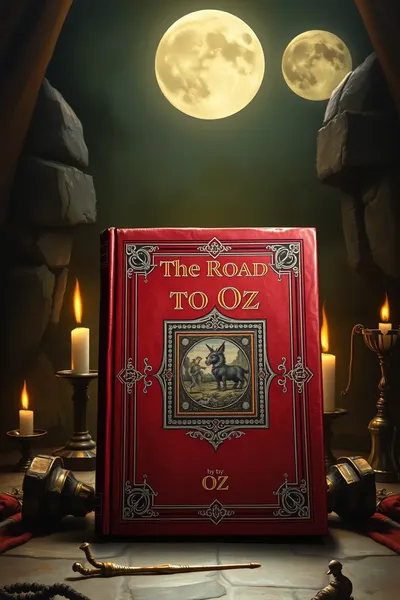
The Road to Oz

The Road to Oz

by L. Frank (Lyman Frank) Baum

The Road to Oz, published in 1909 by L. Frank (Lyman Frank) Baum, continues the whimsical adventures of Dorothy Gale in the fantastical land of Oz. This installment introduces new characters and explores uncharted regions of Oz, emphasizing themes of journey and discovery. The creation of a vibrant, magical world that exists parallel to our own, complete with its own history and unique inhabitants, serves as a metaphorical representation of hidden lands and forgotten civilizations like Lemuria, fostering a sense of wonder about what lies beyond the known world.

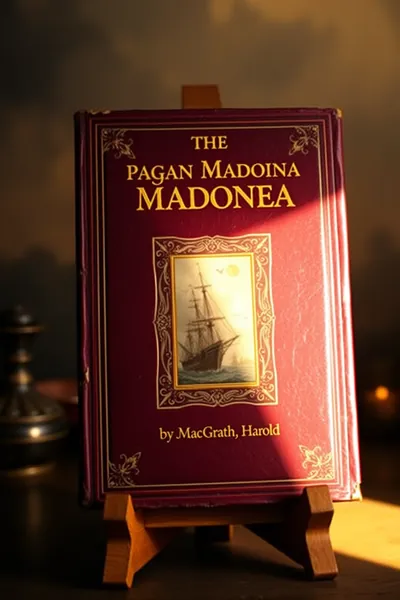
The Pagan Madonna

The Pagan Madonna

by MacGrath, Harold

The Pagan Madonna by Harold MacGrath, published in 1921, is a mystery novel that likely involves intrigue, exotic settings, and perhaps ancient artifacts or symbols. The title itself suggests a blend of paganism and reverence, hinting at a connection to ancient spiritual traditions or forgotten deities. This thematic convergence can be seen as a subtle link to the allure of lost civilizations like Lemuria, where ancient spiritual practices and powerful archetypes would have held significant cultural and religious importance, influencing later traditions.

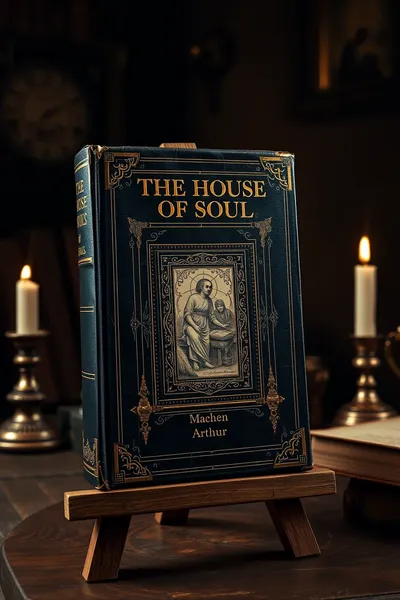
The House of Souls

The House of Souls

by Machen, Arthur

The House of Souls by Arthur Machen, a collection of supernatural and horror stories published in 1906, delves into themes of ancient evil, hidden realities, and the lingering presence of primordial forces. Machen's work often explores the idea of a 'Great Race' or ancient beings that predate humanity, residing in forgotten corners of the world. This concept of an older, more primal existence with its own esoteric knowledge and dark secrets strongly resonates with the mysterious and ancient nature of Lemuria, suggesting profound, hidden histories beneath our known world.

Three essays

Three essays

by Mann, Thomas

Three Essays by Thomas Mann presents profound reflections on culture, art, and the human condition. While Mann's work, including his famous novel The Magic Mountain, is deeply rooted in modern European thought, these essays offer a philosophical depth that can be applied to understanding the cultural and spiritual development of any civilization. His exploration of human nature's complexities and the pursuit of meaning resonates with the spiritual quest that underpins the lore of Lemuria, inviting contemplation on the essence of human experience across different eras.

The Magician

The Magician

by Maugham, W. Somerset (William Somerset)

Published in 1908, W. Somerset Maugham's novel The Magician delves into the dark side of occultism, featuring Oliver Haddo, a character heavily inspired by Aleister Crowley. The story explores black magic, ritual sacrifice, and the pursuit of forbidden knowledge. This intense narrative, while fictional, provides a dramatic portrayal of the dangers and allure of esoteric practices, offering a glimpse into the kind of powerful, potentially destructive, magic that some esoteric traditions suggest existed in ancient, highly advanced civilizations like Lemuria. It highlights the profound impact of hidden spiritual forces.

Nature Mysticism

Nature Mysticism

by Mercer, John Edward

Nature Mysticism by John Edward Mercer, published in 1913, explores the spiritual connection between humanity and the natural world, discussing various forms of mystical experience derived from engaging with nature. The book delves into the profound sense of unity and reverence for the earth. This deep ecological and spiritual perspective directly mirrors the idealized relationship with nature often attributed to the inhabitants of Lemuria, who are believed to have lived in harmony with their environment, possessing an innate spiritual awareness derived from their connection to the planet.

Guy Mannering

Guy Mannering

by Walter Scott

Guy Mannering, a novel by Walter Scott published in 1815, is a tale of astrology, prophecy, and hidden identities set in 18th-century Scotland. The narrative features a young man whose destiny is foretold by an astrologer, leading to a series of mysterious events and revelations. This exploration of fate, prophecy, and ancient traditions, including gypsy lore, connects to the broader esoteric interest in foreknowledge and the influence of unseen forces. It subtly echoes the idea of ancient wisdom and predestined paths, concepts often associated with the highly spiritualized society of Lemuria.

Witch of the Glens

Witch of the Glens

by Watson, Sally

Witch of the Glens by Sally Watson, published in 1965, is a historical novel set in Scotland, focusing on a young girl accused of witchcraft. While a work of historical fiction, it explores themes of belief, persecution, and the power of folk traditions. The enduring presence of witchcraft and ancient beliefs, often rooted in a deep connection to nature and ancestral practices, connects to the broader esoteric landscape. This echoes the primal spiritual traditions and the profound, intuitive wisdom often attributed to the inhabitants of Lemuria, highlighting ancient ways of knowing.

Esoteric Library
Browse Esoteric Library
📚 All 52,000+ Books 🜍 Alchemy & Hermeticism 🔮 Magic & Ritual 🌙 Witchcraft & Paganism Astrology & Cosmology 🃏 Divination & Tarot 📜 Occult Philosophy ✡️ Kabbalah & Jewish Mysticism 🕉️ Mysticism & Contemplation 🕊️ Theosophy & Anthroposophy 🏛️ Freemasonry & Secret Societies 👻 Spiritualism & Afterlife 📖 Sacred Texts & Gnosticism 👁️ Supernatural & Occult Fiction 🧘 Spiritual Development 📚 Esoteric History & Biography
Esoteric Library
📑 Collections 📤 Upload Your Book
Account
🔑 Sign In Create Account
Info
About Esoteric Library