What is Ego Death?
Ego death refers to the temporary or permanent dissolution of the sense of self, the subjective experience of the ego. It is often described as a profound alteration in consciousness where personal identity, memories, and the feeling of being a separate individual cease to exist. This state can be induced through various means, including intense meditation, psychedelic substances, or profound spiritual experiences, leading to a sense of unity or interconnectedness with the universe.
Best Books for Complete Beginners
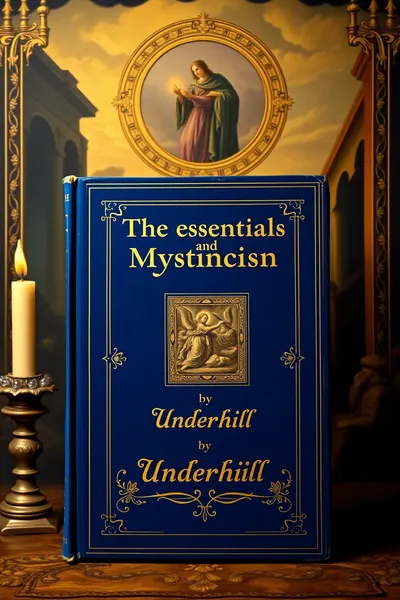
For those new to the concept, 'The Beginner's Guide to Ego Death' by AJ Murillo provides a clear entry point into the subject matter. David Berlin's 'Ego Death' offers another accessible overview. Evelyn Underhill's 'The essentials of mysticism' and 'Christian Mysticism' by William Ralph Inge, though broader in scope, introduce the psychological and spiritual underpinnings of transcending the self. These texts lay the groundwork for understanding the phenomenon without overwhelming the reader.
Intermediate Reading
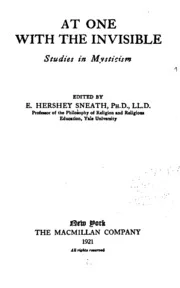
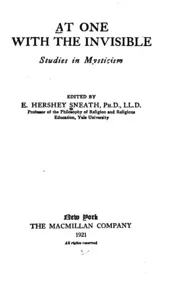
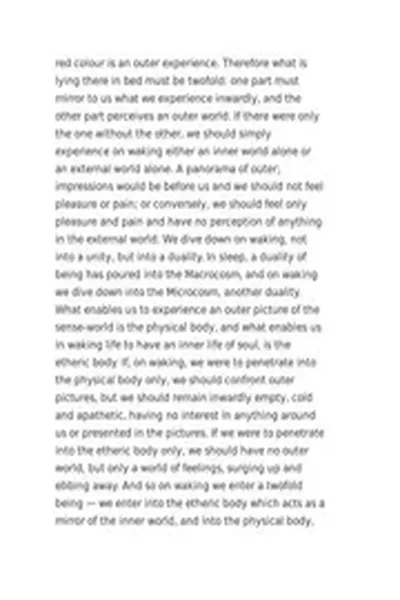
Moving beyond the basics, 'At One with the Invisible' by Elias Hershey Sneath (1921) presents early studies on mystical experiences, offering historical context. Friedrich von Hügel's 'The Mystical Element of Religion' delves deeper into the psychological aspects of religious experience, relevant to the ego's dissolution. Rudolf Steiner's 'Macrocosm and Microcosm' (1910) explores interconnectedness, a common theme in ego death states. These works offer more nuanced perspectives and scholarly approaches.
Classical / Advanced Texts
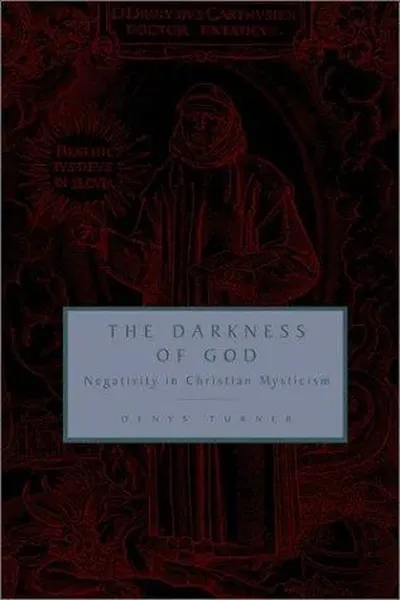
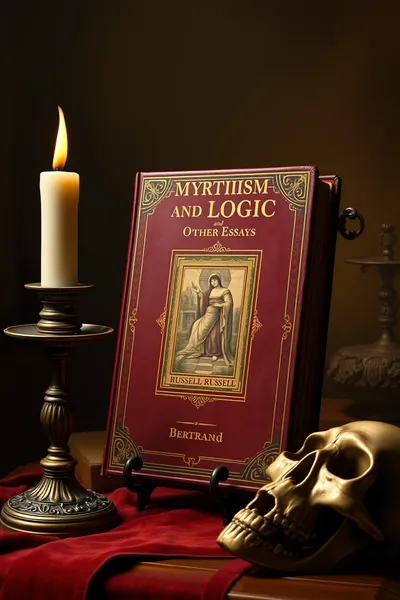
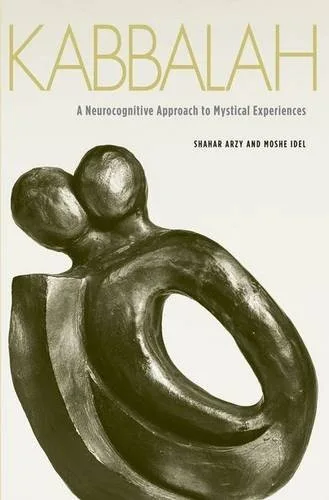
For serious students, primary sources and advanced analyses are crucial. Bertrand Russell's 'Mysticism and Logic and Other Essays' provides a philosophical counterpoint and early critical examination. Denys Turner's 'The Darkness Of God Negativity In Christian Mysticism' and 'The darkness of god' explore negative theology's role in transcending conceptual identity. Moshe Idel's 'Studies in Ecstatic Kabbalah' and 'Messianic mystics' offer deep dives into specific esoteric traditions where ego dissolution is central.
Reading Order — Step by Step
Begin with 'The Beginner's Guide to Ego Death' by AJ Murillo or David Berlin's 'Ego Death' for foundational understanding (Month 1, Weeks 1-2). Transition to Evelyn Underhill's 'The essentials of mysticism' and William Ralph Inge's 'Christian Mysticism' to grasp broader mystical contexts (Month 1, Weeks 3-4). In Month 2, explore Elias Hershey Sneath's 'At One with the Invisible' and Rudolf Steiner's 'Macrocosm and Microcosm' for historical and philosophical depth. Month 3 and beyond can be dedicated to advanced texts like Bertrand Russell's 'Mysticism and Logic' and Denys Turner's 'The Darkness Of God', or specific traditions like Moshe Idel's Kabbalah studies.
Frequently Asked Questions
Which ego death book should I read first?
For a clear starting point, 'The Beginner's Guide to Ego Death' by AJ Murillo or David Berlin's 'Ego Death' are recommended. They introduce the fundamental concepts without assuming prior knowledge.
Can ego death be achieved without psychedelics?
Yes, many texts explore ego death through meditation, contemplative practices, intense spiritual disciplines, or profound psychological shifts. Books by Evelyn Underhill and Rudolf Steiner discuss these non-pharmacological routes.
What is the difference between ego death and psychosis?
While both involve altered states, ego death is typically a voluntary or spontaneously occurring transformative experience, often leading to integration. Psychosis is a pathological break from reality, often accompanied by distress and delusion, requiring clinical intervention.
Is ego death a permanent state?
For most, ego death is a temporary experience, though its insights can lead to lasting changes in perspective. Some traditions aim for permanent dissolution of the ego, but this is considered an advanced spiritual attainment.
How does ego death relate to mysticism?
Ego death is often considered a hallmark of profound mystical or unitive experiences. The dissolution of the individual self allows for a direct experience of oneness with the divine or the universe, as explored in works like Sneath's 'At One with the Invisible'.
Are there risks associated with seeking ego death?
Pursuing intense altered states carries risks, especially without proper guidance or preparation. Texts like 'The Beginner's Guide to Ego Death' may offer cautions, and it's advisable to approach such experiences with awareness and support.
What is the role of 'logic' in understanding ego death, as in Russell's work?
Bertrand Russell's 'Mysticism and Logic' examines the limits of logical reasoning when applied to mystical or subjective experiences. It questions whether the insights gained through mysticism can be validated or understood through empirical or logical frameworks.