What are Mystery Schools?
Mystery schools were ancient religious or spiritual organizations that initiated members into secret doctrines and rituals. These traditions, often found in Hellenistic Egypt, Greece, and Rome, emphasized personal transformation and spiritual enlightenment through symbolic rites and teachings. They provided a structured path for understanding the cosmos, the divine, and the human soul's place within them. Unlike public cults, participation required an oath of secrecy, with knowledge revealed progressively to initiates.
Best Books for Complete Beginners
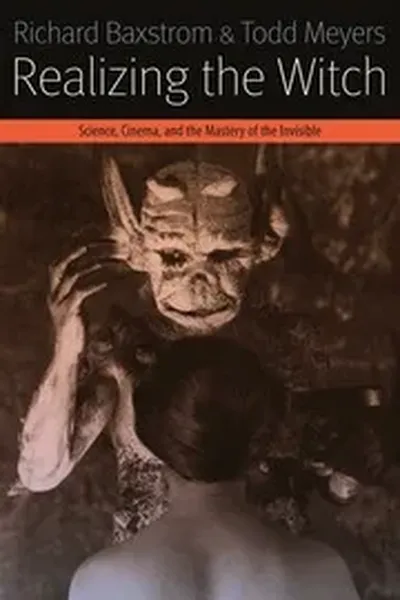
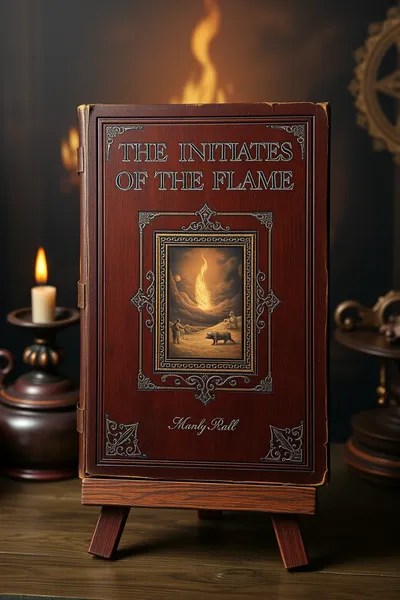
For those new to the subject, 'Advanced Magick for Beginners' by Alan Chapman offers accessible entry points into practical esoteric work. Manly P. Hall's 'The Initiates of the Flame' provides foundational concepts of spiritual ascent. 'The Mysteries of Free Masonry' by William Morgan, though historical, outlines degrees of initiation relevant to Western esoteric traditions. 'Realizing the Witch' (2016) explores modern witchcraft practices, often rooted in older mystery traditions. These texts introduce core ideas without overwhelming newcomers.
Intermediate Reading
Intermediate students can delve deeper with 'The True and Invisible Rosicrucian Order' by Paul Foster Case (1985), exploring a specific lineage. Steven Ashe's 'The Complete Golden Dawn Initiate' (2007) details the curriculum of a prominent magical order. Chic Cicero & Sandra Tabatha Cicero's 'Secrets of a Golden Dawn Temple - Book 1' (2004) focuses on practical magical tool creation. Rudolf Steiner's 'The Way of Initiation' (1911) presents a philosophical approach to spiritual development.
Classical / Advanced Texts
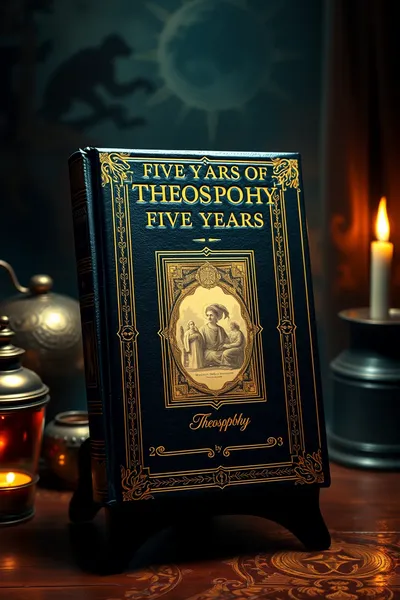
Advanced study benefits from primary sources and foundational works. 'Five Years of Theosophy' compiles early writings on esoteric philosophy. Herbert Silberer's 'Hidden Symbolism of Alchemy and the Occult Arts' offers deep dives into alchemical symbolism. Louis Jacolliot's 'Occult Science in India and Among the Ancients' (1901) explores Eastern initiatory practices. 'The Apocalypse unsealed' by James Morgan Pryse provides an esoteric interpretation of biblical texts.
Reading Order — Step by Step
Begin with introductory texts like Alan Chapman's 'Advanced Magick for Beginners' and Manly P. Hall's 'The Initiates of the Flame' (Weeks 1-2). Transition to foundational order work with 'The True and Invisible Rosicrucian Order' by Paul Foster Case and 'The Complete Golden Dawn Initiate' by Steven Ashe (Month 2). For Month 3+, explore Steiner's 'The Way of Initiation' and deeper symbolic analysis in Herbert Silberer's 'Hidden Symbolism of Alchemy'.
Frequently Asked Questions
Which mystery school book should I read first?
For a gentle introduction, begin with 'Advanced Magick for Beginners' by Alan Chapman. It provides practical exercises and accessible concepts for those new to esoteric studies.
What is the difference between a mystery school and a lodge?
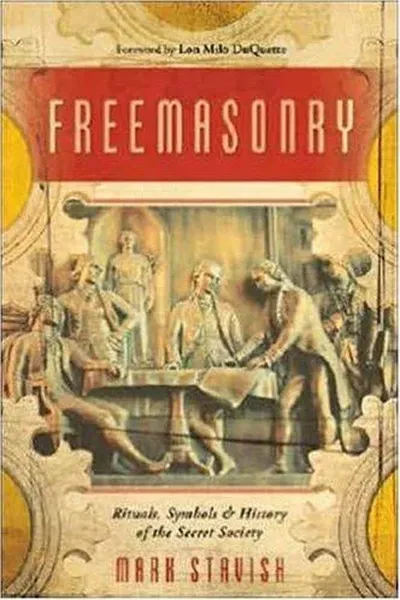
Mystery schools often focused on profound spiritual transformation and secret knowledge, while lodges, like those in Freemasonry, emphasize fraternity, moral instruction, and ritualistic degrees.
Are modern occult orders related to ancient mystery schools?
Many modern occult orders, such as the Golden Dawn, draw heavily on the symbolism, rituals, and philosophical ideas found in ancient mystery traditions, adapting them for contemporary practitioners.
Is there a specific order to reading these books?
It's generally recommended to start with beginner texts that introduce core concepts, then move to books detailing specific traditions or practices, and finally to more complex classical or theoretical works.
What does 'initiation' mean in this context?
Initiation refers to a process of being formally admitted into a group or a level of knowledge, often involving symbolic rituals and a progressive unveiling of esoteric teachings.
Are these books suitable for academic study?
Some texts, like Silberer's or Jacolliot's, offer historical and symbolic analysis that can be of academic interest. Others are more focused on practical application and personal spiritual development.
What is the role of symbolism in mystery schools?
Symbolism is central, serving as a language to convey complex spiritual truths and psychological insights that are often considered beyond literal or rational explanation.