55,000+ Esoteric Books Free + Modern Compare Prices
Home Collections Gospel of Thomas
📖

Gospel of Thomas: Essential Reading List

The Gospel of Thomas presents a collection of sayings attributed to Jesus, distinct from the canonical gospels. Early examinations of texts related to Thomas's teachings appear in works such as William Wake's 'The suppressed Gospels and Epistles of the original New Testament of Jesus the Christ, Volume 1, Mary' and S. Baring-Gould's 'The Lost and Hostile Gospels'. Understanding this text requires engaging with both primary fragments and secondary analysis. Below, find a curated list to guide your study.

Top Gospel of Thomas Books

25 Gospel of Thomas books
Evolution and creation
📖
Evolution and creation
Hardwicke, Herbert Junius
4.2
69
SCHOLAR'S PICK
Feats on the Fiord
📖
Feats on the Fiord
Harriet Martineau (1802-1876)
4.6
81
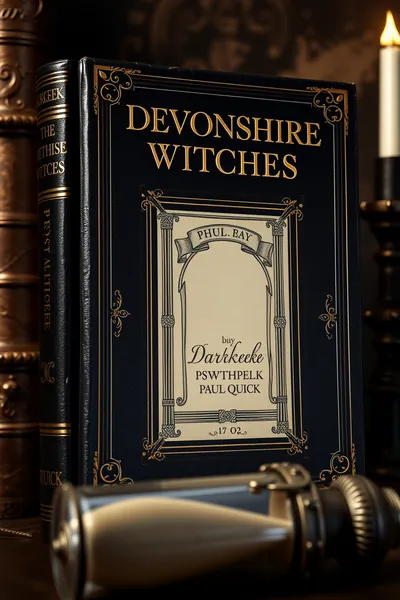
Devonshire Witches
📖
Devonshire Witches
Karkeek, Paul Q. (Paul Quick)
4.2
68
HIDDEN GEM
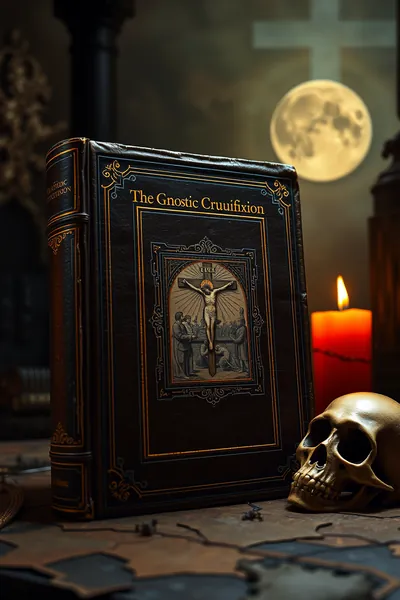
The Gnostic Crucifixion
📖
The Gnostic Crucifixion
Mead, G. R. S. (George Robert Stow)
4.2
69
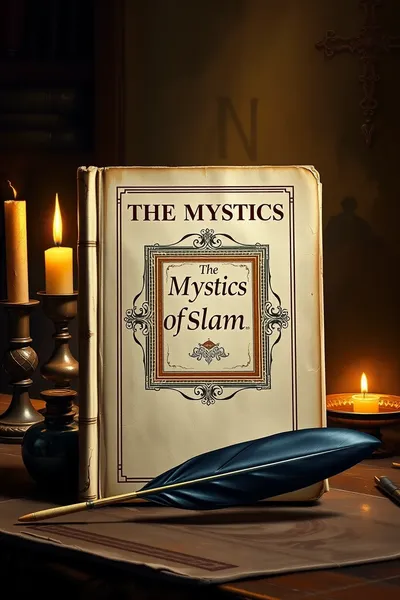
The Mystics of Islam
📖
The Mystics of Islam
Nicholson, Reynold Alleyne
4.3
69
I don't know, do you?
📖
I don't know, do you?
Ricker, Marilla M. (Marilla Marks)
4.2
68
TRENDING
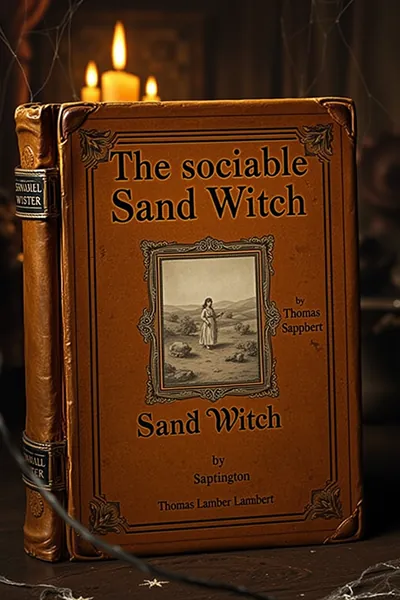
The sociable Sand Witch
📖
The sociable Sand Witch
Sappington, Thomas Lambert
4.2
68
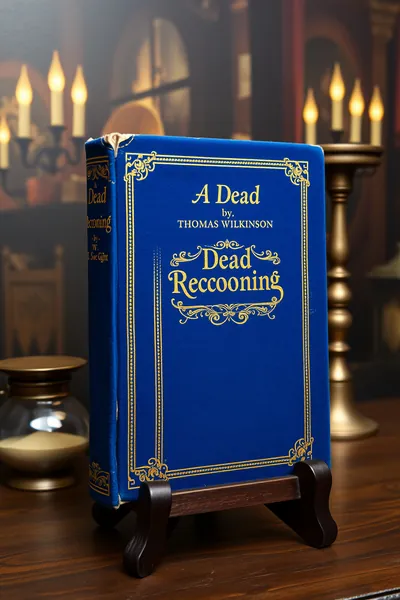
A Dead Reckoning
📖
A Dead Reckoning
Speight, T. W. (Thomas Wilkinson)
4.2
68
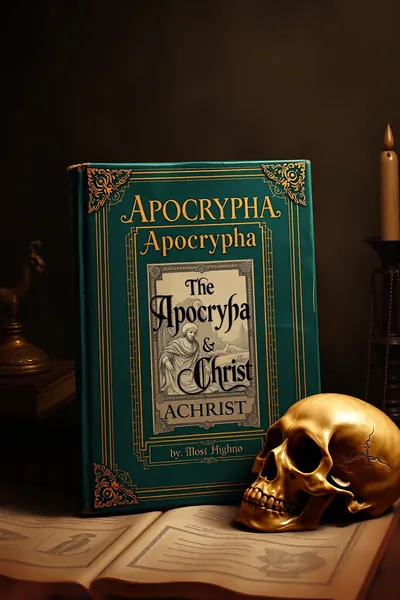
"Apocrypha"
📖
"Apocrypha"
The Most High & Christ
4.7
84
MUST READ
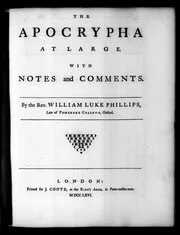
The Apocrypha 1766
📖
The Apocrypha 1766
[Bible. Apocrypha. English. Authori
4.7
84

What is the Gospel of Thomas?

The Gospel of Thomas is a collection of 114 sayings, or logia, attributed to Jesus Christ. It is considered a non-canonical gospel, meaning it was not included in the standard New Testament canon. Discovered in 1945 near Nag Hammadi, Egypt, its text is believed to date from the early 2nd century CE. Unlike narrative gospels, it focuses on Jesus's teachings and esoteric wisdom, often presented in a direct, aphoristic style.

Best Books for Complete Beginners

For those new to the Gospel of Thomas, starting with accessible introductions is key. 'The suppressed Gospels and Epistles of the original New Testament of Jesus the Christ, Volume 1, Mary' by William Wake provides historical context for apocryphal texts. 'The Aquarian Gospel of Jesus the Christ' by Levi offers a unique, though non-scholarly, interpretation of Jesus's life and teachings, reflecting a spiritual perspective. Reading these foundational texts will help establish a basic understanding before delving into more complex analyses.

Intermediate Reading

Moving beyond introductory material, the intermediate reader can explore deeper analyses. 'The Lost and Hostile Gospels: An Essay on the Toledoth Jeschu, and the Petrine and Pauline Gospels of the First Three Centuries of Which Fragments Remain' by S. Baring-Gould offers critical perspectives on early Christian texts. 'The book of Enoch' and 'The book of Enoch the Prophet' provide parallel wisdom literature from a similar period, offering context for the worldview that might have produced the Gospel of Thomas. 'Philosophumena; or, The refutation of all heresies, Volume I' by Hippolytus, Antipope, can offer insights into early Christian debates about scripture and doctrine.

Classical / Advanced Texts

Advanced study involves engaging with primary source material and scholarly commentaries. While direct translations of the Gospel of Thomas are not in the provided catalog, related ancient texts are. 'Deuterocanonical Books of the BibleApocropha' contains texts considered scripture by some early Christians but excluded from the canon. 'Pistis Sophia' is another Gnostic text offering complex theological narratives. 'Iamblichus on the mysteries of the Egyptians, Chaldeans, and Assyrians' by Iamblichus provides a window into Neoplatonic thought, which shares thematic elements with Gnostic traditions.

Reading Order — Step by Step

Begin with an overview of apocryphal texts like William Wake's 'The suppressed Gospels...'. In weeks 3-4, explore 'The Aquarian Gospel of Jesus the Christ' by Levi for a spiritual interpretation. Month two should focus on 'The Lost and Hostile Gospels' by S. Baring-Gould and 'The book of Enoch'. By month three, engage with 'Philosophumena' by Hippolytus and consider texts like 'Pistis Sophia' for a deeper dive into Gnostic thought. Conclude with classical philosophical texts that provide broader context, such as Iamblichus.

Why Each Book Matters

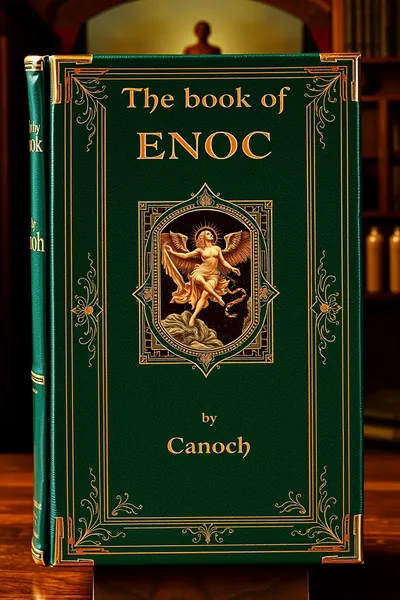
The book of Enoch

The book of Enoch

The Book of Enoch is an ancient Jewish religious work, traditionally ascribed to Enoch, the great-grandfather of Noah. Composed over several centuries (roughly 3rd century BCE to 1st century CE), it is a pseudepigraphical text that details the fall of the Watchers (fallen angels), Enoch's visionary journeys through heaven and earth, and prophecies of the Messiah. Its rich cosmology and angelology deeply influenced early Jewish and Christian thought, including some Gnostic concepts, making it a significant text for understanding the broader esoteric landscape that predates and parallels the Gospel of Thomas.

Pistis Sophia

Pistis Sophia

Pistis Sophia is a major Gnostic scripture, likely composed in the 3rd or 4th century CE, presenting a complex cosmological narrative and teachings attributed to Jesus after his resurrection. This extensive dialogue, featuring Mary Magdalene prominently, details the travails of the soul (Pistis Sophia) through various celestial realms and offers intricate Gnostic interpretations of salvation. Unlike the succinct sayings of the Gospel of Thomas, Pistis Sophia provides a rich, mythological framework for understanding the Gnostic path to gnosis, making it a cornerstone for advanced studies in Gnosticism.

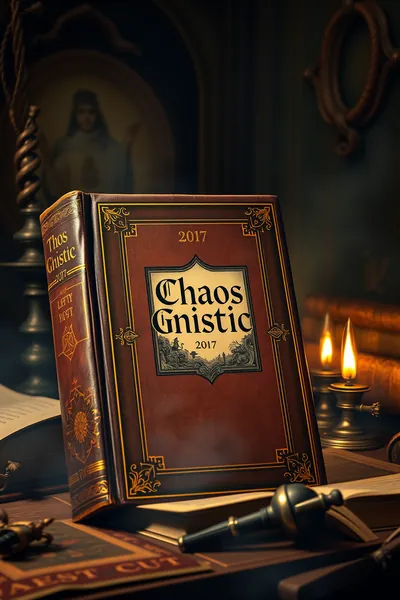
Chaos Gnostic 2017

Chaos Gnostic 2017

Chaos Gnostic 2017 represents a modern exploration of Gnostic themes through a contemporary lens. This work, attributed to Unknown, likely blends traditional Gnostic concepts with modern philosophical, occult, or chaos magic perspectives. It offers a fresh, perhaps experimental, interpretation of gnosis and self-divinity for the 21st century, demonstrating the enduring adaptability and relevance of Gnostic thought. Readers interested in how ancient spiritual ideas, similar to those found in the Gospel of Thomas, are reinterpreted for a new era will find this text particularly engaging.

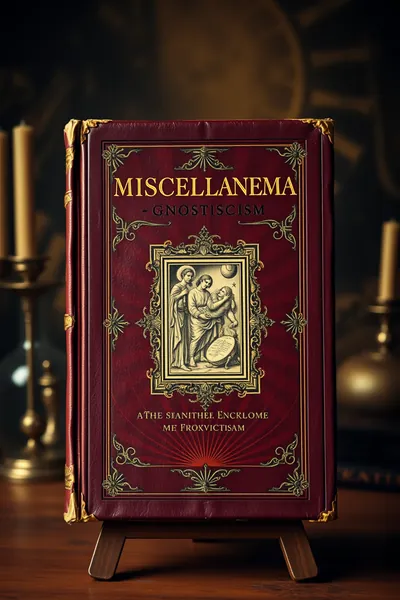
Miscellanea - Gnosticism

Miscellanea - Gnosticism

Miscellanea - Gnosticism, an anonymous collection, offers a diverse array of texts and fragments related to Gnostic thought. This compilation serves as an excellent resource for exploring the breadth of Gnostic ideas, ranging from cosmology and mythology to ethical teachings and spiritual practices. It allows readers to encounter various Gnostic perspectives, providing a broader understanding of the movement that produced the Gospel of Thomas, and highlighting the rich intellectual and spiritual ferment of early Christian and Hellenistic periods.

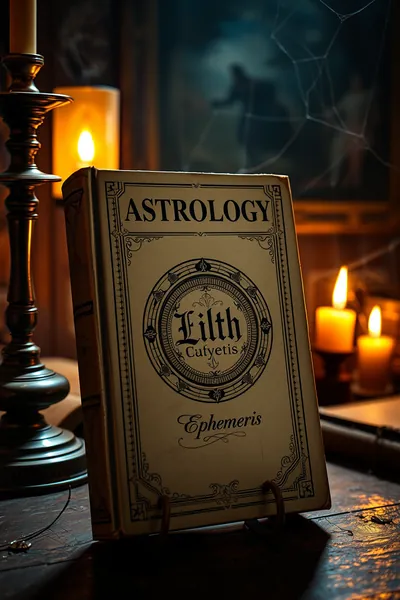
Astrology Lilith Ephemeris

Astrology Lilith Ephemeris

Astrology Lilith Ephemeris is a specialized astrological reference guide focusing on the celestial body Lilith, often referred to as the 'Dark Moon' or 'Black Moon Lilith.' This ephemeris provides precise astronomical data for Lilith's position over time, crucial for astrologers who incorporate this point into natal chart analysis. It explores the esoteric and psychological interpretations of Lilith, representing themes of rebellion, hidden desires, and primal femininity, offering a niche occult study distinct from the theological discourse of the Gospel of Thomas.

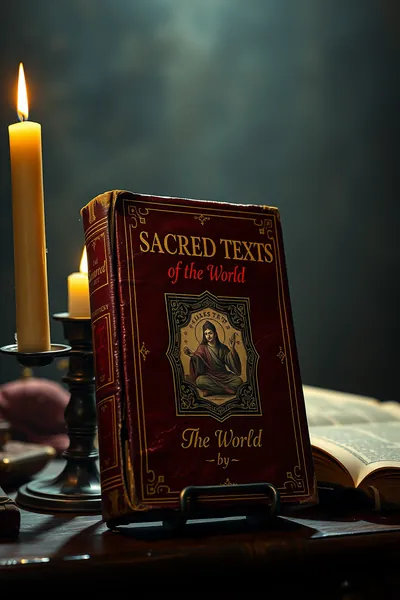
Sacred Texts of the World

Sacred Texts of the World

Sacred Texts of the World, an anthology by Unknown, compiles significant spiritual and religious writings from diverse cultures and historical periods. This collection offers a panoramic view of humanity's quest for meaning, featuring excerpts from traditions across the globe. It serves as an excellent introductory resource for comparative religion, allowing readers to appreciate the universal themes and unique expressions of spirituality found in texts ranging from ancient myths to philosophical treatises, including those that provide context for the Gospel of Thomas.

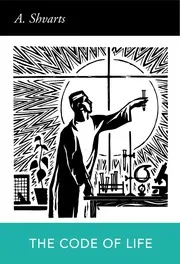
The Code Of Life

The Code Of Life

by A. Shvarts

The Code Of Life by A. Shvarts explores a unique philosophical or spiritual framework, proposing principles that govern existence and personal development. This contemporary work, though not directly related to ancient texts like the Gospel of Thomas, likely offers modern interpretations of life's mysteries and human potential. It aims to provide readers with a 'code' or system for understanding the world and navigating their spiritual journey, resonating with those who seek structured approaches to self-discovery and a deeper comprehension of universal laws.

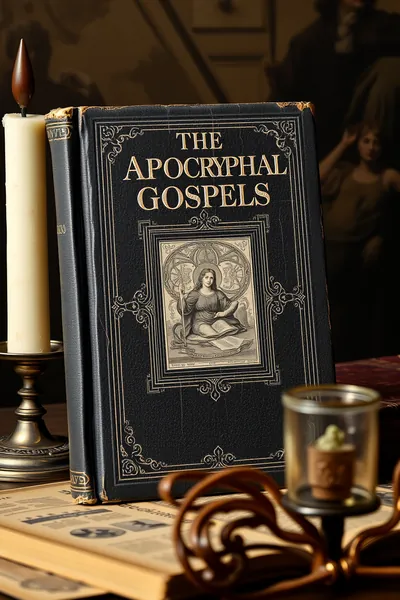
The Apocryphal Gospels

The Apocryphal Gospels

by B Harris Cowper

The Apocryphal Gospels by B Harris Cowper is a valuable scholarly compilation presenting various non-canonical gospels, including significant early Christian texts. Published in the 19th century, this work provides critical translations and introductions, making texts like the Gospel of Thomas accessible to a wider audience before its full Nag Hammadi discovery. Cowper's meticulous approach helps readers understand the textual history and theological implications of these writings, situating the Gospel of Thomas within the rich and diverse landscape of early Christian literature and thought.

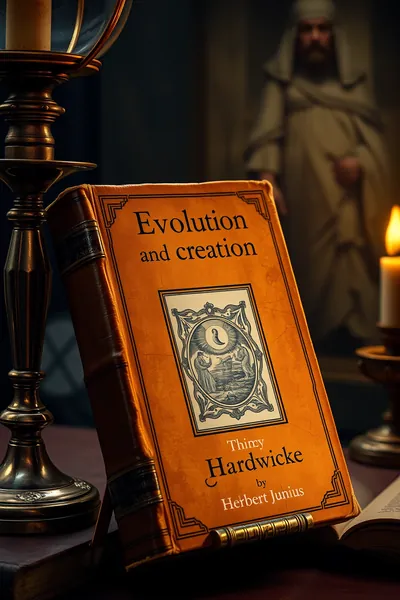
Evolution and creation

Evolution and creation

by Hardwicke, Herbert Junius

Evolution and creation by Herbert Junius Hardwicke likely addresses the enduring debate between scientific theories of evolution and religious accounts of creation. Published in an era when these discussions were particularly fervent, this work would present arguments and perspectives from a specific viewpoint, engaging with both biological evidence and theological interpretations. It provides a historical snapshot of how science and faith interacted, offering a contrast to the purely spiritual and esoteric concerns found within the Gospel of Thomas.

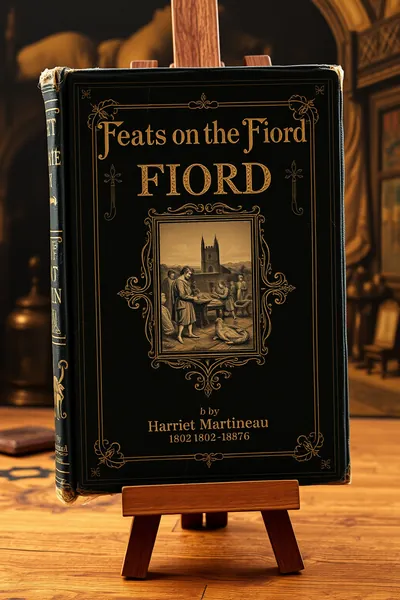
Feats on the Fiord

Feats on the Fiord

by Harriet Martineau (1802-1876)

Feats on the Fiord is a captivating novel by Harriet Martineau (1802-1876), a prominent English social reformer and writer. Published in 1841, this narrative is set in a picturesque Norwegian fiord and explores themes of love, tradition, and social change through the lens of a local community. Martineau, known for her didactic fiction and advocacy for social justice, weaves a story that, while distinct from the spiritual quests of the Gospel of Thomas, offers a glimpse into 19th-century societal values and human relationships.

Devonshire Witches

Devonshire Witches

by Karkeek, Paul Q. (Paul Quick)

Devonshire Witches by Paul Q. Karkeek offers a historical account of witchcraft beliefs and practices specifically within the English county of Devonshire. Published in 1878, this study delves into local folklore, trials, and the social context surrounding accusations of witchcraft during various periods. Karkeek's work provides valuable insights into regional magical traditions and the historical persecution of alleged witches, presenting a fascinating cultural contrast to the philosophical and theological concerns of the Gospel of Thomas.

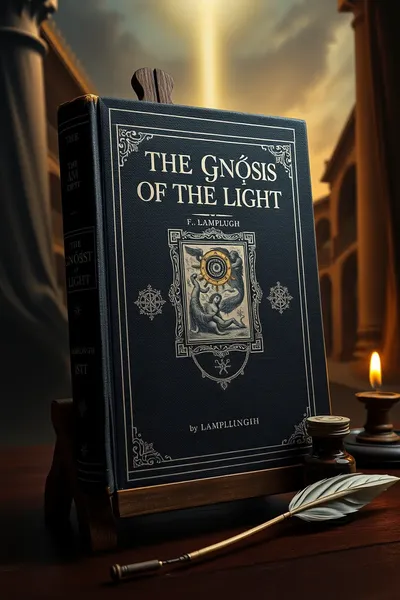
The Gnôsis of the Light

The Gnôsis of the Light

by Lamplugh, F.

The Gnôsis of the Light by F. Lamplugh is a work that likely explores esoteric concepts of divine light and spiritual illumination, central to Gnostic and mystical traditions. This text delves into the nature of gnosis, or direct spiritual knowledge, as a path to understanding ultimate reality. It would appeal to those seeking to comprehend the deeper, symbolic meanings behind spiritual experiences and the journey towards enlightenment, mirroring the introspective and revelatory aspects of the Gospel of Thomas in its quest for hidden truth.

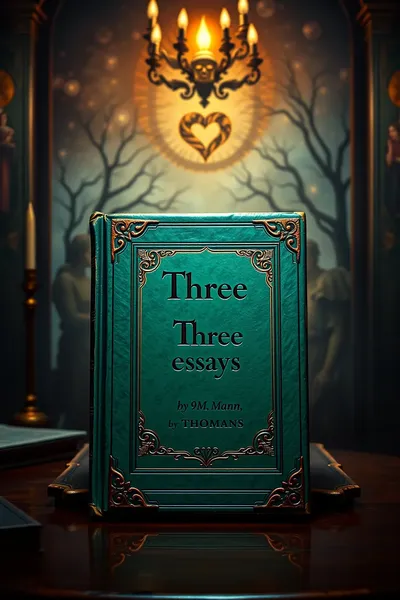
Three essays

Three essays

by Mann, Thomas

In "Three essays," Thomas Mann, the renowned German novelist and Nobel laureate, explores profound philosophical and cultural themes. Published in the 20th century, these essays delve into topics such as art, psychology, and the human condition, reflecting Mann's characteristic intellectual depth and literary prowess. While not directly related to the Gospel of Thomas, Mann's exploration of inner life and the complexities of human consciousness can resonate with seekers of esoteric knowledge, offering a different lens through which to examine spiritual and existential questions in a modern context.

The Gnostic Crucifixion

The Gnostic Crucifixion

by Mead, G. R. S. (George Robert Stow)

The Gnostic Crucifixion by G. R. S. Mead (George Robert Stow) offers a profound exploration of how Gnostic thinkers interpreted the crucifixion of Christ, often emphasizing its symbolic and esoteric dimensions rather than a literal historical event. Mead, a prominent Theosophist and scholar of Gnosticism in the early 20th century, meticulously analyzes ancient texts to reveal the Gnostic understanding of suffering, redemption, and the spiritual journey. This work is crucial for understanding the distinct theological perspectives that set Gnosticism apart from orthodox Christianity, providing critical context for the Gospel of Thomas.

The Mystics of Islam

The Mystics of Islam

by Nicholson, Reynold Alleyne

The Mystics of Islam by Reynold Alleyne Nicholson is a classic and authoritative introduction to Sufism, the mystical dimension of Islam. First published in 1914, Nicholson's work provides a scholarly yet accessible overview of Sufi philosophy, practices, and key figures like Rumi and al-Ghazali. It explores themes of divine love, spiritual union, and esoteric knowledge, drawing parallels with other mystical traditions. For those interested in comparative mysticism, this book illuminates how diverse spiritual paths, much like the Gospel of Thomas, seek direct experience of the divine.

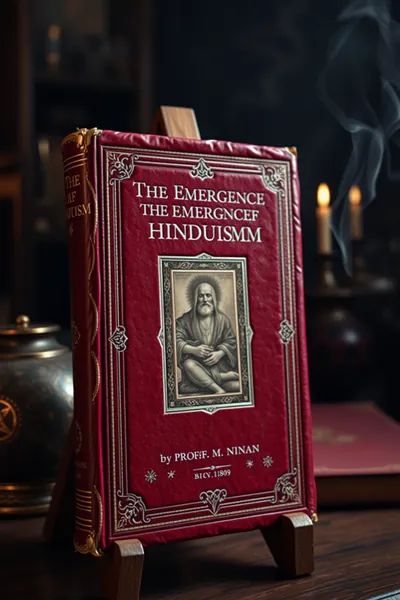
The Emergence of Hinduism

The Emergence of Hinduism

by Prof. M. M. Ninan

The Emergence of Hinduism, also by Prof. M. M. Ninan, focuses specifically on the foundational stages and early historical periods of Hinduism. This book delves into the Vedic roots, the Upanishadic philosophies, and the formative developments that shaped this ancient religion. It is an essential read for understanding the complex origins and philosophical underpinnings of Hindu traditions, offering a detailed perspective on a major world religion that evolved independently of the traditions that gave rise to the Gospel of Thomas.

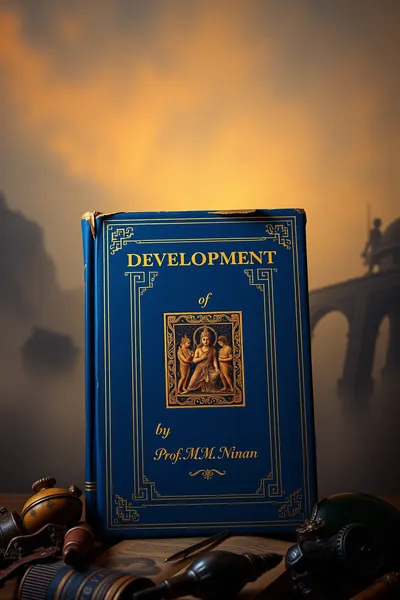
Development of Hinduism

Development of Hinduism

by Prof.M.M.Ninan

Development of Hinduism by Prof. M. M. Ninan offers an academic exploration of the historical evolution of Hinduism, one of the world's oldest and most diverse religious traditions. This scholarly work traces the origins, philosophical schools, and cultural transformations of Hinduism over millennia. It provides valuable insights into the rich spiritual landscape of India, including concepts of dharma, karma, and moksha, presenting a fascinating comparative study for those interested in global spiritual paths, distinct from the Judeo-Christian context of the Gospel of Thomas.

I don't know, do you?

I don't know, do you?

by Ricker, Marilla M. (Marilla Marks)

I don't know, do you? by Marilla M. Ricker is a collection of essays that likely reflects on philosophical questions, societal norms, and personal reflections. Ricker, an American lawyer and suffragist active in the late 19th and early 20th centuries, was known for her independent spirit and challenging conventional wisdom. This book, with its interrogative title, probably encourages readers to critically examine their beliefs and assumptions, a spirit of inquiry that, while different in subject, aligns with the Gospel of Thomas's call for individual spiritual discernment.

The sociable Sand Witch

The sociable Sand Witch

by Sappington, Thomas Lambert

The sociable Sand Witch by Thomas Lambert Sappington is likely a charming children's story, far removed from the theological complexities of the Gospel of Thomas. Published in the 20th century, such a book would typically feature whimsical characters and engaging narratives designed to entertain young readers and perhaps impart simple moral lessons. Its lighthearted nature provides a delightful contrast to the profound spiritual inquiries found in esoteric literature, reminding us of the diverse forms of human storytelling.

A Dead Reckoning

A Dead Reckoning

by Speight, T. W. (Thomas Wilkinson)

A Dead Reckoning by T. W. Speight (Thomas Wilkinson) is a gripping Victorian mystery novel published in 1883. It plunges readers into a tale of intrigue, betrayal, and suspense, characteristic of the popular sensational fiction of its era. The narrative often revolves around complex plots and moral dilemmas, providing a starkly different literary experience from the spiritual introspection offered by the Gospel of Thomas. Speight, a prolific author, crafted a story designed to entertain and challenge the reader's investigative skills through its intricate unfolding of events.

"Apocrypha"

"Apocrypha"

by The Most High & Christ

This edition of "Apocrypha" presents a collection of ancient texts considered non-canonical by various religious traditions, yet rich in historical and spiritual significance. Attributed to The Most High & Christ, it invites readers to explore narratives and wisdom literature that often provide context for understanding early religious thought, including themes present in the Gospel of Thomas. These books, while not included in all biblical canons, offer unique insights into the broader scriptural landscape and the diverse expressions of divine revelation. They are essential for those studying the full spectrum of religious literature and its esoteric interpretations.

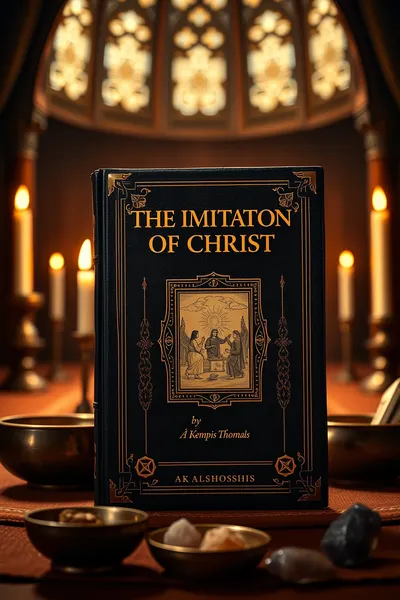
The Imitation of Christ

The Imitation of Christ

by Thomas, à Kempis

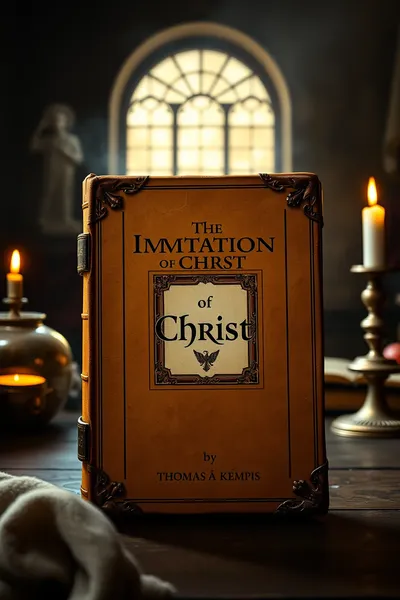
This edition of The Imitation of Christ, also by Thomas à Kempis, reiterates the enduring influence of this 15th-century spiritual classic. It guides readers toward a deeper, more personal relationship with God through practices like self-denial, meditation, and cultivating virtues. The book's timeless message about the 'kingdom within' and the pursuit of inner spiritual transformation offers a contemplative path that, while rooted in orthodox Christian piety, shares a common ground with the introspective journey advocated by the Gospel of Thomas.

Book of Judith

Book of Judith

by Unknown

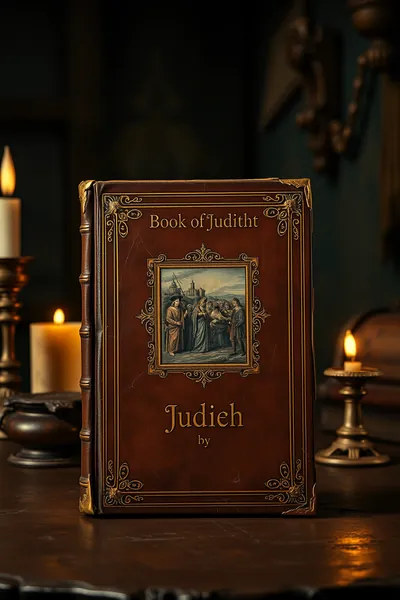
The Book of Judith is a deuterocanonical book, often included in the Apocrypha, narrating the heroic tale of Judith, a pious and beautiful widow who saves her people from the Assyrian army. She achieves this by seducing and then beheading the invading general Holofernes. This dramatic story, likely composed in the 2nd or 1st century BCE, is celebrated for its themes of faith, courage, and divine intervention, offering a stark contrast to the esoteric teachings of the Gospel of Thomas, yet highlighting the diverse forms of religious literature from antiquity.

The Apocrypha 1766

The Apocrypha 1766

by [Bible. Apocrypha. English. Authorised].

The Apocrypha 1766 is a historical edition of the biblical Apocrypha, published in the specified year. This volume, attributed to [Bible. Apocrypha. English. Authorised]., contains books that were often included in early English Bibles but later separated from the canonical Old and New Testaments. Its significance lies in preserving these texts, such as Tobit and Wisdom of Solomon, which offer valuable insights into the religious and cultural landscape of the ancient world, providing crucial context for understanding the development of early Christian thought alongside texts like the Gospel of Thomas.

The Imitation of Christ

The Imitation of Christ

by à Kempis Thomas

The Imitation of Christ by Thomas à Kempis is one of the most widely read Christian devotionals, penned in the early 15th century. This profound spiritual guide emphasizes humility, inner peace, and following the example of Jesus Christ through personal piety and detachment from worldly desires. Its focus on the inner spiritual life and direct relationship with the divine resonates with themes found in the Gospel of Thomas, despite their different historical and theological contexts, making it a powerful text for contemplative practice.

Esoteric Library
Browse Esoteric Library
📚 All 55,000+ Books 🜍 Alchemy & Hermeticism 🔮 Magic & Ritual 🌙 Witchcraft & Paganism Astrology & Cosmology 🃏 Divination & Tarot 📜 Occult Philosophy ✡️ Kabbalah & Jewish Mysticism 🕉️ Mysticism & Contemplation 🕊️ Theosophy & Anthroposophy 🏛️ Freemasonry & Secret Societies 👻 Spiritualism & Afterlife 📖 Sacred Texts & Gnosticism 👁️ Supernatural & Occult Fiction 🧘 Spiritual Development 📚 Esoteric History & Biography
Esoteric Library
📑 Collections 📤 Upload Your Book
Account
🔑 Sign In Create Account
Info
About Esoteric Library