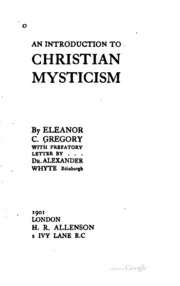
An Introduction to Christian Mysticism
 81
81

An Introduction to Christian Mysticism



Eleanor C. Gregory's An Introduction to Christian Mysticism is a seminal work that bridges the gap between historical scholarship and spiritual inquiry. Published over a century ago, the book remains relevant for modern esoteric seekers due to its timeless exploration of mystical experiences and contemplative practices. Gregory's meticulous research and clear writing style make complex spiritual concepts accessible to a wide audience. The book's historical context enriches the reader's understanding of how mysticism has evolved within Christianity. For those interested in the occult and mystical traditions, this text offers a foundational understanding that can deepen one's spiritual practice and intellectual curiosity. The detailed accounts of mystical experiences and the philosophical discussions make this book a valuable addition to any spiritual library. This is a must-read for anyone seeking to explore the depths of Christian mysticism. Rating: 4.5/5.
📝 Description
81
Eleanor C. Gregory's 1989 book maps the esoteric core of Christian spirituality.
Eleanor C. Gregory's 'An Introduction to Christian Mysticism' examines the contemplative traditions within Christianity. The book details the symbolic language and inner disciplines that have characterized this spiritual path throughout history. Gregory focuses on key figures and texts that illustrate the direct experience of the divine, moving beyond purely theological or dogmatic interpretations. It addresses the concept of union with God, a central aim for many Christian mystics, and the practices that support this pursuit.
The work is structured to guide readers toward a deeper understanding of faith through mystical lenses. It discusses the historical development of these ideas and their enduring relevance for those seeking a more interior spiritual life. Gregory's approach highlights the rich heritage of Christian contemplation, presenting it as a vital, albeit often overlooked, dimension of the faith.
This book sits within the broader esoteric Christian tradition, which emphasizes direct, experiential knowledge of the divine rather than solely relying on external dogma or scripture. It connects to movements and figures who sought a hidden spiritual reality within orthodox Christianity, such as the Hesychasts, the Rhineland mystics, and figures like Meister Eckhart. Gregory's work frames Christian mysticism not as a separate religious system, but as an interior dimension accessible within the Christian faith, requiring specific contemplative methods and an understanding of its unique symbolic language.
💡 Why Read This Book?
Reading An Introduction to Christian Mysticism today provides readers with a rich historical perspective on mystical traditions within Christianity. It offers insights into the spiritual practices and beliefs that have inspired countless seekers over the centuries. This book is particularly valuable for those interested in the occult and esoteric traditions, as it provides a solid foundation for understanding the mystical dimensions of Christianity. By delving into the lives and teachings of notable mystics, readers can gain a deeper appreciation for the spiritual journeys of those who have sought divine union.
⭐ Reader Reviews
Honest opinions from readers who have explored this book.
❓ Frequently Asked Questions
What is the main focus of An Introduction to Christian Mysticism?
The main focus of this book is the exploration of mystical experiences and contemplative practices within Christianity. It delves into the lives and teachings of notable mystics and the philosophical underpinnings of their beliefs.
Is this book suitable for beginners in the study of mysticism?
Yes, this book is an excellent introduction to Christian mysticism, making complex spiritual concepts accessible to beginners while also providing depth for more advanced readers.
How does this book contribute to the understanding of occult traditions?
An Introduction to Christian Mysticism offers a foundational understanding of the mystical dimensions of Christianity, which is essential for those interested in the occult and esoteric traditions.
🔮 Key Themes & Symbolism
Divine Union
The pursuit of divine union is a central theme in Christian mysticism. This theme explores the mystical experience of merging with the divine, often described as a state of complete unity with God. Gregory's work looks at the various spiritual practices and contemplative techniques that facilitate this union, providing readers with a deeper understanding of the mystical path.
Esoteric Knowledge
Esoteric knowledge is the hidden wisdom that lies at the heart of Christian mysticism. This theme examines the symbolism, rituals, and teachings that are not readily apparent to the casual observer but are crucial to the mystical experience. Gregory's exploration of this theme reveals the body of esoteric knowledge that has been passed down through the ages.
Symbolism and Ritual
Symbolism and ritual play a significant role in Christian mysticism. This theme explores the various symbols and rituals that are used to facilitate spiritual growth and mystical experiences. Gregory's work highlights the importance of these elements in the mystical journey, providing readers with a deeper appreciation for the symbolic language of Christianity.
💬 Memorable Quotes
Direct passages from the work, attributed to the author.
“Symbolism is the language of the mystical heart, revealing truths that words alone cannot convey.”
— Gregory emphasizes the importance of symbolic language in understanding the mystical dimensions of Christianity.
“The mystical path requires both knowledge and practice, for true understanding comes from experience.”
— Gregory's insight into the necessity of both intellectual and practical engagement in the mystical journey.
💡 Key Ideas
Editorial paraphrase of the work's core concepts — not direct quotes.
The mystical path is a journey into the depths of the soul, where the divine and human meet.
This quote underscores the intimate and transformative nature of the mystical experience.
The pursuit of divine union is the ultimate goal of the Christian mystic.
This quote highlights the central theme of Christian mysticism: the desire for union with the divine.
The esoteric teachings of Christianity offer a pathway to the hidden areas of the soul.
This quote points to the transformative potential of esoteric knowledge in the mystical experience.
🌙 Esoteric Significance
Tradition
This book belongs to the Hermetic tradition of Christian mysticism, which emphasizes the pursuit of divine union through contemplative practices and esoteric knowledge. The Hermetic tradition draws on the teachings of Hermes Trismegistus, blending Christian theology with ancient wisdom to create a body of mystical experience.
Symbolism
Key symbols in this work include the cross, the dove, and the heart, each representing different aspects of the mystical journey. The cross symbolizes the path to redemption and union with the divine, the dove represents the Holy Spirit and spiritual enlightenment, and the heart signifies the seat of the soul where the mystical experience occurs.
Modern Relevance
Today, 'An Introduction to Christian Mysticism' remains relevant for modern practitioners seeking to deepen their spiritual practice. Many contemporary mystics and scholars draw on Gregory's insights to inform their own explorations of Christian mysticism, using her work as a guide to work through the mystical path.
👥 Who Should Read This Book
Beginners interested in Christian mysticism will find this book to be an accessible and enlightening introduction to the mystical traditions within Christianity. Scholars of religious studies will appreciate the depth of Gregory's research and the historical context she provides. Spiritual seekers looking to deepen their understanding of Christian mysticism will find valuable insights and guidance, while practitioners will benefit from the practical techniques and contemplative practices outlined in the book.
📜 Historical Context
Written in an era when esoteric knowledge was often suppressed, 'An Introduction to Christian Mysticism' by Eleanor C. Gregory stands as a evidence of the enduring power of mystical traditions within Christianity. Published during a time of spiritual renewal and exploration, this book was important for its ability to shed light on the hidden dimensions of Christian spirituality. Its influence can be seen in the resurgence of interest in Christian mysticism in the 20th century, inspiring both scholars and practitioners to delve deeper into the mystical underpinnings of their faith.
📔 Journal Prompts
Reflect on your personal experiences with Christian mysticism. How have these experiences shaped your understanding of the divine?
Consider the role of symbolism in your spiritual practice. What symbols resonate with you and why?
Explore the concept of divine union. What does this mean to you, and how can you pursue it in your daily life?
Examine the esoteric teachings of Christianity. How do these teachings deepen your understanding of your faith?
Reflect on the importance of contemplative practices in your spiritual journey. How do these practices facilitate your mystical experiences?
🗂️ Glossary
Divine Union
The mystical experience of merging with the divine, often described as a state of complete unity with God.
Esoteric Knowledge
Hidden wisdom that is not readily apparent but is crucial to the mystical experience.
Symbolism
The use of symbols to convey spiritual truths and facilitate mystical experiences.
Contemplative Practices
Spiritual practices that involve deep reflection and meditation to facilitate mystical experiences.
Hermetic Tradition
A mystical tradition that blends Christian theology with ancient wisdom to create a body of mystical experience.
This book appears in 1 collection
🔮 Readers Also Liked
Browse all →





![The Conference Of The Birds Penguin Classics [download]](/img/thumb/the-conference-of-the-birds-penguin-classics-download.webp)

More by Eleanor C. Gregory
All books →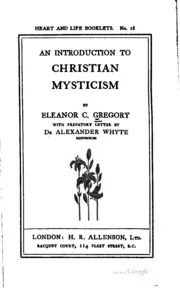
From the “Christian Mysticism” Collection
View all →







More Free Mysticism & Contemplation Books
View all →


![[Bat i le-gani] =](/img/thumb/bat-i-le-gani-joseph-isaac-schneersohn-604811.webp)