What is Islamic Mysticism?
Islamic mysticism, commonly known as Sufism (Tasawwuf), is the dimension of Islamic spirituality that seeks direct experience of God. It emphasizes purifying the heart, cultivating divine love, and achieving spiritual union through practices like dhikr (remembrance of God) and muraqaba (contemplation). While rooted in the Quran and Sunnah, Sufism developed distinct ethical and devotional disciplines, often organized into orders (tariqas) led by spiritual guides.
Best Books for Complete Beginners
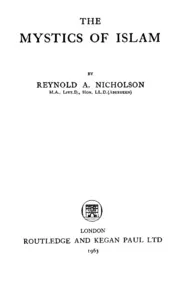
For those new to Islamic mysticism, 'What is Sufism' by Martin Lings offers a concise introduction to its essence and historical context. Reynold Alleyne Nicholson's 'The Mystics of Islam' provides an accessible overview of key figures and concepts. Robert Gilbert Vansittart's 'The Singing Caravan' presents a Sufi tale that illustrates core principles through narrative. Annemarie Schimmel's 'Mystical Dimensions Of Islam' serves as a comprehensive yet readable survey of the tradition's breadth and depth.
Intermediate Reading
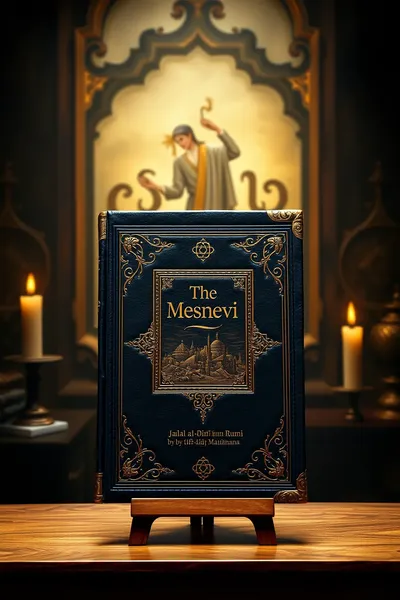
Students ready for more depth can engage with 'The Sufi Path Of Love' by William C. Chittick, which explores the spiritual teachings of Rumi. Jalal al-Din Rumi's own 'The Mesnevi' offers profound allegorical narratives. Claud Field's 'Mystics and Saints of Islam' provides biographical sketches of prominent figures, offering historical context. Sharaf al-Din Ahmad ibn Yahya Maniri's 'Letters from a Sûfî Teacher' offers direct guidance from a master.
Classical / Advanced Texts
Primary source material is essential for advanced study. 'The Kashf al-mahjúb: The oldest Persian treatise on Súfiism' by Hujviri, ‘Ali ibn ‘Usman, is a foundational text detailing early Sufi doctrine and practice. Ghazzali's 'The Confessions of Al Ghazzali' offers a crucial autobiographical account of his spiritual journey and intellectual struggles. Omar Khayyam's 'The Sufistic Quatrains of Omar Khayyam' presents poetic expressions of mystical themes.
Reading Order — Step by Step
Begin with foundational overviews like Martin Lings' 'What is Sufism' and Annemarie Schimmel's 'Mystical Dimensions Of Islam' in the first two weeks. Move to biographical works like Claud Field's 'Mystics and Saints of Islam' and introductory primary texts such as Ghazzali's 'The Confessions of Al Ghazzali' in Month 2. Dedicate Month 3 to engaging with Rumi's 'The Mesnevi' and Hujviri's 'The Kashf al-mahjúb', supplemented by Chittick's analysis in 'The Sufi Path Of Love'.
Frequently Asked Questions
Which Islamic mysticism book should I read first?
Start with Martin Lings' 'What is Sufism' for a concise introduction, or Annemarie Schimmel's 'Mystical Dimensions Of Islam' for a broader overview. These texts provide essential context before diving into primary sources.
What is the difference between Sufism and Islamic mysticism?
Sufism is the common English term for Islamic mysticism. It refers to the inner, spiritual dimension of Islam that focuses on direct experience of God, purification of the heart, and divine love.
Are Rumi's poems religious texts?
Rumi's poetry, found in works like 'The Mesnevi' and his Divan, is deeply rooted in Islamic theology and Sufi principles. While often enjoyed for their lyrical beauty, they convey profound spiritual and mystical teachings within an Islamic framework.
What are the main practices in Sufism?
Key practices include dhikr (remembrance of God, often through chanting), muraqaba (contemplation), spiritual retreats, and following the guidance of a shaykh. Fasting and prayer are also central, as in broader Islam.
Who was Al-Ghazali in Islamic mysticism?
Al-Ghazali was a highly influential 11th-12th century theologian, jurist, and mystic. His work 'The Confessions of Al Ghazzali' details his spiritual journey from intellectual doubt to mystical certainty, making him a key figure in integrating Sufism with orthodox Islam.
What is a Sufi order (tariqa)?
A tariqa is a Sufi order or path, a spiritual fraternity led by a master (shaykh or pir). Disciples follow specific teachings, practices, and lineages passed down through generations, aiming for spiritual development under guidance.