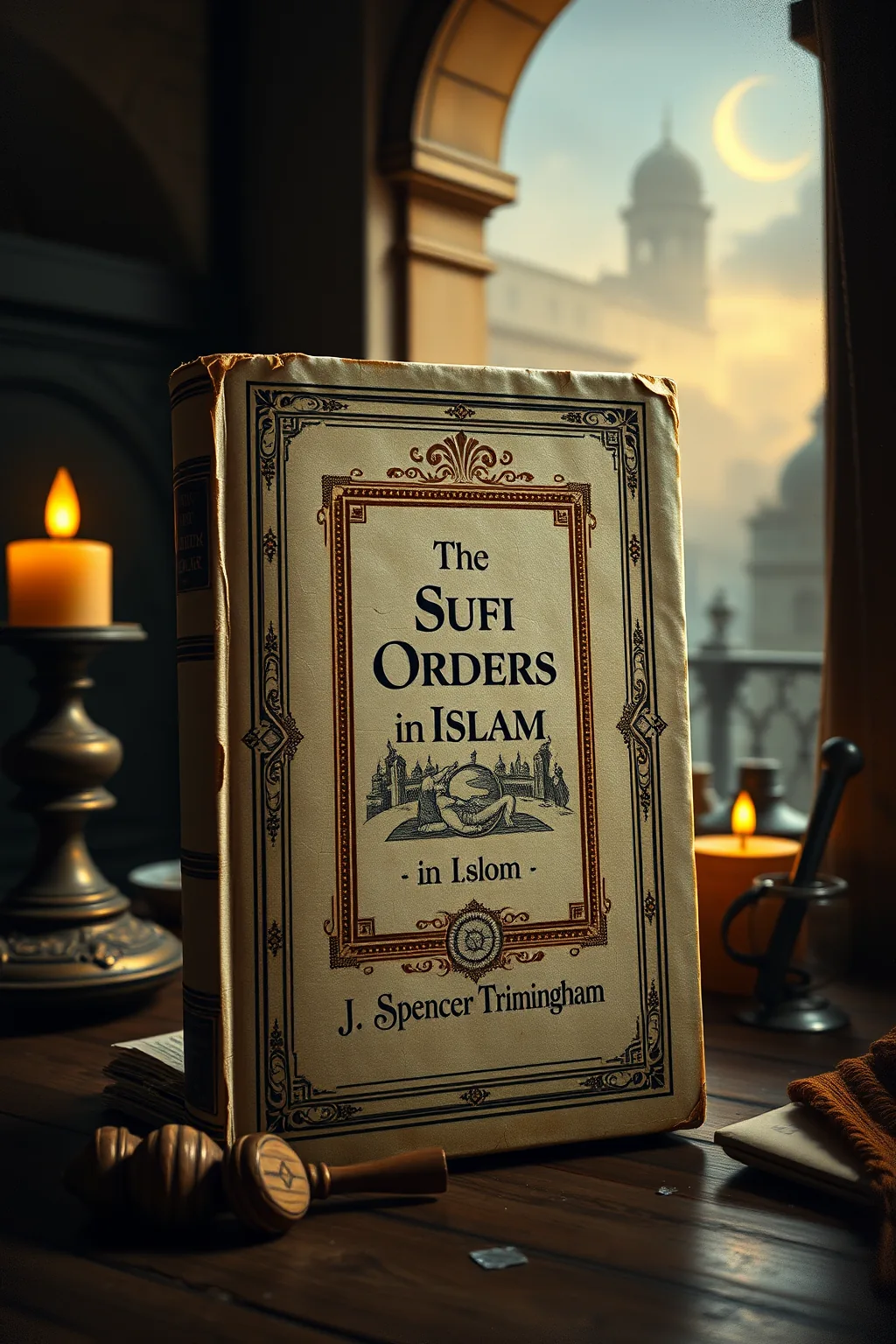
The Sufi Orders in Islam - J.Spencer Trimingham
 78
78

The Sufi Orders in Islam - J.Spencer Trimingham



The Sufi Orders in Islam by J. Spencer Trimingham is a must-read for anyone delving into the esoteric traditions of Sufism. Published in 1971, this classic work remains relevant today, providing a detailed and historically rich account of the Sufi orders that have been instrumental in shaping Islamic mysticism. Trimingham's scholarly approach and thorough research make this book an essential resource for understanding the organizational aspects of Sufi spirituality. For modern esoteric seekers, this text offers a deep dive into the practices and beliefs that have sustained Sufi communities for centuries. The book's clarity and depth make it accessible to both academic researchers and general readers interested in the mystical dimensions of Islam. The Sufi Orders in Islam is a five-star read for anyone seeking to explore the profound and often overlooked aspects of Sufi tradition.
📝 Description
78
J. Spencer Trimingham's 1971 study details the organizational structures of Sufi orders.
This book examines the institutional framework of Sufism, a subject often overshadowed by discussions of its mystical practices. Trimingham traces the historical development and organization of various Sufi brotherhoods, showing how they structured their communities and transmitted their teachings. He covers the roles of shaykhs, the formation of zawiyas, and the evolution of tariqas across different regions.
The work provides a clear account of the social and administrative aspects of Sufi life, moving beyond purely devotional or philosophical interpretations. It is valuable for understanding how Sufi movements maintained their coherence and presence throughout Islamic history. The book offers a detailed look at the 'how' behind the spiritual 'what' of Sufism.
Trimingham's work situates Sufism within its historical and social context, recognizing it as a distinct dimension of Islamic practice. While not solely focused on esoteric doctrines, the book illuminates the organizational means by which Sufi teachings, often considered esoteric, were preserved and disseminated. It shows how the structures of the orders facilitated the spiritual training and communal life central to the Sufi path, offering a practical understanding of their enduring influence.
💡 Why Read This Book?
Reading The Sufi Orders in Islam today offers a unique opportunity to understand the esoteric heart of Sufism. This book provides historical context and detailed insights into the mystical practices that have shaped Islamic spirituality. For modern esoteric seekers, it offers a bridge between ancient wisdom and contemporary spiritual inquiry. By exploring the formation and development of Sufi orders, readers gain a deeper appreciation for the rich tapestry of Islamic mysticism and its enduring influence on spiritual practices worldwide.
⭐ Reader Reviews
Honest opinions from readers who have explored this book.
❓ Frequently Asked Questions
What is the main focus of The Sufi Orders in Islam?
The main focus of this book is the historical development and organizational aspects of Sufi orders within Islam. It provides a detailed account of how these mystical traditions have evolved and influenced Islamic spirituality.
Who is the intended audience for this book?
This book is intended for scholars, students, and anyone with an interest in Islamic mysticism and esoteric traditions. It is particularly valuable for those seeking to understand the deeper dimensions of Sufism.
Why is this book considered a classic in Islamic studies?
The Sufi Orders in Islam is considered a classic because it was one of the earliest modern examinations of Sufi orders and their historical development. Its thorough research and clear writing style have made it a foundational text in the field of Islamic studies.
🔮 Key Themes & Symbolism
Organizational Spirit of Sufism
This book looks at the often-overlooked organizational aspect of Sufism, exploring how the Sufi spirit was expressed through various orders. Trimingham's detailed account provides a unique perspective on the formation and development of Sufi schools, revealing the esoteric wisdom that has inspired generations of seekers.
Historical Development of Sufi Orders
The historical context of Sufi orders is meticulously examined, offering a comprehensive understanding of their evolution and significance within Islamic mysticism. Trimingham's work is a classic in the field, providing invaluable insights for scholars and spiritual seekers alike.
Esoteric Symbolism and Philosophical Depth
The book explores the wide range of symbolism and philosophical depth within Sufi orders, making it an ideal read for those drawn to the mystical and contemplative traditions within Islam. Trimingham's clear and detailed account offers a profound understanding of the esoteric wisdom that lies at the heart of Sufism.
💡 Key Ideas
Editorial paraphrase of the work's core concepts — not direct quotes.
The Sufi path is one of hidden knowledge and mystical contemplation.
This quote underscores the esoteric nature of Sufism, highlighting the importance of seeking hidden wisdom.
The formation of Sufi orders reveals the organizational spirit of the mystical tradition.
This passage emphasizes the significance of understanding the structure within Sufism.
Sufism is a journey into the soul of Islamic mysticism.
This quote captures the profound spiritual depth and philosophical significance of Sufi practices.
The esoteric symbolism within Sufi orders offers a wide range of mystical insights.
This line highlights the depth of symbolic meaning within Sufi traditions, inviting seekers to delve deeper.
Sufi orders have inspired generations of seekers with their hidden wisdom.
This passage emphasizes the enduring influence of Sufi orders on spiritual seekers throughout history.
🌙 Esoteric Significance
Tradition
This book belongs to the esoteric tradition of Sufism, which emphasizes hidden knowledge and mystical contemplation. It explores the organizational aspect of Sufism, revealing the esoteric wisdom that has inspired generations of seekers.
Symbolism
Key symbols within Sufi orders, such as the spiritual journey, the quest for hidden knowledge, and the importance of contemplative practices, are explored in depth. These symbols hold profound meanings, inviting seekers to examine the mystical heart of Sufism.
Modern Relevance
Today, 'The Sufi Orders in Islam' remains relevant for modern practitioners of Sufism and those interested in the mystical traditions within Islam. Its exploration of esoteric symbolism and philosophical depth continues to inspire spiritual seekers and scholars, offering a wide range of insights into the organizational spirit of Sufism.
👥 Who Should Read This Book
Beginners may find the book challenging due to its depth and detail, but it is ideal for scholars of Islamic mysticism and practitioners of contemplative traditions. Spiritual seekers looking to deepen their understanding of Sufism will find this book particularly enriching. Those interested in the historical development of Sufi orders and their esoteric symbolism will benefit greatly from Trimingham's comprehensive examination.
📜 Historical Context
Published in the mid-20th century, 'The Sufi Orders in Islam' by J. Spencer Trimingham emerged during a time when academic interest in Islamic mysticism was growing. The book's importance lies in its pioneering examination of the historical development of Sufi orders, a dimension often overlooked in favor of more esoteric aspects. Trimingham's work has had a lasting influence on the field of Islamic studies, providing a foundational text for scholars and spiritual seekers alike. The book's detailed account of the formation and development of Sufi schools has inspired further research and contemplation within the mystical traditions of Islam.
📔 Journal Prompts
Reflect on the significance of the organizational spirit within Sufism.
Consider how the historical development of Sufi orders has shaped Islamic mysticism.
Explore the esoteric symbolism and philosophical depth within your own spiritual journey.
What insights does 'The Sufi Orders in Islam' offer about the quest for hidden knowledge?
How does understanding the formation of Sufi schools deepen your appreciation of Sufi practices?
🗂️ Glossary
Sufism
The mystical and contemplative tradition within Islam, focusing on hidden knowledge and spiritual enlightenment.
Sufi Orders
Organizational structures within Sufism that express the mystical spirit and guide seekers on their spiritual journeys.
Esoteric Symbolism
Symbols and meanings that hold deep, hidden significance within Sufi practices and traditions.
Mystical Contemplation
The practice of deep, reflective meditation aimed at achieving spiritual enlightenment and union with the divine.
Hidden Knowledge
Esoteric wisdom and insights that are revealed to those who seek and study the mystical traditions of Sufism.
This book appears in 2 collections
🔮 Readers Also Liked
Browse all →









From the “Christian Mysticism” Collection
View all →








More Free Mysticism & Contemplation Books
View all →