What is Satori?
Satori, a Japanese Buddhist term, refers to a sudden flash of insight or enlightenment, a direct experience of ultimate reality that transcends conceptual thought. It is not a permanent state but a profound realization that can occur spontaneously or through dedicated practice. This awakening offers a glimpse into the true nature of existence, often described as a moment of deep understanding and liberation from ordinary perception.
Best Books for Complete Beginners
For those new to the concept of Satori and higher consciousness, starting with foundational texts is essential. Arthur Conan Doyle's 'The Vital Message' offers an accessible introduction to spiritual phenomena. Felix Adler's 'The Essentials of Spirituality' provides a moral and ethical framework for spiritual development. Elizabeth Stuart Phelps' 'The Gates Between' explores the transition between life and death, touching on altered states of awareness. Morrison Heady's 'The Red Moccasins' offers a narrative approach to spiritual awakening. These works aim to build a basic understanding of concepts related to consciousness expansion.
Intermediate Reading
Building on foundational knowledge, intermediate texts delve deeper into esoteric principles and practices. Manly P. Hall's 'The Initiates of the Flame' explores ancient mystery schools and their teachings on spiritual development. Rudolf Steiner's 'The Way of Initiation' details specific paths and challenges in attaining higher knowledge. F. Lamplugh's 'The Gnôsis of the Light' examines Gnostic traditions and their emphasis on inner knowing. Alexander J. McIvor-Tyndall's 'Cosmic Consciousness: The Man-God Whom We Await' discusses the evolution of consciousness towards a universal understanding.
Classical / Advanced Texts
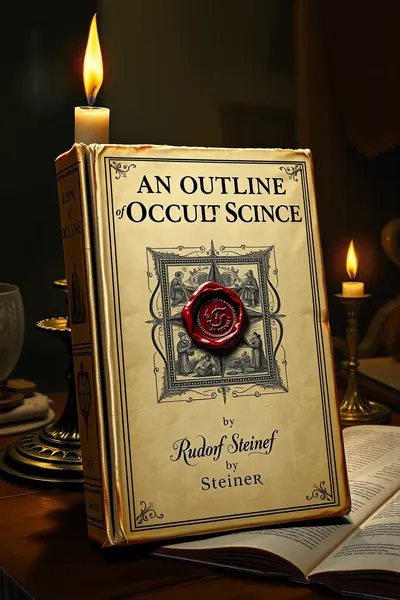
Advanced study involves engaging with primary sources and complex philosophical systems. Jakob Böhme's 'Dialogues on the Supersensual Life' presents profound mystical philosophy through direct discourse. Rudolf Steiner's 'An Outline of Occult Science' provides a comprehensive overview of his spiritual scientific cosmology. Evelyn Underhill's 'Mysticism: Study in Nature and Development of Spiritual Consciousness' (1911) offers a scholarly examination of mystical experiences across traditions. These texts require focused attention and a willingness to grapple with intricate metaphysical concepts.
Reading Order — Step by Step
Begin your journey with accessible introductions like Arthur Conan Doyle's 'The Vital Message' and Felix Adler's 'The Essentials of Spirituality' during the first two weeks. In Month 2, transition to intermediate works such as Manly P. Hall's 'The Initiates of the Flame' and Rudolf Steiner's 'The Way of Initiation' to deepen your understanding of esoteric paths. By Month 3, engage with more complex texts like Jakob Böhme's 'Dialogues on the Supersensual Life' and Evelyn Underhill's 'Mysticism' for advanced contemplation. Continue with Steiner's 'An Outline of Occult Science' and other primary sources as your comprehension grows.
Frequently Asked Questions
Which book should I read first to understand Satori?
Start with 'The Vital Message' by Arthur Conan Doyle for an accessible introduction to spiritual concepts, or 'The Essentials of Spirituality' by Felix Adler for a foundational ethical framework.
Is Satori a permanent state?
Satori is typically understood as a sudden, often temporary, flash of insight or enlightenment, not a permanently fixed state. It's a glimpse into a deeper reality.
What is the difference between Satori and enlightenment?
While often used interchangeably, Satori specifically refers to a sudden, intuitive awakening experience, particularly in Zen Buddhism. Enlightenment is a broader term for profound spiritual realization and liberation.
Are there practical exercises for achieving Satori?
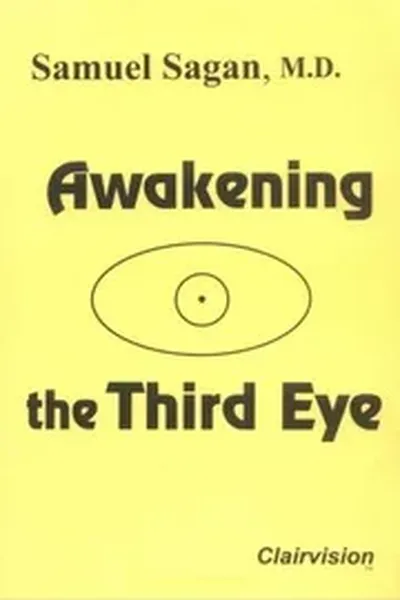
Many texts, like Rudolf Steiner's 'The Way of Initiation' or 'awakening_the_third_eye,' discuss practices aimed at developing inner awareness and consciousness, which can lead to clear insights.
What is the role of a 'supersensual life' in achieving Satori?
A 'supersensual life,' as discussed by Jakob Böhme, involves developing perception beyond the physical senses. This expanded awareness is crucial for experiencing realities beyond the ordinary, potentially leading to Satori.
How does occult science relate to Satori?
Occult science, as explored in texts like Steiner's 'An Outline of Occult Science,' investigates hidden universal laws and spiritual realities. Understanding these can provide a framework for comprehending the nature of Satori experiences.
Can beginners benefit from advanced texts like Jakob Böhme?
While challenging, engaging with advanced texts like Böhme's 'Dialogues on the Supersensual Life' can offer profound philosophical depth. It's recommended after building a foundational understanding from introductory works.