What are Ancient Mysteries?
Ancient mysteries refer to secret religious rites and teachings practiced in the pre-Christian and early Christian eras, particularly within Greco-Roman cultures. These cults, such as the Eleusinian or Mithraic mysteries, involved initiations and symbolic rituals intended to impart spiritual knowledge and a deeper understanding of the cosmos and human existence. Participants underwent trials and received esoteric doctrines not accessible to the general public, often promising personal transformation or a better afterlife. The study of these traditions involves analyzing surviving texts, archaeological evidence, and later esoteric interpretations.
Best Books for Complete Beginners
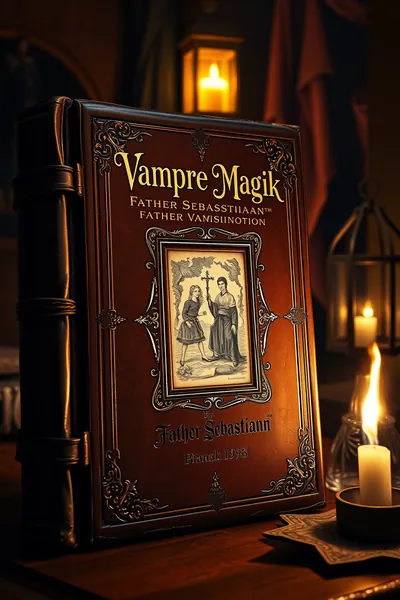
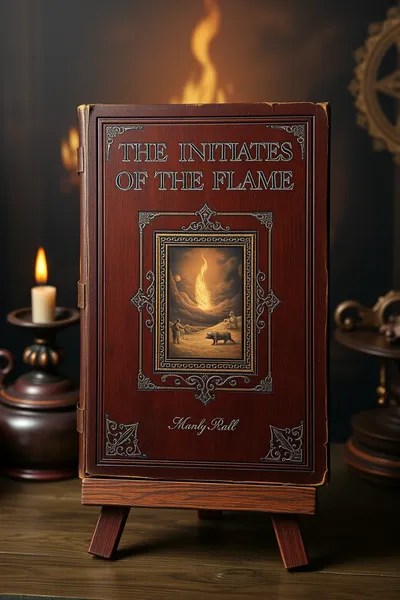
For those new to ancient mysteries, starting with accessible overviews is recommended. Manly P. Hall's 'The Initiates of the Flame' offers a broad introduction to historical figures and esoteric concepts. William Hone's 'Ancient Mysteries Described' (1823) provides historical context for early Christian and pagan traditions. 'Five Years of Theosophy' presents early theosophical perspectives on ancient doctrines. Alan Chapman's 'Advanced Magick for Beginners' offers a modern, practical entry point into ritualistic practices often linked to ancient traditions, while 'Vampyre Magick' by Father Sebastiaan explores a specific lineage of occult practice.
Intermediate Reading
Moving beyond introductions, intermediate readers can engage with more detailed explorations. Rudolf Steiner's 'The Way of Initiation; or, How to Attain Knowledge of the Higher Worlds' examines the process of spiritual development. Herbert Silberer's 'Hidden Symbolism of Alchemy and the Occult Arts' provides a scholarly look at alchemical symbolism. John King Mrs. Van Rensselaer's 'Prophetical, Educational and Playing Cards' explores divination systems with ancient roots. Steven Ashe's 'The Complete Golden Dawn Initiate' (2007) details a modern magical order with links to older traditions.
Classical / Advanced Texts
Advanced study involves primary sources and in-depth examinations of specific traditions. Rudolf Steiner's 'Christianity as Mystical Fact, and the Mysteries of Antiquity' presents his unique interpretation of early Christian mysteries. J.M. Ragon's 'Maçonnerie Occulte' (1853) offers historical insights into occult Freemasonry. James Morgan Pryse's 'The Apocalypse unsealed' provides an esoteric interpretation of biblical texts. Stephen Skinner's 'The Complete Magicians Tables' (2007) is a comprehensive reference for magical correspondences and systems.
Reading Order — Step by Step
Begin with foundational concepts by reading Manly P. Hall's 'The Initiates of the Flame' and William Hone's 'Ancient Mysteries Described' in the first two weeks. During months two and three, examine Herbert Silberer's 'Hidden Symbolism of Alchemy and the Occult Arts' and Rudolf Steiner's 'Christianity as Mystical Fact, and the Mysteries of Antiquity'. For advanced study, dedicate month four to J.M. Ragon's 'Maçonnerie Occulte' and James Morgan Pryse's 'The Apocalypse unsealed', followed by Stephen Skinner's 'The Complete Magicians Tables' in month five for reference.
Frequently Asked Questions
Which ancient mysteries book should I read first?
For beginners, Manly P. Hall's 'The Initiates of the Flame' is a good starting point. It offers a broad overview of historical esoteric figures and concepts without requiring prior knowledge.
What is the difference between ancient mysteries and modern occultism?
Ancient mysteries were specific, often secret, religious cults in antiquity focused on initiation rites. Modern occultism is a broader term encompassing various esoteric practices and beliefs, some drawing inspiration from ancient traditions.
Are books on alchemy relevant to ancient mysteries?
Yes, alchemy is deeply intertwined with many ancient mystery traditions. Herbert Silberer's 'Hidden Symbolism of Alchemy and the Occult Arts' explores this connection, showing how alchemical symbolism often reflects spiritual and initiatory processes.
What role did initiation play in ancient mystery traditions?
Initiation was central, involving a series of rituals and teachings designed to transform the candidate spiritually and impart secret knowledge about the cosmos and divine realms.
How can I understand the symbolism in these texts?
Start with books that focus on symbolism, like Silberer's work, and cross-reference with texts that explain foundational concepts, such as those by Manly P. Hall or Rudolf Steiner.
Are there practical applications for studying ancient mysteries today?
Many modern esoteric practices, including ceremonial magic and meditation techniques, are derived from or inspired by ancient mystery traditions. Books like 'Advanced Magick for Beginners' offer practical entry points.