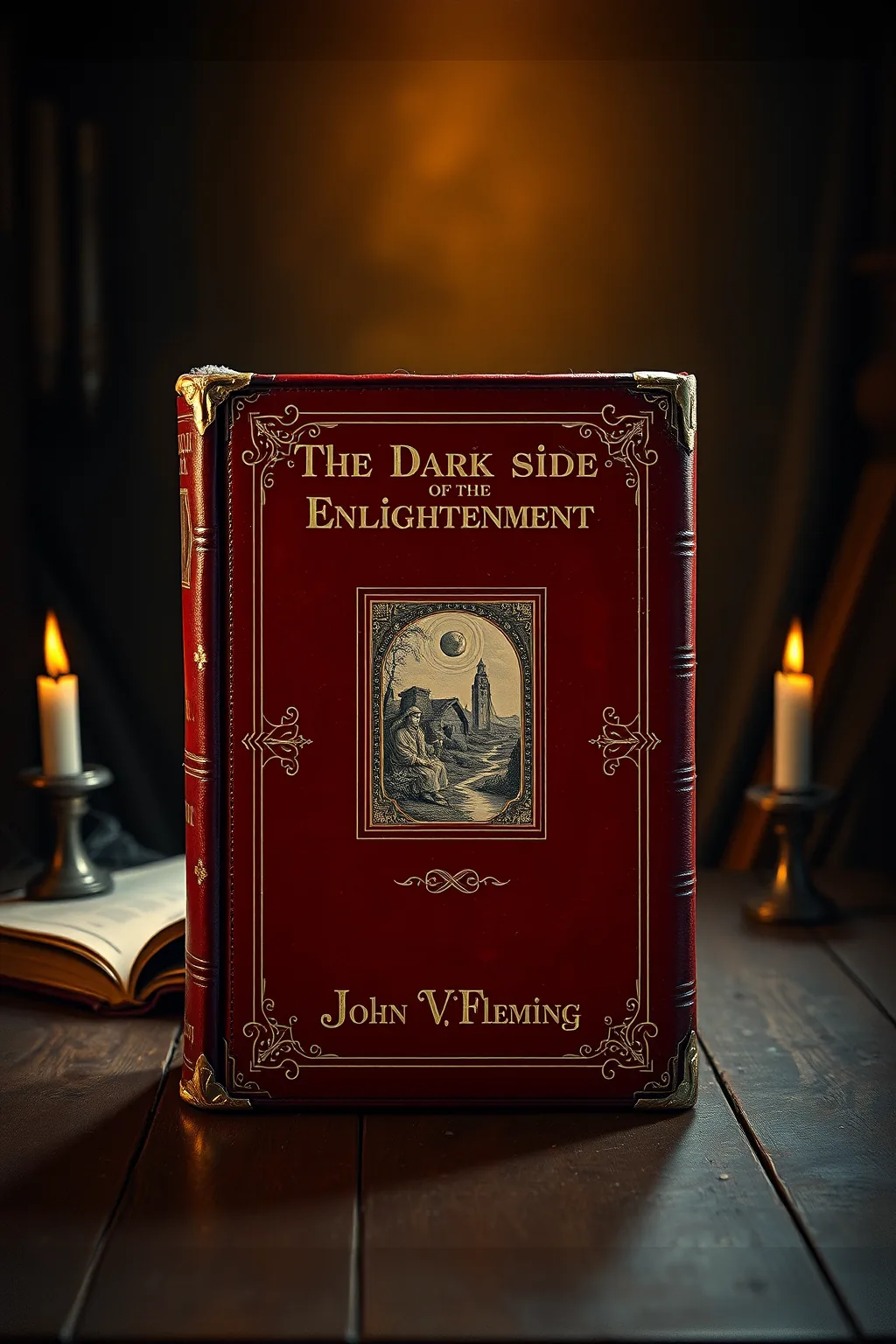
The dark side of the enlightenment
 67
67

The dark side of the enlightenment



Review by Cassian Rothmann (Senior Critic, Ancient Wisdom) — John V. Fleming's The Dark Side of the Enlightenment is a masterful examination of the occult undercurrents that flowed beneath the surface of the Enlightenment. Fleming's esoteric insights are both illuminating and thought-provoking, shedding light on the enduring influence of Rosicrucianism, Freemasonry, and alchemy. This book is a treasure trove for scholars and practitioners of the occult, offering a deep dive into the hidden knowledge that shaped the era. Fleming's meticulous research and evocative prose make this a must-read for anyone interested in the mystical side of history.
📝 Description
67
John V. Fleming's 1994 book examines how the Age of Reason embraced both rationality and the occult.
In "The Dark Side of the Enlightenment," John V. Fleming investigates the paradoxical coexistence of rational inquiry and occult fascination during the Age of Reason. The book details how Enlightenment thinkers and movements engaged with esoteric traditions like Rosicrucianism, Freemasonry, and alchemy, despite the era's emphasis on empirical knowledge. Fleming shows that the pursuit of scientific understanding did not entirely eclipse a continued interest in hidden knowledge and mystical practices.
Fleming analyzes the symbolic language and philosophical ideas that connected these seemingly disparate worlds. He reveals how the desire for order and reason was often intertwined with a search for deeper, more mysterious truths. The work traces the threads of magic, mysticism, and the supernatural through a period usually defined by its break from tradition. It illustrates that the Enlightenment was not a simple rejection of the past but a complex dialogue with it, incorporating elements that challenged its own principles.
This book places the Age of Reason within a broader history of esoteric traditions, demonstrating how movements like Rosicrucianism and Freemasonry were not relics of the past but active intellectual currents. Fleming shows that alchemical philosophy, often dismissed as primitive, continued to inform the thinking of figures associated with the Enlightenment's intellectual project. It highlights a continuous thread of hermeticism and mystical inquiry that ran beneath the surface of rationalism, connecting the Renaissance to later occult revivals.
💡 Why Read This Book?
Read The Dark Side of the Enlightenment to uncover the hidden esoteric currents that influenced the Enlightenment. This book is ideal for seekers of hidden knowledge, scholars of occult history, and practitioners looking to understand the philosophical significance of the era's darker pursuits. Fleming's exploration of symbolism and mysticism offers a unique perspective on the intersection of reason and mystery, making it a valuable addition to any esoteric library.
⭐ Reader Reviews
Honest opinions from readers who have explored this book.
❓ Frequently Asked Questions
What is the main focus of The Dark Side of the Enlightenment?
The book explores how the Enlightenment's rational pursuits coexisted with a fascination for the occult and esoteric knowledge, focusing on topics like Rosicrucianism, Freemasonry, and alchemy.
Who is the intended audience for this book?
This book is aimed at scholars of esoteric history, spiritual seekers, and practitioners of the occult who are interested in the hidden knowledge and symbolism of the Enlightenment era.
What makes this book unique?
Fleming's unique approach combines historical research with a deep understanding of esoteric traditions, offering a fresh perspective on the Enlightenment's darker pursuits.
Is this book suitable for beginners?
While it provides valuable insights, beginners might find some of the esoteric concepts challenging without prior knowledge of the subject matter.
Does the book include any practical applications?
The book is more focused on historical and philosophical exploration rather than practical applications, making it a valuable resource for understanding the esoteric underpinnings of the Enlightenment.
🔮 Key Themes & Symbolism
The Miraculous and the Occult
Fleming looks at the enduring fascination with the miraculous and occult during the Enlightenment, exploring how these beliefs persisted despite the era's emphasis on rationality. This theme highlights the tension between scientific progress and the allure of hidden knowledge, providing a rich context for understanding the era's esoteric undercurrents.
Rosicrucianism and Freemasonry
The book examines the roles of Rosicrucianism and Freemasonry in the Enlightenment, revealing how these secret societies influenced the era's intellectual and spiritual landscape. Fleming's exploration of these themes offers insights into the esoteric traditions that shaped the Enlightenment, making this a valuable resource for practitioners and scholars alike.
Alchemy and Symbolism
Fleming's discussion of alchemy and symbolism provides a deep dive into the esoteric practices that captivated the minds of Enlightenment thinkers. This theme explores the philosophical and spiritual significance of alchemical pursuits, offering a unique perspective on the intersection of science and mysticism during this transformative era.
💬 Memorable Quotes
Direct passages from the work, attributed to the author.
“Alchemy was the bridge between the physical and the spiritual world.”
— Fleming's exploration of alchemy emphasizes its significance as a means of exploring the deeper mysteries of existence, blending science and mysticism.
💡 Key Ideas
Editorial paraphrase of the work's core concepts — not direct quotes.
The Enlightenment's quest for reason did not extinguish the flame of the miraculous.
This quote underscores the persistent fascination with the occult and esoteric knowledge during the Enlightenment, highlighting the tension between rational pursuits and mystical beliefs.
Rosicrucianism and Freemasonry were the secret guardians of ancient wisdom.
This passage reveals the influential roles of these secret societies in preserving and transmitting esoteric knowledge during the Enlightenment.
The symbolism of the occult offered a language of hidden meanings.
This quote highlights the importance of symbolism in esoteric traditions, providing a means of conveying complex ideas and hidden knowledge.
The Enlightenment's darker pursuits revealed the enduring allure of the mysterious.
This passage underscores the persistent fascination with the occult and esoteric knowledge, even amidst the era's rational pursuits.
🌙 Esoteric Significance
Tradition
This book belongs to the Hermetic and Rosicrucian traditions, exploring the esoteric knowledge and symbolism that shaped the Enlightenment. Fleming's work provides a deep dive into the hidden currents of the era, making it a valuable resource for practitioners and scholars of the occult.
Symbolism
Key symbols explored in the book include the Rosy Cross, the alchemical symbol of the philosopher's stone, and the Masonic symbols of the square and compass. These symbols represent the pursuit of hidden knowledge, spiritual transformation, and the quest for enlightenment.
Modern Relevance
The book's exploration of the occult and esoteric traditions of the Enlightenment remains relevant today, as modern practitioners continue to draw on these traditions for spiritual and intellectual insight. Fleming's work offers a valuable perspective on the enduring allure of hidden knowledge and symbolism.
👥 Who Should Read This Book
Beginners interested in the occult and esoteric traditions will find this book a challenging but rewarding introduction. Scholars of esoteric history will appreciate Fleming's meticulous research and insights. Spiritual seekers will benefit from the book's exploration of symbolism and hidden knowledge. Practitioners of the occult will find valuable historical context and philosophical depth in Fleming's work.
📜 Historical Context
The Dark Side of the Enlightenment was written during a time when the pursuit of rationality and scientific progress was at the forefront of intellectual discourse. However, Fleming's work reveals that this era was also marked by a persistent fascination with the occult and esoteric knowledge. The book's exploration of Rosicrucianism, Freemasonry, and alchemy provides a unique perspective on the hidden currents that influenced the Enlightenment, making it an essential read for understanding the era's complex intellectual landscape.
📔 Journal Prompts
How did the Enlightenment's pursuit of rationality coexist with a fascination for the occult?
What role did Rosicrucianism and Freemasonry play in the Enlightenment?
How did alchemy and symbolism influence the intellectual range of the era?
What can modern practitioners learn from the esoteric traditions of the Enlightenment?
How does Fleming's exploration of the dark side of the Enlightenment challenge our understanding of the era?
🗂️ Glossary
Rosicrucianism
A mystical and philosophical tradition that emerged in the early 17th century, emphasizing the pursuit of hidden knowledge and spiritual transformation.
Freemasonry
A fraternal organization with esoteric and symbolic roots, focusing on moral and philosophical development through ritual and symbolism.
Alchemy
An ancient philosophical and protoscientific tradition practiced in Europe, China, India, and the Arab world, aiming to purify, mature, and perfect certain objects.
Occult
Knowledge of the hidden or esoteric, often involving practices and beliefs that are considered mysterious or supernatural.
Enlightenment
An intellectual and philosophical movement that dominated Europe during the 17th and 18th centuries, emphasizing reason, science, and individualism.
This book appears in 4 collections
🔮 Readers Also Liked
Browse all →








More by John V. Fleming
All books →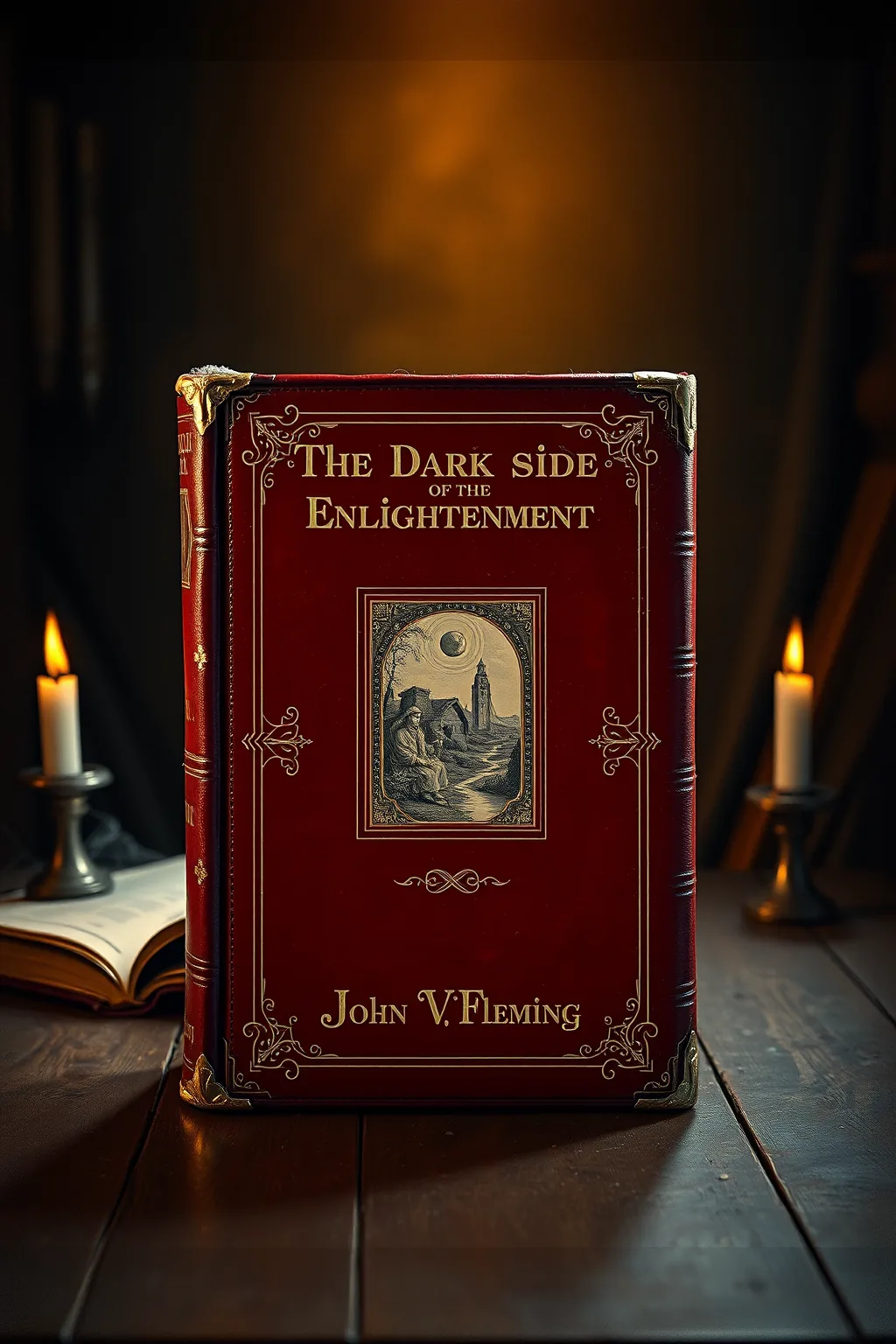
From the “Hermeticism” Collection
View all →






More Free Alchemy & Hermeticism Books
View all →