52,000+ Esoteric Books Free + Modern Compare Prices
Home Collections Remote Viewing
📖

Remote Viewing Books: A Comprehensive Reading List

Remote viewing literature traces the exploration of psychic perception and precognition from early speculative fiction to systematic investigations. Works like William Walker Atkinson's 'Clairvoyance and Occult Powers' and H. P. Blavatsky's 'Isis unveiled' explore the broader landscape of psychic phenomena, while later texts delve into specific methodologies. This guide offers a curated selection for those seeking to understand the theory and practice of remote viewing, from foundational concepts to advanced techniques.

Top Remote Viewing Books

25 Remote Viewing books
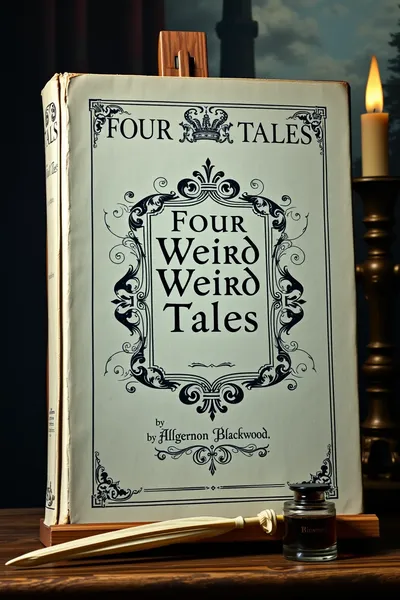
Four Weird Tales
📖
Four Weird Tales
Blackwood, Algernon
4.3
69
The Feather
📖
The Feather
Ford, Ford Madox
4.2
69
MUST READ
Witching Hill
📖
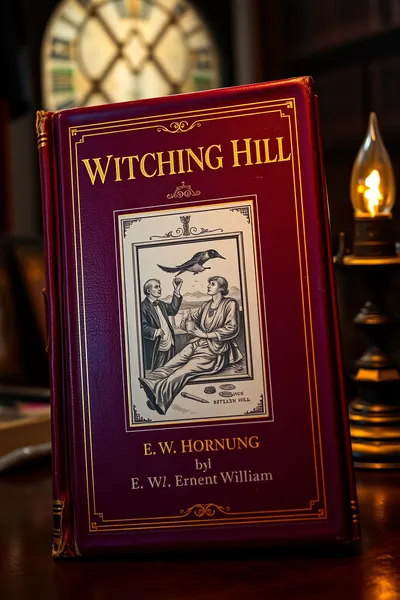
Witching Hill
Hornung, E. W. (Ernest William)
4.2
68
Skull-face
📖
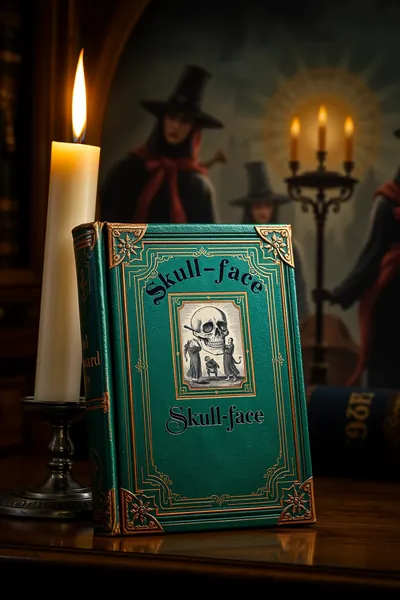
Skull-face
Howard, Robert E. (Robert Ervin)
4.2
69
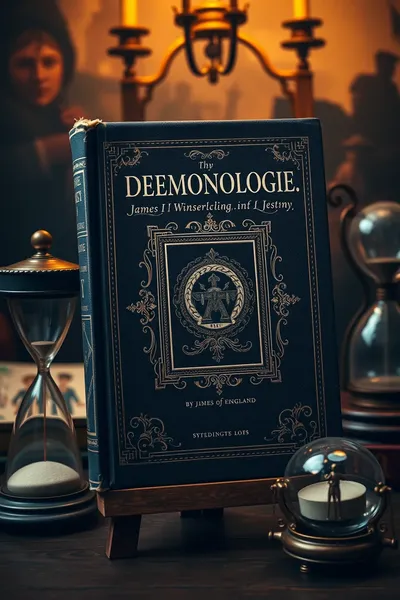
Daemonologie.
📖
Daemonologie.
James I, King of England
4.3
71
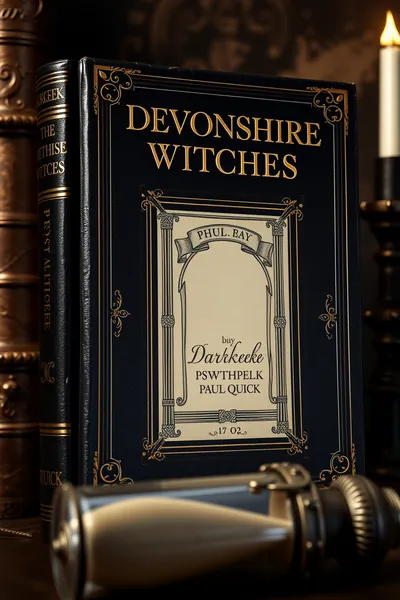
Devonshire Witches
📖
Devonshire Witches
Karkeek, Paul Q. (Paul Quick)
4.2
68
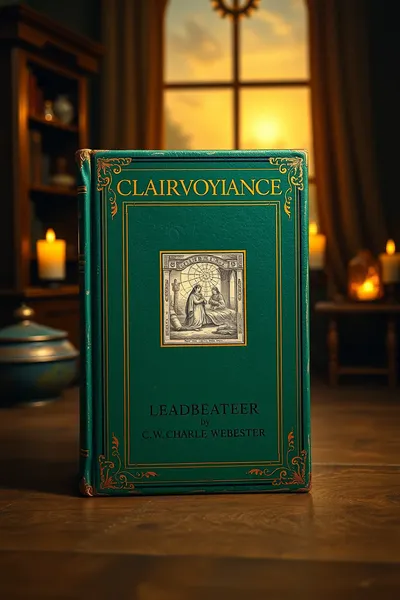
Clairvoyance
📖
Clairvoyance
Leadbeater, C. W. (Charles Webster)
4.3
69
SCHOLAR'S PICK
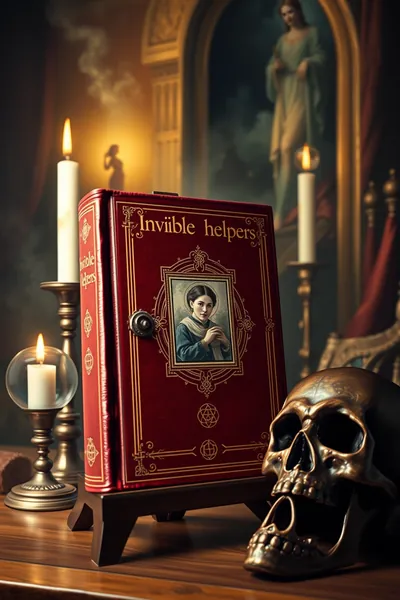
Invisible helpers
📖
Invisible helpers
Leadbeater, C. W. (Charles Webster)
4.2
69
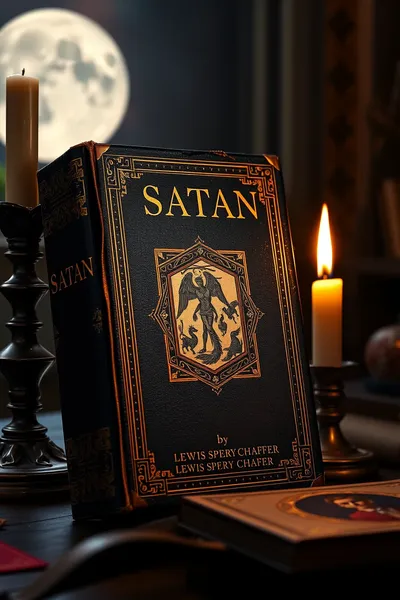
Satan
📖
Satan
Lewis Sperry Chafer
4.6
82
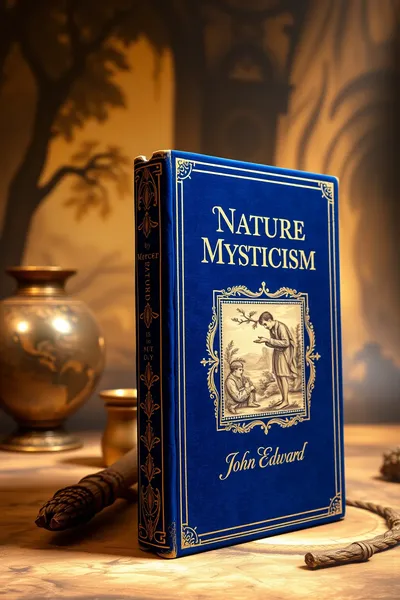
Nature Mysticism
📖
Nature Mysticism
Mercer, John Edward
4.3
69
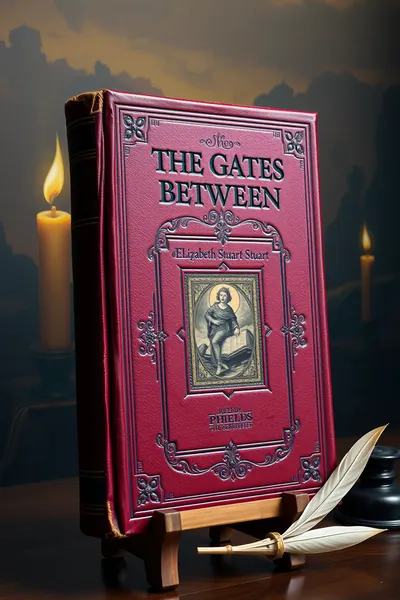
The Gates Between
📖
The Gates Between
Phelps, Elizabeth Stuart
4.2
69
TRENDING
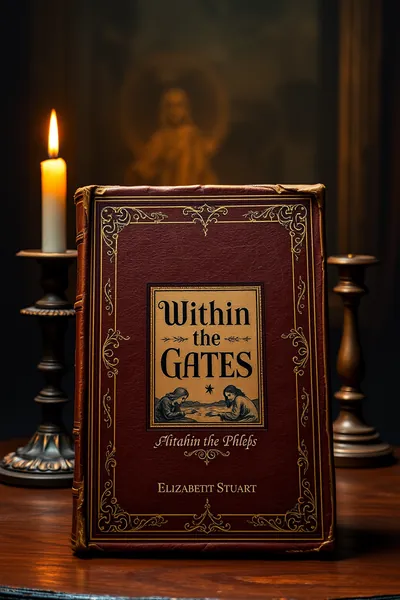
Within the Gates
📖
Within the Gates
Phelps, Elizabeth Stuart
4.2
68
❤️ HEARTBREAKER
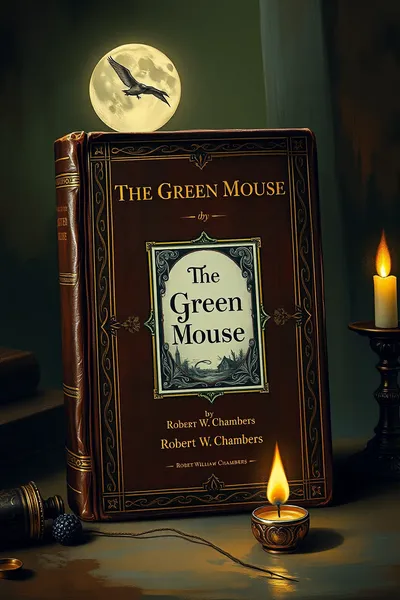
The Green Mouse
📖
The Green Mouse
Robert W. (Robert William) Chambers
4.4
75
MUST READ
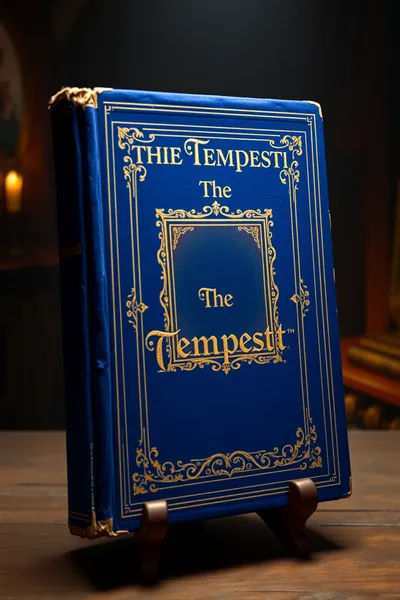
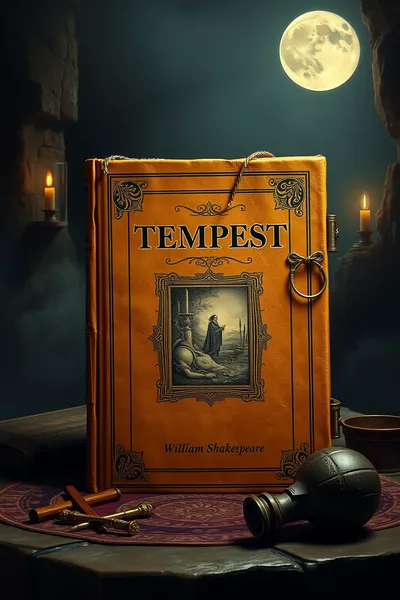
The Tempest
📖
The Tempest
Shakespeare, William
4.3
69
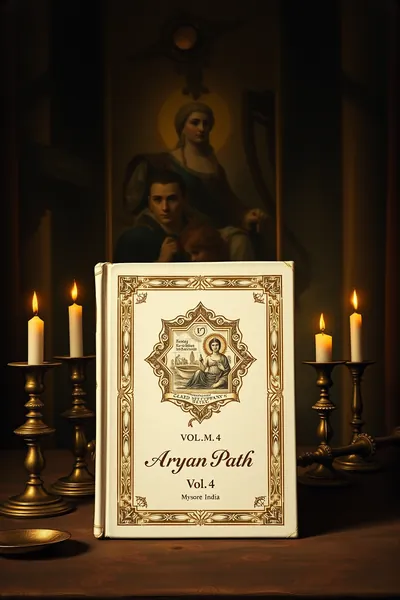
Aryan Path Vol. 4
📖
Aryan Path Vol. 4
Theosophy Company (Mysore) India
4.4
73

What is Remote Viewing?

Remote viewing refers to the purported psychic ability to perceive information about a distant or unseen target using extrasensory perception. This concept gained prominence through government-sponsored research programs, aiming to develop and understand these abilities. Proponents suggest it involves accessing a non-local consciousness or information field, allowing for the acquisition of data beyond the normal sensory channels. The practice often involves structured protocols to differentiate genuine psychic impressions from guesswork or analytical thinking.

Best Books for Complete Beginners

For those new to remote viewing, starting with accessible overviews is key. William Walker Atkinson's 'Clairvoyance and Occult Powers' provides a broad look at psychic abilities, laying groundwork for understanding perception beyond the physical. Algernon Blackwood's 'A Prisoner in Fairyland' offers a narrative exploration of imaginative perception and subtle realities, which can attune the reader to non-conventional awareness. Ethel Cook Eliot's 'The Little House in the Fairy Wood' similarly uses narrative to explore imaginative and intuitive connections, suitable for a gentle introduction to the concept of unseen information.

Intermediate Reading

Moving beyond introductory concepts, intermediate texts delve deeper into the mechanics and philosophy. Robert W. Chambers' 'The Green Mouse' explores themes of unseen forces and hidden influences, prompting thought on how subtle energies might operate. F. Marion Crawford's 'The Witch of Prague' presents a fictionalized account of psychic phenomena, touching on clairvoyance and psychic influence in a narrative format. Andrew Lang's 'The Making of Religion' examines the historical and anthropological roots of belief in psychic phenomena, offering context for the development of these ideas.

Classical / Advanced Texts

Advanced study requires engaging with foundational philosophical and esoteric texts that inform the broader context of consciousness and perception. H. P. Blavatsky's 'Isis unveiled' (Volumes 1 & 2) offers a comprehensive, albeit dense, exploration of occultism, ancient traditions, and the critique of materialistic science, providing a rich philosophical backdrop. The 'Kybalion' presents a distillation of Hermetic philosophy, dealing with universal laws that are often cited in discussions of consciousness and psychic phenomena. Reginald Scot's 'The Discoverie of Witchcraft' provides historical context on the suppression and investigation of alleged supernatural abilities.

Reading Order — Step by Step

Begin with accessible narratives that explore psychic perception and intuition. Weeks 1-2: Read Ethel Cook Eliot's 'The Little House in the Fairy Wood' and Algernon Blackwood's 'A Prisoner in Fairyland' to attune to imaginative perception. Month 2: Transition to William Walker Atkinson's 'Clairvoyance and Occult Powers' for a more direct exploration of psychic abilities. Month 3: Engage with F. Marion Crawford's 'The Witch of Prague' and Robert W. Chambers' 'The Green Mouse' for fictionalized explorations of psychic themes. Subsequently, explore Andrew Lang's 'The Making of Religion' for historical context. For advanced study, dedicate time to H. P. Blavatsky's 'Isis unveiled' and 'The Kybalion'.

Frequently Asked Questions

Which remote viewing book should I read first?

For a gentle introduction, start with 'The Little House in the Fairy Wood' by Ethel Cook Eliot or 'A Prisoner in Fairyland' by Algernon Blackwood. These narratives explore imaginative perception and subtle realities, preparing the mind for more direct explorations of psychic phenomena.

Are there books that explain the scientific basis for remote viewing?

While 'remote viewing' as a specific discipline is often discussed in later works, foundational texts like H.P. Blavatsky's 'Isis unveiled' critique materialistic science and explore alternative views of consciousness and reality that underpin such concepts.

What is the difference between clairvoyance and precognition?

Clairvoyance is the alleged ability to perceive information about distant or unseen objects or events in the present. Precognition is the purported ability to gain knowledge of future events before they occur.

How do historical texts on witchcraft relate to remote viewing?

Historical texts like Reginald Scot's 'The Discoverie of Witchcraft' document societal responses to claims of supernatural abilities. They provide context on how phenomena now explored in remote viewing were perceived and investigated in earlier eras.

Can fiction books help in understanding remote viewing?

Yes, fictional works like 'The Green Mouse' by Robert W. Chambers or 'The Witch of Prague' by F. Marion Crawford can explore themes of unseen forces, intuition, and psychic influence in a narrative format, making abstract concepts more accessible.

What is Hermetic philosophy in the context of psychic abilities?

Hermetic philosophy, as presented in 'The Kybalion,' posits universal laws governing existence, including principles related to mind, vibration, and correspondence. These are often seen as foundational to understanding how consciousness might interact with information beyond the physical senses.

Why Each Book Matters

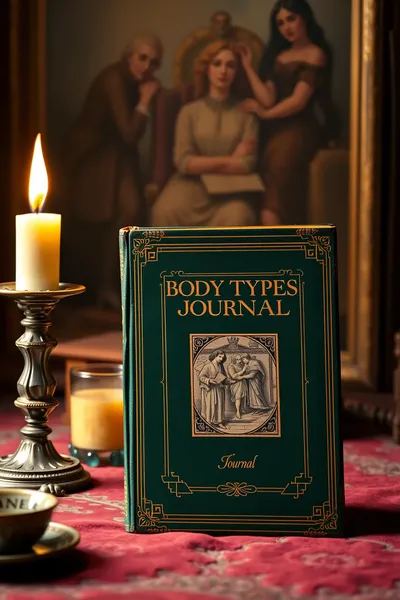
Body Types Journal

Body Types Journal

Body Types Journal by Unknown. This journal, despite its ambiguous title, might explore the subtle energies or temperaments that influence human perception and interaction, offering a tangential link to how individual constitution could impact psychic abilities like Remote Viewing.

Synagogue of Satan

Synagogue of Satan

Synagogue of Satan by Unknown. Such works often claim to reveal hidden conspiracies or unseen forces at play in the world, appealing to a desire to 'remotely' uncover secret knowledge and expose concealed truths, however speculative or controversial, reflecting a drive for hidden information.

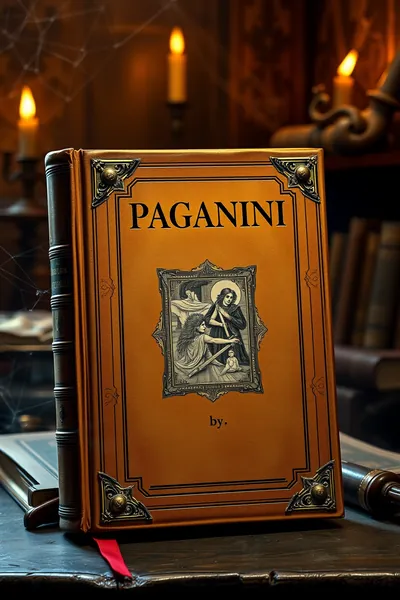
Paganini

Paganini

Likely a biography or fictionalized account of the legendary violinist, Niccolò Paganini. Paganini's almost supernatural talent was often attributed to pacts with unseen forces, reflecting a cultural belief in abilities transcending the mundane, a theme that resonates with the extraordinary claims of Remote Viewing.

Four Weird Tales

Four Weird Tales

by Blackwood, Algernon

A collection by Algernon Blackwood, a master of supernatural fiction. Blackwood's stories often evoke a profound sense of cosmic awe and dread, exploring altered states of consciousness and the perception of other dimensions, directly engaging with themes of expanded awareness pertinent to Remote Viewing.

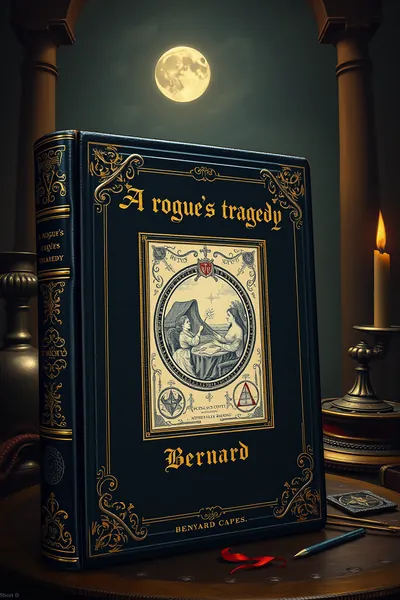
A rogue's tragedy

A rogue's tragedy

by Capes, Bernard

A rogue's tragedy by Bernard Capes is a historical novel of intrigue and deception. Bernard Capes's narrative often hinges on uncovering hidden truths and the protagonist's struggle to perceive the true nature of events, reflecting a human desire to 'remotely' understand complex situations beyond immediate observation.

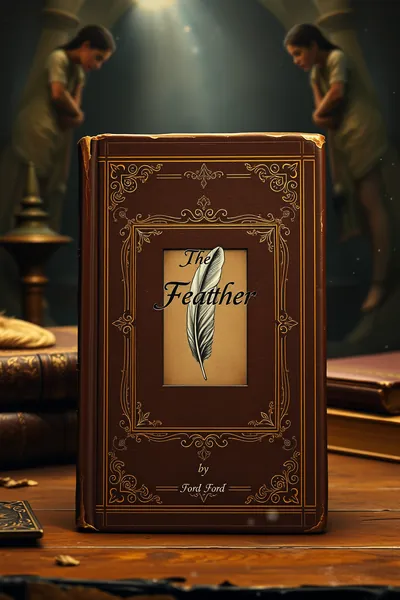
The Feather

The Feather

by Ford, Ford Madox

A novel by Ford, Ford Madox exploring complex interpersonal dynamics and hidden truths. Ford Madox Ford's narrative often requires the reader to discern unspoken motivations and underlying realities, a subtle form of 'remote perception' into human nature, akin to interpreting subtle cues in psychic work.

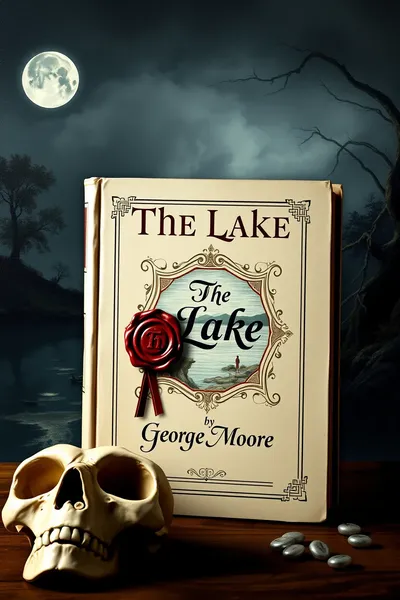
The Lake

The Lake

by George Moore

A novel by George Moore of emotional and spiritual awakening. While not directly about Remote Viewing, Moore's narrative explores inner landscapes and the subtle shifts in perception that lead to profound personal change, echoing the introspective journey often associated with psychic development.

Witching Hill

Witching Hill

by Hornung, E. W. (Ernest William)

A collection of tales by Hornung, E. W. (Ernest William) featuring supernatural occurrences. E. W. Hornung's stories often involve characters encountering inexplicable phenomena, challenging their perceptions of reality and hinting at unseen forces at play, much like the subtle information received in Remote Viewing sessions.

Skull-face

Skull-face

by Howard, Robert E. (Robert Ervin)

A pulp fiction tale by Howard, Robert E. (Robert Ervin) of ancient evil and adventure. Robert E. Howard's stories frequently involve characters confronting primordial forces or forgotten civilizations, requiring a form of intuitive or psychic perception to navigate their perilous worlds, much like discerning targets in Remote Viewing.

Mopsa the Fairy

Mopsa the Fairy

by Ingelow, Jean

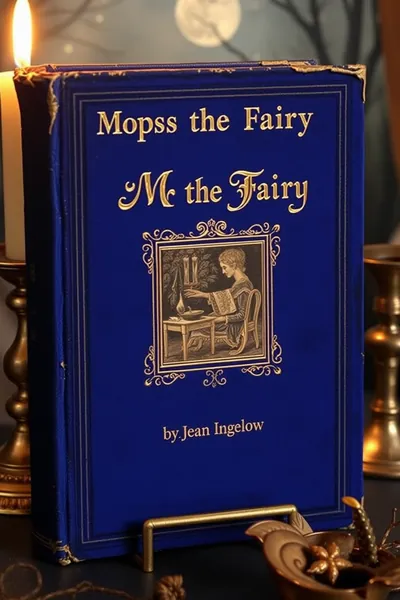
Mopsa the Fairy by Jean Ingelow is a children's fantasy novel about a boy who travels to fairyland. This enchanting tale from 1869 explores imaginative travel to other realms and perceiving magical beings, providing a metaphorical framework for understanding how consciousness might 'travel' to distant or unseen places, as in Remote Viewing.

Daemonologie.

Daemonologie.

by James I, King of England

A philosophical dissertation on witchcraft and demonology by James I, King of England. Published in 1597, King James I's work reflects a historical belief in unseen spiritual forces influencing the physical world, underscoring the ancient human fascination with perceiving and understanding hidden, non-physical realities, a precursor to Remote Viewing inquiries.

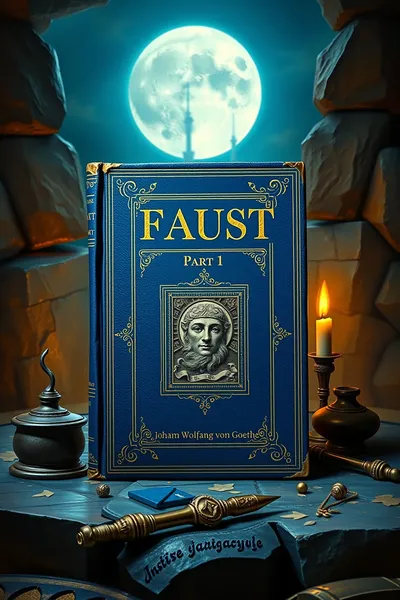
Faust — Part 1

Faust — Part 1

by Johann Wolfgang von Goethe

Goethe's epic drama, Faust — Part 1, depicts a scholar seeking ultimate knowledge and power. Faust's pact with Mephistopheles grants him access to hidden realms and forbidden insights, symbolizing the human desire to transcend ordinary perception and gain 'remote' knowledge of the universe.

Devonshire Witches

Devonshire Witches

by Karkeek, Paul Q. (Paul Quick)

Devonshire Witches by Karkeek, Paul Q. (Paul Quick) is a historical or folkloric account of witchcraft in Devonshire. Karkeek's work explores local beliefs in magical practices and individuals with extraordinary, often feared, abilities to influence events or perceive the unseen, reflecting a societal acknowledgment of 'remote' powers throughout history.

Clairvoyance

Clairvoyance

by Leadbeater, C. W. (Charles Webster)

A seminal work in Theosophy by Leadbeater, C. W. (Charles Webster) exploring the nature and development of psychic sight. Written in 1899, this book directly addresses the ability to perceive beyond normal senses, making it a foundational text for understanding the historical and theoretical underpinnings of Remote Viewing.

Invisible helpers

Invisible helpers

by Leadbeater, C. W. (Charles Webster)

Invisible helpers by Leadbeater, C. W. (Charles Webster) is a Theosophical text detailing the existence and work of spiritual entities. Leadbeater describes how these helpers operate on unseen planes, requiring a developed psychic perception to become aware of their presence and activities, aligning with the expanded sensory awareness of Remote Viewing.

Satan

Satan

by Lewis Sperry Chafer

A theological work by Lewis Sperry Chafer exploring the nature of evil and unseen spiritual forces. This text delves into the unseen adversaries described in Christian doctrine, requiring a 'spiritual perception' to understand their influence and operations within the world, offering a lens into religious interpretations of hidden realities.

Nature Mysticism

Nature Mysticism

by Mercer, John Edward

Nature Mysticism by John Edward Mercer is an exploration of spiritual connection with the natural world. Published in 1913, this work delves into the intuitive and often non-sensory perception of the divine within nature, highlighting a form of 'remote' communion with the universal consciousness, similar to the broader aims of psychic perception.

The Gates Between

The Gates Between

by Phelps, Elizabeth Stuart

Another of Phelps, Elizabeth Stuart's spiritualist novels, The Gates Between, published in 1887. This book vividly portrays the journey of a soul into the afterlife and its continued perception of the living world, directly addressing the concept of consciousness operating independently of the physical body, a foundational idea for Remote Viewing.

Within the Gates

Within the Gates

by Phelps, Elizabeth Stuart

A novel by Phelps, Elizabeth Stuart exploring themes of the afterlife and spiritual presence. Phelps, known for her spiritualist leanings, depicts characters perceiving and interacting with entities beyond the veil, offering a fictional glimpse into the possibility of 'viewing' other planes of existence.

The Green Mouse

The Green Mouse

by Robert W. (Robert William) Chambers

A whimsical novel by Robert W. (Robert William) Chambers involving technology and unconventional communication. Chambers's story playfully explores novel ways of perceiving and interacting with the world, suggesting that reality holds more than meets the eye, much like the expanded sensory input sought in Remote Viewing.

The Tempest

The Tempest

by Shakespeare, William

Another edition of The Tempest by Shakespeare, William. His exploration of Prospero's magical command over his island and ability to orchestrate events from afar offers a poetic parallel to the concept of influencing or perceiving distant realities through mental focus, a core idea in Remote Viewing.

Aryan Path Vol. 4

Aryan Path Vol. 4

by Theosophy Company (Mysore) India

Aryan Path Vol. 4 by Theosophy Company (Mysore) India is a volume from a prominent Theosophical journal. Theosophy, founded in 1875 by Helena Blavatsky, heavily emphasizes the development of latent psychic faculties and the perception of hidden spiritual truths, making this journal relevant to the broader context of Remote Viewing and psychic research.

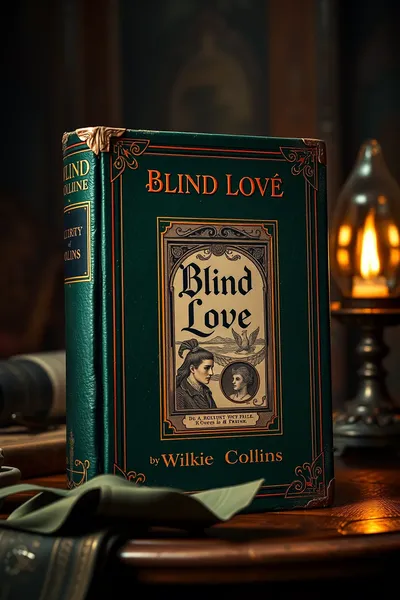
Blind Love

Blind Love

by Wilkie Collins

A Victorian sensation novel by Wilkie Collins. Collins, a master of suspense, often explores hidden motives and secret lives, compelling readers to 'see' beyond appearances—a metaphorical parallel to Remote Viewing's quest for unseen information, published in 1889.

The Tempest

The Tempest

by William Shakespeare

A play by William Shakespeare rich with magic, spirits, and illusions. Shakespeare's Prospero manipulates events and perceives distant happenings through his art, presenting a dramatic exploration of influence and awareness beyond the ordinary senses, mirroring aspects of Remote Viewing.

DESCENT V 1999

DESCENT V 1999

by descent

DESCENT V 1999 by descent. Interpreting 'descent' as a journey into unknown depths, this title could metaphorically represent the exploration of the subconscious mind or hidden dimensions, a journey of discovery akin to Remote Viewing, where one seeks to uncover concealed information.

Esoteric Library
Browse Esoteric Library
📚 All 52,000+ Books 🜍 Alchemy & Hermeticism 🔮 Magic & Ritual 🌙 Witchcraft & Paganism Astrology & Cosmology 🃏 Divination & Tarot 📜 Occult Philosophy ✡️ Kabbalah & Jewish Mysticism 🕉️ Mysticism & Contemplation 🕊️ Theosophy & Anthroposophy 🏛️ Freemasonry & Secret Societies 👻 Spiritualism & Afterlife 📖 Sacred Texts & Gnosticism 👁️ Supernatural & Occult Fiction 🧘 Spiritual Development 📚 Esoteric History & Biography
Esoteric Library
📑 Collections 📤 Upload Your Book
Account
🔑 Sign In Create Account
Info
About Esoteric Library