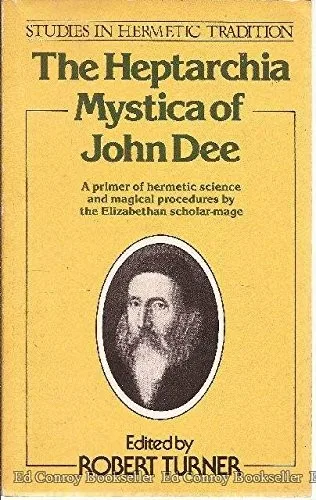
Clandestine Philosophy - New Studies on Subversive Manuscripts in Early Modern Europe
 73
73

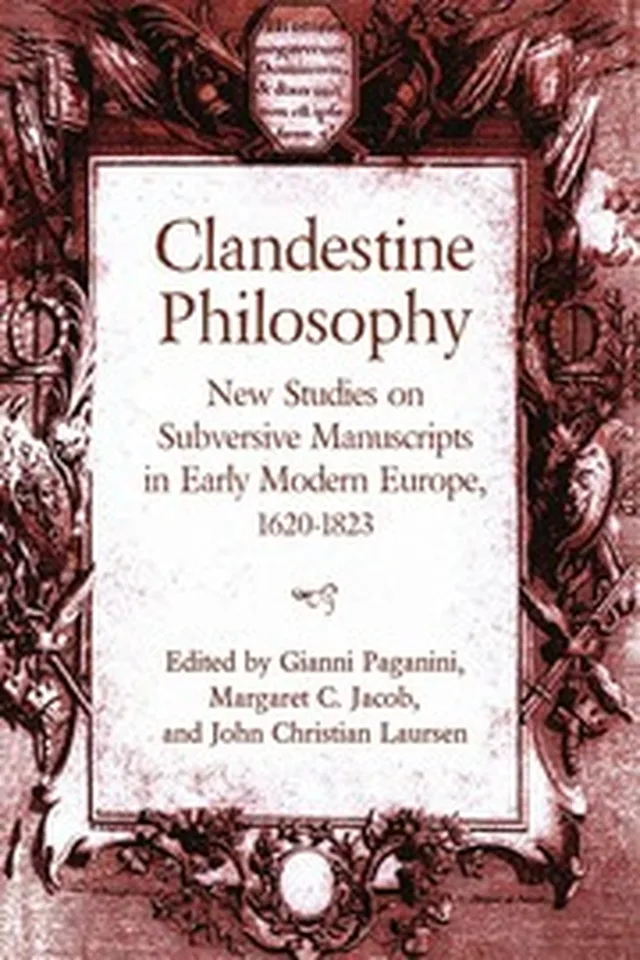
Clandestine Philosophy - New Studies on Subversive Manuscripts in Early Modern Europe



Review by Silas Hawthorne (Hermetic Studies Editor) — Clandestine Philosophy is a monumental contribution to the field of esoteric studies. The editors have assembled a stellar cast of experts to examine the clandestine manuscripts that shaped the intellectual landscape of early modern Europe. This book is a must-read for anyone interested in the hidden currents of thought that have influenced Western philosophy. The depth of esoteric insights and the rich historical context make it an invaluable resource for scholars and spiritual seekers alike.
📝 Description
73
This 2017 collection examines subversive manuscripts circulating in early modern Europe.
Clandestine Philosophy examines the circulation of subversive manuscripts in early modern Europe. The essays in this volume detail radical philosophical thoughts that spread during the eighteenth century. These included erotic texts, political pamphlets, and alchemical treatises. The book aims to immerse readers in the atmosphere surrounding these hidden works, where mystical and mundane concerns often intersected. It is intended for those interested in esoteric wisdom, Hermeticism, and occult practices. The collection highlights the lasting impact of hidden symbolism and forbidden ideas.
This work situates itself within the study of esoteric traditions that flourished outside mainstream intellectual and religious institutions. It addresses manuscripts that transmitted ideas considered dangerous or heretical, often through clandestine networks. The focus on Hermeticism and occult practices connects it to a lineage of thought that sought hidden meanings in nature and the cosmos, often challenging established authorities.
💡 Why Read This Book?
Read Clandestine Philosophy to uncover the hidden narratives that have shaped Western thought. Ideal for seekers of esoteric knowledge, scholars of Hermeticism, and practitioners of the occult, this book offers a unique perspective on the circulation of radical ideas during the eighteenth century.
⭐ Reader Reviews
Honest opinions from readers who have explored this book.
❓ Frequently Asked Questions
What is the focus of Clandestine Philosophy?
The book focuses on the circulation and consequences of clandestine philosophical manuscripts in early modern Europe, particularly during the eighteenth century.
Who should read this book?
This book is ideal for scholars of Hermeticism, seekers of esoteric knowledge, and practitioners of the occult.
What kind of manuscripts are discussed?
The book covers a range of forbidden texts, including erotic literature, political pamphlets, satires, and alchemical treatises.
Is this book suitable for beginners?
While the book is rich in historical and esoteric detail, it is accessible to beginners with an interest in the mystical and occult.
What makes this book unique?
Clandestine Philosophy offers a comprehensive look at the subversive manuscripts that have influenced Western thought, providing deep insights into hidden knowledge and symbolism.
🔮 Key Themes & Symbolism
Hidden Knowledge
Clandestine Philosophy reveals the secrets of forbidden manuscripts that circulated in early modern Europe. These texts, often hidden from public view, contained radical ideas that challenged the status quo and influenced the development of Western thought. The book explores the mystical and esoteric themes that permeated these manuscripts, offering readers a glimpse into the hidden knowledge of the past.
Symbolism and Alchemy
The book explores the strong symbolism and alchemical traditions found in clandestine manuscripts. These texts often employed complex symbols and allegories to convey hidden meanings, making them accessible only to the initiated. The essays in Clandestine Philosophy unpack these symbols, providing readers with a deeper understanding of the esoteric traditions that shaped early modern Europe.
Philosophical Subversion
Clandestine Philosophy examines the subversive nature of the manuscripts it discusses. These texts often contained ideas that were deemed dangerous by the authorities, leading to their suppression. The book explores how these radical ideas circulated despite the risks, and how they influenced the philosophical field of the time.
💡 Key Ideas
Editorial paraphrase of the work's core concepts — not direct quotes.
In the shadows of forbidden knowledge, truth often reveals itself.
This quote underscores the theme of hidden wisdom in clandestine manuscripts.
The alchemist's quest is a journey into the depths of the soul.
This passage highlights the spiritual and esoteric dimensions of alchemical practices.
Symbols are the language of the divine, whispered in the ears of the initiated.
This quote emphasizes the mystical significance of symbolism in esoteric traditions.
Radical ideas, like seeds in the dark, await the light of revelation.
This passage illustrates the subversive nature of clandestine manuscripts and their potential to influence thought.
The past holds secrets that can illuminate the present.
This quote underscores the relevance of historical esoteric texts to modern seekers.
🌙 Esoteric Significance
Tradition
Clandestine Philosophy belongs to the Hermetic and alchemical traditions, which emphasize the search for hidden knowledge and the transformation of the self. These traditions have deeply influenced Western esotericism and continue to be studied by modern practitioners and scholars.
Symbolism
Key symbols in the book include alchemical emblems, astrological signs, and mystical diagrams. These symbols often convey complex esoteric ideas and are used to initiate the reader into the mysteries of the occult. The book deciphers these symbols, providing readers with a deeper understanding of their meanings.
Modern Relevance
The insights and knowledge found in clandestine manuscripts remain relevant today, particularly for those interested in esoteric traditions and the occult. Modern practitioners and scholars continue to study these texts, seeking to uncover their hidden wisdom and apply it to contemporary spiritual and intellectual pursuits.
👥 Who Should Read This Book
Clandestine Philosophy is ideal for scholars of Hermeticism and esoteric studies, spiritual seekers interested in the occult, and practitioners of alchemy. Beginners with an interest in hidden knowledge and symbolism will also find this book accessible and enlightening. The book's rich historical context and deep esoteric insights make it a valuable resource for anyone seeking to understand the hidden currents of thought that have shaped Western philosophy.
📜 Historical Context
The eighteenth century was a time of intellectual ferment and political upheaval in Europe. Clandestine Philosophy examines the circulation of radical ideas during this period, focusing on the manuscripts that challenged the established order. These texts, often suppressed by authorities, contained forbidden knowledge that influenced the development of Western thought. The book provides a comprehensive look at the historical context in which these manuscripts circulated, highlighting their enduring influence on esoteric and philosophical traditions.
📔 Journal Prompts
How do clandestine manuscripts challenge our understanding of historical thought?
What symbols in the book resonated with you and why?
How can the insights from this book be applied to modern spiritual practices?
What role did forbidden knowledge play in shaping early modern Europe?
Reflect on the subversive nature of the manuscripts discussed in the book.
🗂️ Glossary
Clandestine Manuscripts
Forbidden texts that circulated in early modern Europe, often containing radical ideas and esoteric knowledge.
Alchemy
An ancient practice that seeks to transform base metals into gold and achieve spiritual enlightenment.
Hermeticism
A philosophical and spiritual tradition based on the writings of Hermes Trismegistus, emphasizing hidden knowledge and self-transformation.
Symbolism
The use of symbols to convey complex esoteric ideas and initiate readers into the mysteries of the occult.
Subversive Ideas
Radical thoughts that challenge the established order and influence the development of Western thought.
This book appears in 3 collections
🔮 Readers Also Liked
Browse all →








From the “Hermeticism” Collection
View all →







More Free Alchemy & Hermeticism Books
View all →