52,000+ Esoteric Books Free + Modern Compare Prices
Home Collections Superstition
📖

Superstition: Books on Folklore, Magic, and Beliefs

Books on superstition trace its roots from ancient practices to modern interpretations, examining magic, religion, and folklore. Works like James George Frazer's seminal "The Golden Bough" and H. Stanley Redgrove's "Bygone Beliefs" offer foundational insights into the historical development and cultural impact of these phenomena. This guide presents a curated selection of texts for those seeking to understand the origins, manifestations, and societal roles of superstitious beliefs and practices across different cultures and eras.

Top Superstition Books

25 Superstition books
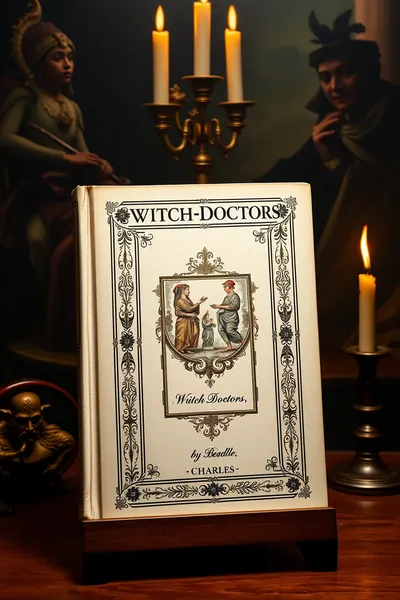
Witch-Doctors
📖
Witch-Doctors
Beadle, Charles
4.3
69
Navaho Witchcraft
📖
Navaho Witchcraft
Clyde Kluckhohn
4.1
63
Bygone Beliefs
📖
Bygone Beliefs
H. Stanley Redgrove
4.1
64
The golden bough
📖
The golden bough
James George Frazer
4.4
74
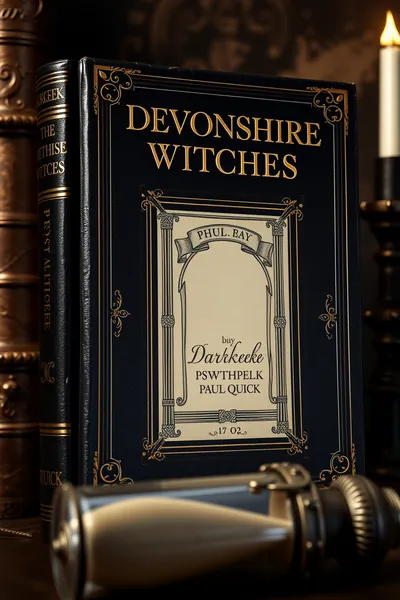
Devonshire Witches
📖
Devonshire Witches
Karkeek, Paul Q. (Paul Quick)
4.2
68
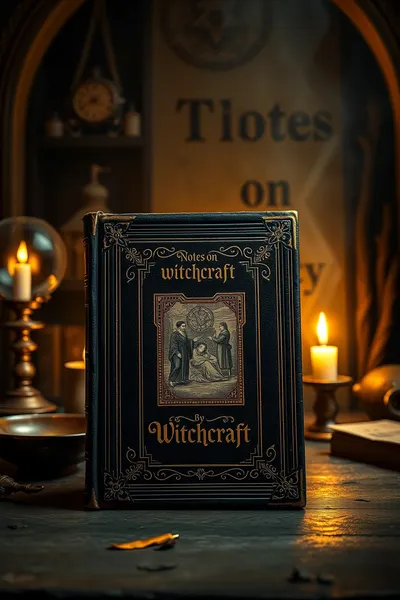
Notes on witchcraft
📖
Notes on witchcraft
Kittredge, George Lyman
4.3
69
Touch Blue
📖
Touch Blue
Lillian Morrison
4.0
62
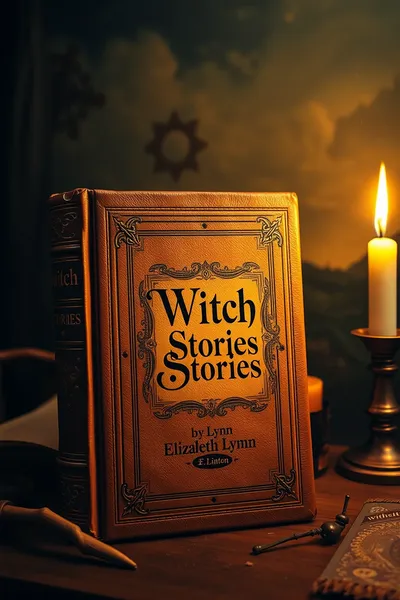
Witch Stories
📖
Witch Stories
Linton, E. Lynn (Elizabeth Lynn)
4.3
70
Happy Alchemy
📖
Happy Alchemy
Robertson Davies
4.0
61
HIDDEN GEM
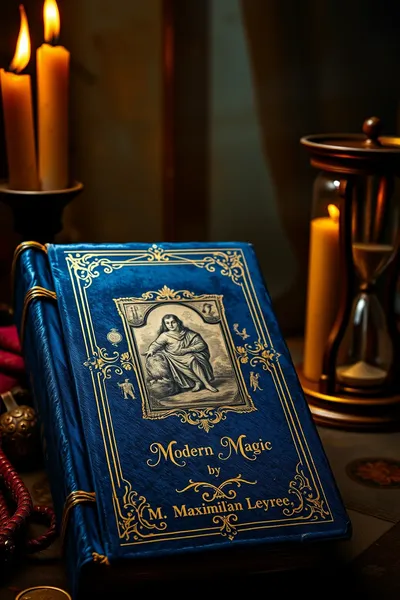
Modern Magic
📖
Modern Magic
Schele de Vere, M. (Maximilian)
4.3
70
SCHOLAR'S PICK
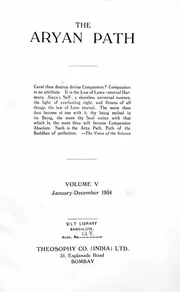
Aryan Path Volume 5
📖
Aryan Path Volume 5
Theosophy Company (Mysore) India
4.5
78
Aryan Path Vol. 6
📖
Aryan Path Vol. 6
Theosophy Company (Mysore) India
4.6
80
HIDDEN GEM
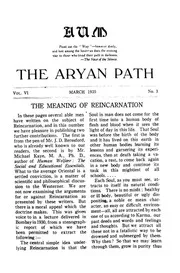
Aryan Path Vol. 6.3
📖
Aryan Path Vol. 6.3
Theosophy Company (Mysore) India
4.7
84
HIDDEN GEM
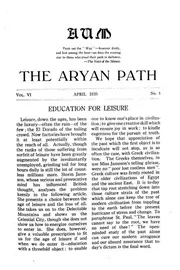
Aryan Path Vol. 6.4
📖
Aryan Path Vol. 6.4
Theosophy Company (Mysore) India
4.4
73
Superstitions
📖
Superstitions
Xavier Waterkeyn
4.0
61

What is Superstition?

Superstition refers to a belief or practice resulting from ignorance, mistaken belief, or a false conception of causation. It often involves attributing causality to unrelated events, relying on magical thinking, or adhering to traditions without rational understanding. These beliefs can range from simple customs, like avoiding black cats, to elaborate rituals aimed at influencing fortune or warding off evil. Historically, superstitions have been intertwined with religion, folklore, and attempts to explain the unexplainable.

Best Books for Complete Beginners

For those new to the study of superstition, starting with broad overviews is beneficial. James George Frazer's "The Golden Bough: A Study of Magic and Religion" provides an extensive comparative study of magical and religious beliefs across cultures, though it is a monumental work. Edgar Thurston's "Omens and Superstitions of Southern India" offers a focused look at specific regional beliefs and practices. Lady Wilde's "Ancient legends, Mystic Charms & Superstitions of Ireland" delves into the rich folklore of a specific region, making complex traditions accessible through engaging narratives and historical context.

Intermediate Reading

Moving beyond introductory material, readers can explore more detailed analyses. John Aubrey's "Miscellanies Upon Various Subjects" offers a collection of curious observations and beliefs from early modern England. M. Schele de Vere's "Modern Magic" examines the persistence of magical thinking and superstitions in more recent times. Jules Michelet's "La Sorcière: The Witch of the Middle Ages" provides a historical and sociological perspective on witchcraft beliefs during a pivotal period. John M. Taylor's "The Witchcraft Delusion in Colonial Connecticut" offers a specific case study of historical witch trials.

Classical / Advanced Texts

Advanced study involves engaging with primary source materials and comprehensive scholarly works. James George Frazer's "Balder the Beautiful" and other volumes of "The Golden Bough" offer deep dives into specific aspects of magic and religion. Thorndike's "A History of Magic and Experimental Science" provides a rigorous, multi-volume examination of scientific and magical thought across centuries. William Godwin's "Lives of the Necromancers" explores historical figures and practices related to occult arts, offering a critical historical perspective.

Reading Order — Step by Step

Begin with accessible folklore collections like Lady Wilde's "Ancient legends, Mystic Charms & Superstitions of Ireland" (Month 1, Weeks 1-2) to grasp common themes. Follow with Edgar Thurston's "Omens and Superstitions of Southern India" (Month 1, Weeks 3-4) for a regional focus. In Month 2, tackle the foundational comparative work of James George Frazer with "The Golden Bough: A Study of Magic and Religion" (Volume 1). Continue with Frazer's other volumes or move to John Aubrey's "Miscellanies Upon Various Subjects" in Month 3. For advanced study from Month 4 onwards, engage with Thorndike's "A History of Magic and Experimental Science" or William Godwin's "Lives of the Necromancers."

Frequently Asked Questions

Which superstition book should I read first?

For a gentle introduction, start with Lady Wilde's 'Ancient legends, Mystic Charms & Superstitions of Ireland' or Edgar Thurston's 'Omens and Superstitions of Southern India' to explore specific cultural beliefs.

What is the difference between superstition and religion?

Religion typically involves a structured system of beliefs and worship directed towards a deity or deities, often with established doctrines and moral codes. Superstition is more focused on specific beliefs or practices, often based on perceived causal links between unrelated events, aimed at influencing fortune or averting misfortune.

How did 'The Golden Bough' influence the study of superstition?

James George Frazer's 'The Golden Bough' revolutionized the study by applying comparative methods to folklore, magic, and religion across diverse cultures. It posited evolutionary stages of human thought from magic to religion to science.

Are superstitions universal?

While specific superstitions vary greatly by culture and region, the underlying psychological tendencies that give rise to them—such as seeking patterns, control, and meaning—appear to be universal human traits.

What are some common examples of superstitions?

Common examples include avoiding black cats, knocking on wood for luck, believing breaking a mirror brings bad luck, and considering Friday the 13th unlucky. Many relate to omens, rituals, or charms.

How does witchcraft differ from general superstition?

Witchcraft, particularly in historical contexts, often implies the active use of magic or supernatural powers, sometimes with malevolent intent, leading to accusations and trials. General superstition encompasses a broader range of beliefs and practices, not necessarily involving active magical practitioners.

Where can I find information on historical witch trials?

Texts like John M. Taylor's 'The Witchcraft Delusion in Colonial Connecticut' and Charles Wentworth Upham's 'Salem Witchcraft' offer detailed historical accounts of specific witch trials and the societal beliefs that fueled them.

Why Each Book Matters

Witch-Doctors

Witch-Doctors

by Beadle, Charles

Charles Beadle's "Witch-Doctors" provides an early 20th-century account of indigenous healers and spiritual practitioners, often referred to as "witch doctors" by Western observers. The book, based on Beadle's experiences and observations in Africa, explores their roles in communities, their rituals, and the beliefs surrounding their powers. While written from a colonial perspective, it offers insights into the complex systems of traditional medicine, magic, and superstition that were integral to many tribal societies.

Lucifer ascending

Lucifer ascending

by Bill Ellis

Bill Ellis's "Lucifer Ascending" likely explores themes related to the figure of Lucifer, often associated with rebellion, enlightenment, or even malevolent forces in various mythologies and occult traditions. Such a work could delve into how this figure has been interpreted, from a symbol of intellectual freedom to a source of evil, and how these interpretations have influenced or been influenced by religious and popular superstitions. Ellis's specific focus might be on the historical and cultural evolution of Lucifer's image and its esoteric significance.

Navaho Witchcraft

Navaho Witchcraft

by Clyde Kluckhohn

Clyde Kluckhohn's "Navaho Witchcraft," originally published in 1944, is a seminal anthropological study providing an in-depth analysis of the complex system of witchcraft beliefs and practices within the Navajo community. Based on extensive fieldwork, Kluckhohn meticulously documents the various forms of Navajo witchcraft, their social functions, and the pervasive fear and superstition associated with them. The book is lauded for its detailed ethnography and its theoretical contributions to understanding the role of witchcraft in social control and cultural cohesion.

The Kabbala

The Kabbala

by Erich Bischoff

Erich Bischoff's "The Kabbala" offers an exploration of Jewish mystical tradition, which, while a profound spiritual system, has often been misunderstood or associated with superstitious practices in popular perception. Bischoff's work delves into the esoteric doctrines, numerology, and symbolic interpretations central to the Kabbala, explaining its complex cosmology and its practical applications. The text clarifies how its profound spiritual insights differ from simplistic superstitious beliefs, yet also how its symbols and rituals could be misconstrued.

Bygone Beliefs

Bygone Beliefs

by H. Stanley Redgrove

H. Stanley Redgrove's "Bygone Beliefs" is a scholarly work that delves into the history of esoteric thought, alchemy, astrology, and various forms of ancient and medieval superstition. Published in 1920, the book meticulously traces the evolution of these belief systems, examining their philosophical underpinnings and their impact on society. Redgrove, a chemist by profession, brings a critical yet open-minded approach to subjects like the Philosopher's Stone and the influence of planetary positions, explaining how they intertwined with early scientific understanding and popular beliefs.

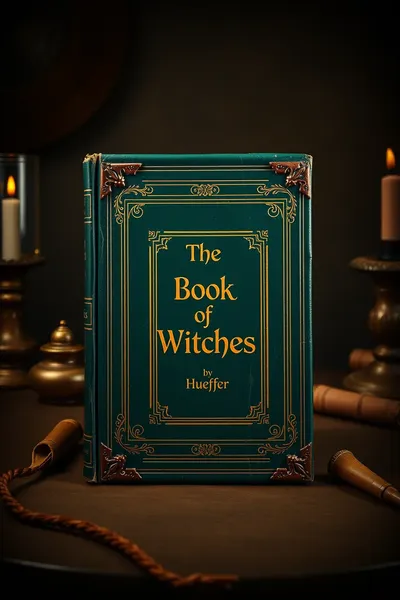
The book of witches

The book of witches

by Hueffer, Oliver Madox

Oliver Madox Hueffer's "The Book of Witches" offers a historical and cultural survey of witchcraft, examining its portrayal in literature, folklore, and historical accounts across different eras. The book delves into the popular perceptions of witches, their supposed powers, and the fears they inspired, highlighting the pervasive role of superstition in shaping these narratives. Hueffer, an English novelist and journalist, provides a comprehensive overview of the witch figure, from ancient enchantresses to the victims of early modern witch trials.

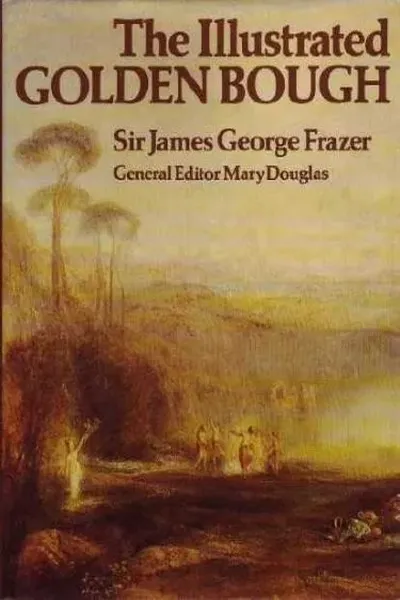
The golden bough

The golden bough

by James George Frazer

James George Frazer's "The Golden Bough" is an monumental comparative study of mythology, religion, and magic, first published in 1890. This multi-volume work meticulously explores ancient rituals, cults, and superstitions from cultures worldwide, particularly focusing on the themes of sacred kingship, human sacrifice, and fertility rites. Frazer's extensive research links seemingly disparate practices through underlying patterns of sympathetic magic and animistic beliefs, making it a foundational text for understanding the anthropological roots of superstition and religious thought.

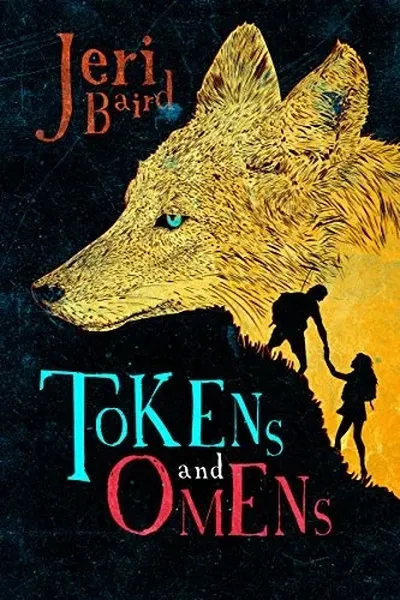
Tokens and Omens

Tokens and Omens

by Jeri Baird

Jeri Baird's "Tokens and Omens" serves as a guide to interpreting various signs, symbols, and occurrences believed to predict future events or reveal hidden truths. The book compiles a wide array of omens, from natural phenomena like animal behavior and weather patterns to personal experiences and dreams, explaining their traditional interpretations in folklore and superstition. Baird's work offers insights into how people have historically sought guidance and understanding from their environment, reflecting a universal human desire to foresee and influence destiny through portents.

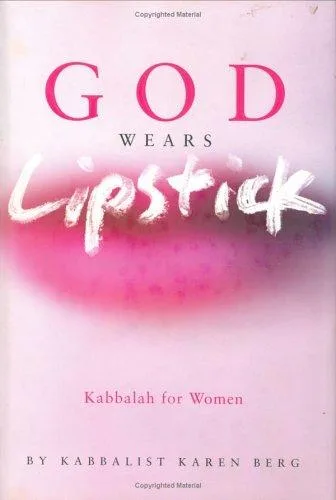
God Wears Lipstick

God Wears Lipstick

by Karen Berg

Karen Berg's "God Wears Lipstick" is a contemporary spiritual guide that blends Kabbalistic wisdom with modern life, often addressing how individuals can navigate challenges and find meaning. While rooted in a profound mystical tradition, the book might touch upon how modern anxieties and desires can manifest in forms akin to superstition, or how genuine spiritual practice offers an alternative to superficial beliefs. Berg, a prominent figure in the Kabbalah Centre, aims to make complex spiritual concepts accessible to a broad audience.

Devonshire Witches

Devonshire Witches

by Karkeek, Paul Q. (Paul Quick)

Paul Q. Karkeek's "Devonshire Witches" offers a localized historical account of witchcraft beliefs and trials specific to the county of Devonshire, England. Published in the late 19th century, the book compiles various records, anecdotes, and folklore relating to alleged witches and their activities in the region. Karkeek's work provides a detailed look at how local superstitions, fears, and social dynamics contributed to accusations of witchcraft, giving a granular view of a significant historical phenomenon.

Notes on witchcraft

Notes on witchcraft

by Kittredge, George Lyman

George Lyman Kittredge's "Notes on Witchcraft" is a scholarly and meticulously researched work that delves into the historical and legal aspects of witchcraft beliefs and prosecutions, particularly in colonial America and Europe. Published in 1907, Kittredge, a renowned Harvard professor, analyzes primary sources to understand the intellectual and social climate that fostered belief in witchcraft and the subsequent trials. His work distinguishes between popular superstition and the more systematic theological and legal arguments used to justify persecution.

Touch Blue

Touch Blue

by Lillian Morrison

Lillian Morrison's "Touch Blue" is a delightful collection of traditional rhymes, verses, and sayings associated with good luck and bad luck. The book compiles a treasury of common superstitions, from "Touch wood, touch wood, good luck to me" to various charms and omens, presented in a poetic and engaging format. Morrison, known for her anthologies of children's verse and folklore, captures the essence of these age-old beliefs, making them accessible and enjoyable while reflecting on their cultural persistence.

Witch Stories

Witch Stories

by Linton, E. Lynn (Elizabeth Lynn)

E. Lynn Linton's "Witch Stories" compiles historical accounts and literary narratives pertaining to witchcraft, offering a fascinating glimpse into the societal fears and superstitions that fueled witch hunts and accusations. Published in 1861, the collection includes tales from various European countries, illustrating the diverse manifestations of belief in witches and their perceived powers. Linton, a notable Victorian novelist, uses these stories to explore the psychological and social dimensions of superstition, revealing how easily fear can lead to persecution.

Purity and danger

Purity and danger

by Mary Douglas

Mary Douglas's "Purity and Danger" is a highly influential anthropological work that examines the concepts of pollution, taboo, and ritual in various cultures. Published in 1966, Douglas argues that ideas of dirt and impurity are not universal but culturally constructed, serving to maintain social order and categorize experience. While not exclusively about superstition, her analysis profoundly illuminates how many superstitious beliefs and practices arise from attempts to manage perceived dangers, maintain boundaries, and impose order on an often chaotic world.

Jacob von Walzer

Jacob von Walzer

by Ralph M. Pabst

"Jacob von Walzer" by Ralph M. Pabst is a biographical or fictionalized account that likely explores the life and experiences of a character navigating a world imbued with occult beliefs, folklore, and superstition. Such narratives often highlight the human struggle with destiny, the unknown, and the societal pressures shaped by deeply held, sometimes irrational, beliefs. The specific details of Jacob von Walzer's journey would reveal how he interacts with and is affected by the mystical and superstitious elements of his environment.

Moon Lore

Moon Lore

Rev. Timothy Harley's "Moon Lore" is a comprehensive collection of myths, beliefs, and superstitions from around the world related to the moon. Published in 1886, the book meticulously details how cultures have attributed various powers and influences to the lunar cycle, from its effect on agriculture and weather to its connection with madness and magic. Harley explores ancient Roman, Greek, and Germanic traditions, among many others, offering a fascinating look at humanity's long-standing fascination with our celestial neighbor and the superstitious practices it inspired.

Happy Alchemy

Happy Alchemy

by Robertson Davies

Robertson Davies' "Happy Alchemy" is a collection of essays where the renowned Canadian author explores a wide range of topics, including the arts, education, and the human condition, often with an underlying current of the esoteric and the psychological. While not solely focused on superstition, Davies frequently touches upon the irrational aspects of human belief, the power of myth, and the way ancient ideas persist in modern thought. His essays offer a literary and philosophical reflection on the deeper meanings behind seemingly simple beliefs.

Modern Magic

Modern Magic

by Schele de Vere, M. (Maximilian)

M. Schele de Vere's "Modern Magic" examines various forms of magic, illusion, and the supernatural as understood in the 19th century. The book discusses everything from parlor tricks and stage magic to ancient magical practices and the beliefs surrounding them, often distinguishing between genuine skill and popular superstition. De Vere, a linguist and professor, provides historical context and critical analysis of magical phenomena, exploring how many seemingly supernatural events are rooted in misunderstanding or the manipulation of human perception rather than true occult power.

Aryan Path Volume 5

Aryan Path Volume 5

by Theosophy Company (Mysore) India

"Aryan Path Volume 5" is another compilation of articles from the esteemed Theosophical journal, published by Theosophy Company (Mysore) India. Like its sister volumes, this collection offers essays exploring spiritual philosophy, ancient wisdom traditions, and the ethical dimensions of human existence. The journal consistently seeks to provide rational and philosophical interpretations of phenomena, often contrasting them with what it perceives as unfounded superstitions, thus contributing to a critical understanding of belief systems.

Aryan Path Vol. 6

Aryan Path Vol. 6

by Theosophy Company (Mysore) India

"Aryan Path Vol. 6" is a compilation of articles from the influential Theosophical journal, published by Theosophy Company (Mysore) India. These volumes often feature essays on philosophy, religion, ethics, and occultism, seeking to bridge Eastern and Western thought. While primarily focused on spiritual and philosophical inquiry, the journal frequently addresses the origins of beliefs, distinguishing between genuine spiritual truths and what it might consider popular superstitions, offering a unique Theosophical perspective on ancient wisdom and modern credulity.

Aryan Path Vol. 6.3

Aryan Path Vol. 6.3

by Theosophy Company (Mysore) India

This specific issue, "Aryan Path Vol. 6.3," from Theosophy Company (Mysore) India, continues the journal's tradition of exploring spiritual, philosophical, and esoteric topics. Each issue typically features a diverse range of articles that delve into comparative religion, ethics, and the hidden wisdom of the ages. Within its pages, readers can find discussions that often touch upon the nature of belief, distinguishing between profound spiritual insights and the more superficial or fear-driven aspects of popular superstition.

Aryan Path Vol. 6.4

Aryan Path Vol. 6.4

by Theosophy Company (Mysore) India

"Aryan Path Vol. 6.4," another installment from Theosophy Company (Mysore) India, offers further articles and essays from the influential Theosophical journal. These editions consistently aim to enlighten readers on various aspects of occult philosophy, ancient texts, and the universal principles underlying different faiths. The content often provides a critical lens on popular beliefs, helping to differentiate between genuine esoteric knowledge and the many forms of unexamined superstition that permeate human culture.

Saknarth

Saknarth

by Wollheim, Donald A.

Donald A. Wollheim's "Saknarth" is a science fiction narrative that often blends elements of ancient myths and cosmic horror, hinting at a future where old fears and superstitions resurface or take on new forms. As a prominent editor and author, Wollheim frequently explored themes of the unknown and the uncanny in his works, suggesting how primal beliefs might persist even in advanced societies. The story itself involves a strange entity and its influence, tapping into deep-seated human anxieties about forces beyond comprehension, much like traditional superstitions.

Superstitions

Superstitions

by Xavier Waterkeyn

Xavier Waterkeyn's "Superstitions" offers a broad, accessible overview of various common and obscure superstitious beliefs from around the globe. The book categorizes different types of superstitions, from those concerning luck and fate to those related to animals, numbers, and everyday objects. Waterkeyn provides concise explanations of their origins and cultural significance, making it an excellent introductory guide for anyone curious about the pervasive nature of these often irrational yet deeply ingrained beliefs.

Auguries and Omens

Auguries and Omens

by Yvonne Aburrow

Yvonne Aburrow's "Auguries and Omens" explores the ancient practice of divination through signs and portents, a cornerstone of many superstitious traditions. The book delves into various methods of augury, from interpreting bird flight and animal behavior to celestial phenomena and everyday occurrences, as practiced in different historical periods and cultures. Aburrow provides context for understanding how these signs were read and what they were believed to foretell, offering a comprehensive guide to the art of discerning messages from the universe.

Esoteric Library
Browse Esoteric Library
📚 All 52,000+ Books 🜍 Alchemy & Hermeticism 🔮 Magic & Ritual 🌙 Witchcraft & Paganism Astrology & Cosmology 🃏 Divination & Tarot 📜 Occult Philosophy ✡️ Kabbalah & Jewish Mysticism 🕉️ Mysticism & Contemplation 🕊️ Theosophy & Anthroposophy 🏛️ Freemasonry & Secret Societies 👻 Spiritualism & Afterlife 📖 Sacred Texts & Gnosticism 👁️ Supernatural & Occult Fiction 🧘 Spiritual Development 📚 Esoteric History & Biography
Esoteric Library
📑 Collections 📤 Upload Your Book
Account
🔑 Sign In Create Account
Info
About Esoteric Library