What is Rosicrucianism?
Rosicrucianism is a spiritual and philosophical movement that emerged in Europe in the early 17th century, purportedly linked to a legendary figure named Christian Rosenkreutz. Its teachings often blend elements of alchemy, Christian mysticism, Hermeticism, and Kabbalah, emphasizing spiritual transformation and esoteric knowledge. Early Rosicrucian manifestos like 'The Rosicrucian Manifestos' hinted at a hidden brotherhood dedicated to reforming society through esoteric wisdom. Modern Rosicrucian organizations, such as AMORC and the Rosicrucian Fellowship, continue to teach its principles.
Best Books for Complete Beginners
For those new to Rosicrucianism, Max Heindel's 'The Rosicrucian Mysteries' (1911) offers a clear, systematic introduction to their cosmology and philosophy. The 'Rosicrucian Manual' (AMORC, 1990) provides a practical overview of the teachings from a prominent modern organization. Herbert Silberer's 'Hidden Symbolism of Alchemy and the Occult Arts' connects Rosicrucian themes to broader alchemical traditions. Paschal Beverly Randolph's 'Rosicrucian Dream Book' (1871) introduces esoteric symbolism through a more accessible, practical lens.
Intermediate Reading
Building on foundational knowledge, 'The Rosicrucian Enlightenment' by Frances Yates offers scholarly historical context, tracing the movement's influence. Max Heindel's 'THE ROSICRUCIAN COSMO-CONCEPTION' (1911) delves deeper into his specific cosmological framework. Clifford Edgar Brooksmith's 'Magus Incognito, The Secret Doctrine of the Rosicrucians' (1918) explores more advanced esoteric concepts. Paschal Beverly Randolph's 'Tom Clark and His Wife' offers narrative explorations of Rosicrucian themes.
Classical / Advanced Texts
For serious students, primary source material and scholarly analyses are crucial. 'The Chymical Wedding of Christian Rosenkreutz' is a foundational text of the Rosicrucian tradition, though its authorship and exact meaning remain debated. Manly Palmer Hall's 'Rosicrucian and Masonic Origins' (1929) provides a detailed examination of historical connections. Paul Foster Case's works, such as 'The True and Invisible Rosicrucian Order' (1985), offer insights from a modern esoteric perspective rooted in Hermeticism.
Reading Order — Step by Step
Begin with Max Heindel's 'The Rosicrucian Mysteries' (1911) for a solid introduction. Next, explore 'The Rosicrucian Manual' (AMORC, 1990) for organizational perspectives. Transition to Frances Yates' 'The Rosicrucian Enlightenment' for historical context. For deeper dives, consult Heindel's 'THE ROSICRUCIAN COSMO-CONCEPTION' (1911) or Clifford Edgar Brooksmith's 'Magus Incognito' (1918). Advanced study can involve 'The Chymical Wedding of Christian Rosenkreutz' and Manly Palmer Hall's 'Rosicrucian and Masonic Origins' (1929).
Frequently Asked Questions
Which Rosicrucian book should I read first?
For a clear and comprehensive introduction, start with Max Heindel's 'The Rosicrucian Mysteries' (1911). It systematically explains the core tenets of Rosicrucian philosophy and cosmology for beginners.
Are Rosicrucianism and Freemasonry related?
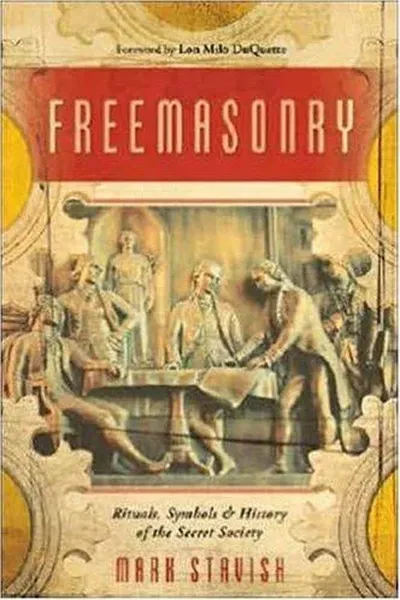
Historically, there have been perceived connections and overlaps, particularly in symbolism and esoteric aims. Manly Palmer Hall's 'Rosicrucian and Masonic Origins' (1929) explores these potential links in detail.
What is the significance of alchemy in Rosicrucianism?
Alchemy is often interpreted metaphorically within Rosicrucianism, representing the spiritual transformation and purification of the individual, akin to the 'Great Work' of spiritual enlightenment.
Is Rosicrucianism a religion?
While it contains spiritual and mystical elements, Rosicrucianism is generally considered an esoteric or philosophical tradition rather than a formal religion. It often complements existing religious beliefs.
Who was Christian Rosenkreutz?
Christian Rosenkreutz is the legendary founder of the Rosicrucian Order. His life story, detailed in various texts, is central to the tradition, though his historical existence is a subject of scholarly debate.
What are the Rosicrucian Manifestos?
These are early 17th-century anonymous publications that announced the existence of a secret Rosicrucian society and its aims for spiritual and societal reform, sparking widespread interest.
Can I find free Rosicrucian texts?
Some older Rosicrucian texts, particularly those in the public domain, may be available for free online. However, comprehensive study often benefits from curated editions and modern analyses.