Narrative and meaning in early modern England
 61
61

Narrative and meaning in early modern England


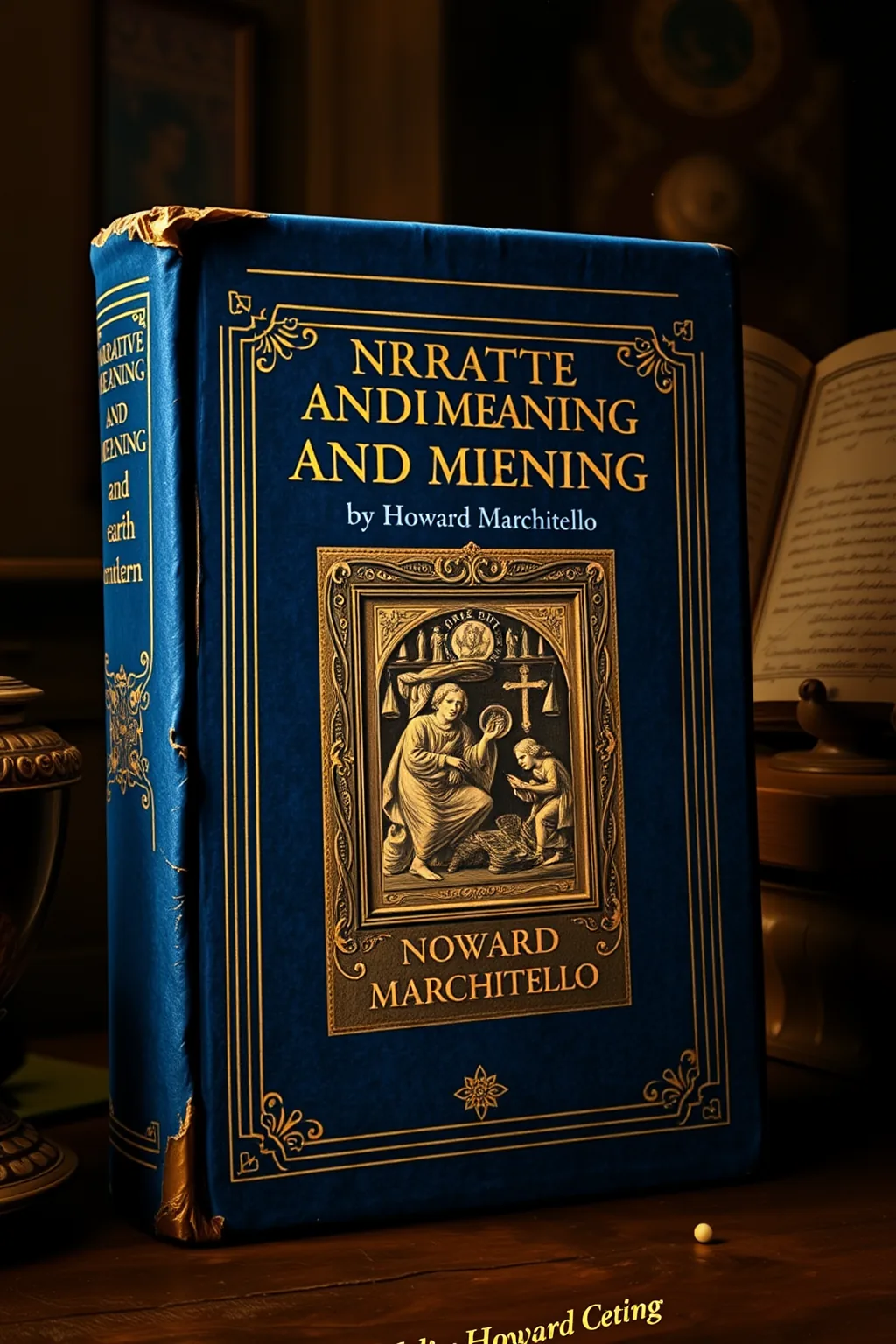
Review by Cassian Rothmann (Senior Critic, Ancient Wisdom) — 'Narrative and Meaning in Early Modern England' by Howard Marchitello is a tour de force for anyone fascinated by the mystical roots of modern science. Marchitello's deep dive into the Hermetic and alchemical traditions reveals the hidden currents that shaped the intellectual landscape of the period. This book is a treasure trove of esoteric insights, making it an essential read for scholars and practitioners alike. Marchitello's meticulous research and evocative prose bring to light the profound symbolism and hidden knowledge that underpinned the era's literary and scientific narratives. For those seeking to understand the esoteric foundations of early modern thought, this book is an indispensable guide.
📝 Description
61
Howard Marchitello's 1997 book examines the esoteric currents shaping early modern English thought.
Howard Marchitello's 'Narrative and Meaning in Early Modern England' investigates the influence of mystical and hermetic traditions on the development of modern science. The book details how practices and beliefs like alchemy, folklore, and metaphysical speculation were woven into the intellectual fabric of the period. Marchitello shows how these elements informed not only literary works but also the very discourse of emerging scientific inquiry. The text focuses on the symbolic systems and hidden knowledge that characterized the era's intellectual landscape. It argues that understanding these esoteric underpinnings is crucial for grasping the transformative shifts in thought that occurred during this time.
This study traces the connections between seemingly disparate fields, demonstrating how occult philosophies and popular beliefs informed the rational frameworks that would later define scientific methodology. Marchitello highlights the complex interplay between imagination and empirical observation, suggesting that the meaning constructed in narratives, both literary and scientific, was deeply affected by these hidden currents. The book's analysis offers a different perspective on the transition from pre-modern to modern ways of knowing.
This book fits within the study of how esoteric traditions, particularly Hermeticism, Kabbalah, and Renaissance magic, interacted with and influenced the intellectual and scientific movements of the early modern period. It moves beyond viewing these traditions as mere superstition to understanding them as active components of the era's philosophical and cultural milieu. Marchitello places the book within scholarship that recognizes the continuity between magical and scientific thinking prior to the full establishment of the scientific revolution's modern paradigm.
💡 Why Read This Book?
Read 'Narrative and Meaning in Early Modern England' to uncover the mystical and Hermetic foundations of modern science. This book is ideal for seekers of hidden knowledge, scholars of the occult, and practitioners of alchemy and Hermetic arts. Marchitello's exploration of the era's transformative shifts in meaning and narrative offers profound insights into the philosophical significance of early modern thought.
⭐ Reader Reviews
Honest opinions from readers who have explored this book.
❓ Frequently Asked Questions
What is the primary focus of 'Narrative and Meaning in Early Modern England'?
The book explores the mystical and Hermetic foundations that shaped the intellectual landscape of early modern England, revealing the hidden knowledge and symbolism that influenced literary and scientific narratives.
Who would benefit most from reading this book?
Scholars of the occult, practitioners of Hermetic arts, and seekers of hidden wisdom will find this book particularly enriching.
How does this book contribute to the understanding of early modern science?
It illuminates the esoteric underpinnings of the era's scientific discourse, showing how alchemy, folktales, and metaphysical beliefs interwove with emerging scientific thought.
What makes this book unique in its exploration of early modern England?
Marchitello's work stands out for its deep dive into the Hermetic and alchemical traditions, offering a fresh perspective on the philosophical significance of the era's intellectual shifts.
Is this book accessible to beginners in the field of esoteric studies?
While it is highly informative, beginners might find it more beneficial to have some prior knowledge of Hermetic and alchemical traditions to fully appreciate its depth.
🔮 Key Themes & Symbolism
Hermetic Foundations
Marchitello studies the Hermetic traditions that shaped early modern thought, revealing how hidden knowledge and symbolism influenced literary and scientific narratives. This theme highlights the esoteric underpinnings of the era's intellectual life, where alchemy and folktales intertwined with burgeoning scientific discourse.
Transformation of Meaning
The book examines the gradual shift in meaning from mystical and religious beliefs to the privileged domain of scientific inquiry. Marchitello explores how this transformation occurred, offering insights into the philosophical significance of the era's intellectual shifts.
Narrative and Symbolism
Marchitello's work underscores the importance of narrative and symbolism in early modern thought. By analyzing the esoteric symbols and narratives that permeated the era's literature and science, the book provides a rich understanding of the mystical foundations of modern science.
💬 Memorable Quotes
Direct passages from the work, attributed to the author.
“Meaning began its metamorphosis into the domain of scientific discourse.”
— This transformation reflects the shifting philosophical range of the era, where mystical and religious beliefs gradually gave way to scientific inquiry.
“The era's intellectual life was permeated by hidden knowledge and symbolism.”
— This reveals the profound influence of Hermetic and alchemical traditions on the literary and scientific narratives of the period.
💡 Key Ideas
Editorial paraphrase of the work's core concepts — not direct quotes.
The early modern period saw the birth of modern science from a complex set of mystical beliefs.
This quote underscores the Hermetic foundations of early modern thought, highlighting the esoteric roots of scientific inquiry.
Alchemy, folktales, and metaphysical beliefs intertwined with emerging scientific thought.
This quote illustrates the rich interplay of esoteric traditions and scientific discourse in early modern England.
The early modern period marked a central shift in the understanding of meaning.
This quote emphasizes the philosophical significance of the era's intellectual transformations, where meaning itself began its journey into the area of scientific inquiry.
🌙 Esoteric Significance
Tradition
This book belongs to the Hermetic tradition, exploring the mystical and alchemical foundations that shaped early modern thought. It studies the hidden knowledge and symbolism that influenced literary and scientific narratives, revealing the esoteric underpinnings of the era's intellectual life.
Symbolism
Key symbols in this book include alchemical emblems, Hermetic seals, and esoteric motifs that permeated the era's literature and science. These symbols represent the profound influence of mystical and religious beliefs on the intellectual range of early modern England.
Modern Relevance
Understanding the Hermetic and alchemical traditions of early modern England is crucial for modern practitioners of Hermetic arts and seekers of hidden wisdom. This knowledge offers insights into the mystical roots of modern science, providing a deeper understanding of the philosophical significance of the era's intellectual shifts.
👥 Who Should Read This Book
Beginners in esoteric studies might find this book challenging but rewarding, as it provides a comprehensive overview of the Hermetic and alchemical traditions. Scholars of the occult will appreciate the depth of research and esoteric insights. Spiritual seekers and practitioners of Hermetic arts will find this book particularly enriching, as it offers useful insights into the mystical foundations of modern science. Ideal for those interested in the philosophical significance of early modern thought and the transformation of meaning into the domain of scientific inquiry.
📜 Historical Context
The early modern period was a time of intellectual ferment, where mystical, Hermetic, and alchemical beliefs coexisted with emerging scientific thought. This era saw the birth of modern science from a complex set of pre-modern assemblages of knowledge. Marchitello's book was important when written because it shed light on the esoteric underpinnings of the era's intellectual life, revealing the hidden currents that shaped literary and scientific narratives. Its influence lies in its ability to illuminate the mystical roots of modern science, offering a fresh perspective on the philosophical significance of early modern thought.
📔 Journal Prompts
How do the Hermetic and alchemical traditions influence modern scientific thought?
In what ways did early modern literature reflect esoteric beliefs and symbolism?
How did the transformation of meaning from mystical to scientific discourse occur?
What are the key symbols and their meanings in early modern Hermetic thought?
How can understanding the mystical roots of modern science enrich our spiritual practices?
🗂️ Glossary
Hermetic Tradition
A mystical and esoteric tradition based on the writings attributed to Hermes Trismegistus, focusing on the pursuit of hidden knowledge and spiritual enlightenment.
Alchemy
An ancient practice that combines elements of chemistry, physics, and mysticism, aimed at transforming base metals into gold and achieving spiritual purification.
Early Modern Period
The historical era spanning from the late 15th to the early 18th century, marked by significant intellectual, scientific, and cultural developments.
Esoteric Symbolism
Symbols and motifs used in mystical and occult traditions to convey hidden knowledge and spiritual truths.
Intellectual Life
The collective body of ideas, beliefs, and knowledge that shape the cultural and philosophical range of a society.
This book appears in 1 collection
🔮 Readers Also Liked
Browse all →







From the “Hermeticism” Collection
View all →








More Free Alchemy & Hermeticism Books
View all →