Books on secret societies trace their influence from historical conspiracies to esoteric philosophies. Nesta Helen Webster's "Secret societies and subversive movements" and Albert Pike's "Morals and Dogma of the Ancient and Accepted Scottish Rite of Freemasonry" offer foundational historical and philosophical perspectives. For those interested in theosophy, H.P. Blavatsky's "The Key to Theosophy" provides a clear exposition of its principles. Below, find curated texts to deepen your understanding of these often-hidden organizations.
Secret societies are organizations whose doctrines, rituals, or membership are not publicly known. Historically, they have ranged from fraternal orders with specific initiatory rites, like Freemasonry, to groups allegedly involved in political or social subversion. Their secrecy often stems from a desire to protect esoteric knowledge, maintain internal cohesion, or operate outside mainstream societal norms. The study of these groups often intersects with history, religion, and philosophy.
Best Books for Complete Beginners
For an introduction, start with foundational texts that provide broad overviews and context. "Secret societies and subversive movements" by Nesta Helen Webster offers a comprehensive historical survey of various groups and their alleged roles in historical events. "The Mysteries of Free Masonry" by William Morgan provides early insights into Masonic rituals, while "The Key to Theosophy" by H.P. Blavatsky explains the core tenets of Theosophy, a philosophy often associated with esoteric societies. "The History of the Knights Templars" by C.G. Addison details the rise and fall of a historically significant order.
Intermediate Reading
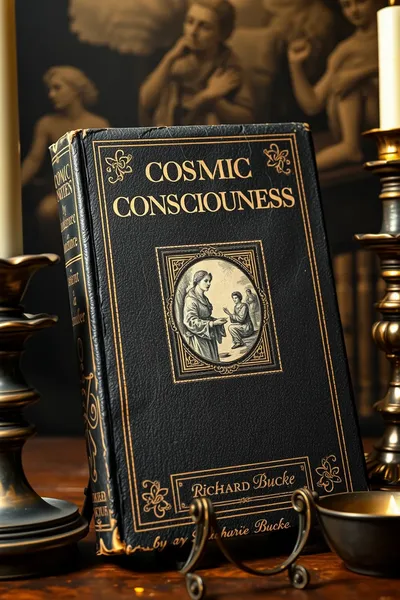
Moving beyond introductions, delve into more specific aspects. Albert Gallatin Mackey's works, such as "The symbolism of Freemasonry" and "The Principles of Masonic Law," offer detailed examinations of Masonic symbolism and governance. Richard Maurice Bucke's "Cosmic Consciousness" explores altered states of awareness relevant to esoteric traditions. Herbert Silberer's "Hidden Symbolism of Alchemy and the Occult Arts" connects alchemical symbolism to psychological interpretation. "New England and the Bavarian Illuminati" by Vernon Stauffer investigates the historical presence of the Illuminati in America.
Classical / Advanced Texts
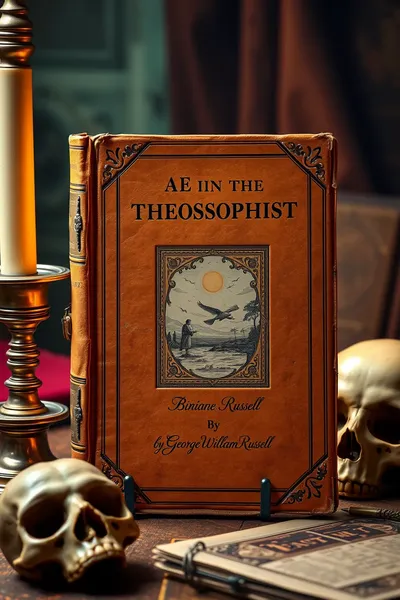
For advanced study, engage with primary sources and deeper theoretical works. Albert Pike's "Morals and Dogma" is a seminal text for understanding the philosophical underpinnings of the Scottish Rite of Freemasonry. John Uri Lloyd's "Etidorhpa; or, The End of Earth" is a unique allegorical narrative exploring spiritual and philosophical themes. George William Russell's "AE in the Irish Theosophist" provides insights into Theosophical thought from a prominent contributor. "Proofs of a Conspiracy" by John Robison offers a historical, albeit controversial, account of secret societies in the late 18th century.
Reading Order — Step by Step
Begin with broad historical surveys to grasp the landscape. Week 1-2: Read Nesta Webster's "Secret societies and subversive movements" for historical context and William Morgan's "The Mysteries of Free Masonry" for an early look at fraternal orders. Month 2: Explore Masonic philosophy with Albert Gallatin Mackey's "The symbolism of Freemasonry" and "The Principles of Masonic Law." Simultaneously, investigate Theosophy with H.P. Blavatsky's "The Key to Theosophy." Month 3+: Delve into advanced texts like Albert Pike's "Morals and Dogma," John Uri Lloyd's "Etidorhpa," and John Robison's "Proofs of a Conspiracy" to deepen your understanding of specific doctrines and historical claims.
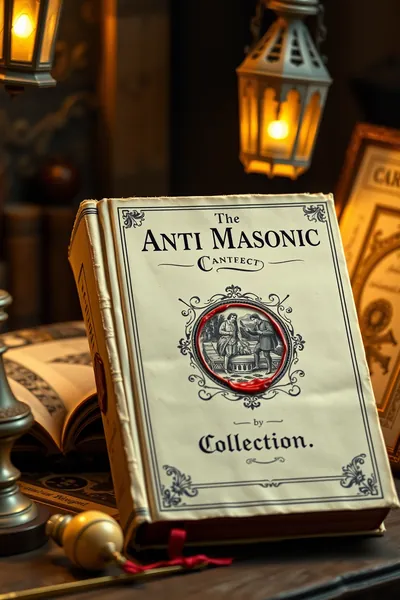
"Anti-Masonic Collection" comprises various texts critical of or opposed to Freemasonry. These documents, often from the 19th and early 20th centuries, highlight controversies, perceived dangers, and conspiracy theories associated with the fraternal organization, offering a counter-narrative to its official history as a secret society.
"Texe Marrs books" refers to the works of Texe Marrs, a controversial author known for his writings on Christian fundamentalism, conspiracy theories, and the alleged influence of secret societies. His books, often published in the late 20th and early 21st centuries, frequently discuss groups like the Illuminati and Freemasons.
"Synagogue of Satan" is a highly controversial text that promotes conspiracy theories, often linking Jewish people to alleged secret societies and global control. This book, typically associated with antisemitic narratives, posits a hidden cabal manipulating world events, a common trope in anti-secret society literature.
"Freemason_Documents" is a collection of various texts related to Freemasonry, offering a diverse array of perspectives on the fraternal organization. These documents, ranging from historical records to ritualistic texts, provide direct insight into the practices and principles that define this prominent secret society.
"Rosicrucian Manual AMORC 1990" is a guide or instructional text from the Ancient Mystical Order Rosae Crucis (AMORC), a modern Rosicrucian organization. This manual provides insights into their teachings, practices, and philosophical principles as taught in 1990, offering a glimpse into a contemporary esoteric secret society.
"Handbook Of Freemasonry, Vol. 8," edited by Henrik Bogdan and Jan A. M. Snoek, is part of a scholarly series offering in-depth research and analysis of various aspects of Freemasonry. This volume provides academic perspectives on the history, rituals, and cultural impact of this enduring secret society, published in the 21st century.
C. G. Addison's "The Knights Templars" provides a detailed historical account of this powerful medieval military and religious order. Published in 1842, it chronicles their rise, their role in the Crusades, and their dramatic suppression, contributing to the enduring mystique and legends surrounding this secret society.
Albert Gallatin Mackey's "The symbolism of Freemasonry," published in 1869, is a cornerstone text for understanding the intricate symbolic language and moral lessons of the Masonic fraternity. Mackey, a prominent Masonic scholar, meticulously deciphers the allegories and emblems central to this secret society's teachings.
John William Bradley's "Illuminated Manuscripts," published in 1905, explores the art and history of these beautifully decorated medieval books. While not directly about secret societies, the creation of illuminated manuscripts was often a specialized, sometimes cloistered, practice, preserving knowledge in a visually rich and symbolic form, akin to hidden wisdom.
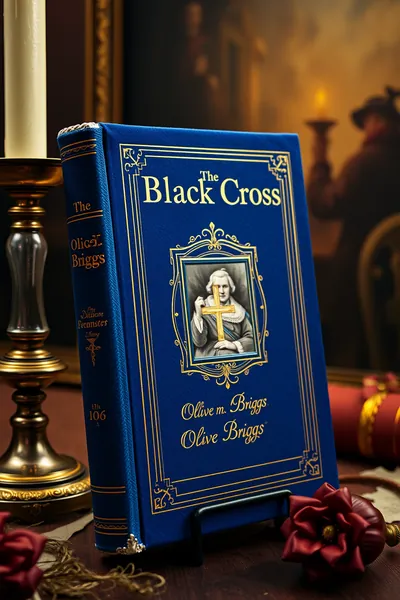
Olive M. Briggs's "The Black Cross" is a historical romance novel, often set against a backdrop of political intrigue and hidden allegiances. Published in the early 20th century, the narrative frequently features secret societies or clandestine groups whose actions dramatically impact the lives of the characters, adding layers of mystery and danger.
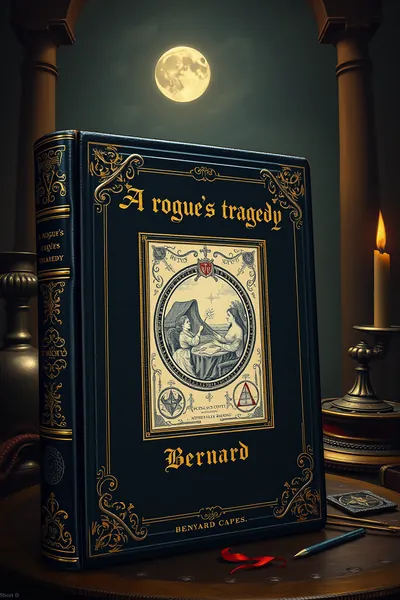
Bernard Capes's "A rogue's tragedy," published in 1906, is a historical novel rich with drama and intrigue. Set in a period of political unrest, the narrative often involves secret plots, hidden identities, and clandestine organizations, echoing the complex and dangerous world of secret societies.
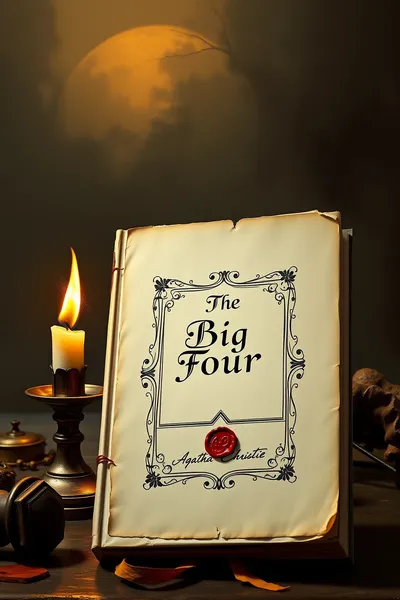
Agatha Christie's "The Big Four," a Hercule Poirot mystery from 1927, sees the detective confronting a powerful international criminal organization. This secret society, known only as 'The Big Four,' aims to plunge the world into chaos, providing a classic example of a global conspiracy in detective fiction.
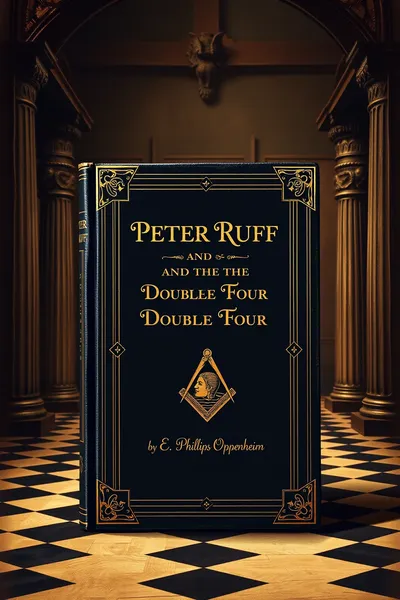
E. Phillips Oppenheim's "Peter Ruff and the Double Four," published in 1912, continues the adventures of Peter Ruff, an agent entangled with the mysterious 'Double Four' organization. This spy thriller further explores the intricate world of international espionage and the machinations of powerful secret societies.
George William Russell, known as AE, contributed significantly to "AE in the Irish Theosophist." Published in the late 19th and early 20th centuries, these writings explore Theosophy, a spiritual movement often described as an esoteric society, delving into mysticism, occultism, and universal brotherhood, key themes for secret societies.
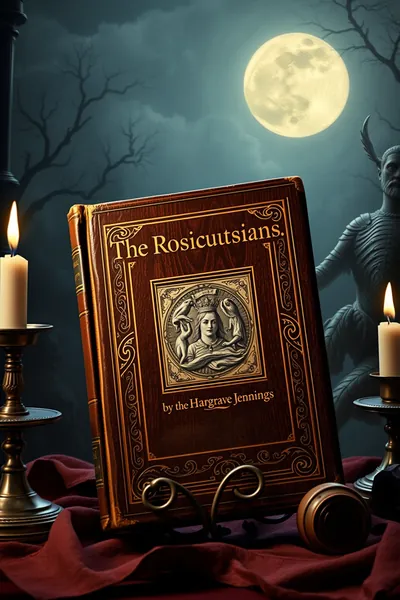
Hargrave Jennings's "The Rosicrucians: Their Rites and Mysteries" is a seminal work published in 1870, offering an extensive exploration of the history, symbolism, and esoteric philosophy of the Rosicrucian order. Jennings delves into their alchemical traditions and mystical pursuits, providing deep insights into this enigmatic secret society.
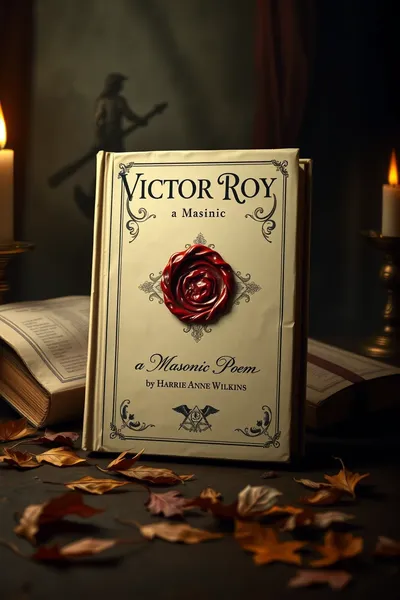
Harriet Annie Wilkins's "Victor Roy, a Masonic Poem," published in 1878, offers a unique poetic interpretation of Masonic principles and symbolism. This work provides insight into the moral and philosophical teachings of Freemasonry through an artistic lens, reflecting the values of this prominent secret society.
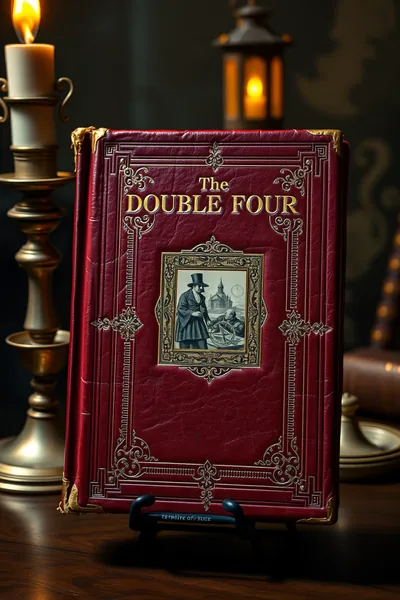
E. Phillips Oppenheim's "The Double Four," published in 1911, is a thrilling tale of international intrigue and espionage. The story revolves around a powerful secret organization that manipulates global events, showcasing Oppenheim's mastery of crafting narratives around clandestine groups and their far-reaching influence.
Richard Maurice Bucke's "Cosmic Consciousness: A Study in the Evolution of the Human Mind," published in 1901, explores the concept of a higher form of consciousness beyond ordinary perception. While not about secret societies directly, its themes of spiritual evolution and hidden truths resonate with the esoteric goals often pursued within such groups.
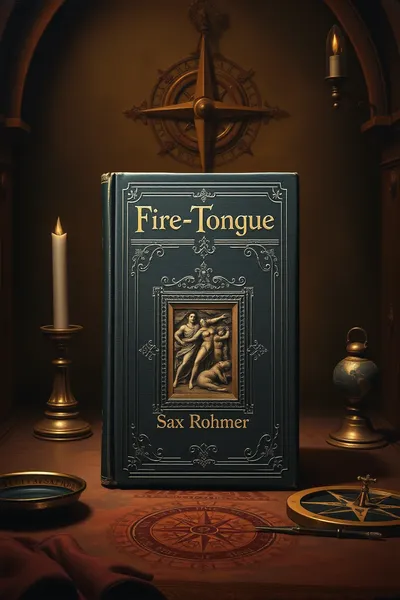
Sax Rohmer's "Fire-Tongue" plunges readers into a thrilling world of espionage and ancient cults. Published in 1921, this novel features the nefarious Dr. Fu Manchu and his shadowy organization, the Si-Fan, as they plot global domination, showcasing the quintessential fictional secret society and its dangerous ambitions.
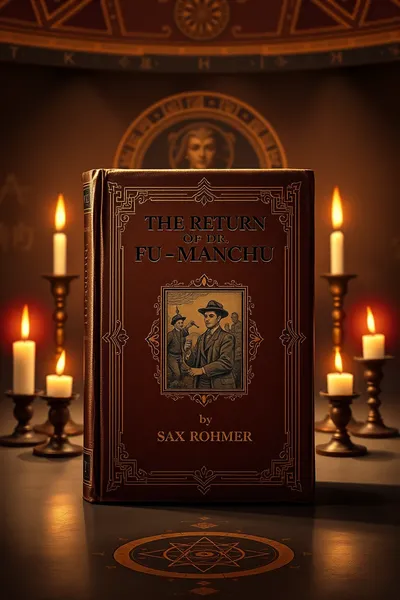
Sax Rohmer's "The Return of Dr. Fu-Manchu," published in 1916, continues the thrilling saga of the notorious villain and his clandestine organization, the Si-Fan. This installment further solidifies Fu Manchu's role as a mastermind behind a global secret society, plotting intricate schemes against the Western world.
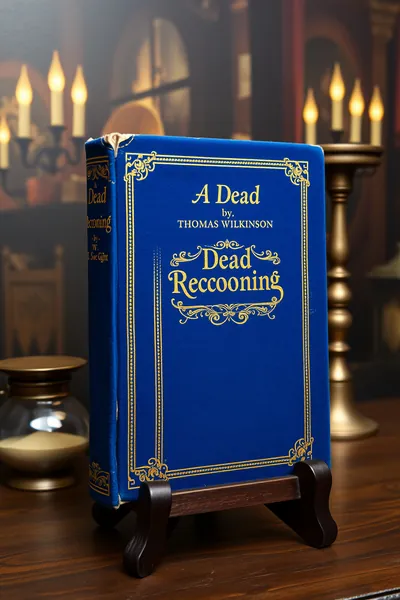
T. W. Speight's "A Dead Reckoning" is a Victorian mystery novel, typically involving complex plots and hidden motives. Published in 1898, it often explores themes of deception, secret pasts, and the unraveling of long-held secrets, reminiscent of the intricate machinations found within fictional secret societies.
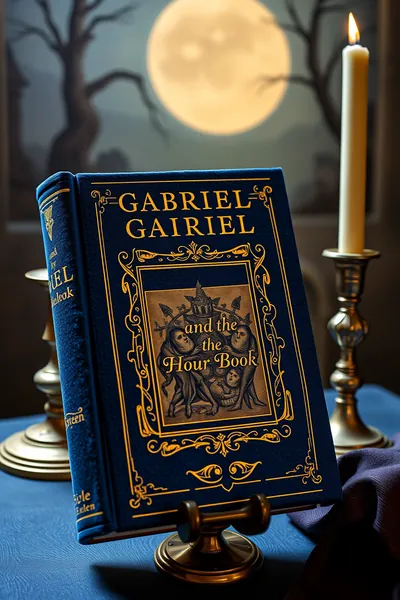
Evaleen Stein's "Gabriel and the Hour Book," published in 1906, is a charming children's story set in medieval times, focusing on the creation of an illuminated manuscript. While not directly involving secret societies, it touches upon the specialized and sometimes guarded knowledge of artisans and scholars in historical settings.
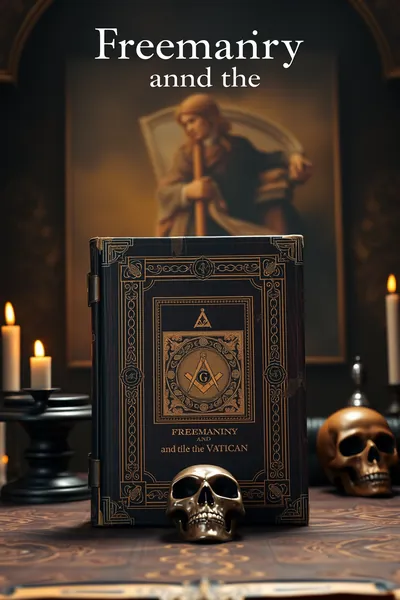
Vicomte Leon de Poncins's "Freemasonry and the Vatican" is a critical examination of the historical and alleged ideological conflicts between the Catholic Church and Freemasonry. Published in 1968, this book explores the Vatican's condemnations of Freemasonry, portraying it as a powerful secret society with opposing aims.
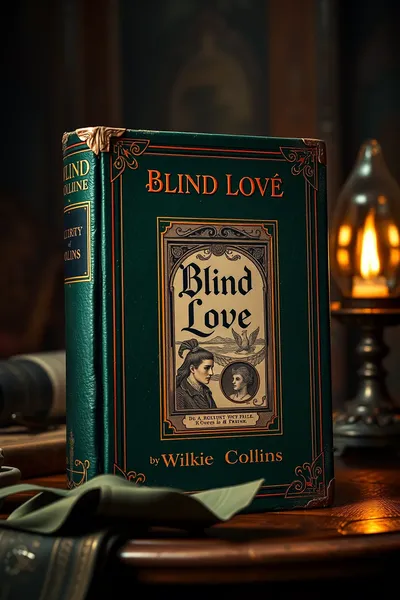
In Wilkie Collins's "Blind Love," published in 1890, readers are drawn into a complex web of secrets and moral dilemmas. This Victorian sensation novel, known for its intricate plotting, explores themes of hidden identities, family secrets, and the devastating consequences of deceit, often hinting at the clandestine dealings that characterize secret societies.
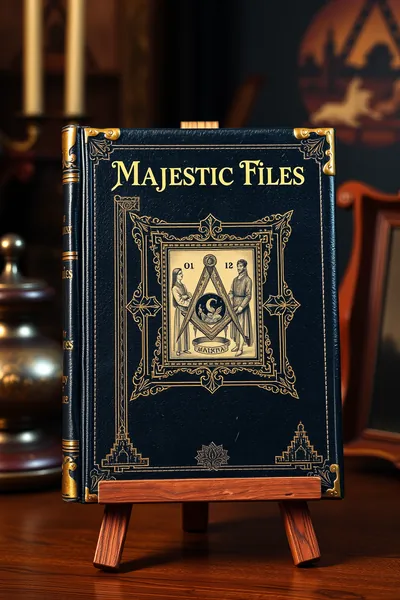
"Majestic Files" delves into the highly controversial and speculative realm of alleged government cover-ups regarding extraterrestrial encounters. Often associated with 'Majestic 12,' a purported secret committee formed in 1947, this collection explores the hidden narratives and theories surrounding UFOs and clandestine operations.