52,000+ Esoteric Books Free + Modern Compare Prices
Home Collections Freemasonry
🔲

Freemasonry Books: History, Symbolism, and Practice

Books on Freemasonry trace its history from medieval guilds to modern interpretations, covering its rituals, symbolism, and philosophical underpinnings. Key works include Albert Gallatin Mackey's 'The Symbolism of Freemasonry' and Albert Pike's 'Morals and Dogma of the Ancient and Accepted Scottish Rite of Freemasonry'. This guide presents curated readings for those seeking to understand Masonic traditions, from initial inquiry to in-depth study.

Top Freemasonry Books

25 Freemasonry books
Handbook Of Freemasonry, Vol. 8
📖
Handbook Of Freemasonry, Vol. 8
(editors) Henrik Bogdan, Jan A. M.
4.5
79
TIMELESS
The Knights Templars
📖
The Knights Templars
Addison, C. G. (Charles Greenstreet
4.3
70
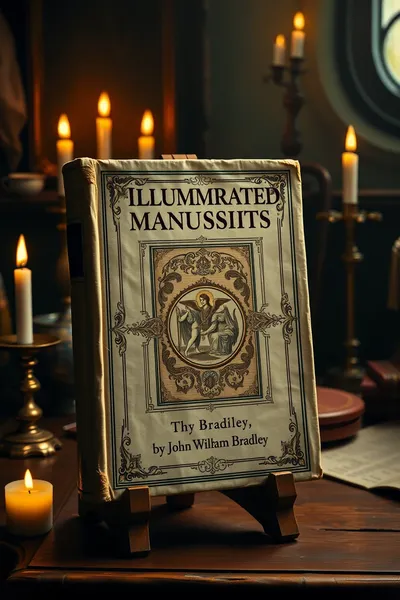
Illuminated Manuscripts
📖
Illuminated Manuscripts
Bradley, John William
4.3
70
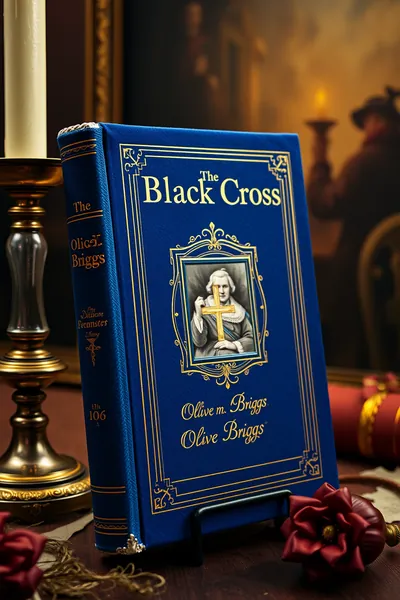
The Black Cross
📖
The Black Cross
Briggs, Olive M. (Olive Mary)
4.2
69
TIMELESS
The Double Four
📖
The Double Four
Oppenheim, E. Phillips (Edward Phil
4.2
69
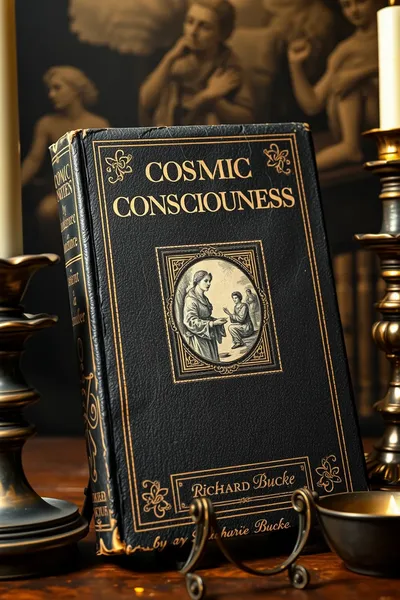
Cosmic Consciousness
📖
Cosmic Consciousness
Richard Maurice Bucke
4.4
74
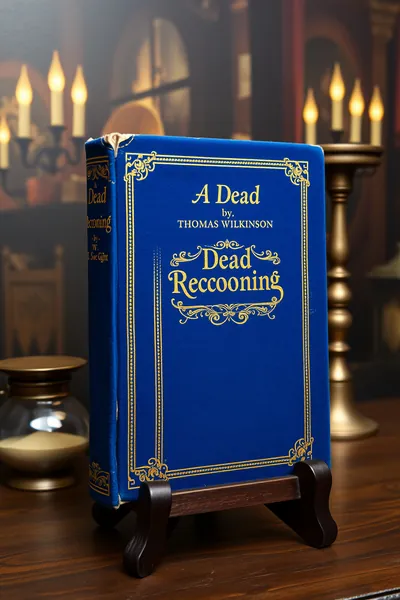
A Dead Reckoning
📖
A Dead Reckoning
Speight, T. W. (Thomas Wilkinson)
4.2
68
Freemasonry and the Vatican
📖
Freemasonry and the Vatican
Vicomte Leon de Poncins
4.4
74
TRENDING
Majestic Files
📖
Majestic Files
http://j.mp/MindSpaceApocalypse
4.5
76

What is Freemasonry?

Freemasonry is a fraternal organization that traces its origins to the local craft guilds of stonemasons that regulated the qualifications of stonemasons in the late Middle Ages. It is now a worldwide fraternity that emphasizes moral and spiritual values, with members meeting in lodges. Its teachings are often allegorical and symbolic, drawing on various philosophical and religious traditions.

Best Books for Complete Beginners

For those new to Freemasonry, Joseph Fort Newton's 'The Builders: A Story and Study of Masonry' offers an accessible narrative of its history and ideals. William Morgan's 'The Mysteries of Free Masonry' provides an early look at degrees, though it is from a critical perspective. Harriet Annie Wilkins' 'Victor Roy, a Masonic Poem' presents Masonic themes through verse, offering a unique entry point. Finally, 'The Cathedral Builders: The Story of a Great Masonic Guild' by Leader Scott details the craft's historical roots in stonemasonry.

Intermediate Reading

Intermediate students can delve deeper with Albert Gallatin Mackey's 'The Symbolism of Freemasonry,' which dissects the symbolic language. Herbert Silberer's 'Hidden Symbolism of Alchemy and the Occult Arts' connects Masonic symbolism to broader esoteric traditions. Max Heindel's 'The Rosicrucian Mysteries' offers a related perspective on esoteric teachings. For a comprehensive overview of Masonic law and principles, Mackey's 'The Principles of Masonic Law' is essential.

Classical / Advanced Texts

Advanced study requires engaging with primary source material and foundational philosophical works. Albert Pike's 'Morals and Dogma of the Ancient and Accepted Scottish Rite of Freemasonry' is a monumental work exploring the Rite's philosophical and ethical teachings. John Uri Lloyd's 'Etidorhpa; or, The End of Earth' is a symbolic novel with Masonic undertones. For historical context on conspiracy theories surrounding the Craft, John Robison's 'Proofs of a Conspiracy against all the Religions and Governments of Europe' is a significant, albeit controversial, document.

Reading Order — Step by Step

Begin with Joseph Fort Newton's 'The Builders' for a broad overview. In weeks 3-4, explore William Morgan's 'The Mysteries of Free Masonry' for a look at ritual. Month two should focus on symbolism with Albert Gallatin Mackey's 'The Symbolism of Freemasonry.' Concurrently, read Herbert Silberer's 'Hidden Symbolism of Alchemy and the Occult Arts' for esoteric connections. Month three is dedicated to Albert Pike's 'Morals and Dogma,' followed by deeper dives into historical texts like John Robison's 'Proofs of a Conspiracy' or C. G. Addison's 'The History of the Knights Templars'.

Frequently Asked Questions

Which Freemasonry book should I read first?

Start with Joseph Fort Newton's 'The Builders: A Story and Study of Masonry.' It offers a well-regarded historical and philosophical introduction without requiring prior knowledge of Masonic rituals or degrees.

Are Freemasonry books always about rituals?

While rituals are a component, many books focus on Freemasonry's history, philosophy, symbolism, and ethical teachings. Works by Mackey and Pike, for example, delve deeply into these aspects.

What is the difference between Craft and Scottish Rite Freemasonry?

Craft Masonry consists of the first three degrees. The Scottish Rite is an appendant body that offers a further series of degrees, exploring more complex philosophical and allegorical themes, as detailed in Pike's 'Morals and Dogma'.

Are books like 'The Big Four' by Agatha Christie relevant?

'The Big Four' is a fictional detective novel featuring a shadowy organization, not a direct examination of Freemasonry. While it touches on secret societies, it should not be read as an authoritative source on Masonic practices.

How do books on alchemy and Rosicrucianism relate to Freemasonry?

Many Masonic symbols and philosophical concepts have roots in or parallels with alchemy and Rosicrucianism. Books like Heindel's 'The Rosicrucian Mysteries' and Silberer's 'Hidden Symbolism' explore these esoteric connections.

What are the 'Landmarks' of Freemasonry?

Landmarks are considered the fundamental, unchangeable principles and customs of Freemasonry. Albert Gallatin Mackey's 'The Principles of Masonic Law' is a key text that attempts to define and enumerate these essential tenets.

Why Each Book Matters

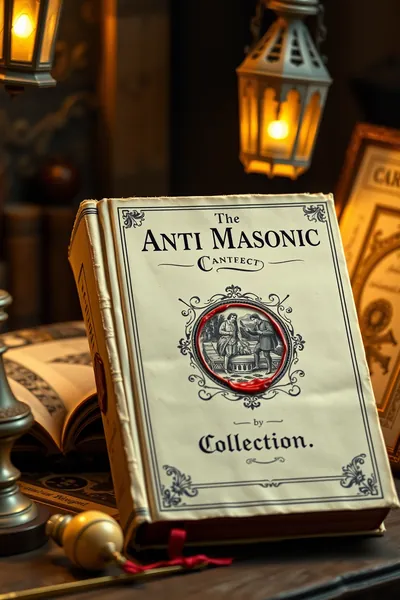
Anti-Masonic Collection

Anti-Masonic Collection

The Anti-Masonic Collection comprises various texts and pamphlets critical of or opposed to Freemasonry. These works, spanning different historical periods, often accuse the fraternity of political subversion, religious heresy, or other nefarious activities. Such collections typically include polemical writings from the 18th, 19th, and 20th centuries, reflecting public anxieties and specific historical movements, such as the Anti-Masonic Party in the United States in the 1830s. This compilation is essential for understanding the controversies and criticisms that have historically surrounded Freemasonry, offering a counter-narrative to its self-portrayal and providing context for its public image.

Ellen G. White Uses Masonic Words

Ellen G. White Uses Masonic Words

Ellen G. White Uses Masonic Words explores the controversial claim that the writings of Ellen G. White, a co-founder of the Seventh-day Adventist Church, contain terminology or concepts borrowed from Freemasonry. This work, likely a critical analysis or exposé, delves into specific linguistic parallels or thematic similarities that its anonymous author perceives between White's theological expressions and Masonic discourse. Such a text, often published in the late 20th or early 21st century, appeals to readers interested in theological debates, the origins of religious movements, and the alleged hidden influences of secret societies on prominent figures.

Texe Marrs books

Texe Marrs books

The collection titled Texe Marrs books refers to the works of Texe Marrs, an American Christian minister known for his writings and broadcasts on conspiracy theories, particularly those concerning secret societies, globalism, and alleged occult influences in politics and religion. While not directly about Freemasonry in a scholarly sense, his books often feature Freemasonry as a key player in larger, sinister plots, reflecting a specific critical perspective. These works, often published in the late 20th and early 21st centuries, represent a strong anti-Masonic and anti-globalist viewpoint, appealing to readers interested in uncovering perceived hidden agendas and their proponents.

Synagogue of Satan

Synagogue of Satan

Synagogue of Satan is a title often associated with controversial and conspiratorial literature, typically alleging the existence of a secret, malevolent force influencing global events. These types of works, frequently published in the late 20th and early 21st centuries, often connect various secret societies, including Freemasonry, to a supposed overarching plot. The term itself is derived from biblical references and is used to denote a hidden, anti-Christian power. This collection represents a specific genre of critical and often polemical writing that seeks to expose perceived hidden agendas and their proponents, appealing to those interested in deep-seated conspiracy theories.

Freemason_Documents

Freemason_Documents

Freemason_Documents is a collection of various texts directly pertaining to Freemasonry, likely including historical records, internal communications, or ritualistic materials. Such documents are invaluable for researchers and members seeking authentic insights into the Craft's practices, organizational structure, and philosophical tenets. These texts often shed light on specific lodge activities, debates within the fraternity, or early Masonic constitutions, providing a primary source perspective on the evolution of Freemasonry. The compilation serves as a direct window into the inner workings and historical development of the organization, offering factual context beyond popular speculation.

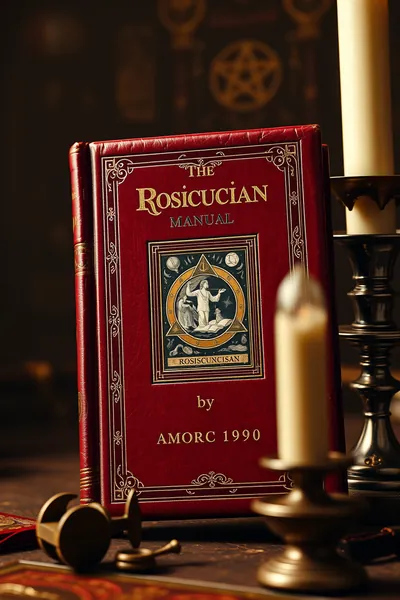
Rosicrucian Manual AMORC 1990

Rosicrucian Manual AMORC 1990

The Rosicrucian Manual AMORC 1990 is a guide produced by the Ancient Mystical Order Rosae Crucis (AMORC), a modern Rosicrucian organization. This manual, likely intended for members, outlines the order's teachings, practices, and philosophical framework as understood and practiced in 1990. While distinct from traditional Freemasonry, Rosicrucianism shares a common lineage of Western esotericism and secret society traditions, often exploring similar themes of spiritual alchemy, self-mastery, and cosmic laws. The manual provides a direct insight into the structured mystical curriculum of a contemporary esoteric order, highlighting its unique approach to spiritual development.

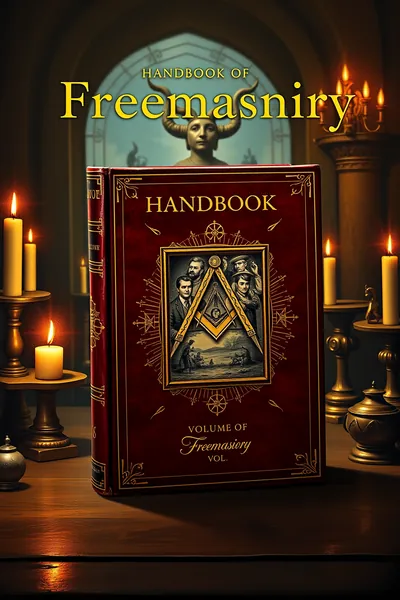
Handbook Of Freemasonry, Vol. 8

Handbook Of Freemasonry, Vol. 8

by (editors) Henrik Bogdan, Jan A. M. Snoek

Handbook Of Freemasonry, Vol. 8, edited by Henrik Bogdan and Jan A. M. Snoek, represents a scholarly and contemporary approach to the study of Freemasonry. As part of a larger series, this volume, likely published in recent decades, offers academic insights into specific aspects of the fraternity, such as its history, rituals, or global variations. Unlike older, more internal texts, such handbooks provide critical analyses and up-to-date research from leading scholars in the field, making them invaluable resources for serious students. This particular volume contributes to a comprehensive, multi-faceted understanding of Freemasonry in the modern era.

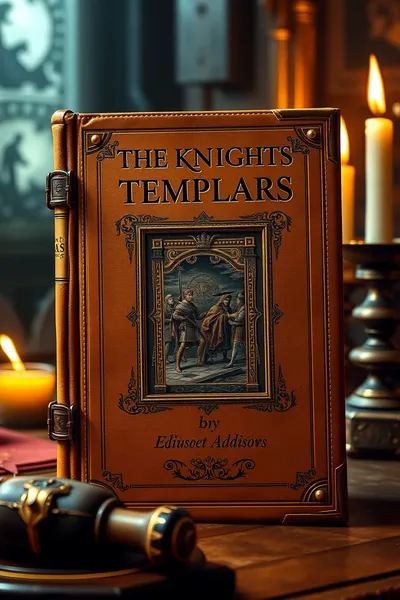
The Knights Templars

The Knights Templars

by Addison, C. G. (Charles Greenstreet)

The Knights Templars by C. G. Addison is a significant historical account detailing the rise and fall of the medieval military order. Originally published in 1842, Addison's work meticulously traces the Templars' origins, their role in the Crusades, their vast wealth and power, and their dramatic suppression in the early 14th century. This book is crucial for understanding the historical context often linked to Freemasonry, as many Masonic legends and rituals incorporate elements and figures purportedly connected to the Templars. It provides a detailed, scholarly examination of an order whose legacy has profoundly influenced secret society lore.

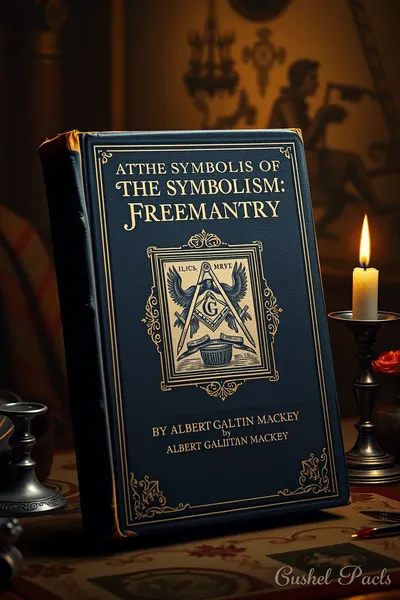
The symbolism of Freemasonry

The symbolism of Freemasonry

by Albert Gallatin Mackey

Dive into the intricate world of Masonic allegory with The symbolism of Freemasonry by Albert Gallatin Mackey. As a prominent Masonic scholar and author of the seminal *Encyclopedia of Freemasonry*, Mackey systematically deciphers the rich tapestry of symbols, rituals, and philosophical underpinnings that define the Craft. Published in 1869, this foundational text explores everything from the working tools of a stonemason to the esoteric meanings behind the degrees, providing a profound understanding of how these elements convey moral and spiritual lessons within the fraternity. It's an essential resource for anyone seeking to grasp the deeper intellectual and ethical framework that has guided Freemasonry for centuries, illuminating the universal truths it seeks to impart.

Illuminated Manuscripts

Illuminated Manuscripts

by Bradley, John William

Illuminated Manuscripts by John William Bradley provides a scholarly overview of the art and history of these exquisite handwritten books. Published in 1905, Bradley's work details the techniques, artistic styles, and cultural significance of manuscripts adorned with elaborate illustrations and decorations, primarily from the medieval period. While not directly related to Freemasonry, the study of illuminated manuscripts connects to the broader esoteric tradition through the preservation of ancient knowledge, symbolic imagery, and the craftsmanship often associated with guilds and secret societies. It offers insight into a rich artistic heritage that often encoded spiritual or philosophical meanings.

The Black Cross

The Black Cross

by Briggs, Olive M. (Olive Mary)

The Black Cross by Olive M. Briggs likely falls into the category of historical romance or adventure, often featuring elements of secret societies or hidden alliances common in early 20th-century fiction. Published in 1921, such titles often use symbols like a 'black cross' to evoke mystery and the clandestine activities of a specific group, whether religious, political, or fraternal. While direct links to Freemasonry would need textual confirmation, the thematic presence of secret brotherhoods and their symbolic markers often resonates with the broader public interest in hidden organizations and their influence on historical events.

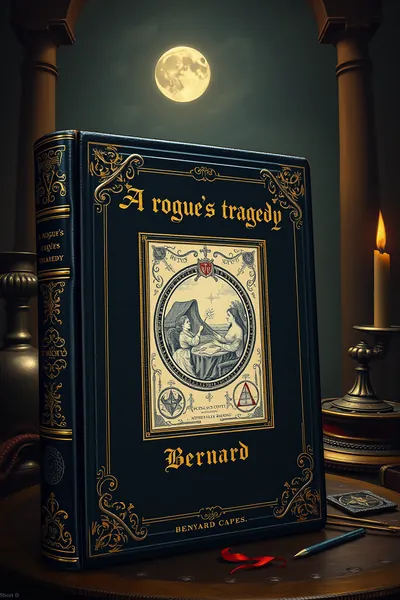
A rogue's tragedy

A rogue's tragedy

by Capes, Bernard

A rogue's tragedy by Bernard Capes is a novel likely steeped in the dramatic and often dark narratives typical of late Victorian and Edwardian fiction. Published in 1906, Capes was known for his atmospheric and suspenseful tales, often featuring morally ambiguous characters and intricate plots involving hidden pasts or secret dealings. While not explicitly about Freemasonry, the 'rogue' element and the 'tragedy' often imply characters operating outside conventional morality or social structures, perhaps involved in clandestine activities that resonate with the popular image of secret societies. It offers a glimpse into the psychological complexities of individuals entangled in fateful circumstances.

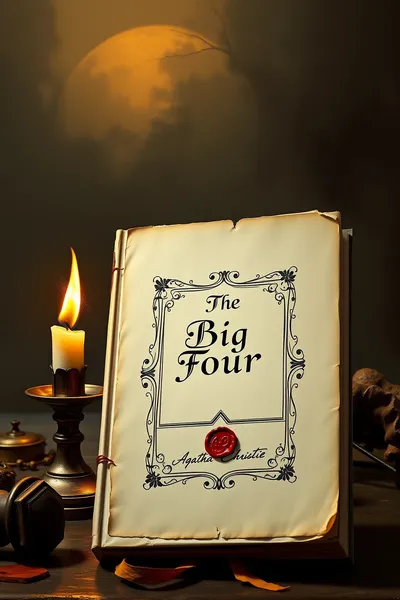
The Big Four

The Big Four

by Christie, Agatha

Agatha Christie's The Big Four deviates from her typical standalone murder mysteries by introducing a powerful, shadowy international organization. Published in 1927, this Hercule Poirot novel sees the Belgian detective facing not just a single killer, but a global conspiracy involving four master criminals who threaten world peace. While not directly about Freemasonry, the book plays on the widespread intrigue surrounding secret societies and their alleged influence, a theme often associated with public discourse around the Craft. Christie's unique blend of intricate plotting and suspense offers a thrilling exploration of a vast, interconnected network of power and deception.

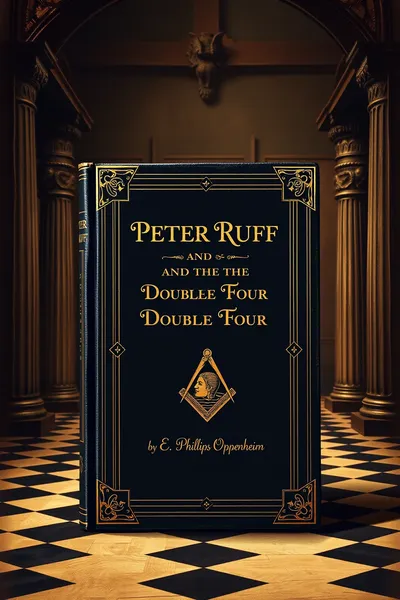
Peter Ruff and the Double Four

Peter Ruff and the Double Four

by E. Phillips (Edward Phillips) Oppenheim

Peter Ruff and the Double Four by E. Phillips Oppenheim continues the adventures of Peter Ruff, a master of disguise and espionage, as he confronts the clandestine organization known as the 'Double Four.' Published in 1912, this thrilling novel exemplifies Oppenheim's talent for crafting intricate plots involving secret societies and international intrigue. The narrative delves into the shadowy world of hidden power struggles, where Ruff's wit and cunning are tested against a formidable network of adversaries. It's a classic example of early 20th-century spy fiction that plays on the public's fascination with secret organizations and their perceived influence.

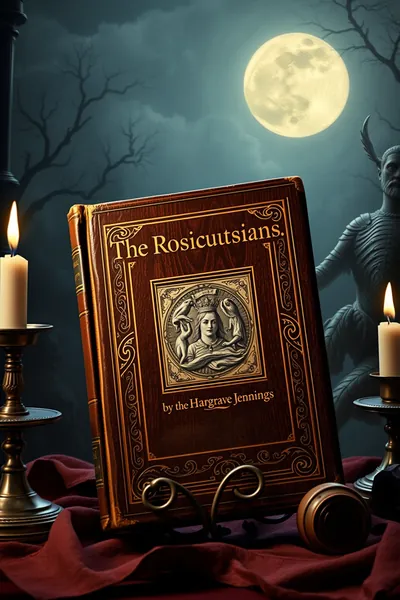
The Rosicrucians

The Rosicrucians

by Hargrave Jennings

Authored by Hargrave Jennings, The Rosicrucians, Their Rites and Mysteries is a seminal work exploring the history and symbolism of the Rosicrucian Order. Published in 1870, Jennings connects Rosicrucianism to various esoteric traditions, including alchemy, Hermeticism, and ancient mysteries, often drawing parallels with the symbolic language and philosophical depth found within Freemasonry. He delves into the order's alleged origins, its mystical practices, and its profound influence on Western esotericism, presenting a rich tapestry of arcane knowledge. This book is essential for understanding the broader context of secret societies and their spiritual pursuits.

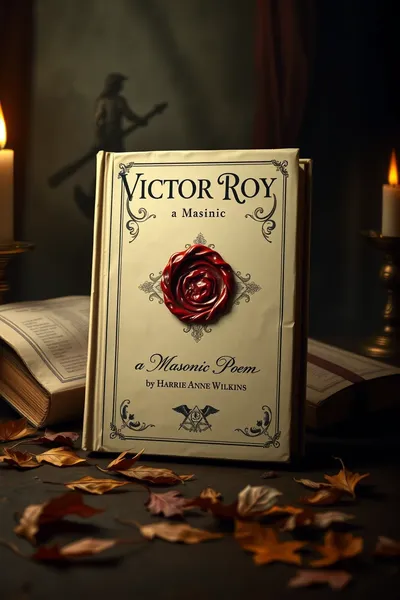
Victor Roy, a Masonic Poem

Victor Roy, a Masonic Poem

by Harriet Annie Wilkins

Victor Roy, a Masonic Poem by Harriet Annie Wilkins offers a unique literary perspective on the principles and ideals of Freemasonry. Published in 1882, this poetic work likely uses narrative and verse to explore Masonic themes such as brotherhood, morality, and the pursuit of light. As a woman writing about Freemasonry in the 19th century, Wilkins's perspective is particularly notable, providing an external yet sympathetic interpretation of the Craft's values. The poem serves as an accessible introduction to the philosophical aspects of Freemasonry, presenting its teachings through an artistic and reflective lens.

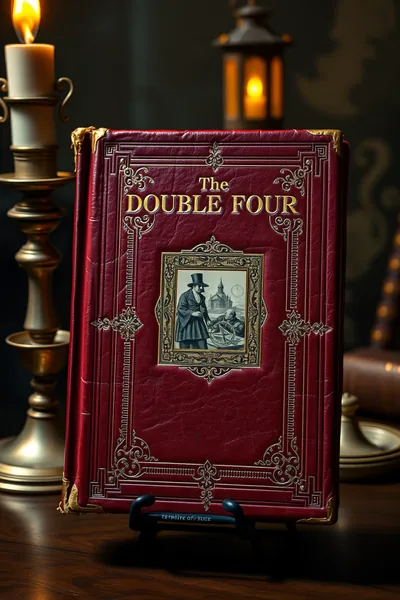
The Double Four

The Double Four

by Oppenheim, E. Phillips (Edward Phillips)

E. Phillips Oppenheim's The Double Four is a thrilling tale of international espionage and secret societies, a genre he mastered. Published in 1911, this novel follows the adventures of Peter Ruff as he navigates a world of intrigue where hidden organizations wield significant power. The narrative explores themes of loyalty, betrayal, and the clandestine struggle for influence, echoing the popular fascination with the hidden aspects of groups like Freemasonry. Oppenheim's work often features intricate plots and a sense of pervasive mystery, drawing readers into a world where secret networks operate just beneath the surface of everyday life, shaping destinies.

Cosmic Consciousness

Cosmic Consciousness

by Richard Maurice Bucke

Authored by Richard Maurice Bucke, Cosmic Consciousness is a groundbreaking work published in 1901 that explores the concept of a higher form of consciousness beyond ordinary self-awareness. Bucke, a Canadian psychiatrist, meticulously documents numerous cases of individuals who experienced sudden, profound spiritual awakenings, including figures like Walt Whitman and Jesus. While not directly about Freemasonry, the book's exploration of spiritual evolution, enlightenment, and the pursuit of universal truth resonates deeply with the esoteric and philosophical aims often attributed to the higher degrees of Freemasonry. It offers a profound perspective on human potential and spiritual development.

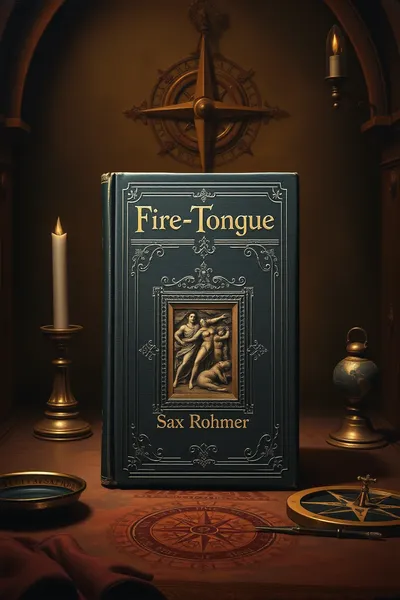
Fire-Tongue

Fire-Tongue

by Sax Rohmer

Sax Rohmer's Fire-Tongue plunges readers into a thrilling world of espionage and occult mystery, a hallmark of his adventure writing. Published in 1921, this novel features Dr. Petrie, who investigates a secret society known as the 'Fire-Tongue,' a group with sinister aims and mystical practices. The narrative, while fictional, taps into the public's fascination with hidden organizations and their perceived influence on global events, mirroring some of the popular intrigue surrounding Freemasonry. Rohmer's ability to create an atmosphere of exotic danger and arcane knowledge makes this a compelling read for those interested in the darker, more conspiratorial side of esoteric fiction.

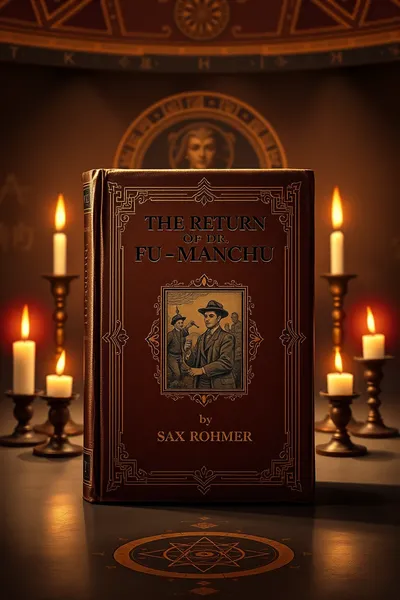
The Return of Dr. Fu-Manchu

The Return of Dr. Fu-Manchu

by Sax Rohmer

Sax Rohmer's The Return of Dr. Fu-Manchu is the second novel in his iconic series, continuing the nefarious schemes of the supervillain Dr. Fu-Manchu. Published in 1916, this thrilling installment pits the cunning doctor against Nayland Smith and Dr. Petrie, as Fu-Manchu seeks to establish a new world order through his secret organization, the Si-Fan. While fictional, the narrative powerfully evokes the popular fascination with shadowy global conspiracies and the perceived influence of secret societies, themes often associated with public discussions around Freemasonry. Rohmer masterfully combines orientalism, adventure, and the occult to create a gripping tale.

A Dead Reckoning

A Dead Reckoning

by Speight, T. W. (Thomas Wilkinson)

A Dead Reckoning by T. W. Speight is a Victorian mystery novel, characteristic of the author's prolific output in the late 19th and early 20th centuries. Published in 1900, this work typically involves intricate plots, unexpected twists, and the unraveling of dark secrets, often with a focus on crime and its consequences. While not directly related to Freemasonry, Speight's narratives often explore hidden motives and the intricate workings of human deception, themes that can parallel the popular intrigue surrounding secret societies. His storytelling provides a glimpse into the social anxieties and moral complexities of the era.

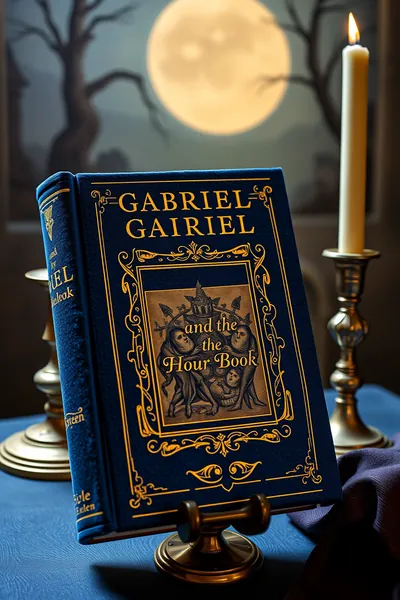
Gabriel and the Hour Book

Gabriel and the Hour Book

by Stein, Evaleen

Gabriel and the Hour Book by Evaleen Stein is a charming children's story set in medieval France, focusing on a young peasant boy's journey to become an illuminator of manuscripts. Published in 1906, the narrative beautifully portrays the craftsmanship and dedication involved in creating these artistic treasures, offering a glimpse into the guild systems of the era. While not directly about Freemasonry, the book touches upon themes of apprenticeship, skill development, and the passing down of specialized knowledge through a structured craft, echoing the historical origins of Freemasonry in operative stonemasonry. It's a gentle introduction to medieval artistry and education.

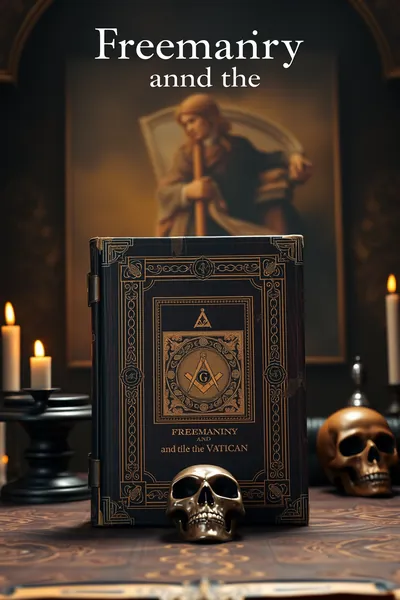
Freemasonry and the Vatican

Freemasonry and the Vatican

by Vicomte Leon de Poncins

Freemasonry and the Vatican by Vicomte Leon de Poncins is a critical work that examines the historical and ideological conflicts between the Roman Catholic Church and Freemasonry. Published in 1968, de Poncins, a prominent anti-Masonic writer, systematically details the various papal condemnations of Freemasonry and explores the philosophical differences that have fueled this centuries-old antagonism. The book provides a significant perspective on the political and religious dimensions of the anti-Masonic movement, offering insights into the arguments used to portray Freemasonry as a threat to traditional institutions. It's an essential text for understanding a major historical controversy.

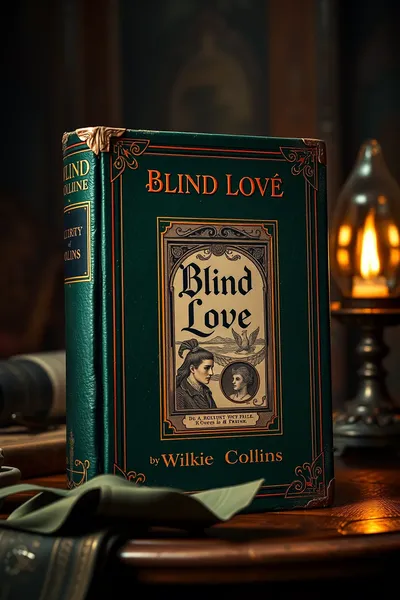
Blind Love

Blind Love

by Wilkie Collins

In Wilkie Collins' novel, Blind Love, readers encounter a tale of intrigue and moral complexity, characteristic of Victorian sensational fiction. While not explicitly about Freemasonry, Collins masterfully weaves narratives of hidden secrets, mistaken identities, and the consequences of clandestine actions, themes that resonate with the public's perception of secret societies. Published posthumously in 1890, the story explores the intricate relationships and dark motives that drive its characters, revealing how personal choices can lead to profound and unforeseen outcomes. Collins's ability to craft suspenseful plots ensures that readers are kept guessing until the very end, reflecting the era's fascination with hidden truths.

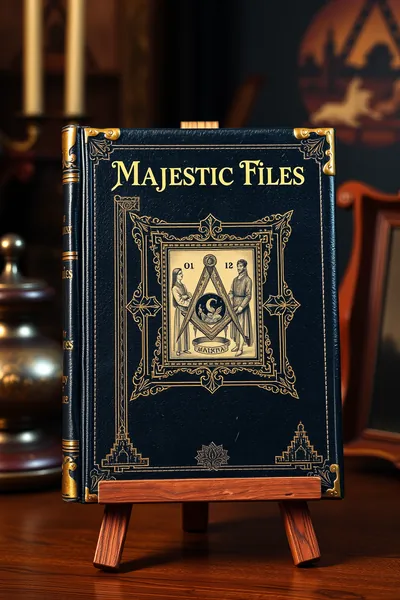
Majestic Files

Majestic Files

by http://j.mp/MindSpaceApocalypse

The Majestic Files, attributed to http://j.mp/MindSpaceApocalypse, represent a collection of documents and theories often associated with UFOs, government cover-ups, and secret projects. While not directly focused on Freemasonry, these files touch upon themes of hidden knowledge, clandestine operations, and powerful, unseen forces influencing world events—concepts frequently linked to public perceptions of secret societies. The collection typically includes alleged leaked documents and speculative analyses concerning the Majestic 12 group, a supposed secret committee formed in 1947 to manage alien technology. Such works appeal to readers interested in the broader landscape of modern conspiracy narratives and their intersection with hidden power structures.

Esoteric Library
Browse Esoteric Library
📚 All 52,000+ Books 🜍 Alchemy & Hermeticism 🔮 Magic & Ritual 🌙 Witchcraft & Paganism Astrology & Cosmology 🃏 Divination & Tarot 📜 Occult Philosophy ✡️ Kabbalah & Jewish Mysticism 🕉️ Mysticism & Contemplation 🕊️ Theosophy & Anthroposophy 🏛️ Freemasonry & Secret Societies 👻 Spiritualism & Afterlife 📖 Sacred Texts & Gnosticism 👁️ Supernatural & Occult Fiction 🧘 Spiritual Development 📚 Esoteric History & Biography
Esoteric Library
📑 Collections 📤 Upload Your Book
Account
🔑 Sign In Create Account
Info
About Esoteric Library